
Freshwater aquariums
Freshwater Aquarium Supplies & Setup
From your first betta bowl to a lush planted community tank — the gear, guides, and honest reviews to build a freshwater aquarium that thrives.
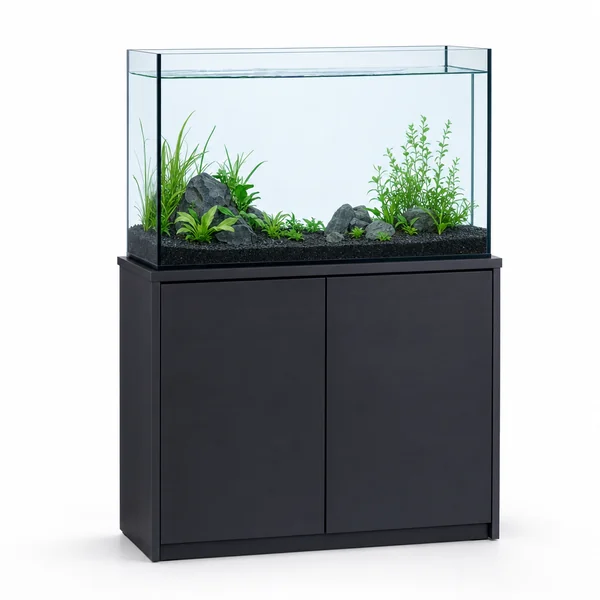
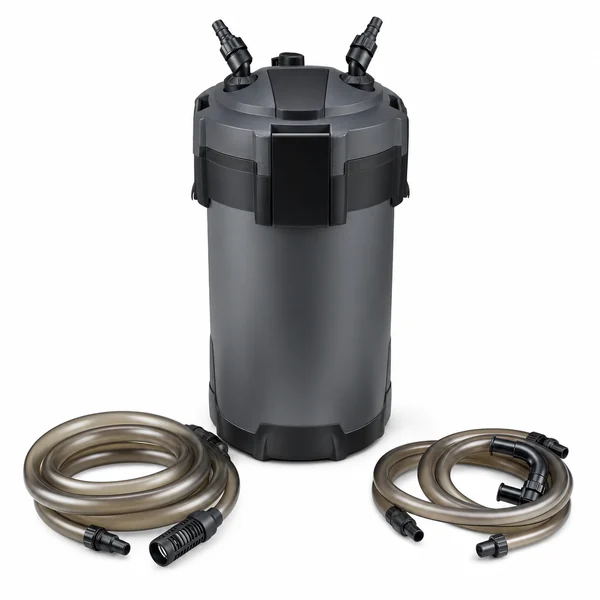
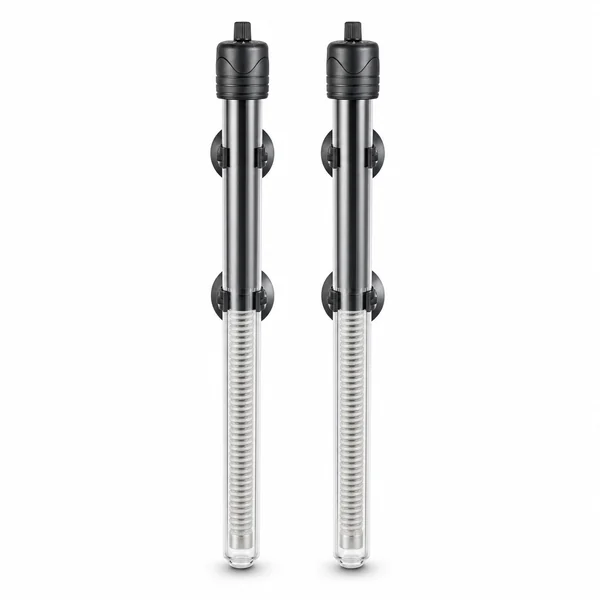
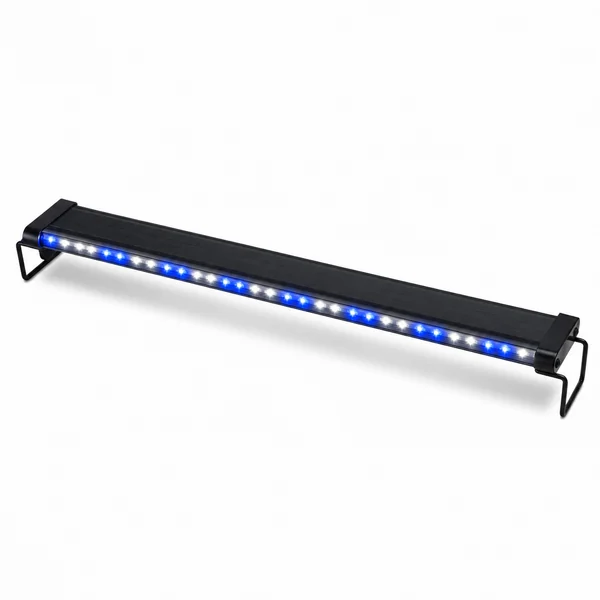
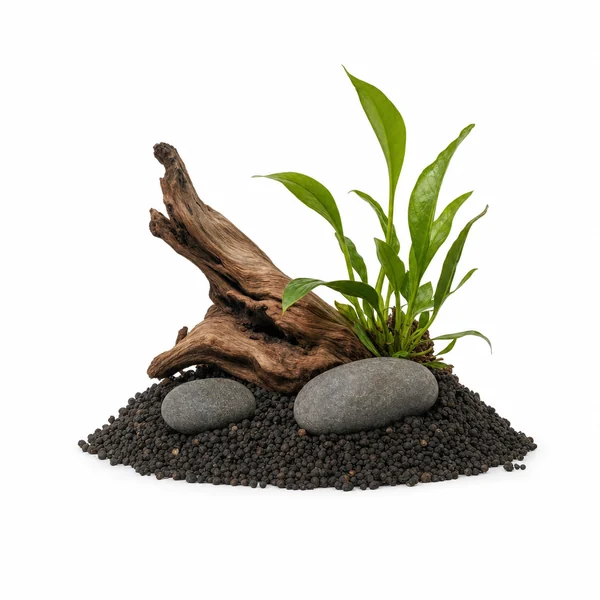
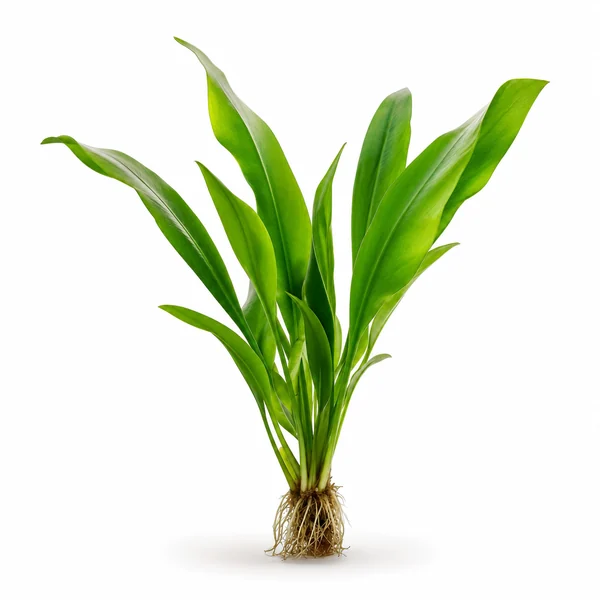
Freshwater favorites
Top Freshwater Products
Hand-picked freshwater gear we actually review — honest picks, no prices, no hype.


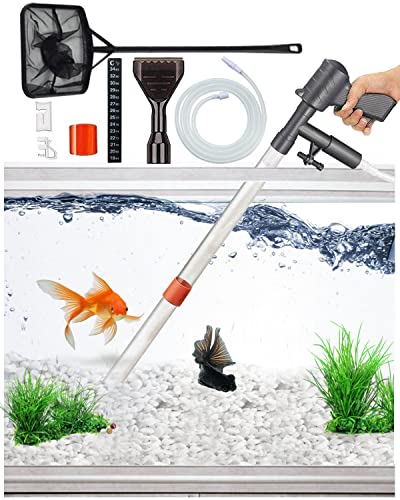



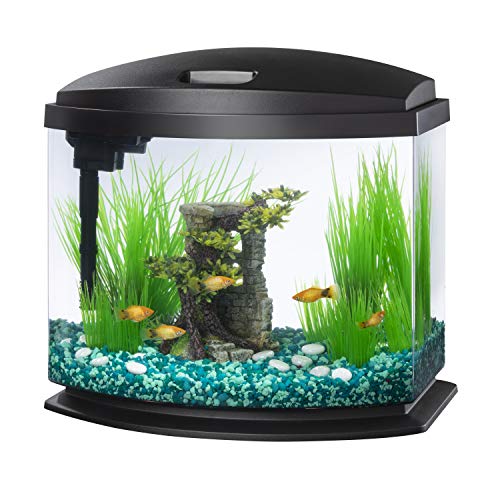




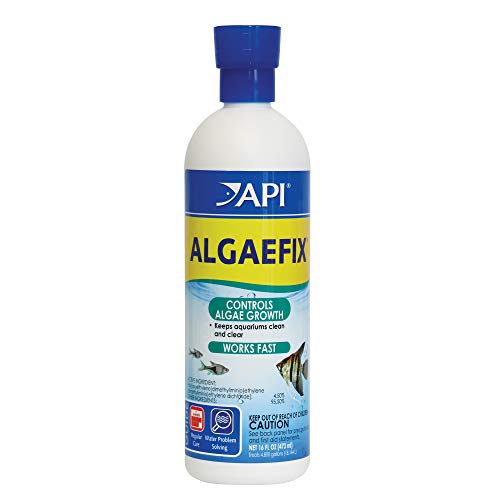

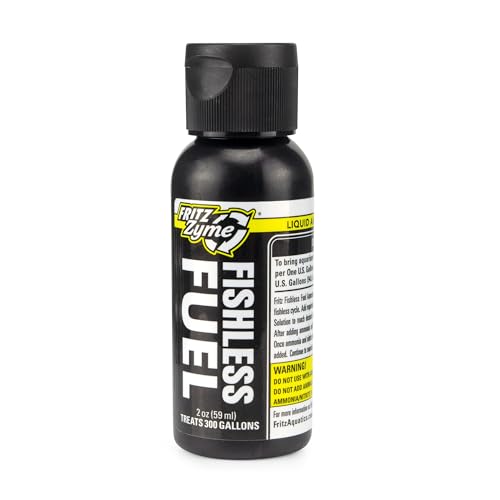


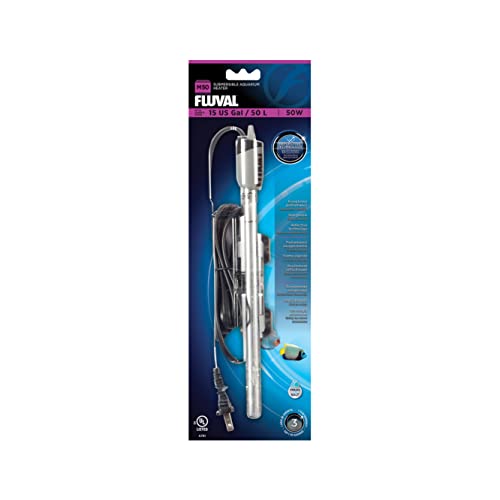


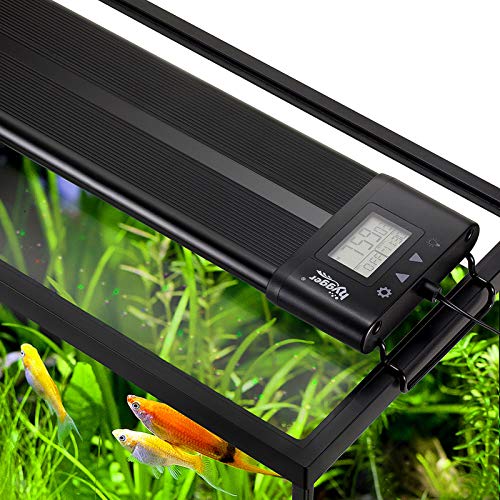
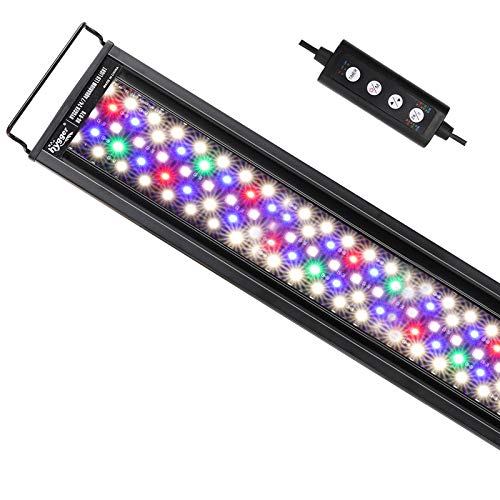

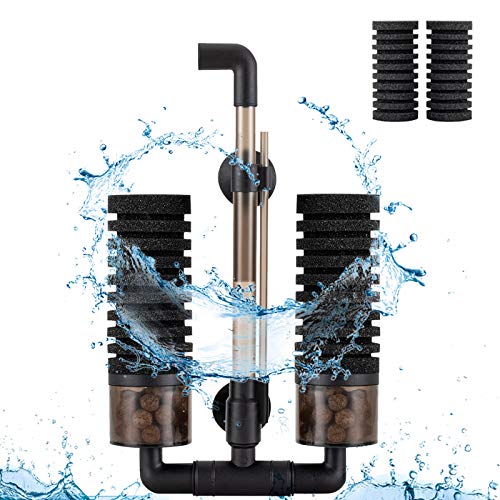


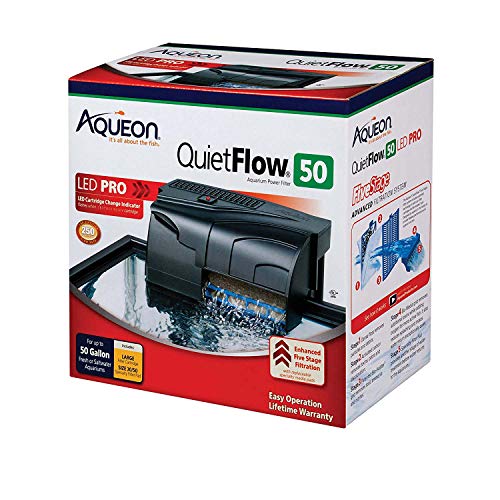
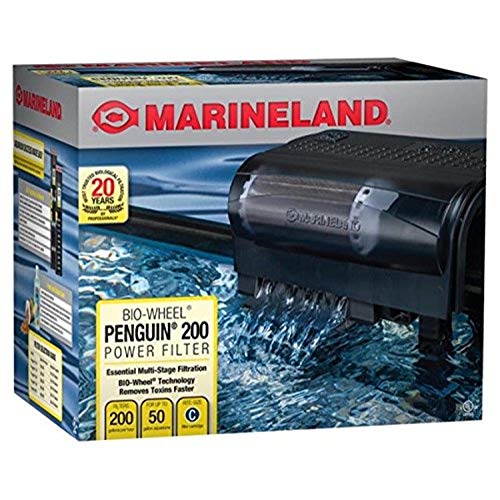


From the blog
Freshwater Guides & How-Tos
 FreshwaterGuides
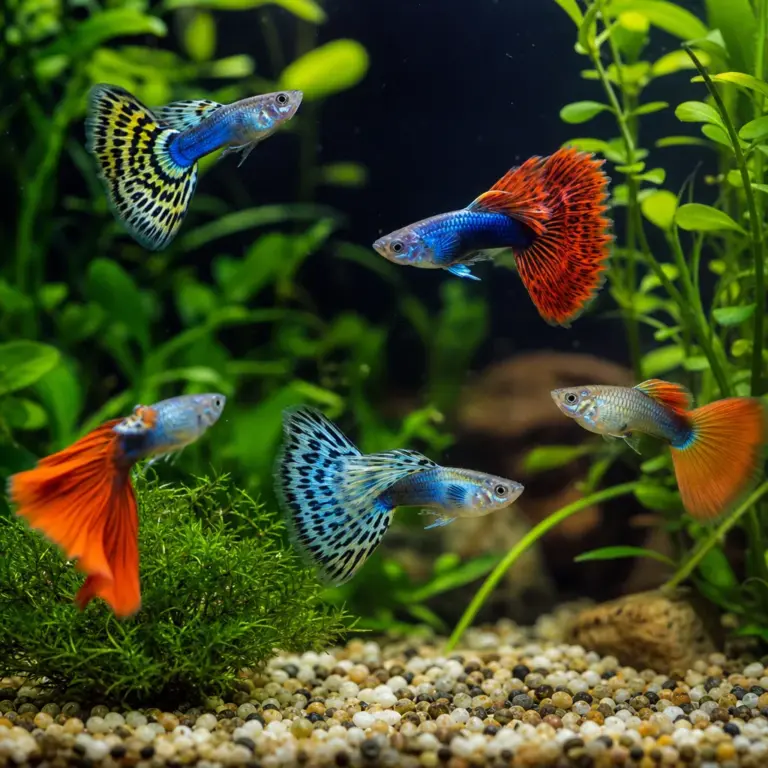
Guppy Care: Setup, Breeding and Keeping Them Alive
Guppies are beginner-friendly but breed relentlessly. Here is how to set up their tank, keep them healthy, and…
Read Article →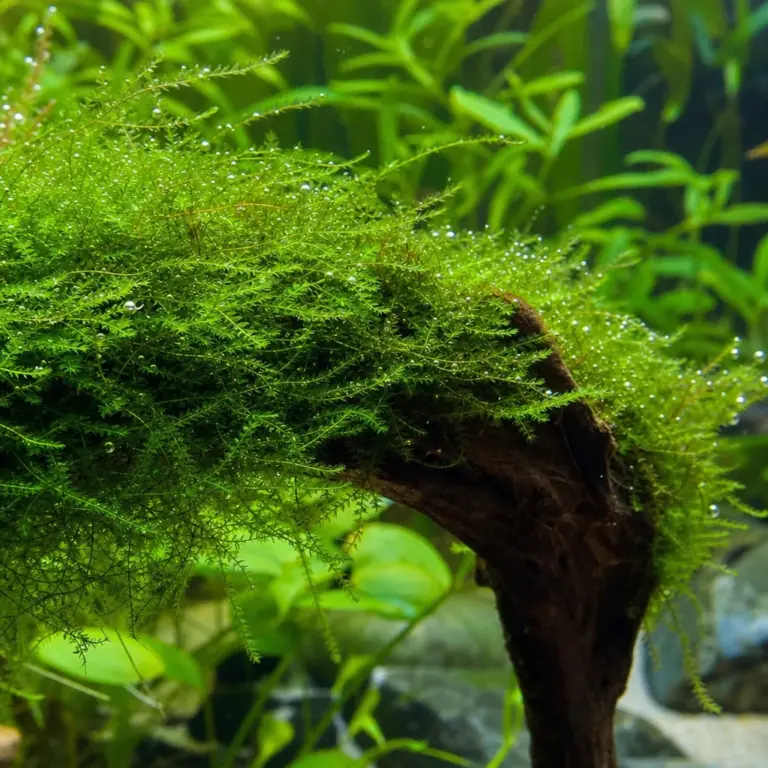 FreshwaterPlants
How to Grow Aquarium Moss (Java, Christmas, Flame)
Aquarium moss is the most forgiving plant you can keep, if you attach it right and keep it…
Read Article →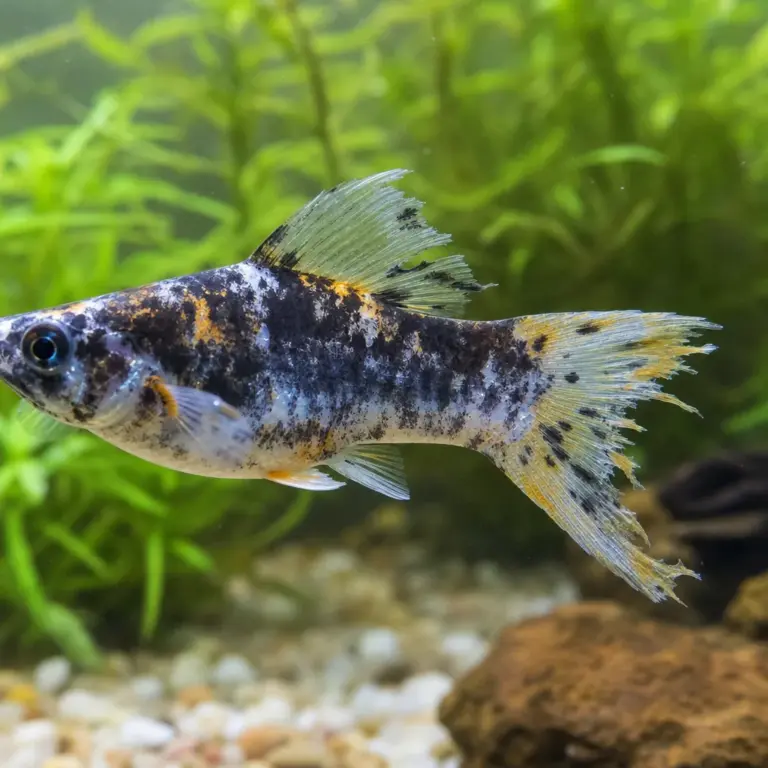 FreshwaterGuides
Fin Rot: How to Identify and Cure It Fast
Ragged, discolored fins usually mean fin rot. Learn to spot it early, treat it correctly, and stop it…
Read Article →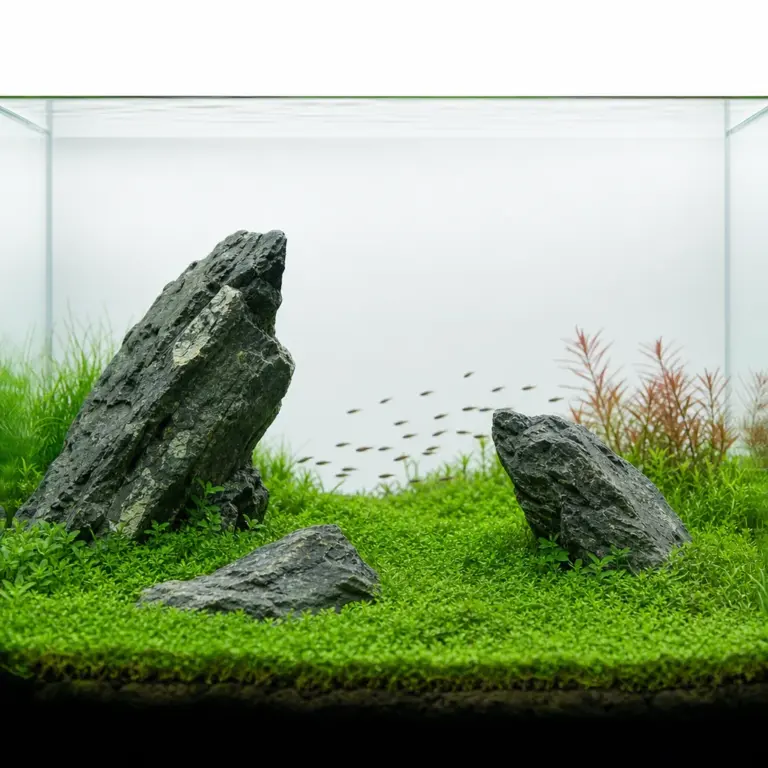 FreshwaterPlants
Iwagumi Aquascaping: Rules and Setup Guide
Iwagumi is minimalist stone aquascaping done right. Learn the stone roles, the golden-ratio placement, and why the hardest…
Read Article →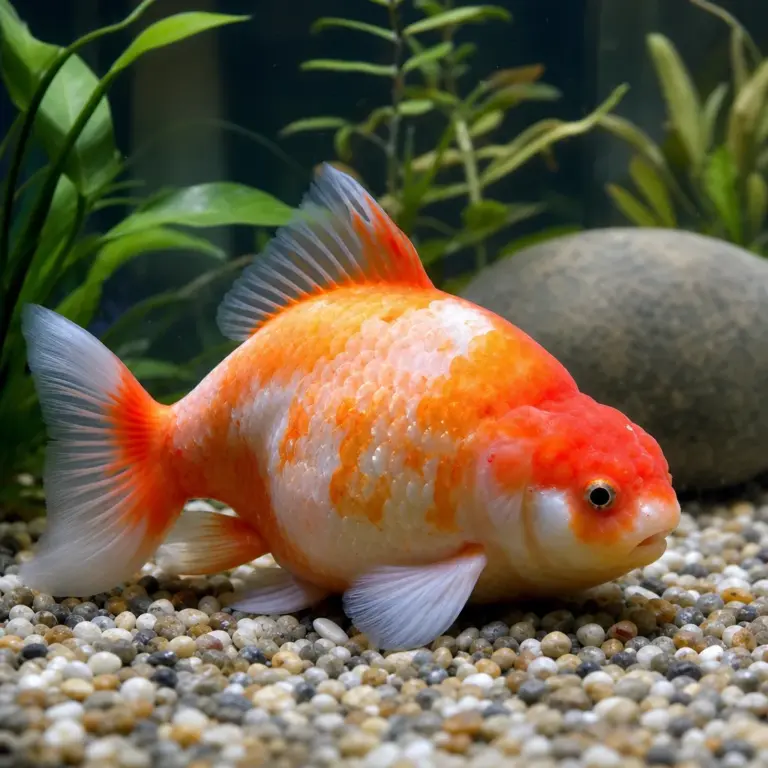 FreshwaterGuides
Dropsy in Fish: What It Is and Can You Save Them?
Dropsy makes a fish swell into a pinecone shape. Here is what actually causes it, whether recovery is…
Read Article →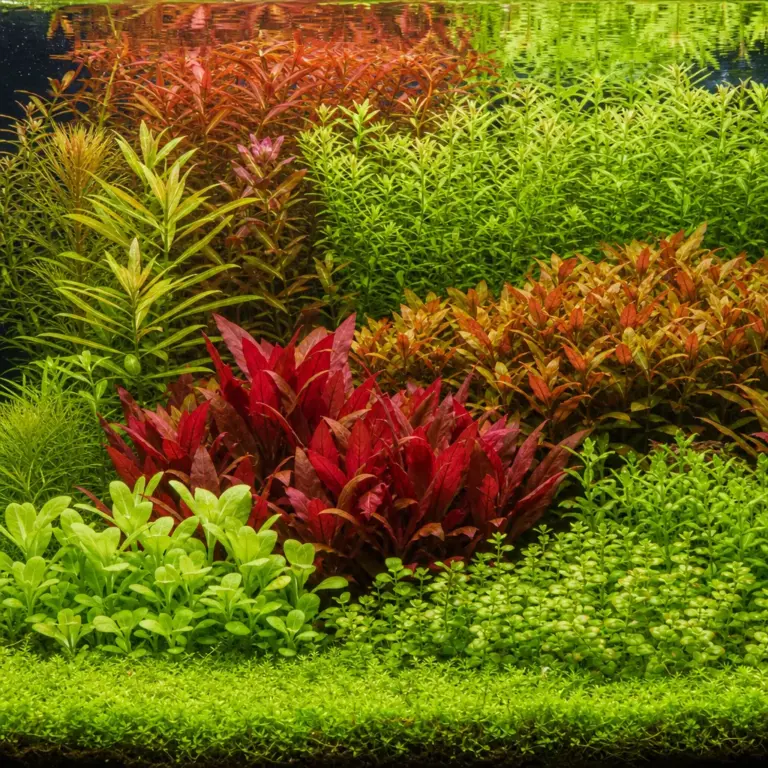 FreshwaterPlants
Dutch Aquascaping Style: A Beginner’s Guide
Dutch aquascaping is a lush garden of contrasting plant groups. Here is how to plan the streets, terraces,…
Read Article →Freshwater
Build a thriving freshwater aquarium
Freshwater aquariums are the perfect place to start — and a lifelong hobby to grow into. Whether you’re keeping easygoing community fish, aquascaping a planted showpiece, or breeding shrimp, the right setup makes everything easier and your tank healthier.
We review the gear that matters for freshwater tanks: filters, heaters, lighting, test kits, and food, plus the plants and substrate that bring a tank to life. New to it all? Our setup guides and how-tos walk you through cycling, stocking, and maintenance step by step.
What we help you get right:
- Choosing a filter and heater sized for your tank
- Lighting and substrate for healthy plant growth
- Hardy, beginner-friendly fish that get along
- Simple water-care routines that prevent problems
Prefer saltwater or a backyard build? Explore saltwater & reef or ponds too.
Shop on Amazon →As an Amazon Associate we earn from qualifying purchases.
Freshwater FAQ
Common Freshwater Aquarium Questions
Quick, straight answers to the questions new freshwater aquarists ask most.
How long does it take to cycle a new freshwater aquarium?
A full nitrogen cycle usually takes 4 to 6 weeks. During cycling, beneficial bacteria establish to convert toxic ammonia into nitrite and then into far less harmful nitrate. You can shorten it to one or two weeks by adding seeded filter media or substrate from an established tank. Always finish cycling before adding sensitive fish.
How often should I change the water in a freshwater tank?
For most stocked freshwater aquariums, change 10 to 25 percent of the water once a week. Heavily stocked or planted tanks may need a little more, lightly stocked tanks a little less. Regular small changes keep nitrates low and replenish trace minerals — always dechlorinate tap water first.
Do I need a heater for a freshwater aquarium?
Most popular freshwater fish are tropical and need a stable 74 to 80°F (23 to 27°C), so a heater is essential. Coldwater fish like goldfish and white cloud minnows can live at room temperature without one. Match heater wattage to tank size — roughly 3 to 5 watts per gallon.
What are the best fish for a beginner freshwater tank?
Hardy, peaceful species are ideal: betta, guppies, platies, mollies, zebra danios, and corydoras catfish. They tolerate minor water-quality swings and get along in a community tank. See our freshwater stocking guides for beginner-friendly combinations.
Why is my aquarium water cloudy?
In a new tank, white cloudiness is usually a harmless bacterial bloom that clears on its own within a week or two. In an established tank it often points to overfeeding, overstocking, or disturbed substrate. Avoid overfeeding and keep up with water changes; a green tint instead means an algae bloom from too much light.
How many fish can I keep in my aquarium?
A common starting rule is one inch of adult fish per gallon, but it is only a rough guide — filtration, fish body shape, and activity level matter more. Understock rather than overstock, especially while the tank matures. Strong filtration and regular water changes let you keep a bit more safely.
What equipment do I need to start a freshwater aquarium?
The essentials are a tank, a filter, a heater (for tropical fish), a light, and substrate. You will also want a water dechlorinator and a test kit for ammonia, nitrite, and nitrate. Browse the freshwater gear we recommend for filters, heaters, and lighting.
How do I get rid of algae in a freshwater tank?
Algae thrives on excess light and nutrients, so reduce lighting to 6 to 8 hours a day, keep the tank out of direct sunlight, and avoid overfeeding. Stay consistent with water changes to lower nitrates and phosphates, and add algae-eaters like nerite snails or otocinclus. Spot-clean glass and decor as needed.
Can I add fish right away to a new tank?
No — adding fish to an uncycled tank exposes them to toxic ammonia and is a leading cause of new-tank fish loss. Do a fishless cycle first, or if you must, a careful fish-in cycle with very few hardy fish and daily water testing. Patience in the first month pays off for years.
What is the difference between a regular and a planted freshwater tank?
A standard freshwater tank uses artificial or no plants and needs only basic lighting. A planted tank grows live aquatic plants, which need a quality light, a nutrient-rich substrate, and sometimes added CO2. Live plants reward the extra effort by absorbing nitrates, oxygenating the water, and giving fish natural cover.