
 Hover to zoom


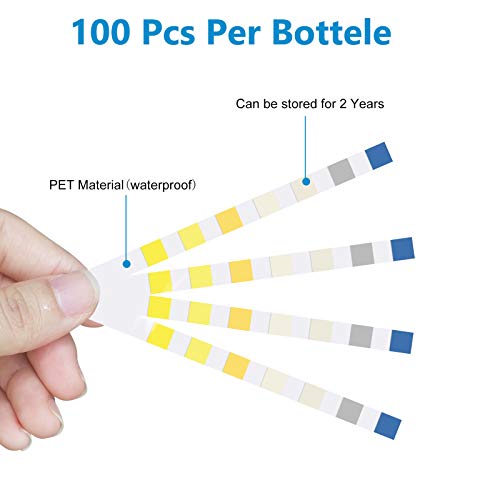
FUNSWTM 7-in-1 Aquarium Test Strips, 100 Strips
A 100-strip bottle of 7-in-1 strips for frequent routine checks.
- 7 tests: nitrate, nitrite, hardness, free chlorine, pH, carbonate, total alkalinity
- No ammonia pad
- Dip 2 seconds, read at 15-30 seconds
- Aquariums and ponds
- 100 strips
Check the latest price and availability on Amazon.
View on Amazon →As an Amazon Associate, AquaticRig earns from qualifying purchases.
Pros
- Lots of strips
- Quick read
- Covers hardness and buffers
Cons
- No ammonia test
- Strip precision limits
At a glance
A 100-strip bottle of 7-in-1 strips for frequent routine checks.
A good-value strip for routine checks, paired with a separate ammonia test.
- 7 tests: nitrate, nitrite, hardness, free chlorine, pH, carbonate, total alkalinity
- No ammonia pad
- Dip 2 seconds, read at 15-30 seconds
- Aquariums and ponds
- 100 strips
Product Specifications
- Brand
- FUNSWTM
- Color
- 7IN1-100Tests
- Size
- 7 in 1 - 100 Count
- Dimensions
- 1.9685 x 1.9685 x 4.33071 inches
- Weight
- 0.108027 pounds
- In the box
- 100
FUNSWTM 7-in-1 Aquarium Test Strips check seven water values: nitrate, nitrite, hardness, free chlorine, pH, carbonate and total alkalinity. The bottle holds 100 strips, which makes frequent testing affordable for one tank or several.
What is missing
These strips do not test ammonia. In a new tank, ammonia is the first and most dangerous toxin, so pair these with an ammonia test such as API Ammonia Test Strips while cycling. In an established tank, nitrite and nitrate readings tell you a lot about the filter’s health.
How to use
- Dip the strip for 2 seconds.
- Remove it and wait 15 to 30 seconds.
- Compare colors with the chart on the bottle.
Read all pads within that window; colors keep shifting afterward.
Where to use them
The maker lists betta tanks, tropical tanks, ponds and planted aquariums, freshwater and saltwater. They are marketed mainly for freshwater, and the hardness and carbonate pads are most meaningful there.
Making sense of the readings
- Nitrite: should read zero once a tank is cycled.
- Nitrate: rises between water changes; keep it low.
- Carbonate and alkalinity: buffer pH; falling values warn of a pH drop.
- Hardness: matters for shrimp, livebearers and soft water fish.
- Chlorine: should be zero after conditioning.
Strip care
Keep the cap closed, use dry fingers and store the bottle in a dry place. One hundred strips will last a long time, so keeping them sealed matters for accuracy toward the end of the bottle.
Compared with others
The Tetra EasyStrips Complete adds ammonia on the same strip but comes in a smaller box. FUNSWTM gives more strips for routine checks.
For a pond, collect the sample from mid-depth away from the inflow rather than skimming the surface, since surface water can read differently. Rinse the sample cup between ponds or tanks so readings do not carry over from one system to another.
The Bottom Line
A good-value strip for routine checks, paired with a separate ammonia test.
View on Amazon →As an Amazon Associate, AquaticRig earns from qualifying purchases.
Frequently Asked Questions
Does it test ammonia?
No, pair it with an ammonia test.
How long until I read it?
15 to 30 seconds after a 2 second dip.
How many strips?
100.