
Saltwater & reef
Saltwater Aquarium & Reef Supplies
Build a stunning reef with confidence. The skimmers, salt, lighting, and test gear that keep corals coloring up, researched carefully with no hype.
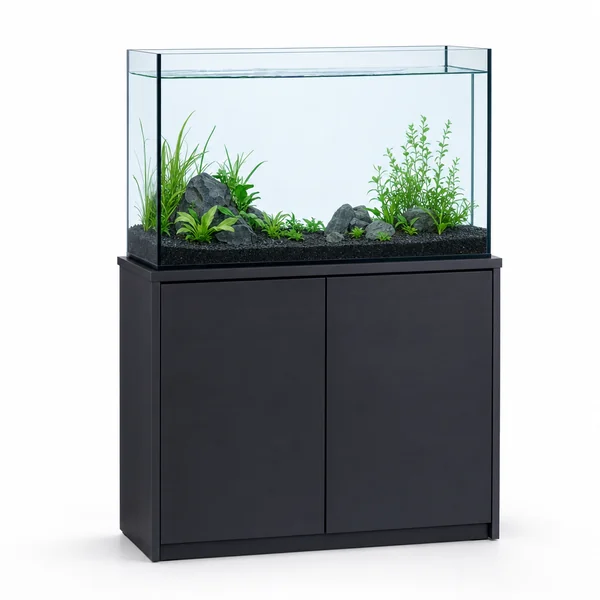
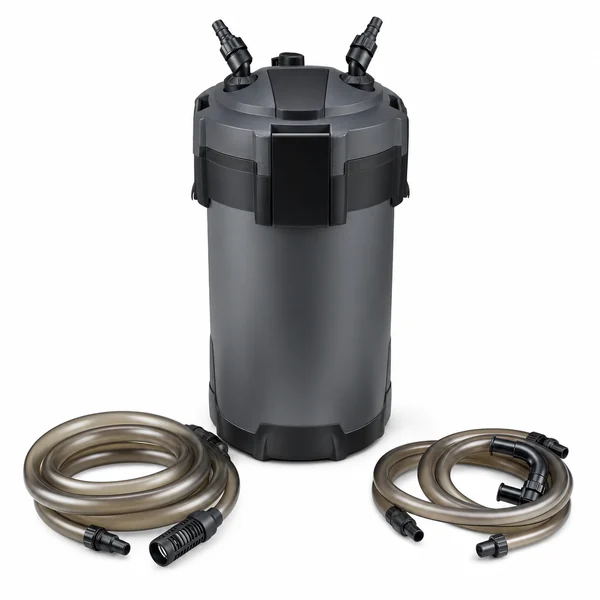
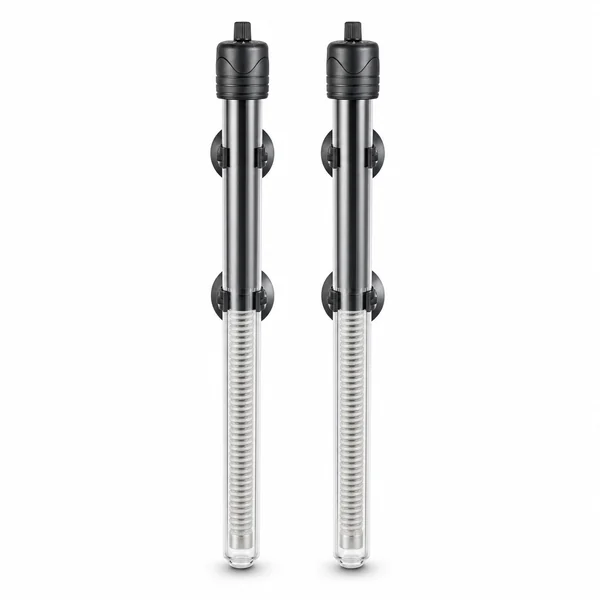

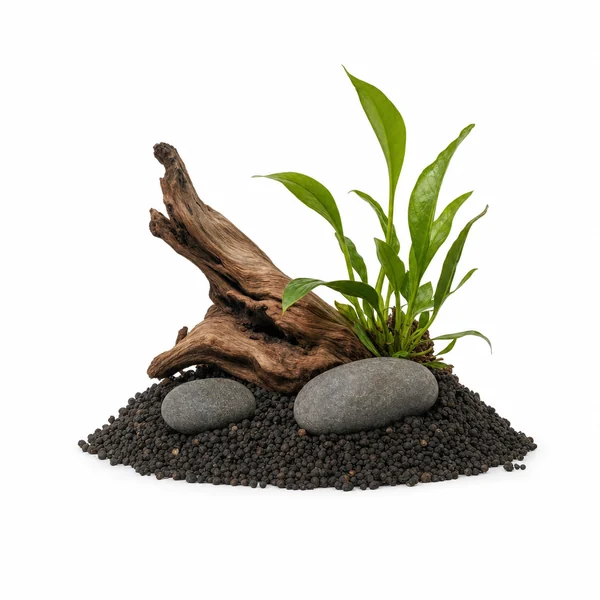



Saltwater & reef favorites
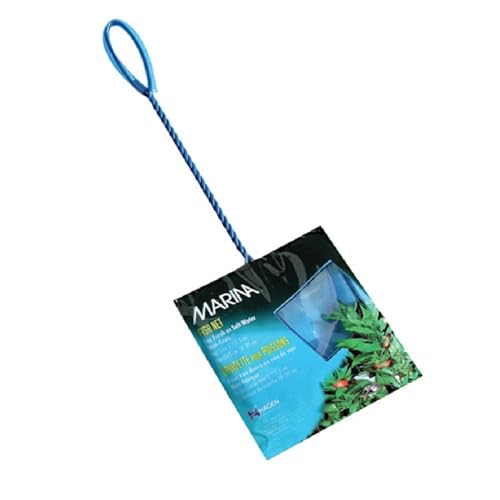
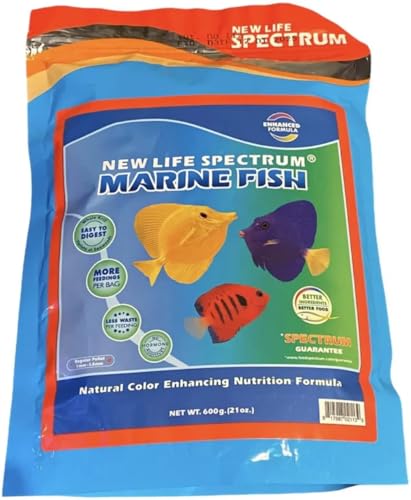
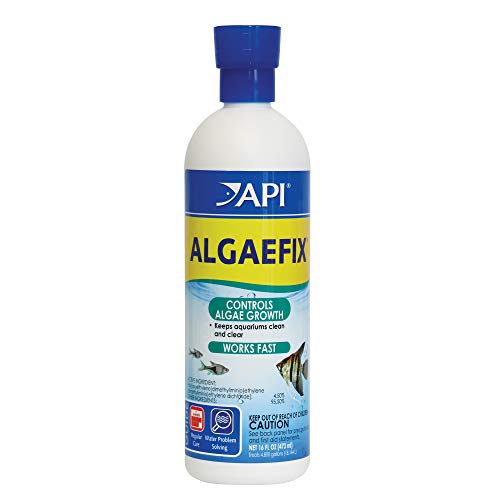
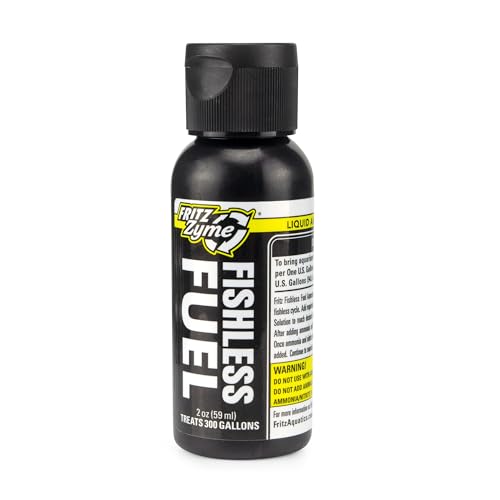
Top Saltwater Products
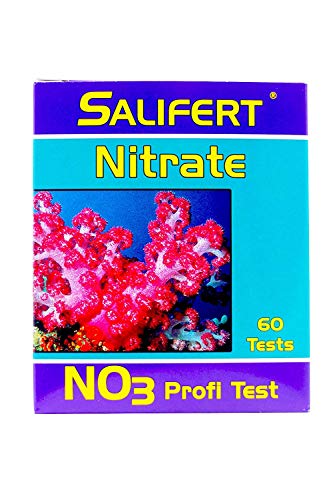
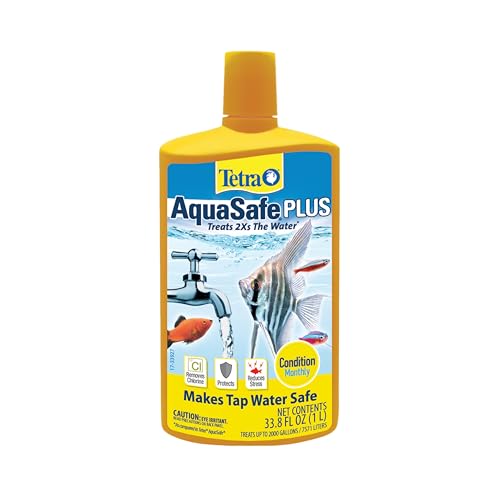
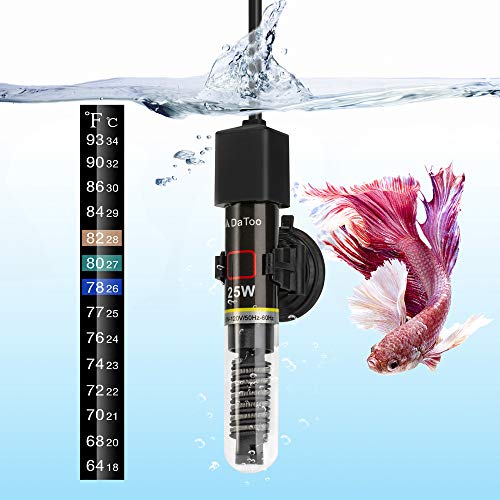
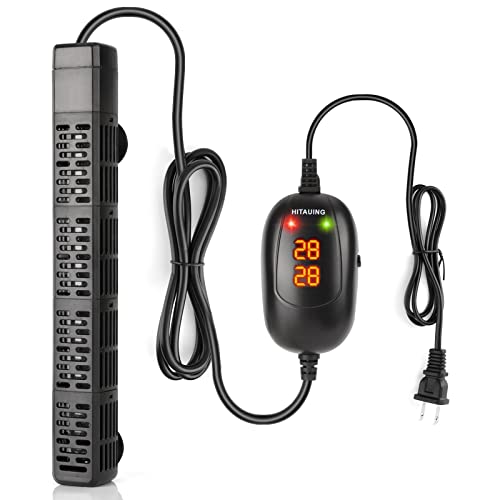
Reef-ready gear, researched with honest picks, no prices, and no hype.











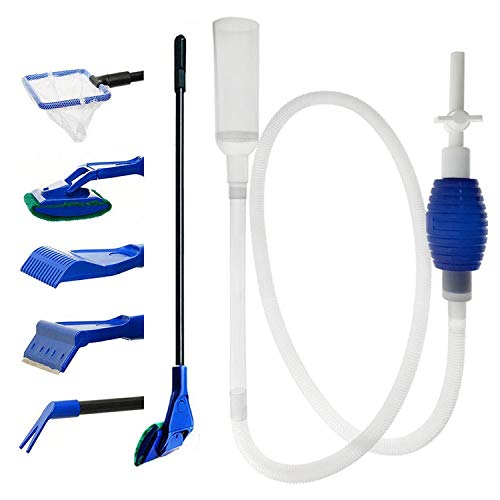







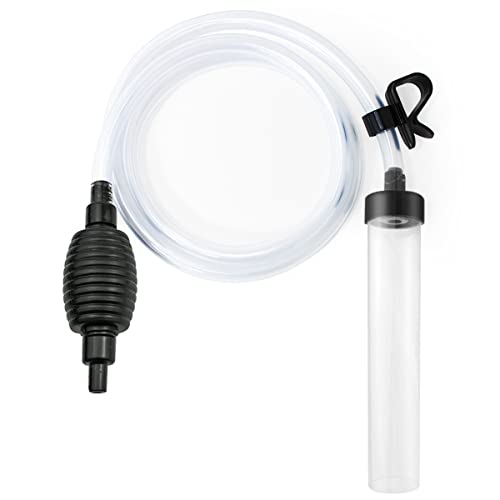
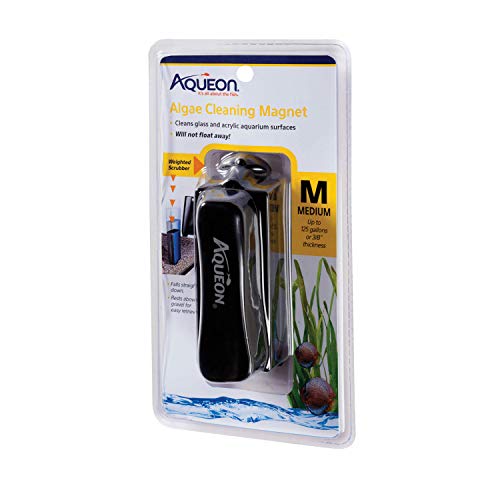


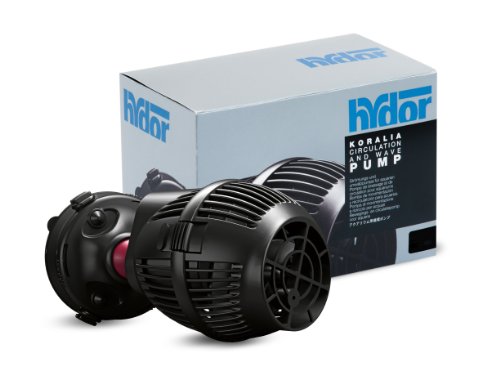


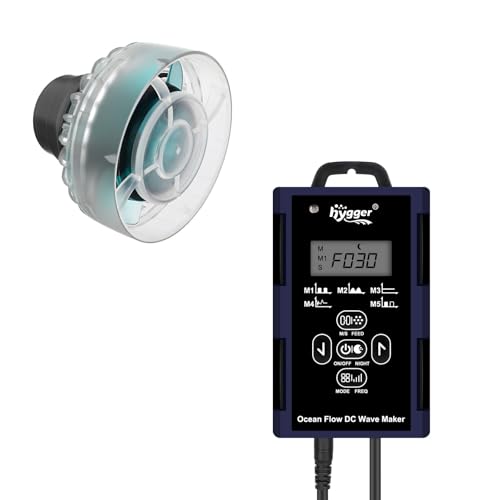
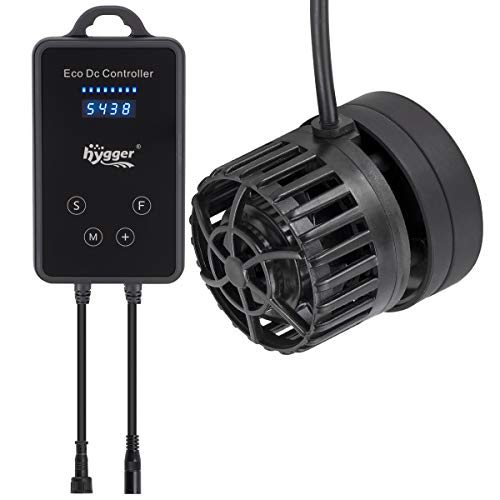


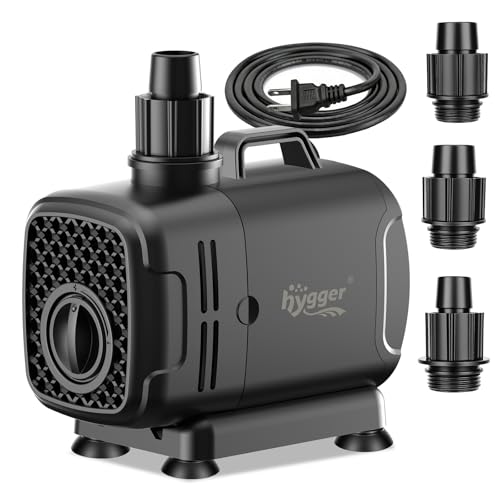
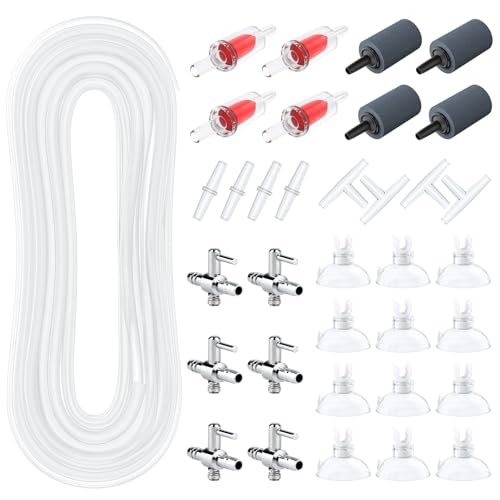


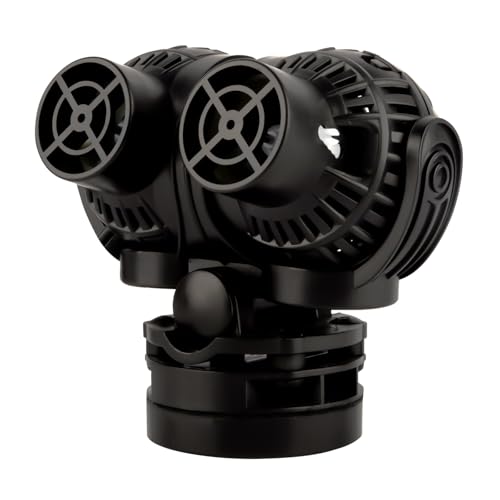

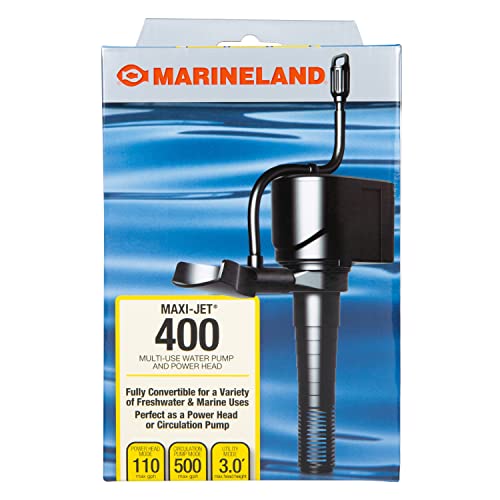












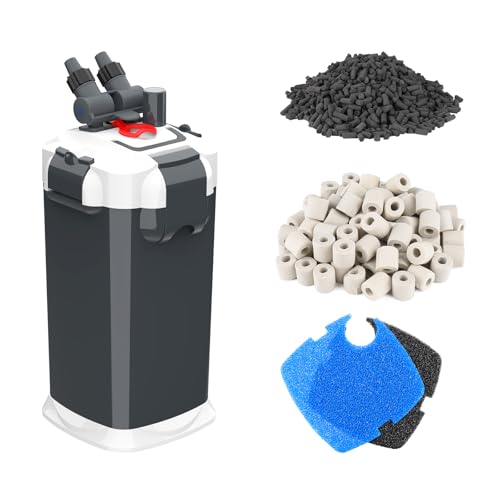

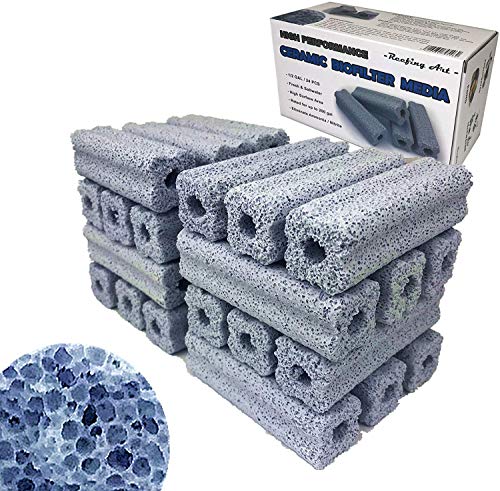

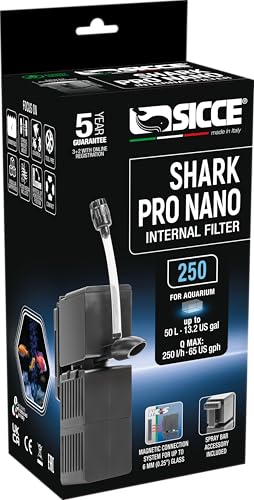


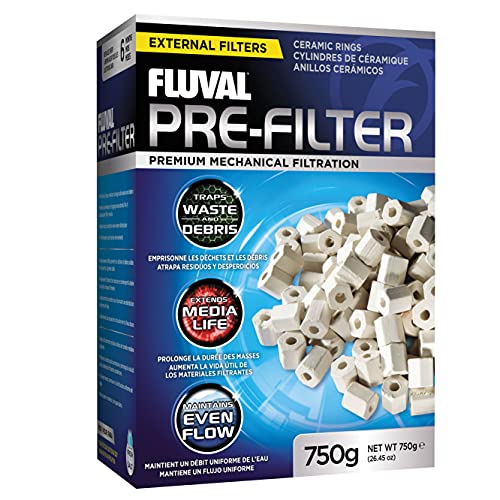











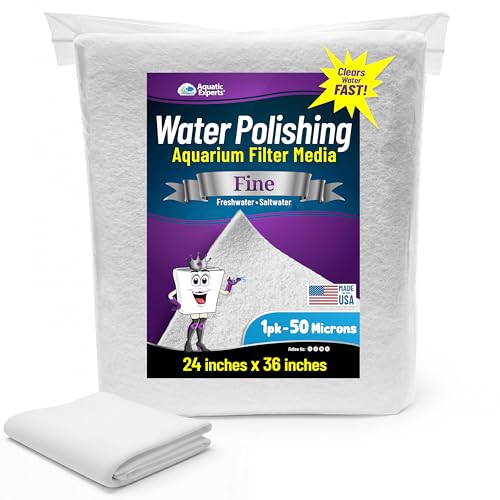


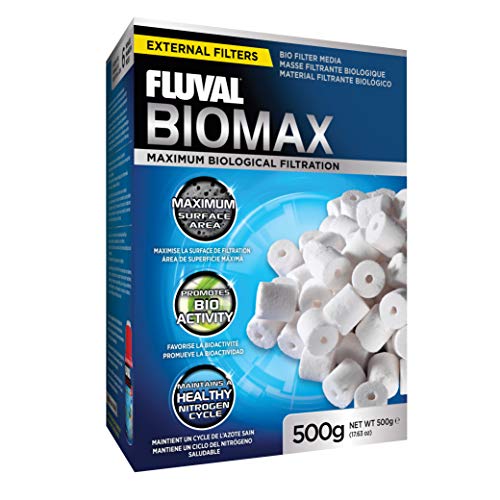


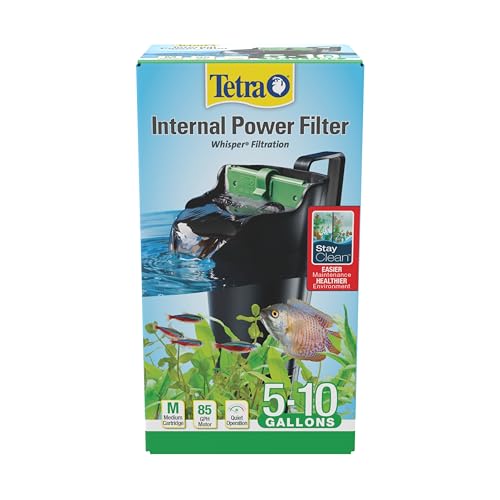


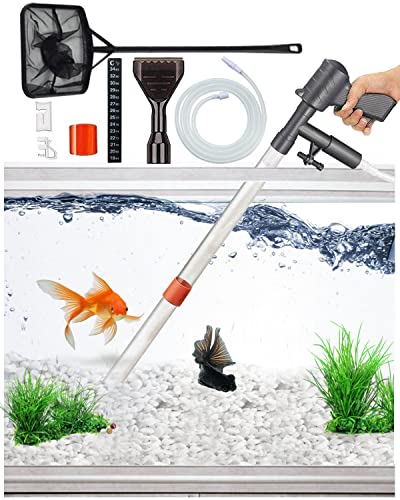






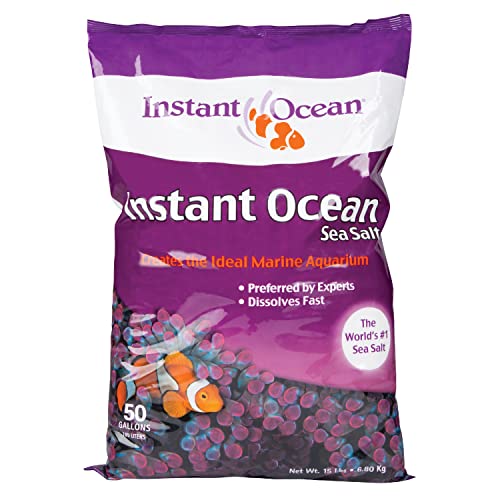


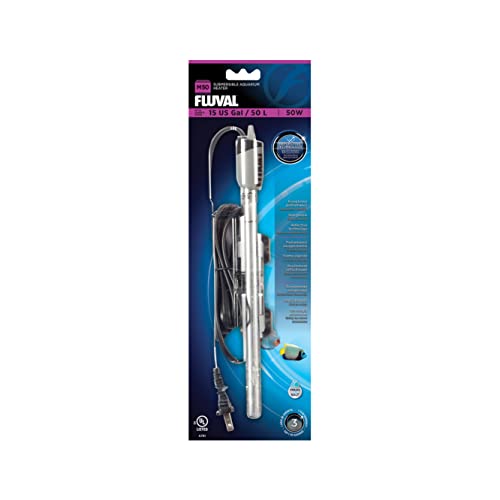


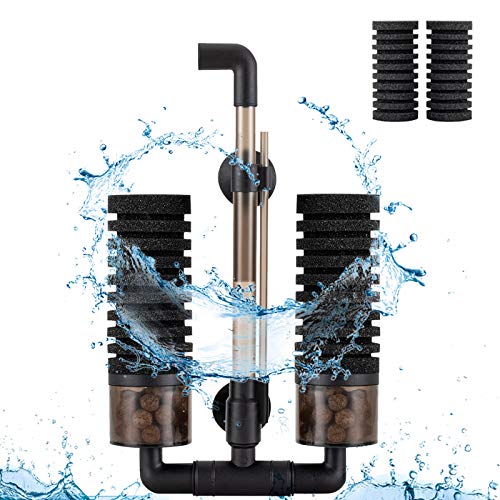


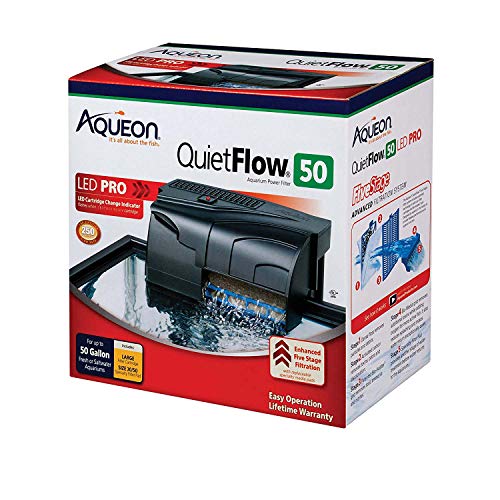





From the blog
Saltwater Guides & How-Tos
 SaltwaterGuides
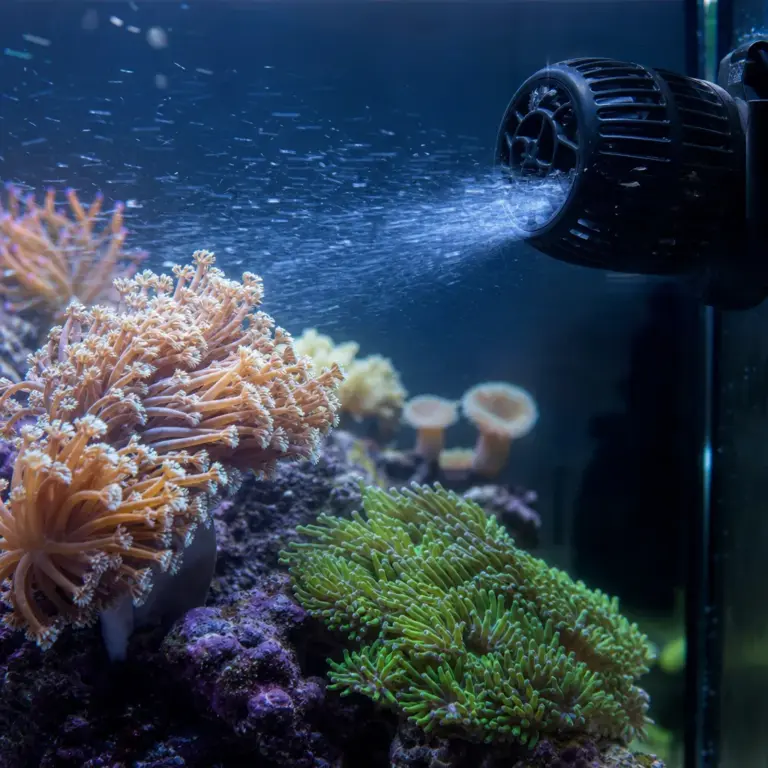
How to Choose the Right Powerhead for a Reef Tank
Water flow feeds corals and keeps detritus moving. Here is how to size a reef powerhead, choose a…
Read Article →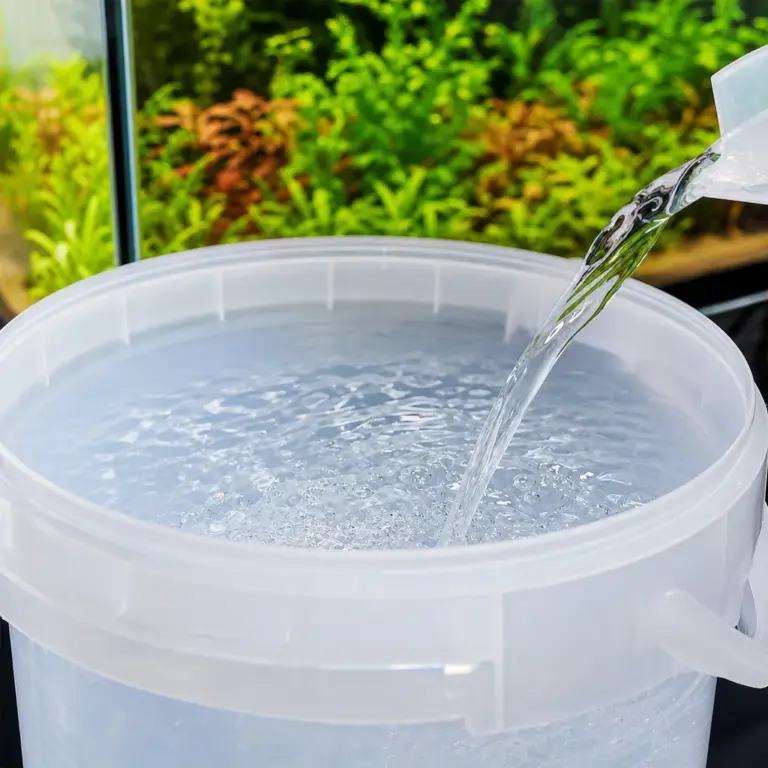 SaltwaterGuides
RO/DI Water for Reef Tanks: Do You Really Need It?
Tap water can quietly feed algae and harm corals. Here is what an RO/DI system removes, how each…
Read Article →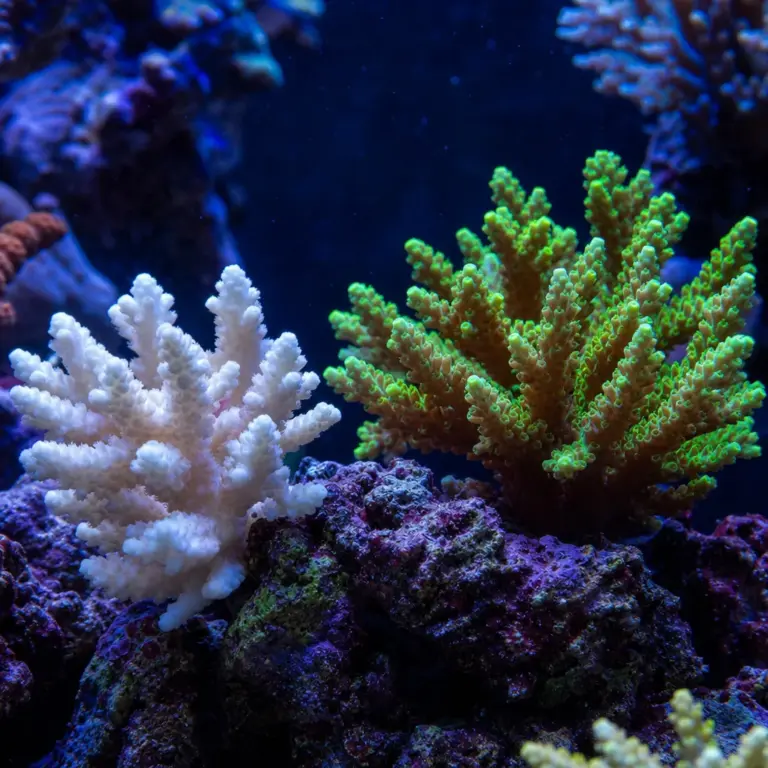 SaltwaterGuides
Why Are My Corals Not Growing or Losing Color?
Corals bleaching, browning, or stuck in place usually trace back to a handful of fixable water and light…
Read Article →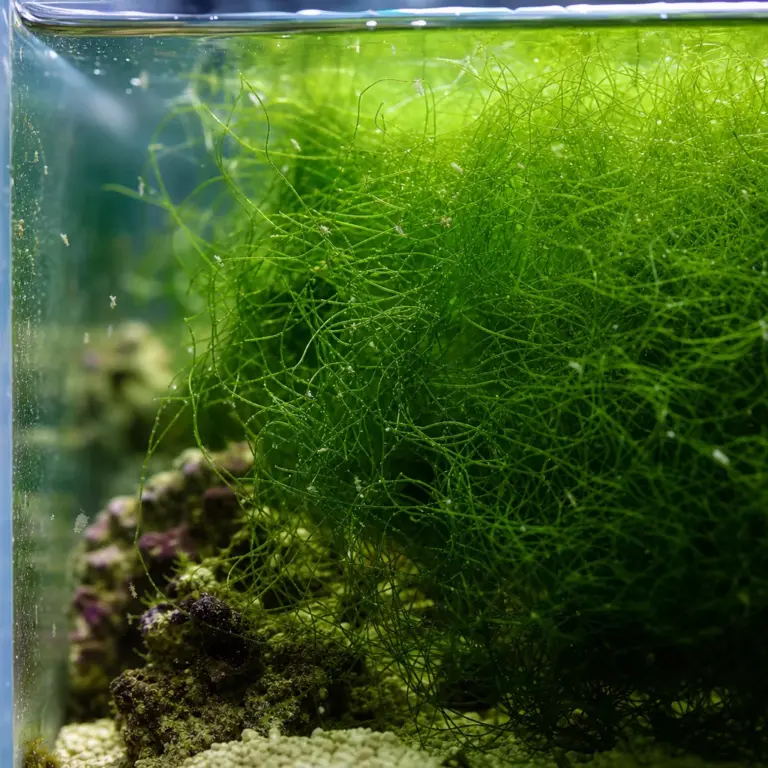 SaltwaterGuides
Refugium Basics: Do You Need One for Your Reef?
A refugium quietly exports nutrients, grows food, and buffers your reef. Here is what one actually does and…
Read Article →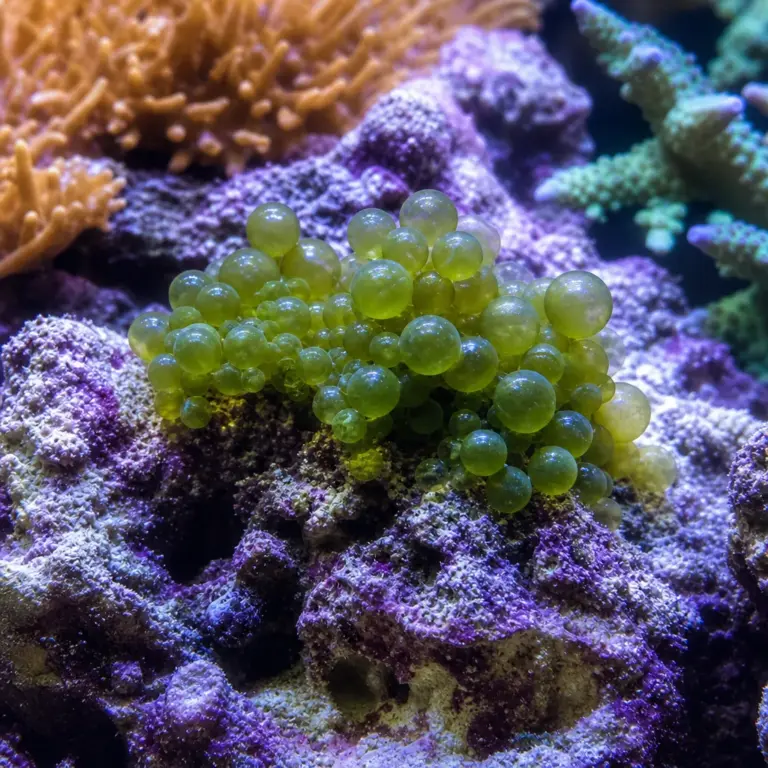 SaltwaterGuides
How to Get Rid of Bubble Algae in a Reef Tank
Bubble algae spreads when you pop it wrong. Here is how to remove it without seeding a hundred…
Read Article →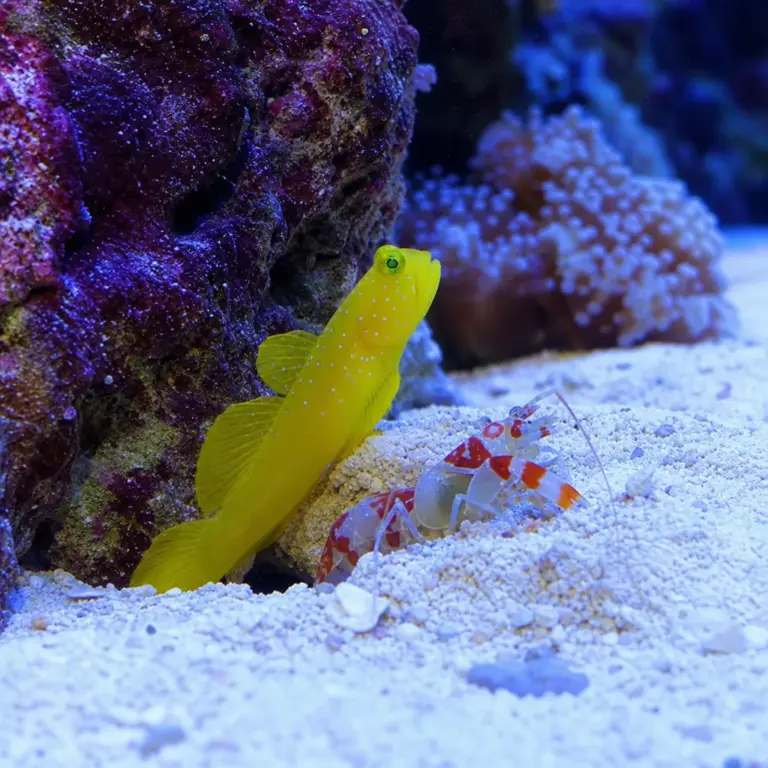 SaltwaterGuides
Goby and Pistol Shrimp Pairing Guide
One of the best relationships in a reef tank: a watchful goby and a burrowing pistol shrimp that…
Read Article →Saltwater & reef
Build a reef that thrives
Saltwater and reef tanks are the showpiece of the hobby: vivid corals, brilliant fish, and a living slice of the ocean in your home. They reward stability, and the right equipment makes that stability far easier to hold.
We research the gear reef keepers rely on: protein skimmers, salt mixes, reef lighting, test kits, heaters, and powerheads, and break down what’s worth your money at every budget. Just getting started? Our reef basics guides cover cycling, parameters, and adding your first corals.
What we help you dial in:
- Skimming and flow sized for your system
- Salt and supplements for steady chemistry
- Lighting that brings out coral color
- Testing routines that catch problems early
Newer to fishkeeping? Start with freshwater, or explore ponds.
Shop on Amazon →As an Amazon Associate we earn from qualifying purchases.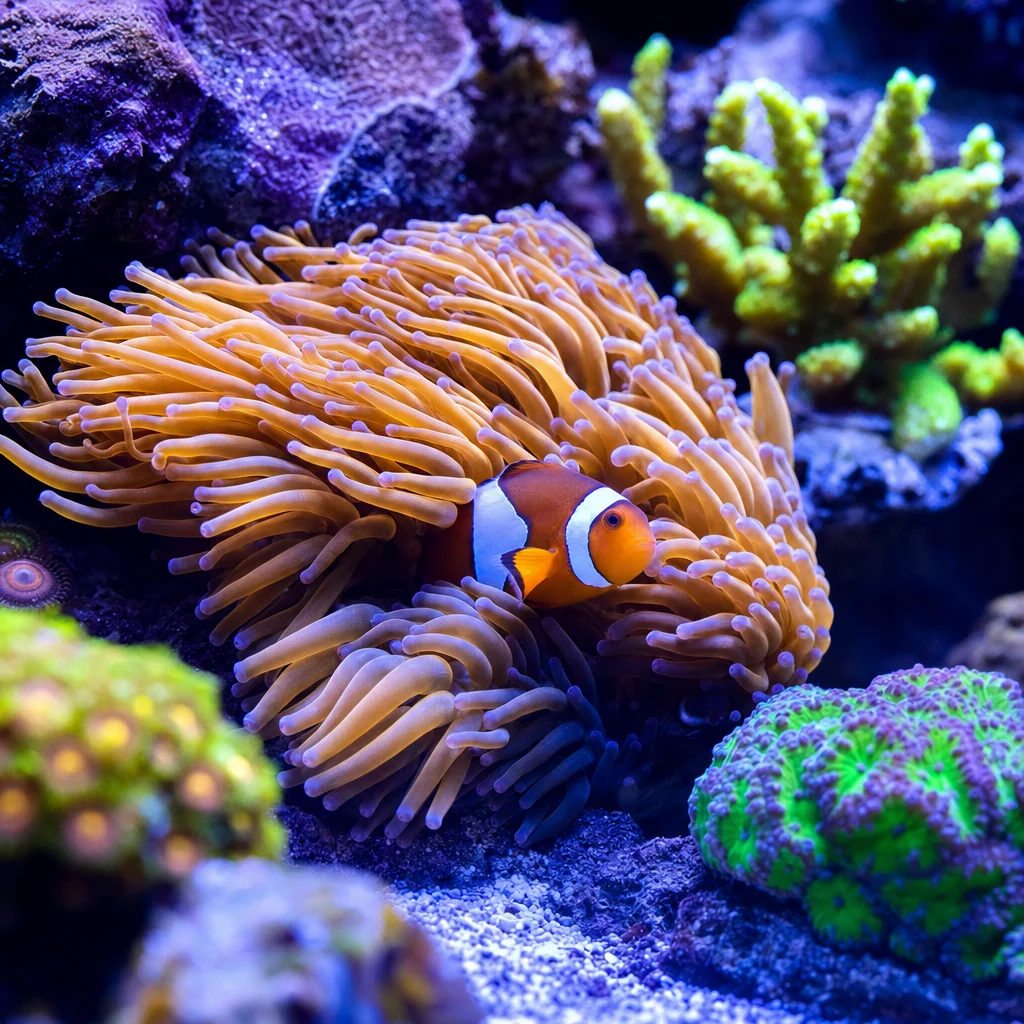
Saltwater FAQ
Common Saltwater Aquarium Questions
Quick, straight answers to the questions new saltwater and reef keepers ask most.
Is a saltwater aquarium harder to keep than freshwater?
Saltwater tanks take more equipment and consistency than freshwater, but they are very doable for a careful beginner. The main extra steps are mixing salt to the right salinity, running a protein skimmer, and keeping parameters stable. Start with a fish-only or simple setup before adding corals and the learning curve is manageable.
How long does it take to cycle a saltwater tank?
A saltwater tank usually cycles in 2 to 6 weeks, often faster when you start with quality live rock that seeds beneficial bacteria. As with freshwater, you are waiting for bacteria to convert ammonia to nitrite and then nitrate. Test until ammonia and nitrite read zero before adding livestock.
What equipment do I need to start a saltwater aquarium?
At minimum: a tank, a filter or sump, a heater, a powerhead for water flow, a protein skimmer, and a reef-quality light if you plan to keep corals. You will also need marine salt mix, a refractometer or hydrometer to measure salinity, live rock, and a test kit. Browse the saltwater gear we recommend below.
What is a protein skimmer and do I need one?
A protein skimmer removes dissolved organic waste from the water before it breaks down into nitrate, using fine bubbles to pull proteins out of the tank. For reef tanks and heavily stocked saltwater systems it is one of the most valuable pieces of equipment. Small or lightly stocked fish-only tanks can sometimes manage with frequent water changes instead.
What is live rock and why is it important?
Live rock is porous reef rock colonized by beneficial bacteria and small marine life. It is the biological backbone of most saltwater tanks, providing natural filtration and a home for corals and fish. A common guideline is about 1 to 1.5 pounds per gallon, arranged to allow open water flow.
What salinity should a saltwater aquarium be?
Most marine fish and reef tanks do best at a specific gravity of about 1.024 to 1.026, or roughly 35 ppt. Mix marine salt with RO/DI water, let it fully dissolve and reach temperature, then measure with a refractometer before adding it. Keep salinity stable, since sudden swings stress fish and corals.
What is the difference between a fish-only and a reef tank?
A fish-only tank keeps marine fish (often with live rock) and does not require intense lighting or pristine parameters. A reef tank also keeps corals and invertebrates, which need strong reef lighting, stable water chemistry, and good flow. Reef tanks are more demanding but more rewarding, and many hobbyists start fish-only and upgrade later.
How often should I do water changes in a saltwater tank?
A change of about 10 to 20 percent every one to two weeks suits most saltwater aquariums. Regular changes export nitrate and replenish the trace elements and minerals that corals consume. Always match the new saltwater to the tank in both temperature and salinity.
What are good beginner saltwater fish?
Hardy, forgiving choices include ocellaris clownfish, damselfish, royal grammas, and firefish. They adapt well and tolerate the small parameter swings a new tank can have. Add fish slowly so your biological filtration can keep pace with the bioload.
Do corals need special lighting?
Yes. Most corals feed through symbiotic algae and need reef-specific LED or T5 lighting at the right intensity and spectrum. Soft corals and LPS are more forgiving, while SPS corals demand stronger, more stable lighting. A standard fish-only tank does not need reef lights.