
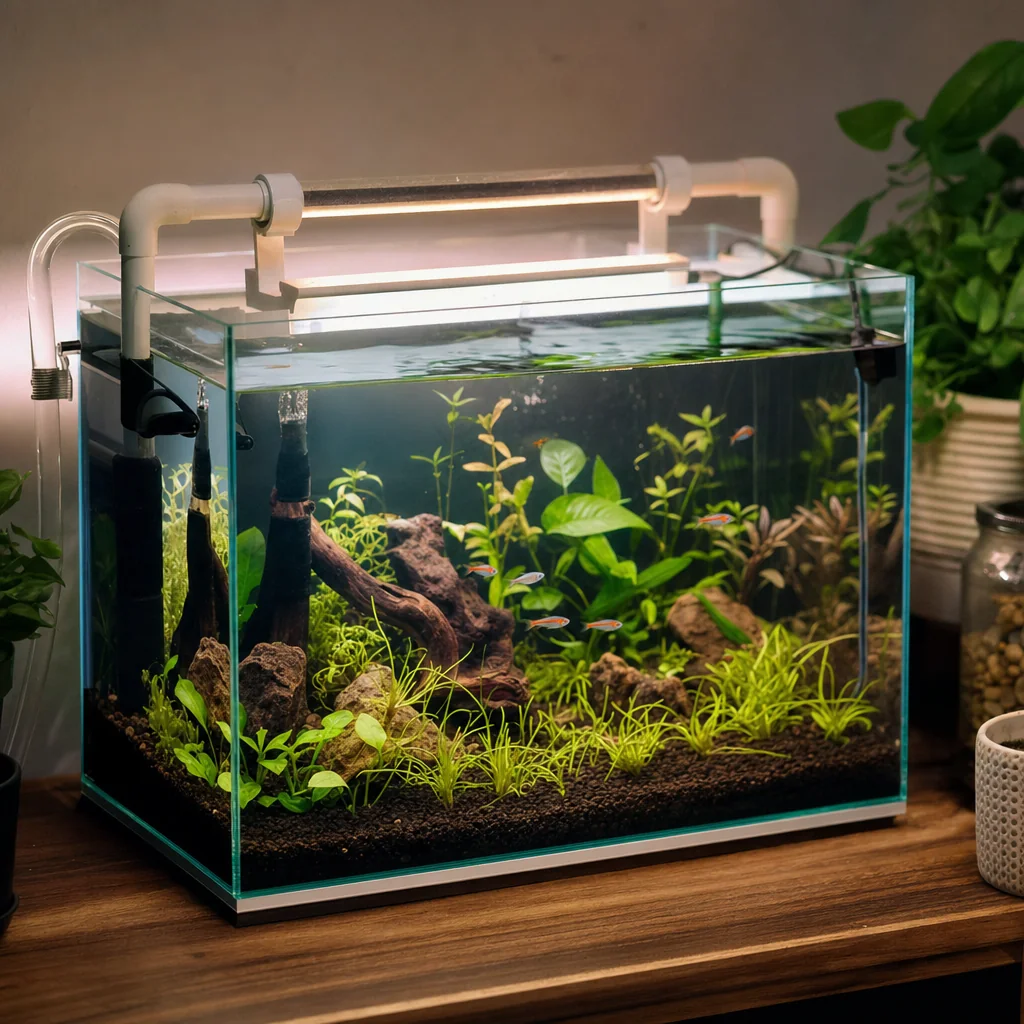
The aquarium hobby has a reputation for nickel-and-diming you to death, and it’s not entirely undeserved — there’s an endless catalog of gadgets, additives, and “must-have” products competing for your wallet. But here’s what experienced keepers know that the marketing won’t tell you: most of that spending is optional, and some of the most expensive habits actively make your tank worse. You can run a beautiful, healthy tank for far less than the hobby’s reputation suggests.
Saving money in this hobby isn’t about buying the cheapest version of everything. It’s about spending on what matters, skipping what doesn’t, and avoiding the false economies that cost you more down the line. Here’s how to do both.
Spend on What Matters, Skip What Doesn’t
The smartest money strategy is knowing where quality pays off and where it’s wasted.
Worth spending on
- A reliable heater — a failed heater can wipe out a tank. This isn’t the place to gamble.
- Good filtration — slightly oversized, quality filtration prevents problems that cost more to fix.
- A proper test kit — a liquid kit pays for itself by catching issues before they kill fish.
- Water conditioner — cheap insurance against chlorine damage.
Easy to skip or downgrade
- Most water additives and “clarifiers” — a healthy, well-maintained tank rarely needs them.
- Disposable filter cartridges — reusable media is cheaper and better (more on this below).
- Expensive branded decor — fish don’t care about brand names.
- Bacterial supplements after cycling — useful to kickstart a cycle, unnecessary forever after.
Stop Replacing What You Can Reuse
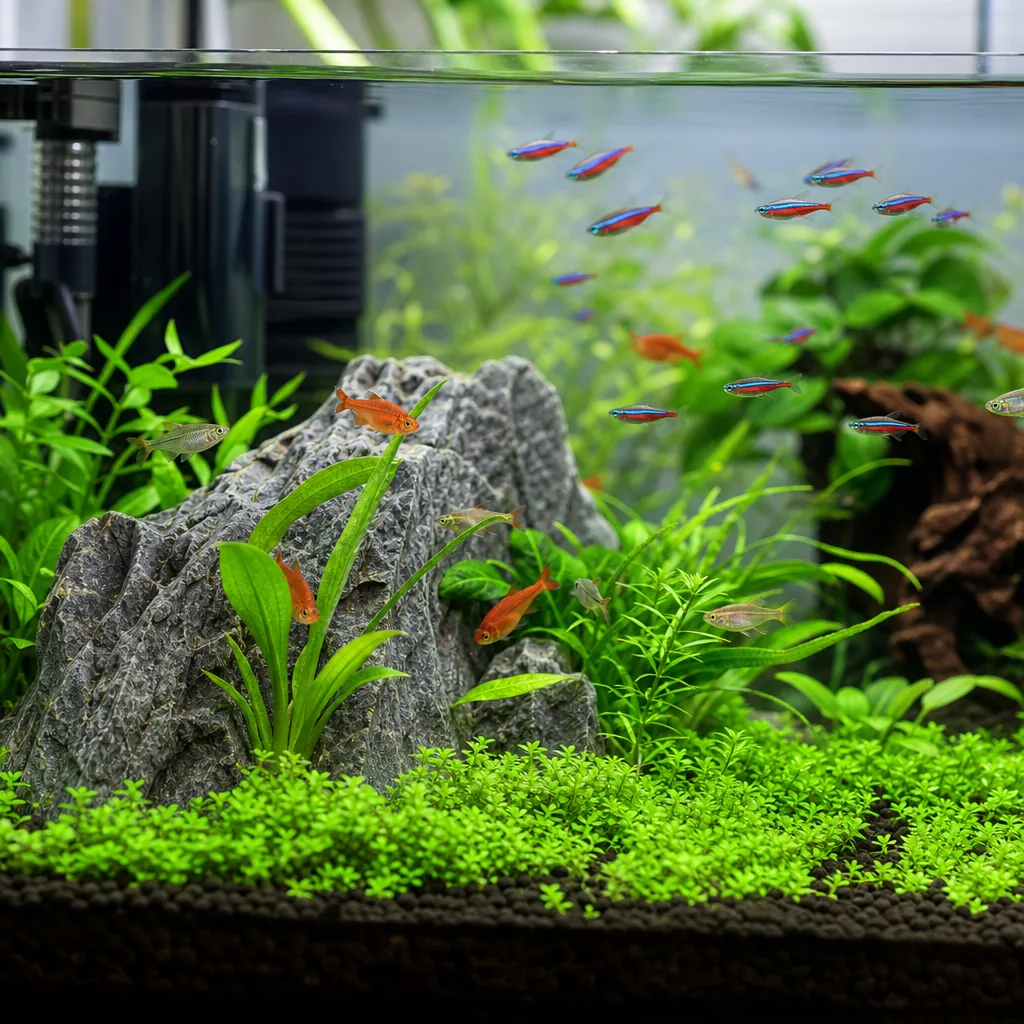
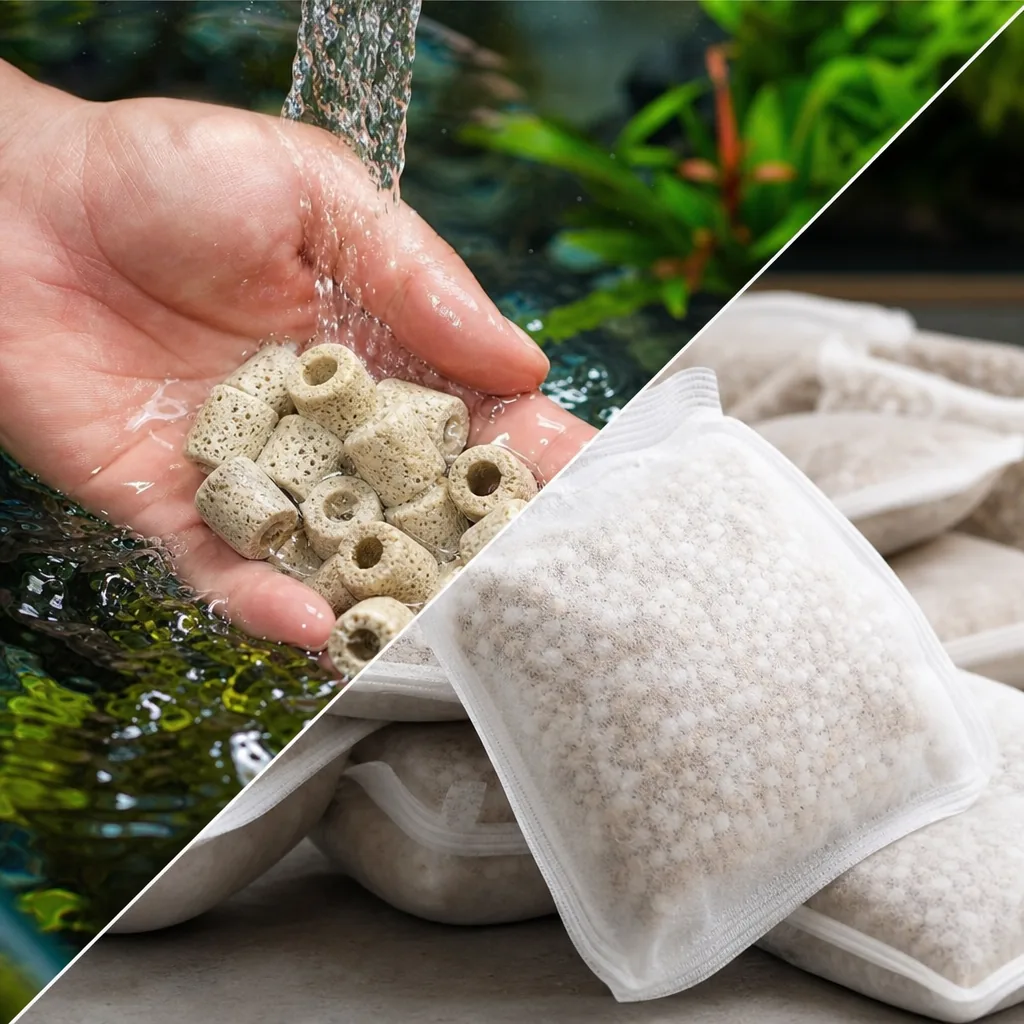
The single biggest ongoing waste in the hobby is disposable filter cartridges. The packaging tells you to replace them monthly, which costs money indefinitely and — worse — throws away the beneficial bacteria living on them every time. Switch to reusable mechanical and biological media: sponges, filter floss, and ceramic rings. Rinse them in old tank water when flow slows, and they last for years. You’ll save money every month and keep a more stable biofilter as a bonus. Our filter guide explains how to set up reusable media.
Buy Smart, Not Just Cheap
Avoid false economies
The cheapest heater that fails, the bargain tank that leaks, the undersized filter you have to replace — these cost more than buying it right the first time. Spend a little more on the equipment that protects your livestock, and save on the genuinely optional stuff.
Time your purchases
- Complete starter kits often cost less than buying each component separately — a good deal if the included gear is decent.
- Watch for sales on consumables you’ll always use, like conditioner and test reagents, and buy a bit ahead.
- Check our gear shop when planning a setup so you can compare options rather than grabbing the first thing at a store.
Source Fish and Plants Cheaply
Livestock costs add up, but there’s a thriving secondary economy if you know where to look.
- Local fish clubs and hobbyist groups are gold mines for affordable, healthy, locally bred fish, plants, and even free clippings.
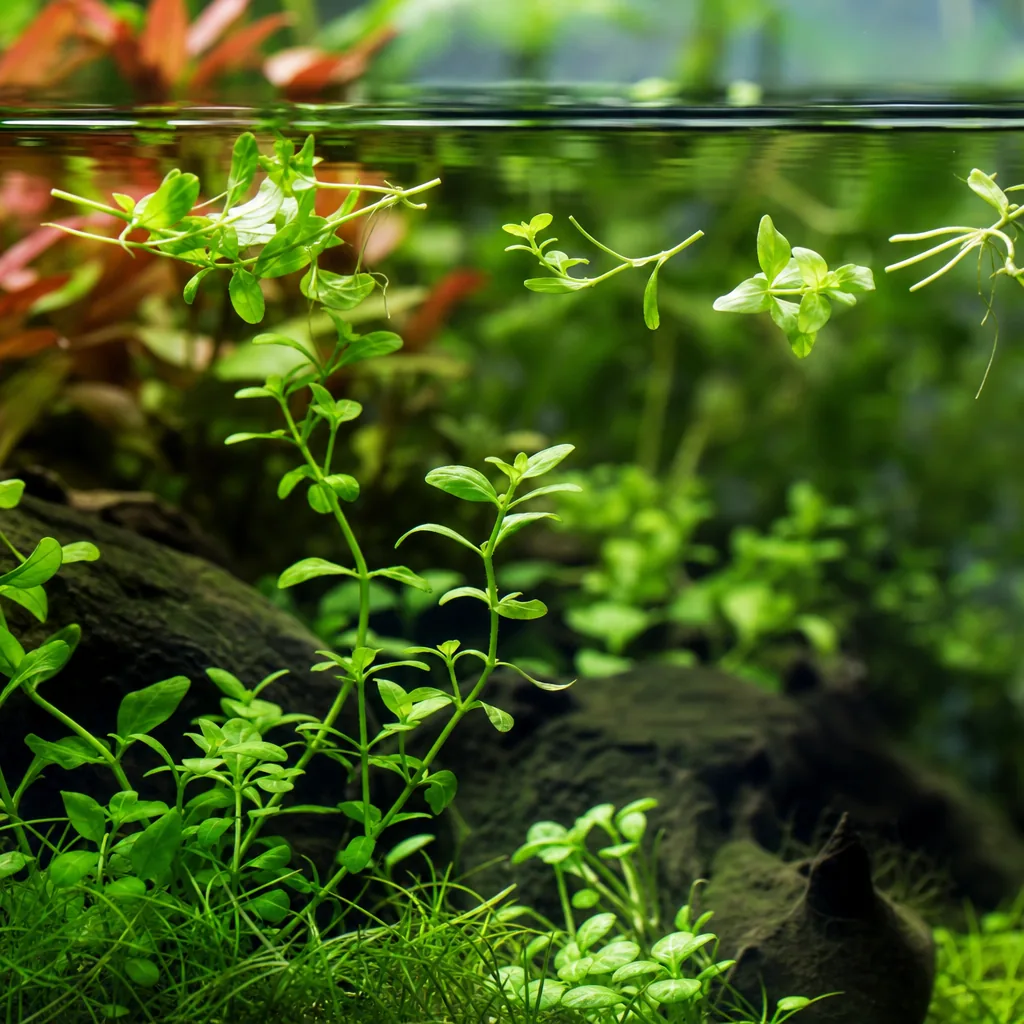
- Plants propagate themselves. Buy a few stems of a fast grower and you’ll soon be trimming more than you can use — trade the excess for other species.
- Breeding common livebearers or shrimp can offset costs and even fund the hobby over time.
- Buy hardy, healthy stock rather than cheap, stressed fish — a bargain fish that dies isn’t a bargain.
Cut Running Costs
The ongoing costs of a tank — electricity, water, consumables — are modest but worth trimming.
- Insulate and lid the tank to reduce heat loss and evaporation, easing the load on your heater.
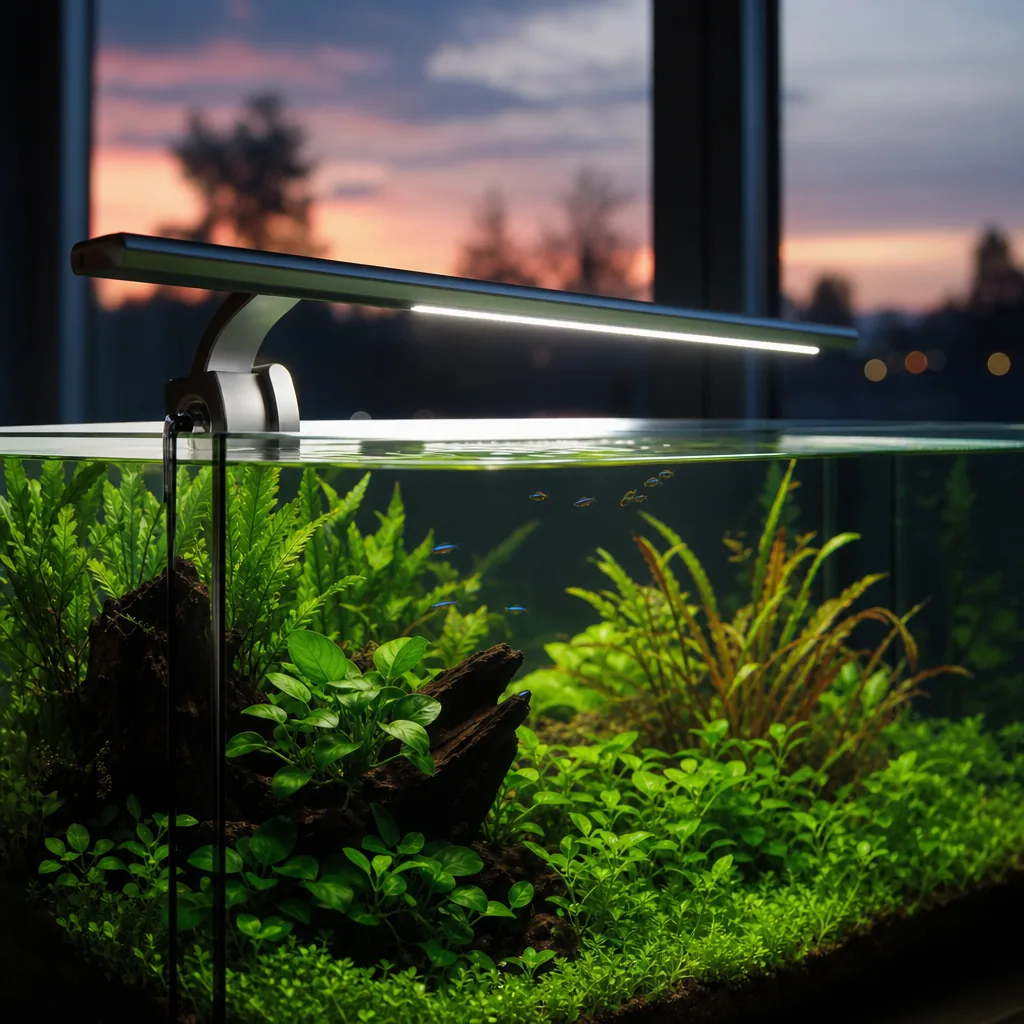
- Use efficient LED lighting on a timer — it sips power and lasts for years.
- Right-size your equipment. A heater appropriate to your tank volume runs less than an undersized one straining to keep up.
- Maintain consistently. Regular small maintenance prevents the expensive crises — die-offs, equipment failures, algae takeovers — that cost real money to recover from.
The Most Expensive Mistake: Neglect
Counterintuitively, the costliest thing you can do is skimp on maintenance to save time. A neglected tank crashes, and replacing dead fish, fixing fouled water, and battling algae blooms costs far more than the modest effort that would have prevented them. The cheapest tank to run is a well-maintained one. Consistency is free, and it’s the best money-saver in the hobby.
Final Thoughts
Fishkeeping is as expensive as you let it be. Spend deliberately on the equipment that protects your fish, reuse media instead of replacing cartridges, source livestock and plants through hobbyist channels, and lean on consistent maintenance to avoid costly crises. Do that and you’ll run a thriving freshwater tank for a fraction of what the hobby’s reputation — and the gadget catalog — would have you believe.
Frequently Asked Questions
What’s the biggest waste of money in the hobby?
Disposable filter cartridges that the packaging tells you to replace monthly. Reusable sponge and biological media cost less, last for years, and preserve your beneficial bacteria instead of throwing it away.
Where should I not cut corners?
On the heater, filtration, water conditioner, and a quality test kit. These protect your livestock, and a cheap failure in any of them can cost you a whole tank.
Are water additives and supplements necessary?
Rarely — a well-maintained tank seldom needs clarifiers or ongoing additives. Bacterial supplements help kickstart a cycle but are unnecessary afterward, so most of the additive aisle is optional.
How can I get fish and plants cheaply?
Local fish clubs and hobbyist groups offer affordable, healthy, locally bred stock and free plant clippings. Plants also propagate quickly, so a few stems soon become tradeable surplus.
Does skipping maintenance save money?
No — it’s the most expensive mistake you can make. Neglect leads to crashes, dead fish, and algae battles that cost far more than the small, consistent maintenance that would have prevented them.