
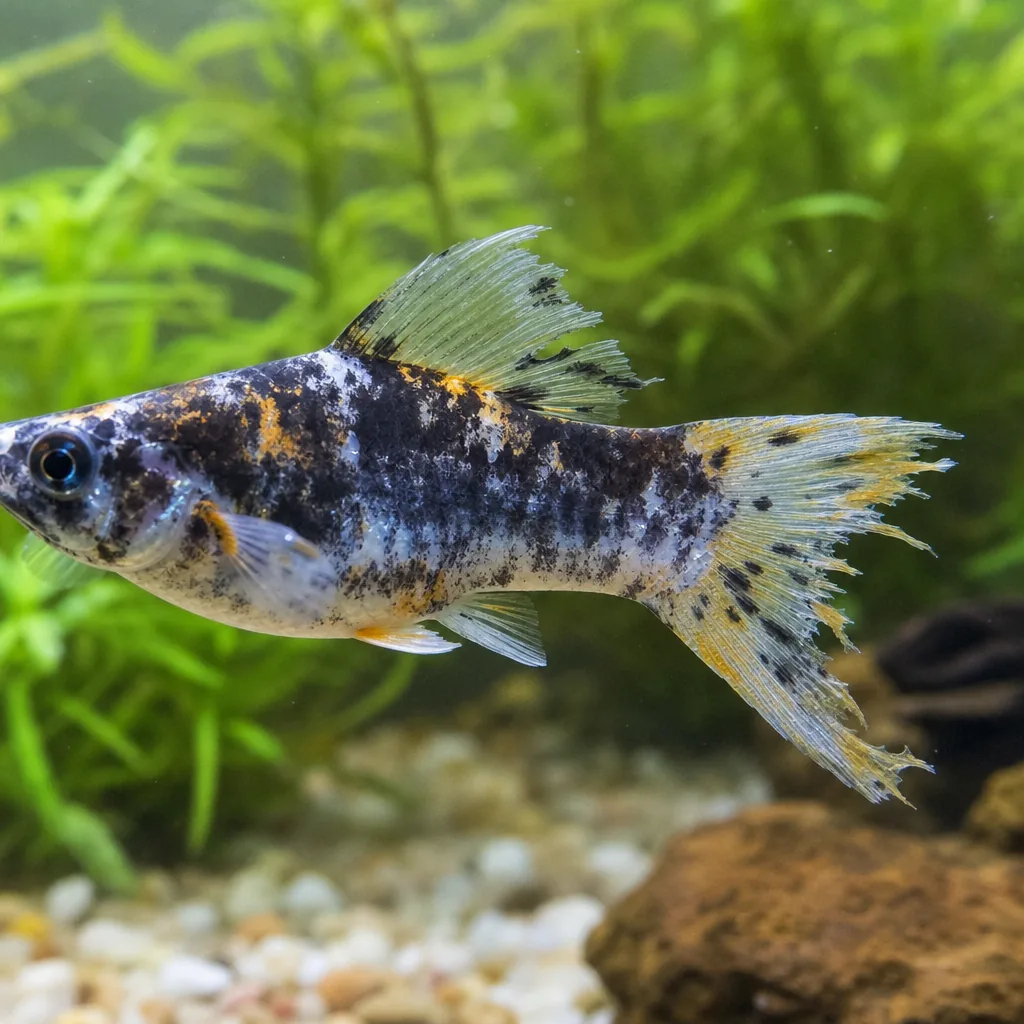
Fin rot is probably the most common ailment new fishkeepers run into, and it is also one of the most treatable if you catch it early. The trouble is that people either miss the early signs or panic and dump medication in without fixing the real cause. Let me walk you through recognizing it accurately and dealing with it before it spreads.
What Fin Rot Actually Is
Fin rot is a bacterial or fungal infection that attacks the fins and tail, eating away at the tissue from the edges inward. It is almost always opportunistic, meaning it takes hold when a fish is already stressed or living in poor water. Healthy fish in a clean, stable tank rarely develop it.
That is the key insight. Fin rot is less a random infection and more a signal that conditions have slipped. If you treat the fins but ignore the cause, it comes right back.
How to Identify Fin Rot Early
The earlier you spot it, the easier the fix. Watch for these progressive signs:
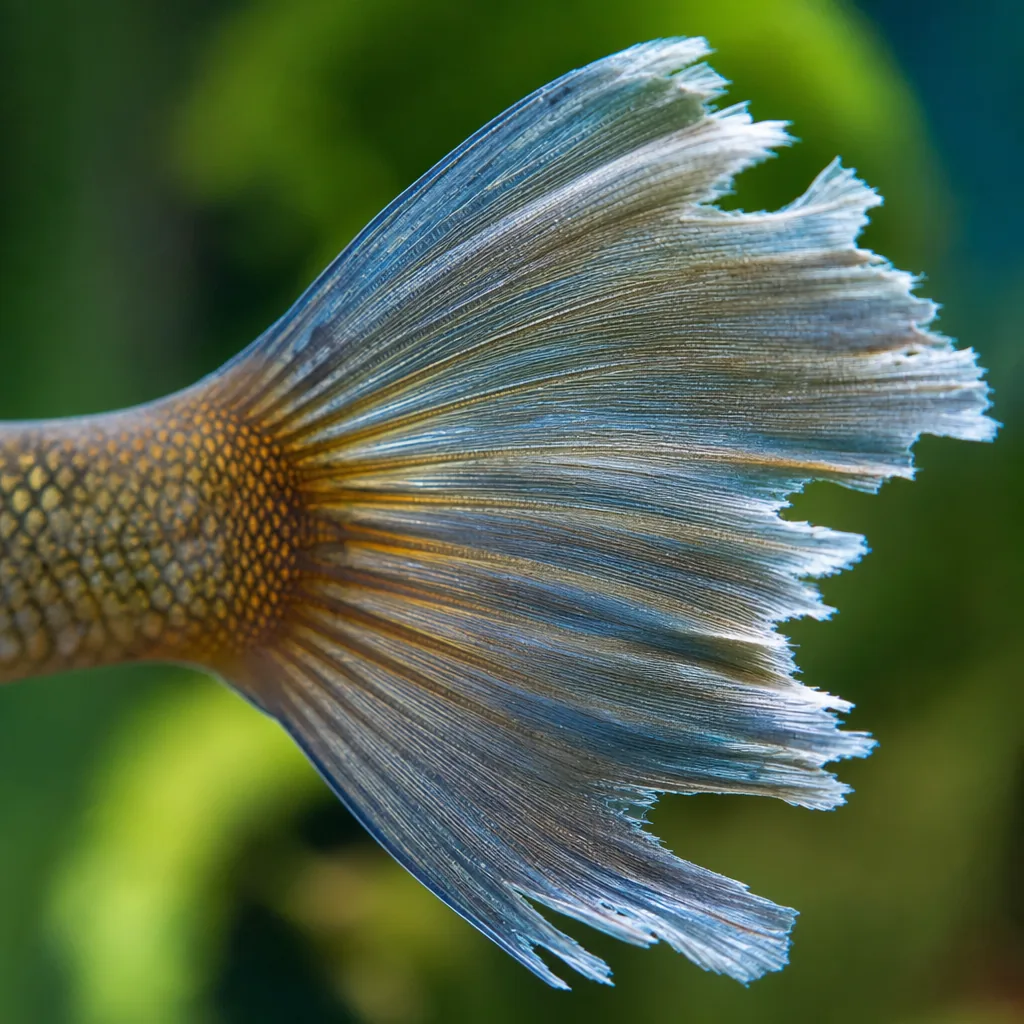
- Fin edges that look ragged, frayed, or torn rather than smooth.
- Discoloration at the fin margins, often white, brown, or blackened edges.
- Fins that appear to be shrinking or receding over days.
- A milky or cottony film in more advanced or fungal cases.
- In late stages, the rot reaching the base of the fin and into the body, which is dangerous.
Do not confuse fin rot with simple physical damage. Torn fins from a sharp decoration or a nippy tankmate will heal on their own in clean water. Fin rot keeps progressing and the edges look infected rather than cleanly torn.
What Causes It
Because fin rot is opportunistic, the causes are almost always environmental or stress related:
- Poor water quality, especially ammonia and nitrite spikes.
- An uncycled or overloaded filter.
- Overcrowding and the stress that comes with it.
- Fin nipping from aggressive tankmates, which creates entry wounds.
- Sudden temperature swings or chronic cold.
Solve the cause and you solve half the problem. Medication alone in dirty water is a losing battle.
How to Treat Fin Rot Fast
Here is the approach I trust, in order of priority.
1. Fix the water first
Test for ammonia, nitrite, and nitrate. Perform a water change to bring parameters back in line, and keep up with more frequent changes during treatment. In mild, early cases, clean water alone often turns things around, because it removes the bacterial load and lets the fish’s immune system do its job.
2. Isolate if you can
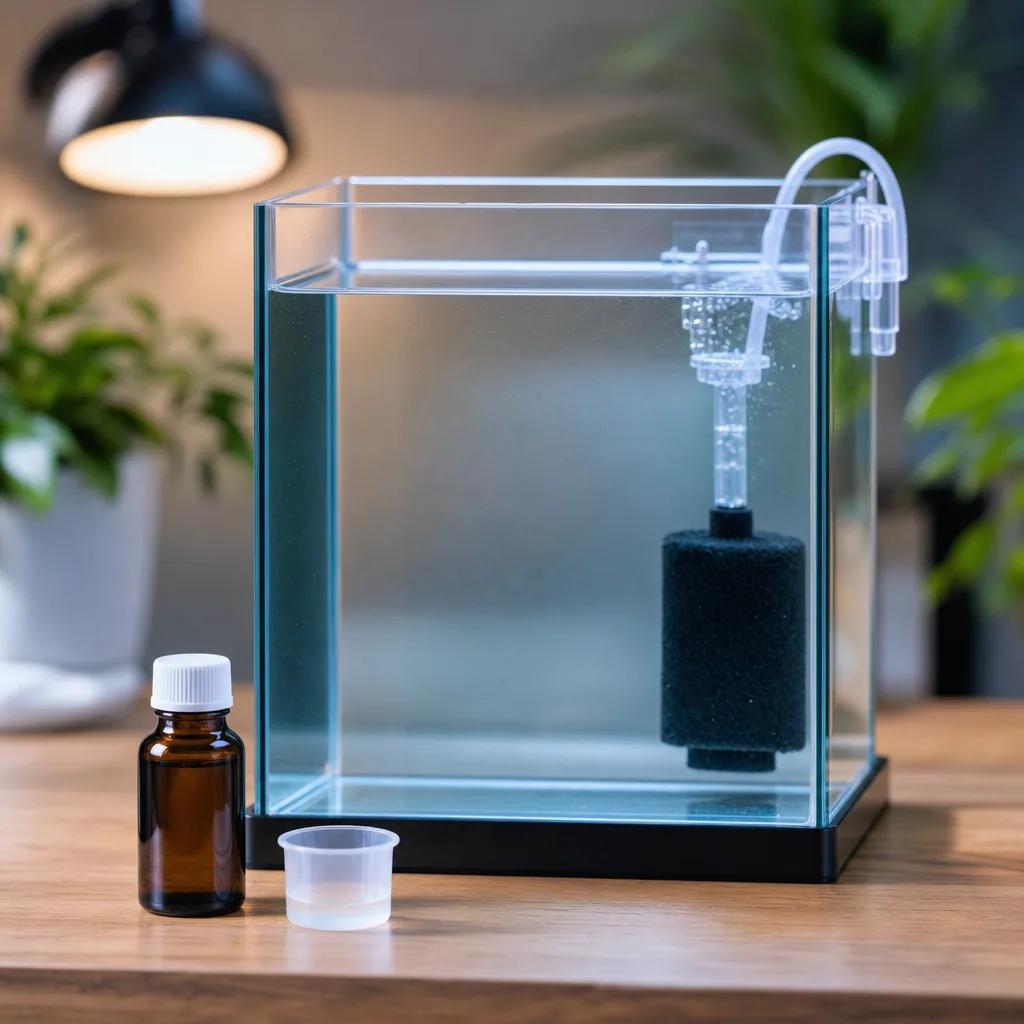
If only one fish is affected and you suspect an infection is spreading, a hospital tank lets you medicate without harming your main tank’s beneficial bacteria.
3. Add medication for moderate to severe cases
If the rot is advancing despite clean water, an aquarium antibacterial or antifungal treatment is warranted. Choose one matched to the symptoms, follow the dosing instructions exactly, and complete the full course rather than stopping the moment fins look better.
4. Support recovery
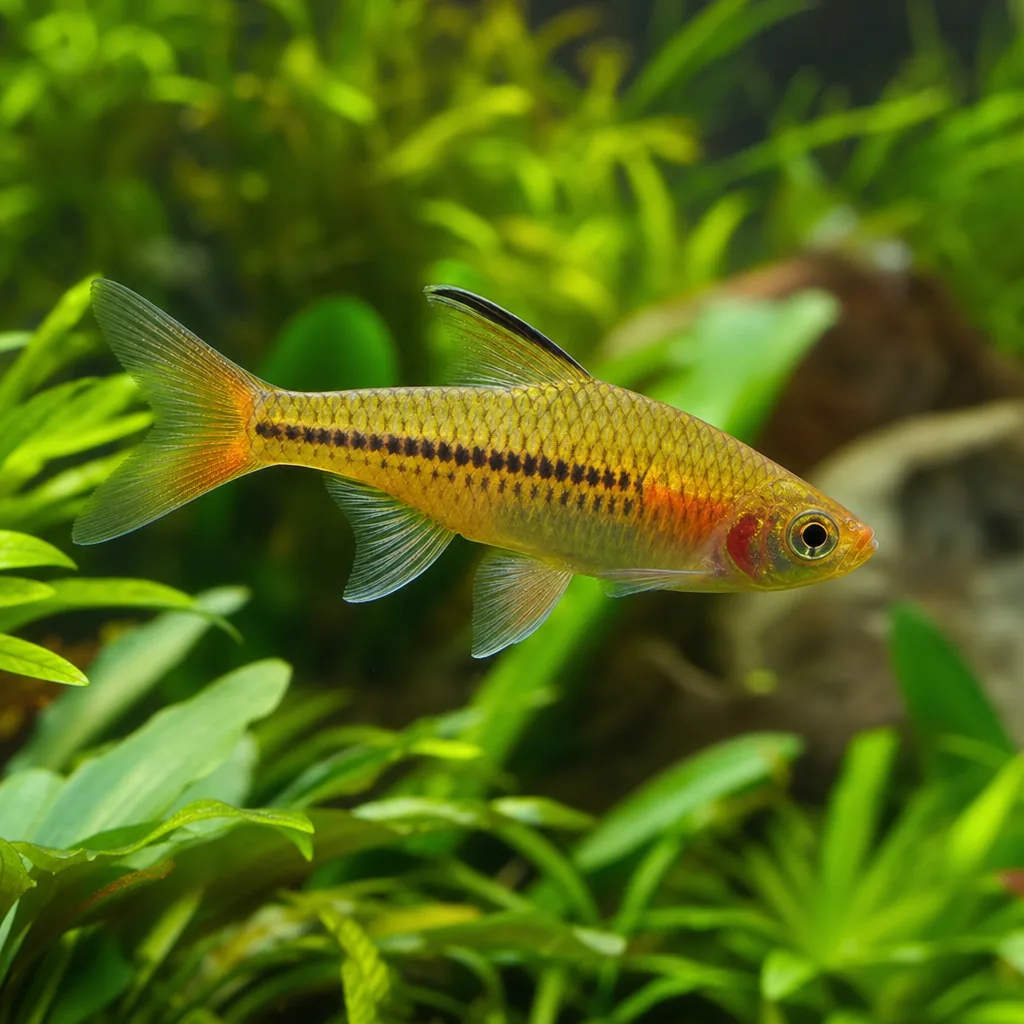
Keep the temperature stable, feed a quality varied diet, and minimize stress. Fins can regrow surprisingly well once the infection is beaten, though regrown tissue may look slightly different in color at first.
How Long Recovery Takes
With early treatment and clean water, you often see the rot stop advancing within a few days, and fin regrowth begins over the following weeks. Severe cases that have reached the fin base take longer and carry a worse outlook, which is exactly why fast identification matters so much.
Preventing It From Coming Back
Prevention is just good fishkeeping. Keep your filter healthy, avoid overstocking, and stay consistent with water changes. Match your fish to compatible tankmates so fin nipping is not an issue, and quarantine newcomers before they join the display tank.
Solid equipment makes consistency far easier, and you can find dependable filters and test kits in our shop. For stocking and compatibility guidance that prevents stress in the first place, our freshwater section is a good next stop, and you can dig into more health topics across the blog.
Frequently Asked Questions
Will fin rot heal on its own?
Very mild early fin rot can stop and reverse with clean water alone, because good conditions let the fish’s immune system win. Moderate or advancing cases need medication, since they will keep spreading otherwise.
How do I tell fin rot from a torn fin?
A torn fin looks cleanly damaged and heals in clean water. Fin rot has ragged, discolored, infected-looking edges that keep receding over days rather than healing.
Do fins grow back after fin rot?
Yes, once the infection is beaten and water is clean, fins usually regrow over several weeks. The new tissue may look slightly lighter or different in color at first, which is normal.
Is fin rot contagious?
The bacteria and fungi involved can affect other stressed or wounded fish, so isolating a badly affected fish and fixing water quality protects the rest of the tank.
Can aquarium salt cure fin rot?
Aquarium salt can support recovery and reduce stress in some cases, but it is not a reliable standalone cure for moderate to severe fin rot. Clean water plus a proper antibacterial treatment is more dependable.