
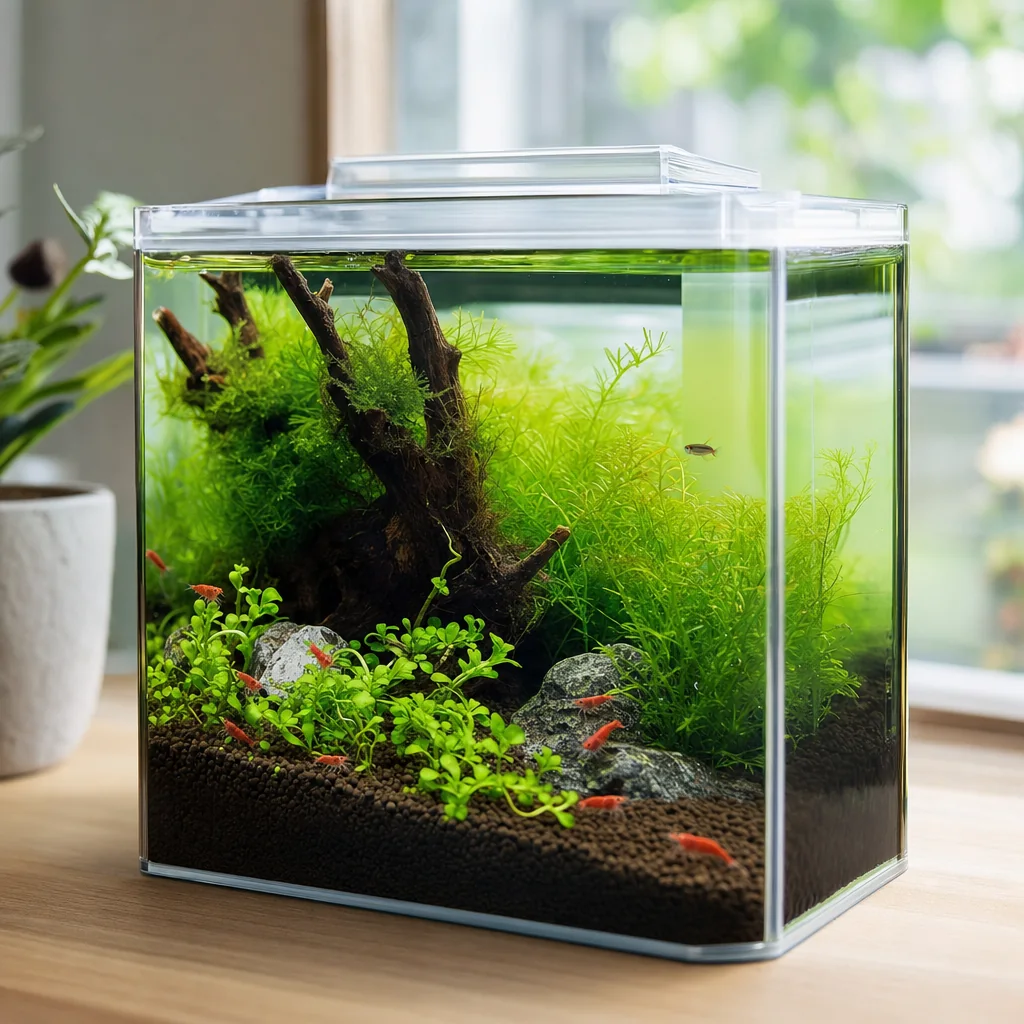
Nano tanks have an undeniable appeal. They tuck onto a desk or shelf, cost less to set up, and a well-aquascaped little tank can be a tiny living jewel. It’s no surprise that small aquariums — generally those under about ten gallons — have become a hugely popular entry point and a favorite of experienced keepers alike.
But there’s a persistent myth worth clearing up immediately: small does not mean easy. In some ways a nano tank demands more care and precision than a larger one, not less. If you go in understanding that, a nano can be one of the most rewarding tanks you’ll keep. Go in expecting a low-effort starter and it can frustrate you fast.
What Counts as a Nano Tank?
There’s no official line, but “nano” generally refers to tanks of roughly ten gallons or less, with the smallest going down to just a gallon or two. The popular sweet spot tends to sit in the five-to-ten gallon range, which balances charm with enough water volume to stay reasonably stable.
The Honest Trade-Off: Small Means Less Forgiving
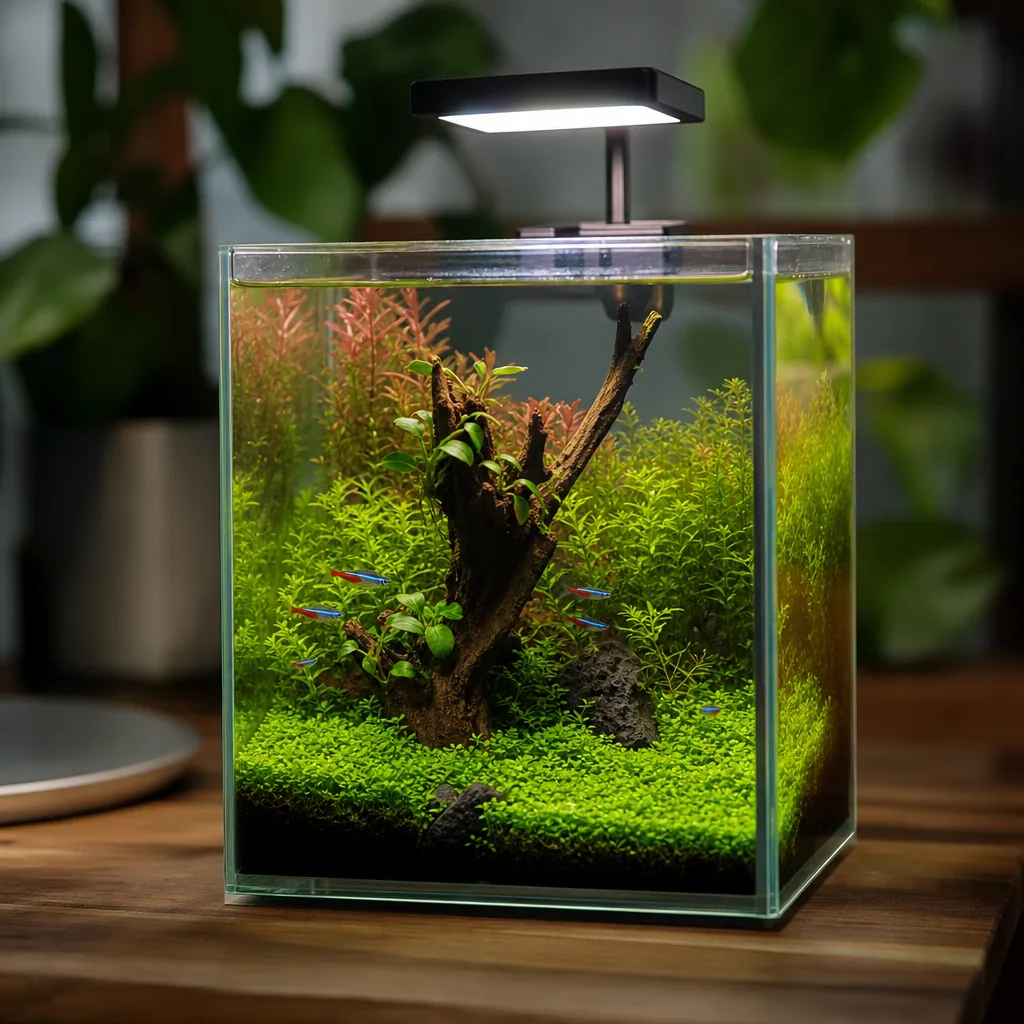
Here’s the core truth experienced keepers will tell you. The same dilution principle that makes big tanks forgiving works against you in a nano. A small water volume means parameters swing fast — temperature, pH, ammonia, nitrate. A mistake that a large tank would shrug off can become an emergency in a nano within hours.
That doesn’t make nano tanks bad; it makes them tanks for attentive keepers. They reward consistency and punish neglect more sharply. If you’re drawn to a nano as your very first tank, go in knowing you’ll need to stay on top of maintenance — or consider starting a size up. Our tank size guide weighs the trade-offs.
What to Stock in a Nano Tank
Stocking is where nanos shine or fail. The small volume means you must choose small species and stock lightly. The best nano residents are tiny, peaceful, and bioload-light.
Great nano choices
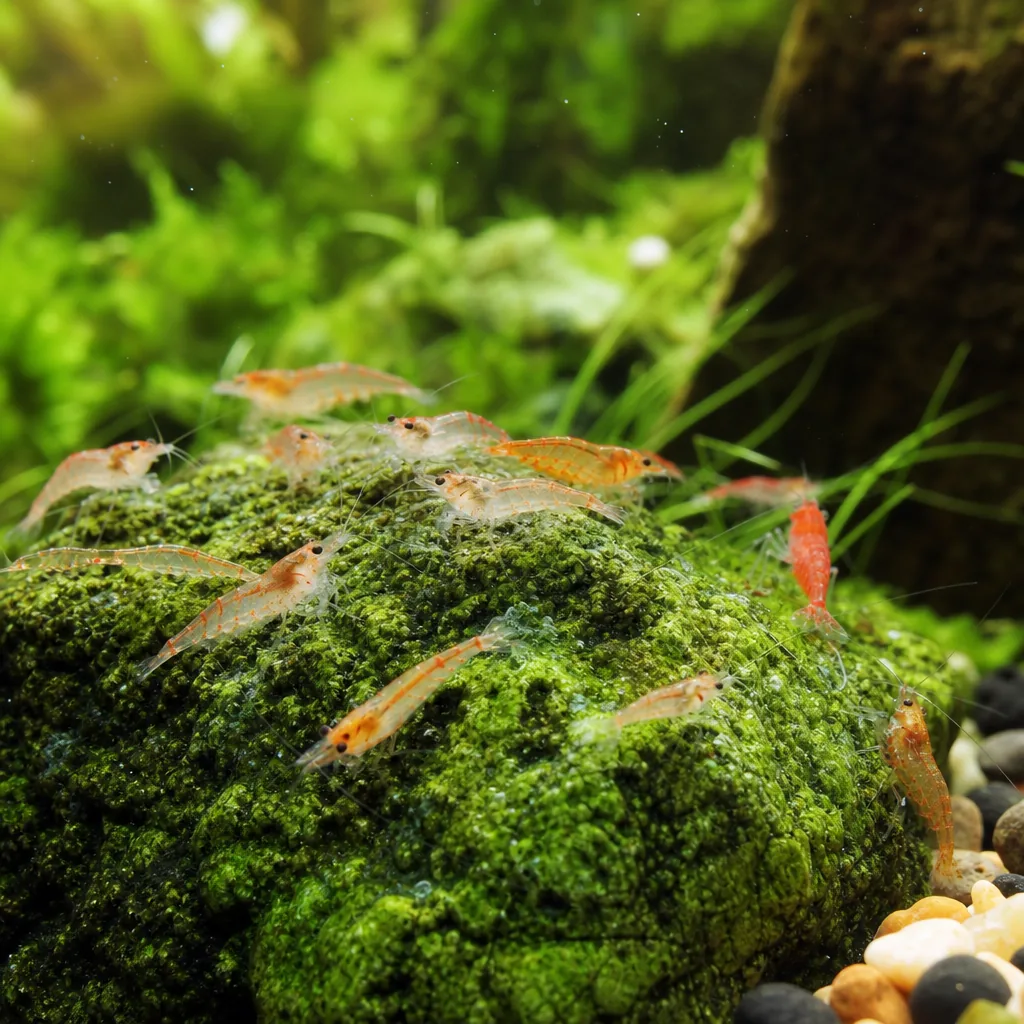
- Shrimp — cherry shrimp and similar dwarf shrimp are arguably the perfect nano livestock: tiny, colorful, low-waste, and fascinating.
- Small schooling fish — chili rasboras, ember tetras, and other true nano fish that stay under an inch or so.
- A single small centerpiece — a betta is a classic nano resident in an appropriately sized, heated, filtered tank (not a bowl).
- Snails — nerite and other small snails add interest and help with algae.
What to avoid
- Fish that grow large or are sold small but get big — research adult size carefully.
- Active swimmers that need length to roam.
- Overstocking of any kind — restraint is the whole game in a nano.
Gear for a Nano Tank
Small tanks need scaled-down but still proper equipment. Don’t skip the essentials just because the tank is little.
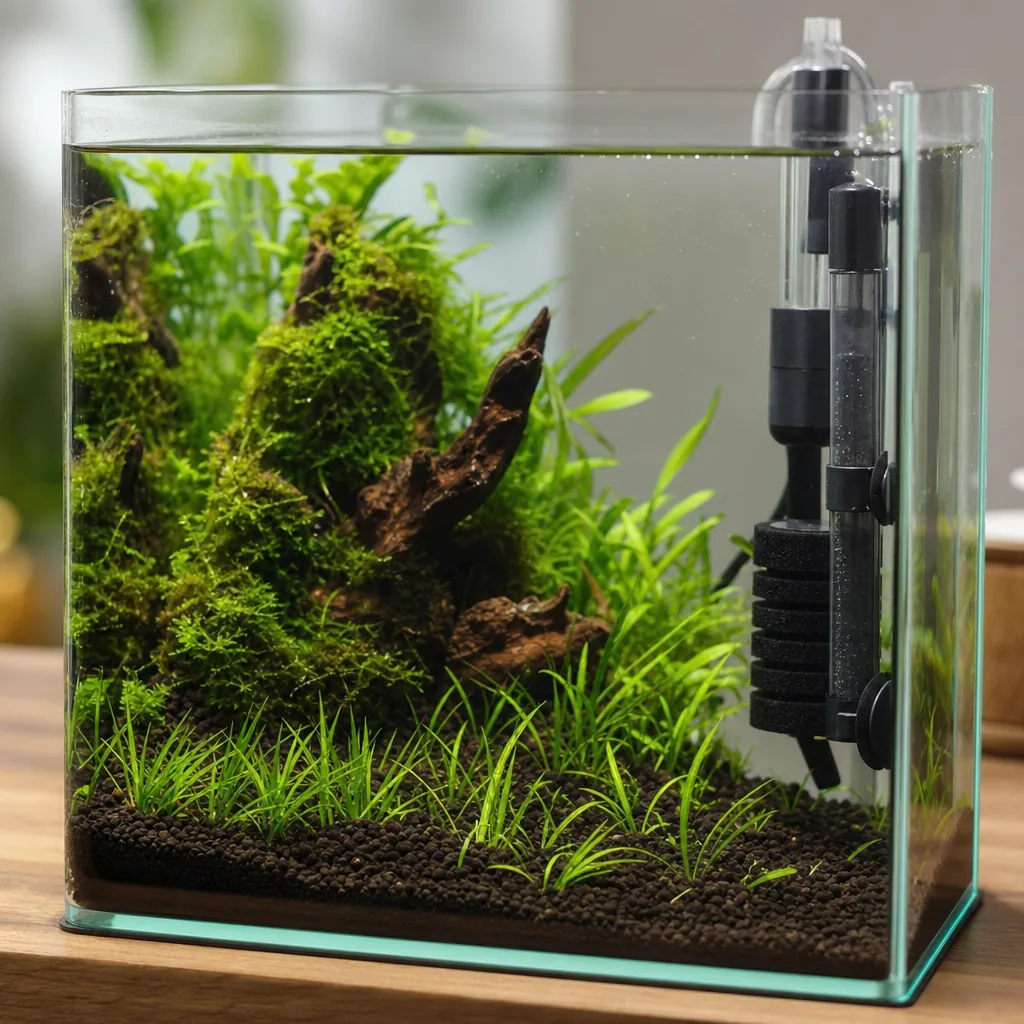
- A gentle filter — a sponge filter or a low-flow nano filter provides biological filtration without blasting tiny fish or shrimp around.
- A small, reliable heater — most tropical nano residents need stable warmth, and small heaters appropriate to the volume exist for exactly this.
- A thermometer — even more important in a nano where temperature swings fast.
- Modest lighting — enough for plants if you want them, on a timer to control algae.
You can find nano-appropriate filters, heaters, and lights in our gear shop. Resist the urge to overpower a small tank — gentle and correctly sized beats big and forceful here.
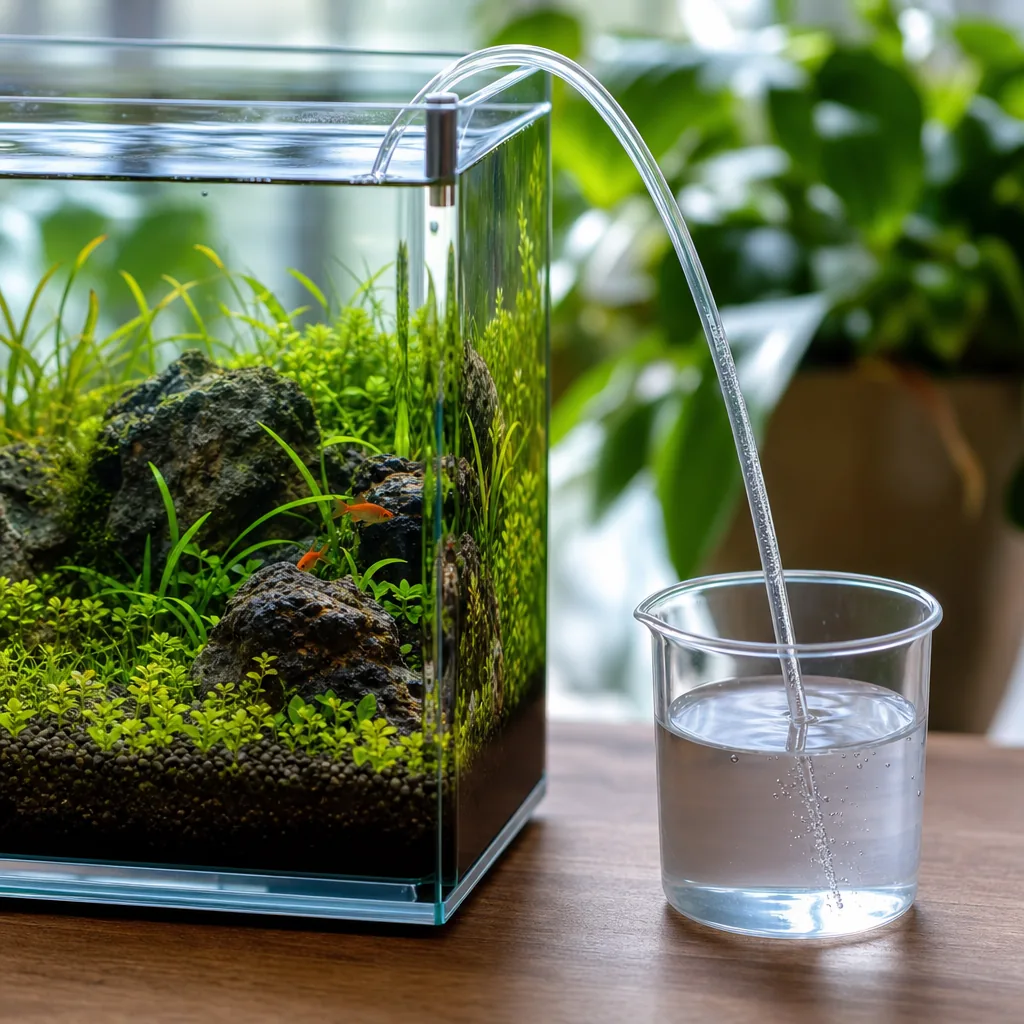
Maintaining a Nano Tank
Because nanos are less forgiving, consistent maintenance matters even more.
- Smaller, more frequent water changes. Modest regular changes keep the small volume stable far better than occasional large ones, which swing parameters hard.
- Don’t overfeed. In a tiny tank, a pinch too much food fouls the water quickly. Feed sparingly and remove leftovers.
- Top off evaporation diligently. Evaporation concentrates waste and shifts parameters faster in a small volume, so keep the water level steady with dechlorinated fresh water.
- Stay ahead of algae. Manage light duration and nutrients, and let snails and shrimp help.
Are Nano Tanks Right for You?
A nano tank is a wonderful choice if you have limited space, a modest budget, and the discipline to stay consistent with small, regular care. They’re especially rewarding for shrimp keeping and for aquascaping in miniature. They’re a riskier pick as an absolute first tank for someone who wants minimal involvement — in that case, a 20-gallon tank will be more forgiving while you learn. Either way, a nano done right is a delightful slice of the freshwater hobby.
Final Thoughts
Nano tanks pack a lot of charm into a small footprint, but they ask for attentiveness in return. Stock them lightly with small, appropriate species, equip them with gentle properly-sized gear, and maintain them with consistent small water changes. Respect the trade-off that small means less forgiving, and a nano tank rewards you with one of the most engaging little ecosystems in the hobby.
Frequently Asked Questions
Are nano tanks good for beginners?
They can be, but only for attentive beginners willing to maintain them consistently. Small tanks are less forgiving than larger ones, so a hands-off newcomer is usually better served by a 20-gallon tank while learning.
What’s the smallest practical tank size?
Tanks as small as a gallon or two exist, but the five-to-ten gallon range is a better balance of charm and stability. More water volume means parameters swing more slowly and the tank is easier to keep healthy.
What can I keep in a nano tank?
Dwarf shrimp, tiny schooling fish like chili rasboras or ember tetras, small snails, or a single betta in an appropriately heated and filtered setup. Stick to small, peaceful, low-waste species and stock lightly.
Do nano tanks still need a heater and filter?
Yes — most nano residents need stable warmth and proper filtration, just scaled to the small volume. Use a gentle sponge or low-flow filter and a small reliable heater rather than skipping these essentials.
Why are small tanks harder to keep stable?
Less water volume means waste, temperature, and pH changes aren’t diluted, so parameters shift quickly. A mistake a big tank would absorb can become an emergency in a nano within hours, which is why consistent care matters so much.