
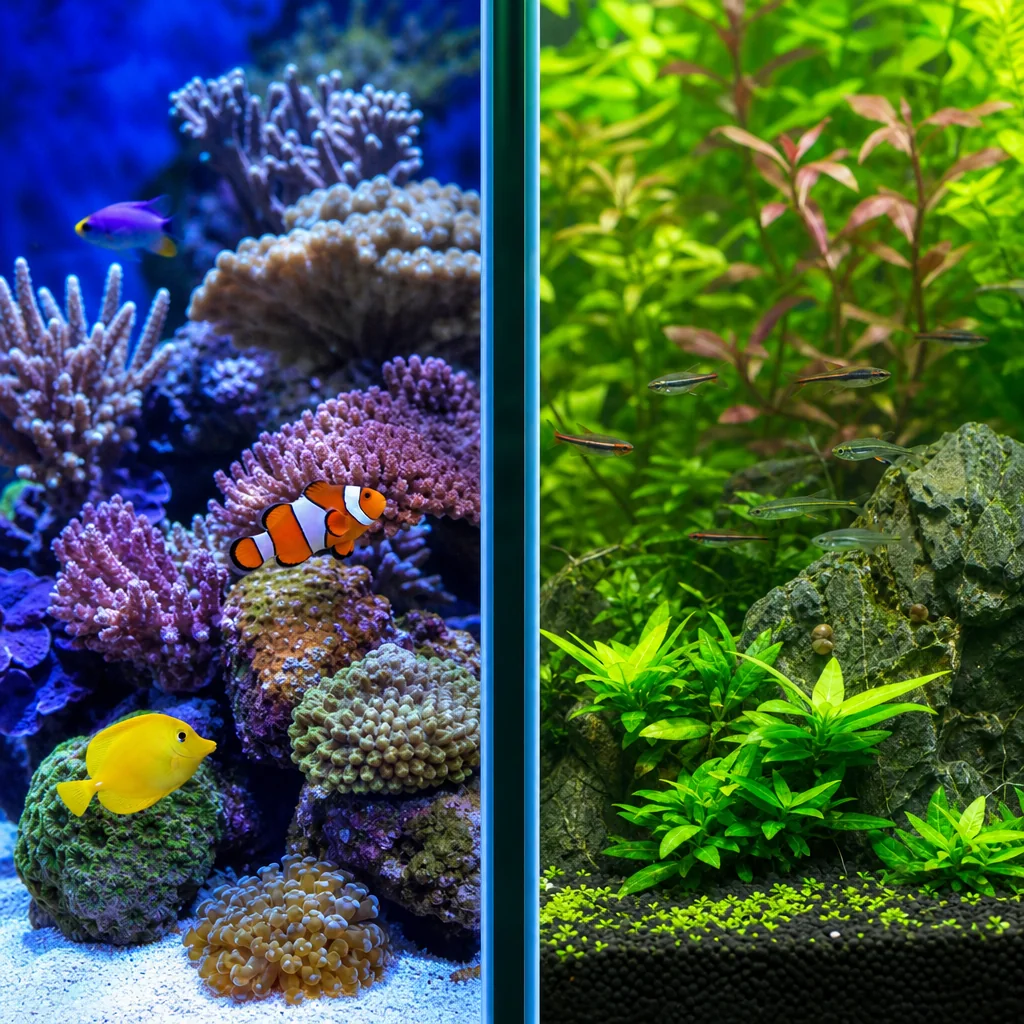
If you’re standing in the aquarium aisle (or scrolling through tanks online) trying to decide between saltwater and freshwater, you’re asking the right question before spending a dime. The choice shapes your budget, your weekly routine, and how forgiving the hobby will be while you learn. Here’s an honest breakdown from someone who’s set up plenty of both.
The short version
Freshwater is cheaper, more forgiving, and faster to get running. Saltwater is more expensive and demands more discipline, but it opens the door to corals, anemones, and reef fish you simply can’t keep in freshwater. Neither is “better” — they’re different commitments. If you’re new, freshwater is almost always the smarter starting point, and I’ll explain why below.
Cost: where your money goes
Cost is usually the first thing that surprises people, so let’s be straight about it.
Freshwater
A freshwater setup is the budget-friendly path. Your core spend is the tank, a filter, a heater, a light, substrate, and a water test kit. Livestock is generally inexpensive, and many beginner-friendly fish cost just a few dollars each. You can build a solid, attractive freshwater tank without breaking the bank.
Saltwater
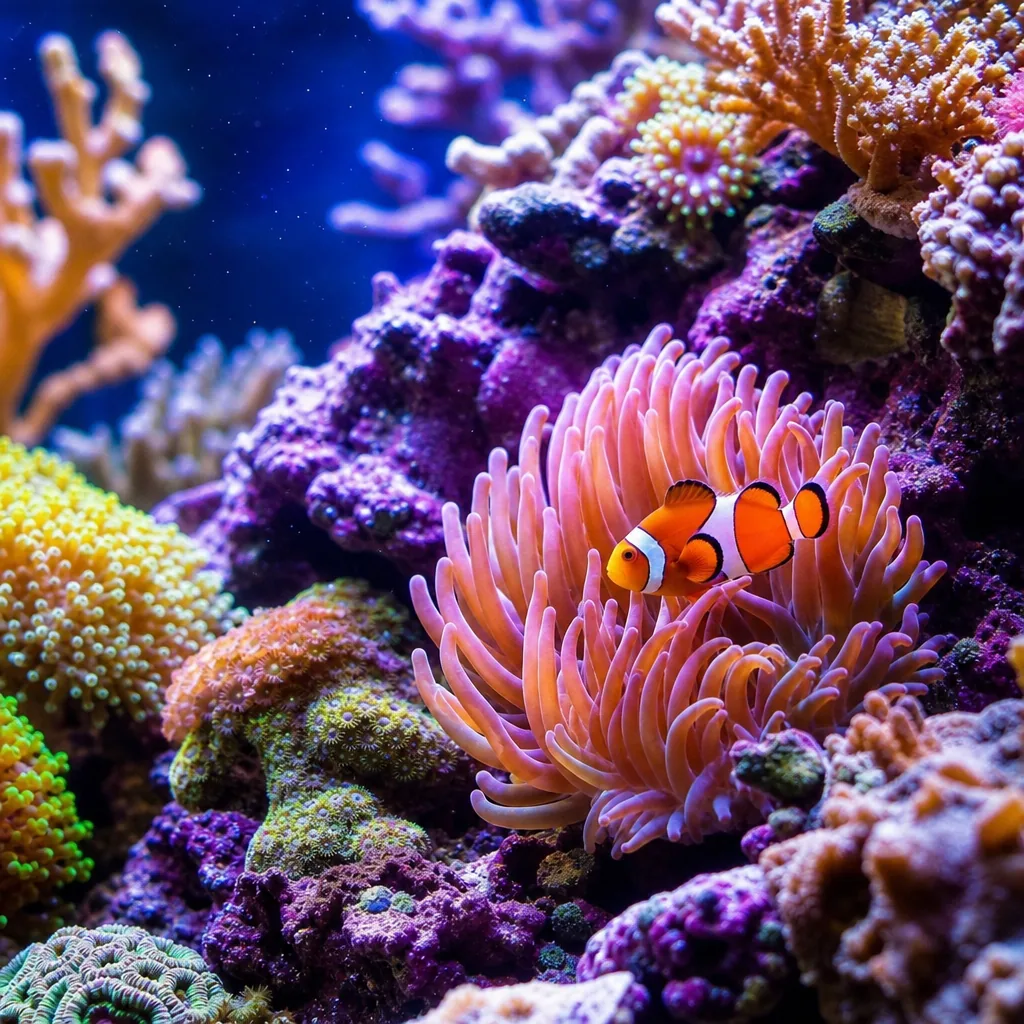
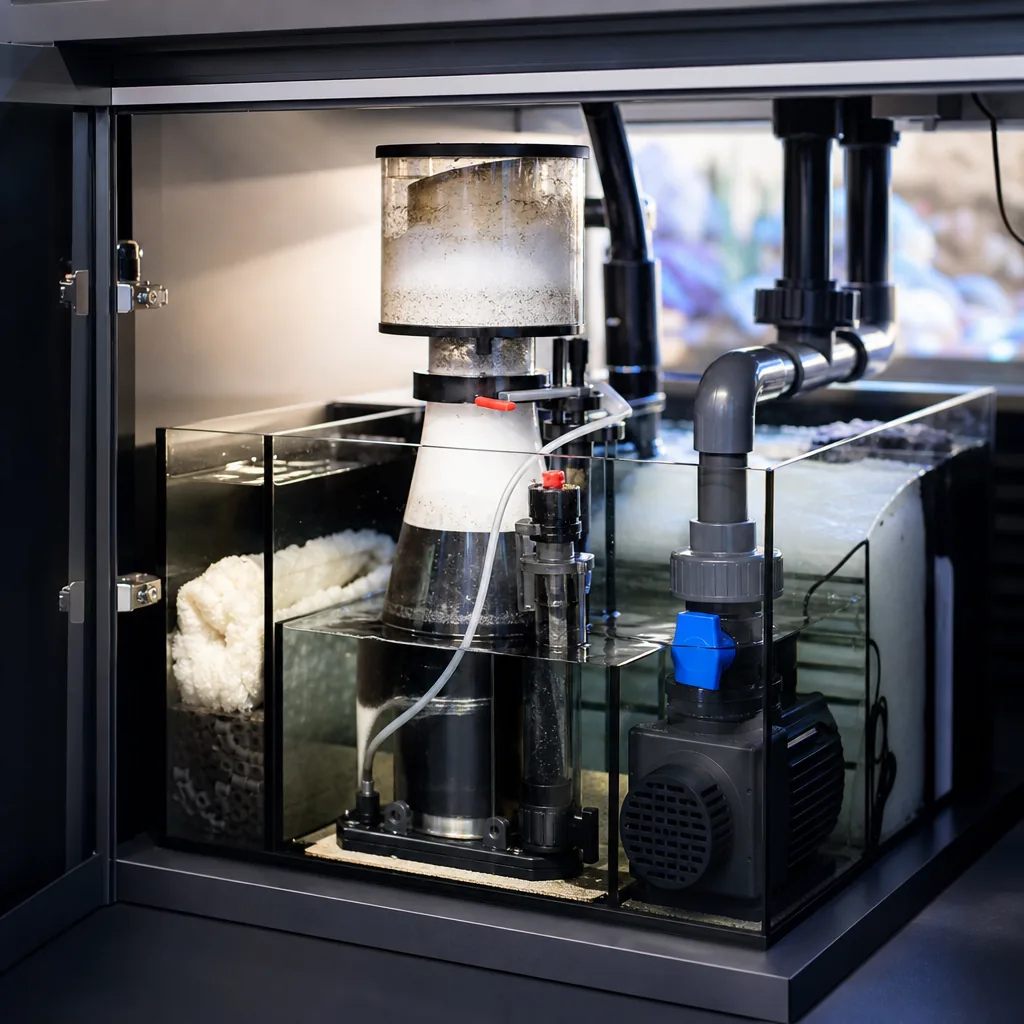
Saltwater costs more at almost every step. Beyond the basics, you’re typically looking at a protein skimmer, stronger lighting (especially for corals), live rock, a powerhead or two for flow, marine salt mix, and often a refractometer and RO/DI water source. Marine livestock and corals also carry higher price tags than their freshwater counterparts. The tank itself is just the beginning.
Difficulty and the learning curve
This is where the real difference lives. Both hobbies rely on the nitrogen cycle — beneficial bacteria converting fish waste into less harmful compounds — and both require patience while a tank “cycles.” But saltwater adds layers.
- Salinity: Marine tanks need stable, correctly measured salt levels. You’ll mix salt to a target specific gravity and check it regularly.
- Stability matters more: Saltwater organisms, especially corals and invertebrates, are far less tolerant of swings in temperature, pH, and salinity. Freshwater fish tend to shrug off minor mistakes that would stress or kill reef inhabitants.
- More parameters to track: Reef keepers monitor things like calcium, alkalinity, and magnesium that freshwater hobbyists rarely think about.
The practical takeaway: freshwater forgives beginner mistakes. Saltwater punishes them, and the losses are more expensive when they happen.
Maintenance and your weekly routine
Every tank needs upkeep — testing, water changes, and equipment cleaning. The frequency is similar in spirit, but saltwater maintenance is more involved. You’ll be mixing saltwater ahead of time, topping off for evaporation (which concentrates salt as freshwater evaporates), and cleaning specialized gear like a skimmer. Freshwater maintenance is more straightforward: dechlorinate fresh tap water, match the temperature, and you’re most of the way there.
If you want to understand the routine that applies to both, our blog covers water-change fundamentals in detail. Whichever you choose, consistent maintenance is the single biggest predictor of success.
Livestock and the look
This is usually the emotional tiebreaker, and it’s a fair one.
What freshwater offers
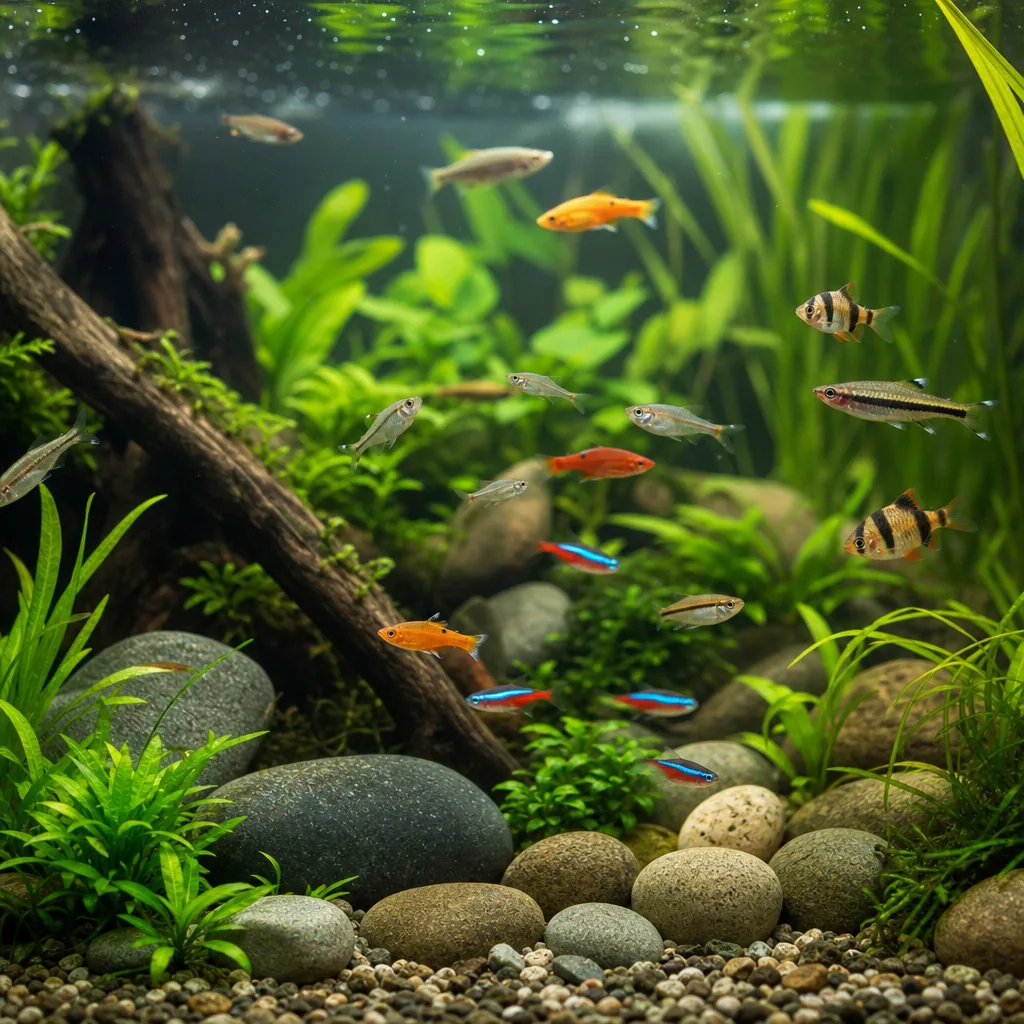
Freshwater gives you an enormous range: colorful community fish, peaceful schooling species, bettas, cichlids with real personality, shrimp, snails, and the entire world of planted aquascaping. A well-planted freshwater tank can be every bit as stunning as a reef — and a lot of people fall in love with the lush, natural look. Explore the options on our freshwater page.
What saltwater offers
There’s no denying the appeal of a reef. The vivid corals, the clownfish-and-anemone relationship, tangs, gobies, and the sheer alien beauty of marine life are why so many people aspire to saltwater. If a glowing reef is your dream, freshwater won’t fully scratch that itch. See what’s possible on our saltwater page.
Equipment needs compared
Here’s a simplified side-by-side of typical core gear.
- Both need: tank, filtration, heater, lighting, thermometer, and a reliable test kit.
- Freshwater adds: substrate suited to your fish or plants, and a dechlorinator for tap water.
- Saltwater adds: salt mix, a hydrometer or refractometer, live rock, additional flow (powerheads), often a protein skimmer, and frequently an RO/DI unit for pure water.
You can browse beginner-appropriate equipment in the shop for either path.
A quick note on ponds
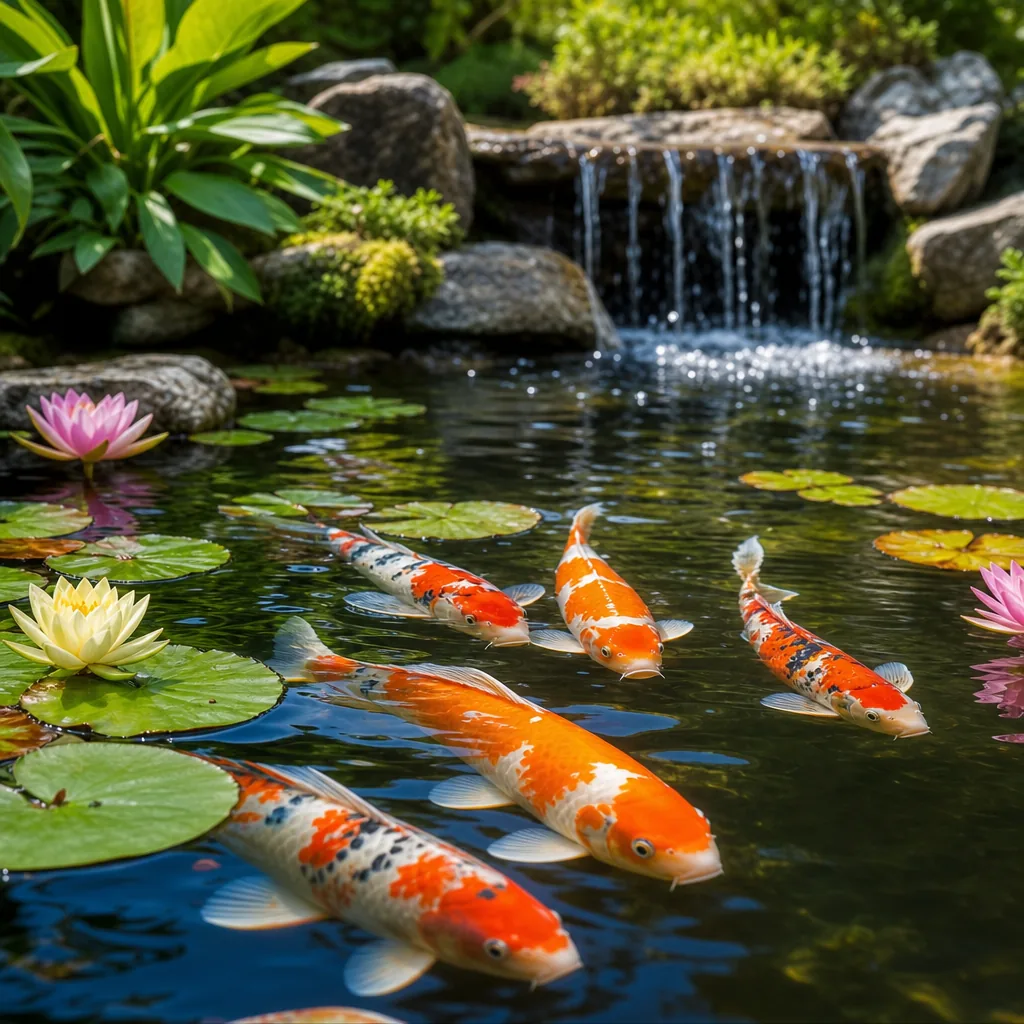
If you’ve got outdoor space, a pond is a third option worth knowing about — typically a freshwater environment for goldfish or koi, with its own seasonal rhythm and equipment. It’s a different lifestyle than an indoor tank, but a rewarding one. Learn more on our ponds page.
So who should choose what?
Choose freshwater if you:
- Are new to the hobby or want a gentler learning curve.
- Want to keep costs reasonable while you figure out what you enjoy.
- Love planted aquascapes, community fish, or low-maintenance setups.
- Prefer a routine that’s quicker and less technical.
Choose saltwater if you:
- Specifically want corals, anemones, or marine fish you can’t get otherwise.
- Are comfortable spending more upfront and on ongoing supplies.
- Enjoy the technical, detail-oriented side of the hobby.
- Can commit to consistent, careful maintenance from day one.
My honest recommendation: start freshwater
If you’re on the fence, start with freshwater. It’s not a consolation prize — it’s the best on-ramp the hobby has. You’ll learn the nitrogen cycle, build good maintenance habits, and develop a feel for fish health without the steep costs and unforgiving margins of a reef. Plenty of seasoned reef keepers started with a simple freshwater tank, and many keep one running for life.
When you’ve got the fundamentals down and you’re still dreaming about corals, you can step up to saltwater with confidence and far fewer expensive surprises. The skills transfer; the experience pays off.
Bottom line
Freshwater is cheaper, more forgiving, and the smart place to begin. Saltwater is more demanding and more expensive, but unmatched if a reef is what you truly want. Match the choice to your budget, your patience, and the look you’re after — and if you’re unsure, start freshwater and grow from there.
Frequently Asked Questions
Is saltwater harder than freshwater?
Generally yes. Saltwater requires mixing salt, monitoring salinity, and keeping parameters stable. Freshwater is far more forgiving and cheaper to start.
Is a saltwater tank more expensive?
Usually. Salt mix, a refractometer, quality lighting, and live rock add up, and reef livestock costs more. A basic freshwater setup can cost a fraction of the price.
Which is better for beginners?
Freshwater is the recommended starting point for most beginners. It teaches the fundamentals like cycling, water changes, and testing at lower cost and risk. See our freshwater guides.
Can I switch a freshwater tank to saltwater later?
Yes. You can reuse the tank and stand, but you will need saltwater-specific gear such as salt, a refractometer, reef lighting, and a protein skimmer, plus a fresh cycle.
Do saltwater tanks need a protein skimmer?
Most reef and fish-only saltwater tanks benefit from one, especially as stocking grows. Small nano tanks can sometimes get by with frequent water changes instead.