
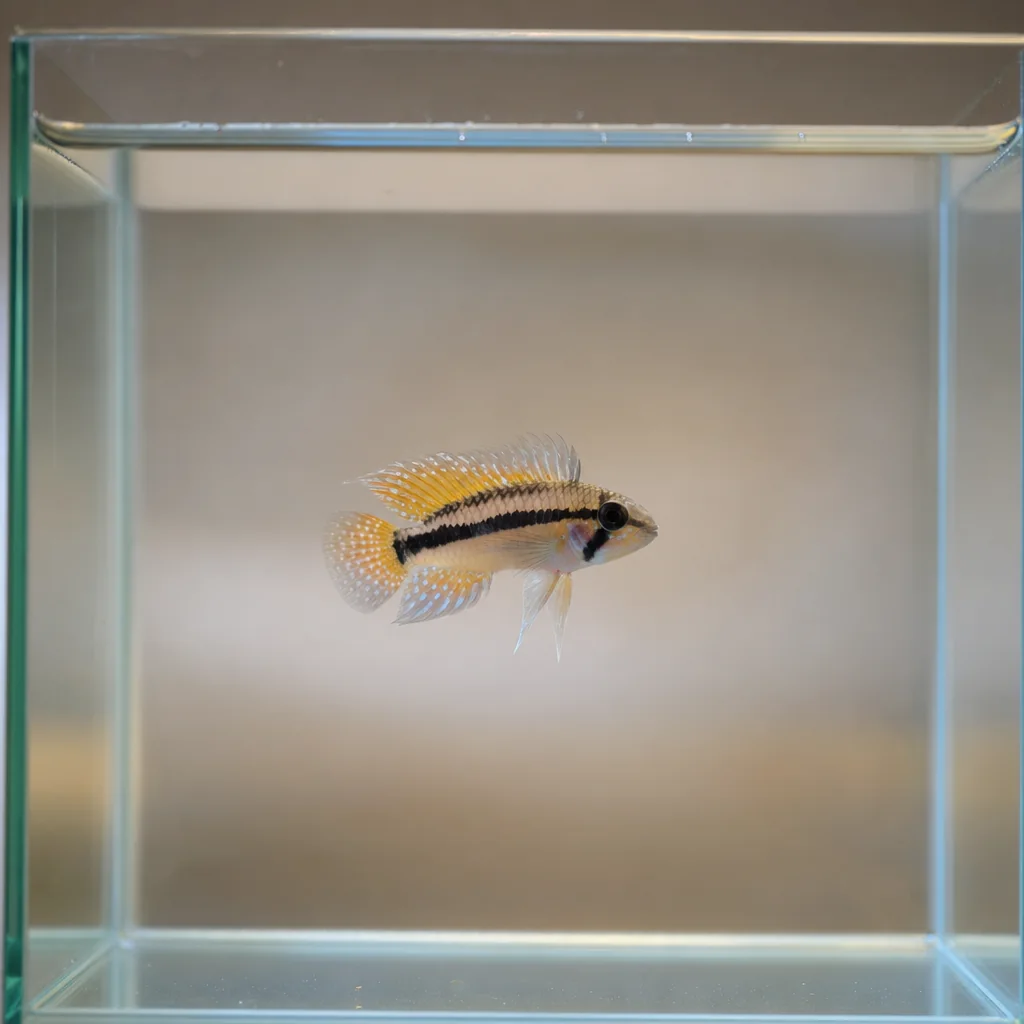
Almost every aquarist learns the hard way that the fish you didn’t quarantine is the one that introduces ich, velvet, or internal worms to an otherwise healthy tank. A new fish looks fine in the store, looks fine in the bag, and three days later your established stock is flashing against the substrate. Quarantine is the single cheapest insurance policy in the hobby, and it’s the step beginners skip the most.
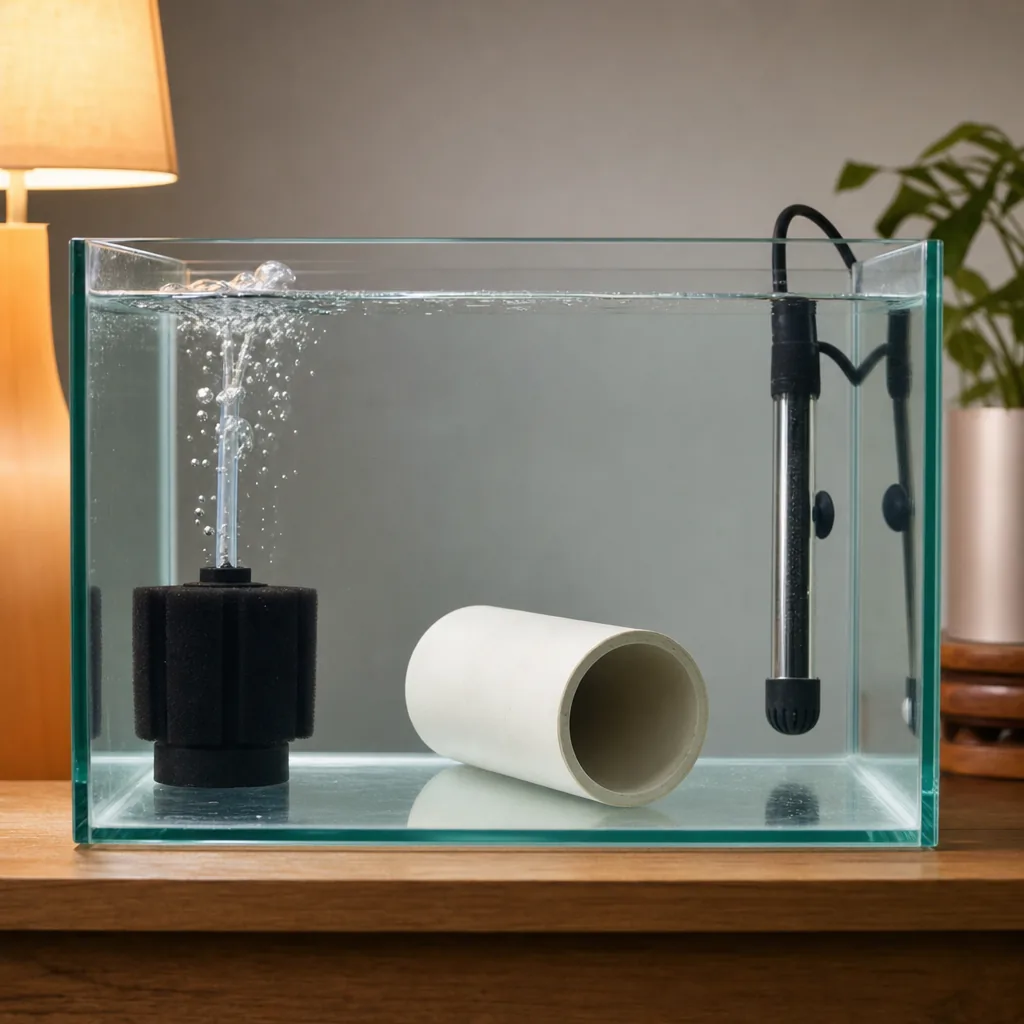
The good news: a quarantine setup doesn’t have to be elaborate. A bare-bottom tank, a sponge filter, a heater, and somewhere to hide is enough to observe and, if needed, treat new arrivals before they ever touch your main system.
Why Quarantine Is Worth the Hassle
Every fish carries something. Even captive-bred stock from a reputable supplier has been through wholesale tanks, transport stress, and shared water. A two-to-four-week quarantine gives you three things you can’t get any other way:
- Time to spot disease before it spreads to dozens of fish you already own.
- A controlled environment where you can medicate without dosing your whole display, your plants, and your beneficial bacteria.
- A chance to fatten up and settle a stressed new fish so it enters the display strong instead of half-starved.
The math is simple. A quarantine tank costs a fraction of restocking a wiped-out display, and far less than the heartbreak of losing fish you’ve kept for years.
Setting Up a Quarantine Tank
Keep it simple and easy to break down. You’re aiming for function, not aesthetics.
The basics you actually need
- A bare-bottom tank in the 10-to-20 gallon range for most community fish (bigger for larger species).
- A cycled sponge filter — ideally one that’s been running in your display sump or tank so it carries live bacteria.
- A reliable heater and a thermometer you trust.
- Cheap hides: PVC elbows, a clay pot, or a few silk plants. Skip the decorative rockwork that traps medication and makes catching fish a nightmare.
A bare bottom matters. It lets you see waste, leftover food, and any parasites that drop off, and it makes water changes fast. You can browse heaters, sponge filters, and other essentials over on our gear shop if you’re building a kit from scratch.
Keeping the biofilter alive
The trick experienced keepers use is to always have a spare sponge filter running in the main tank. When new fish arrive, you pull that pre-seeded sponge into the quarantine tank and it’s instantly cycled. No ammonia spikes, no fishless-cycle waiting period.
The Quarantine Routine
Plan on two weeks minimum, three to four if you want to be thorough or you’re adding to a high-value display.
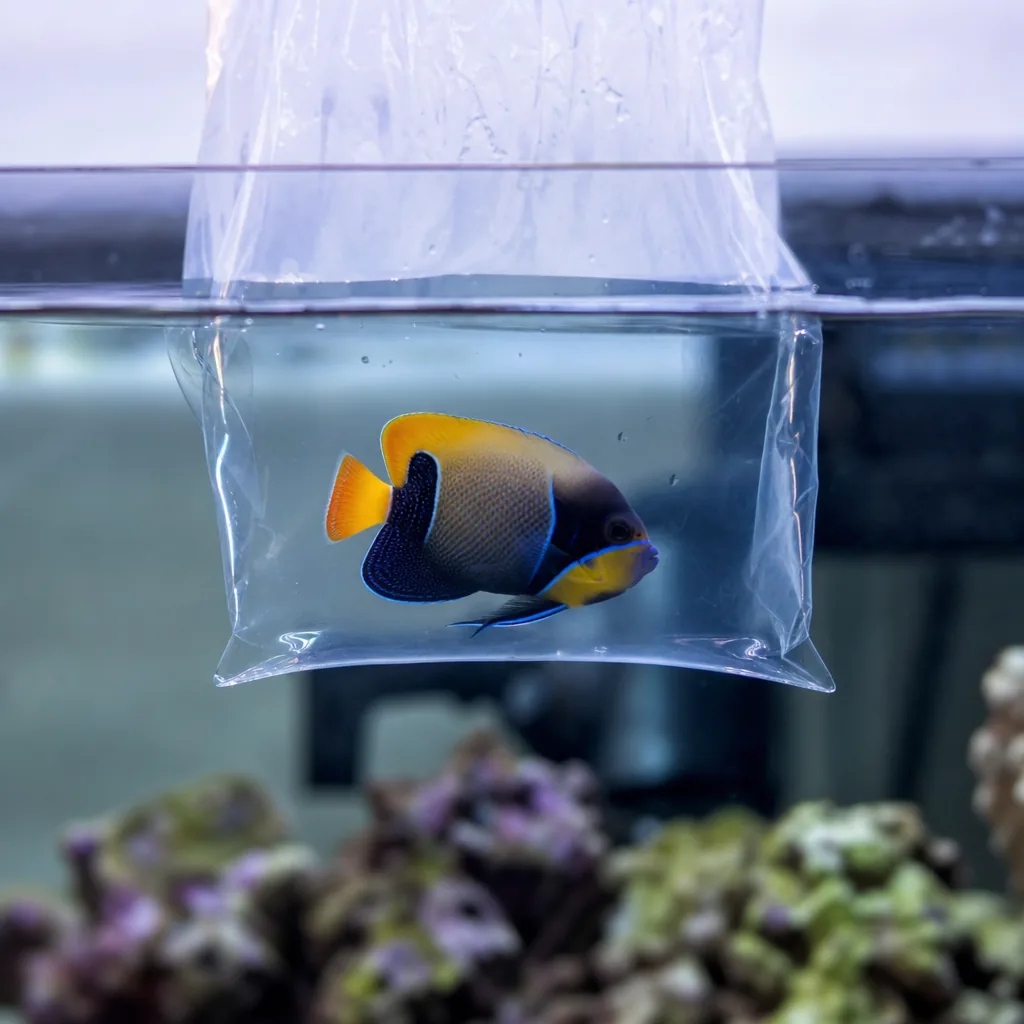
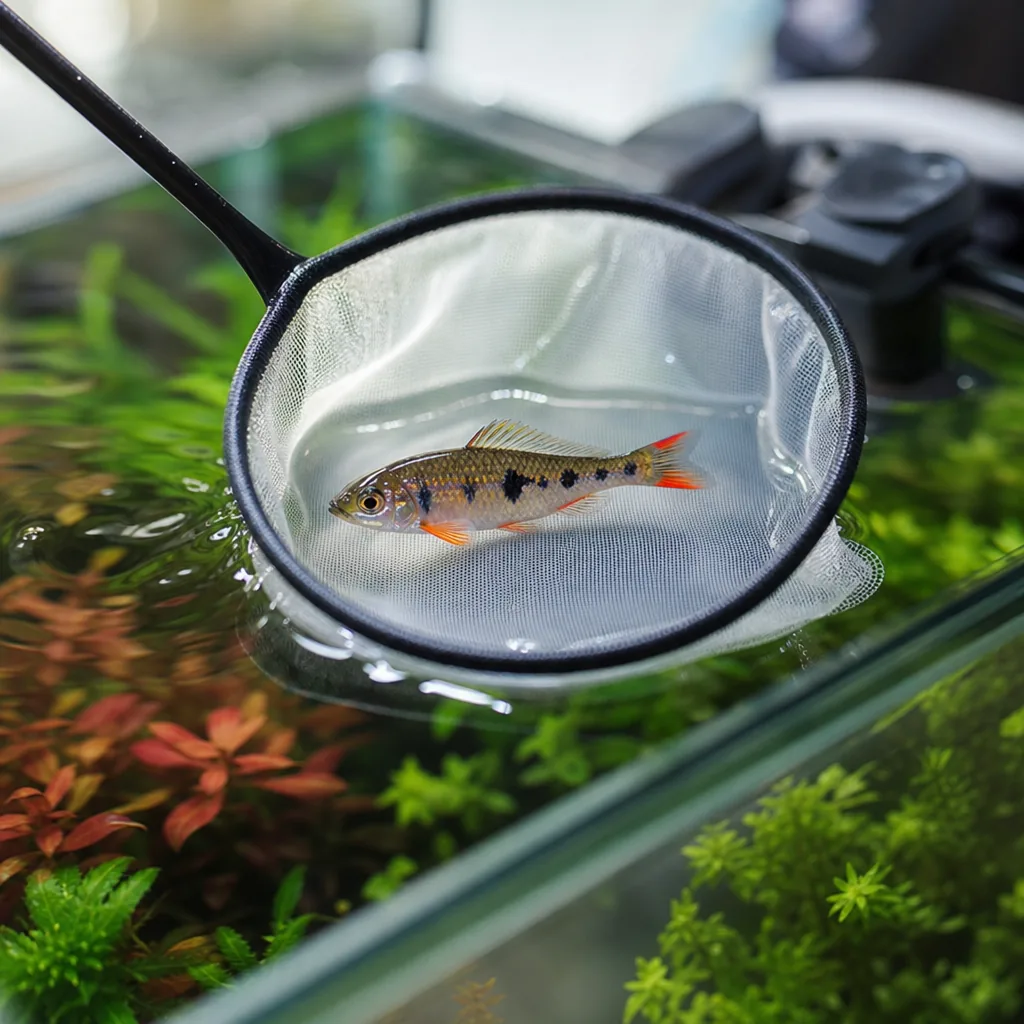
- Acclimate gently. Float or drip-acclimate to match temperature and water parameters, then net the fish in — don’t pour store water into your quarantine tank.
- Observe daily. Watch for flashing, clamped fins, rapid breathing, stringy white feces, white spots, or refusal to eat. Note anything off.
- Feed well. A varied diet helps a stressed fish recover its immune system. This is also when you can train picky eaters onto prepared foods.
- Test and change water. A small tank with no plants needs frequent small water changes to keep ammonia and nitrite at zero.
- Treat only if needed. Don’t blanket-medicate healthy-looking fish. Identify the problem first, then treat for that specific issue.
When to Medicate (and When Not To)
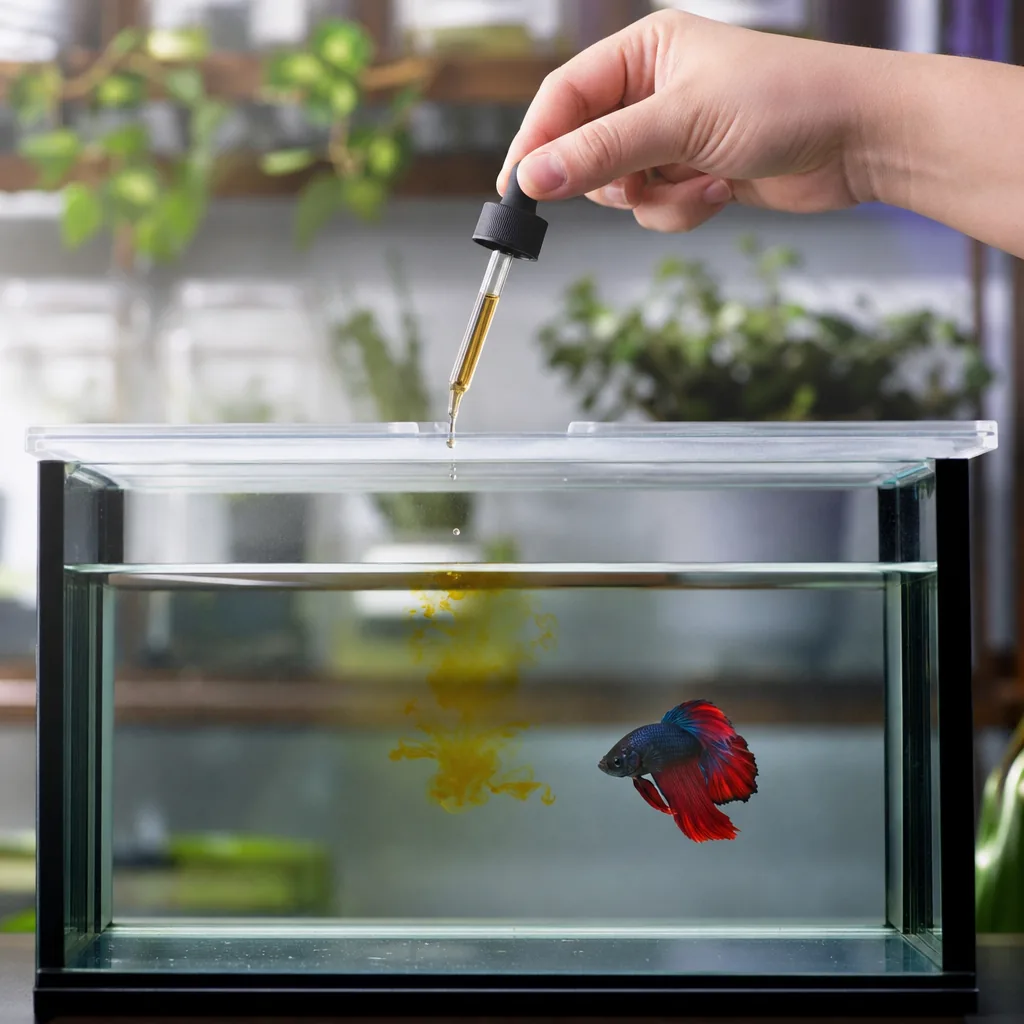
Prophylactic medication is a debated topic. Some keepers run a standard “quarantine cocktail” against the usual suspects; others treat only when they see symptoms. For most freshwater beginners, observation-first is the safer path — needless medication stresses fish and can wipe your biofilter.
If you do see clear symptoms, match the treatment to the disease: a salt and heat approach for ich, an anti-parasitic for worms, an antibacterial for fin rot or ulcers. Always follow dosing instructions for your actual water volume, and keep the tank well-aerated during treatment since many meds reduce oxygen.
Moving Fish to the Display
Don’t rush the graduation. A fish should be eating well, behaving normally, and symptom-free for at least a week before it joins your main tank. When it’s time, acclimate it to your display water the same careful way you brought it into quarantine. Then break down and clean the quarantine tank so it’s ready for the next arrival.
Quarantine is one of those habits that separates hobbyists who lose fish constantly from those who keep stable tanks for years. Whether you keep a freshwater community or a reef, the principle is identical — and once it becomes routine, you’ll wonder how you ever added fish without it.
Final Thoughts
A quarantine tank isn’t glamorous, and most of the time nothing dramatic happens in it — which is exactly the point. The few times it catches a sick fish before it reaches your display will more than pay for the modest cost and the couple of weeks of patience. Set one up, keep a seeded sponge ready, and make quarantine your default instead of your afterthought.
Frequently Asked Questions
How long should I quarantine new fish?
Two weeks is the practical minimum, but three to four weeks is better for catching slower-developing issues. The longer window also lets a stressed fish recover and start eating well before it joins your display.
Do I really need a separate tank?
Yes — quarantine only works if the new fish is fully isolated from your main system. Sharing water, nets, or equipment between tanks defeats the purpose and can carry disease right into your display.
Can I quarantine saltwater fish the same way?
The principle is identical, though marine fish are more sensitive and many keepers run a more structured medication protocol. A bare-bottom tank, seeded filtration, and careful observation still form the core approach.
Should I medicate every new fish as a precaution?
For most freshwater beginners, no — observe first and treat only what you actually see. Blanket medication stresses fish, can damage your biofilter, and may mask the real problem.
What if I don’t have room for a quarantine tank?
A small 10-gallon tote or tank stores easily and only runs when you have new fish. If space is truly impossible, at minimum buy from sellers you trust and observe new fish closely, but accept you’re taking a real risk with your established stock.