
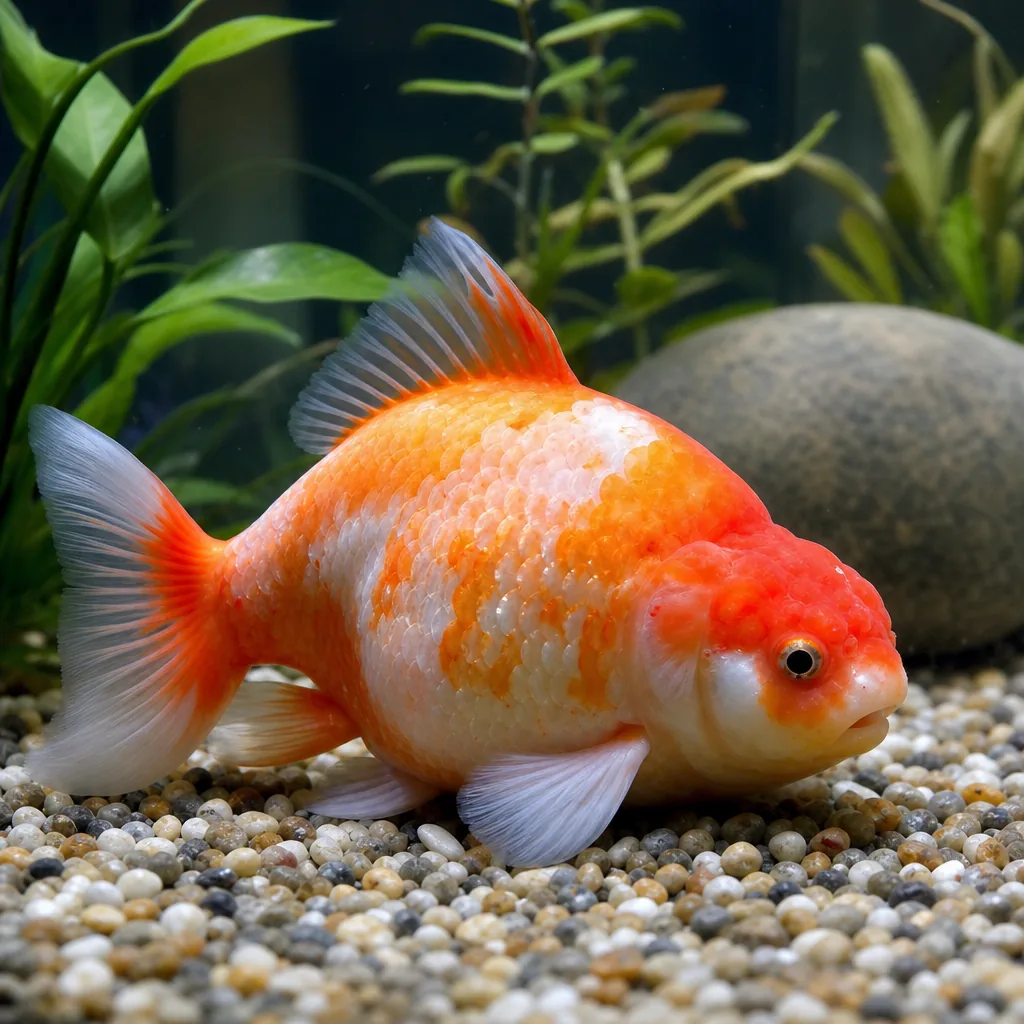
If you have ever looked into your tank and seen a fish bloated so badly that its scales stick out like a pinecone, you were probably staring at dropsy. It is one of the most alarming things a keeper can witness, and the hard truth is that by the time the pinecone look appears, the fish is already in serious trouble. That does not mean you are helpless, but it does mean you need to understand what you are actually dealing with.
Dropsy Is a Symptom, Not a Disease
The first thing to get straight is that dropsy is not a single illness you can point to and cure with one bottle. It is a set of symptoms caused by fluid building up inside the fish’s body faster than it can be flushed out. The swelling pushes the scales outward, and from above you get that classic raised, pinecone silhouette.
Because it is a symptom, dropsy can be triggered by several underlying problems: bacterial infection (often a systemic one affecting internal organs), kidney failure, parasites, or organ damage from long-term poor conditions. The pinecone appearance is simply the visible end stage of internal fluid retention.
What Causes the Pinecone Look
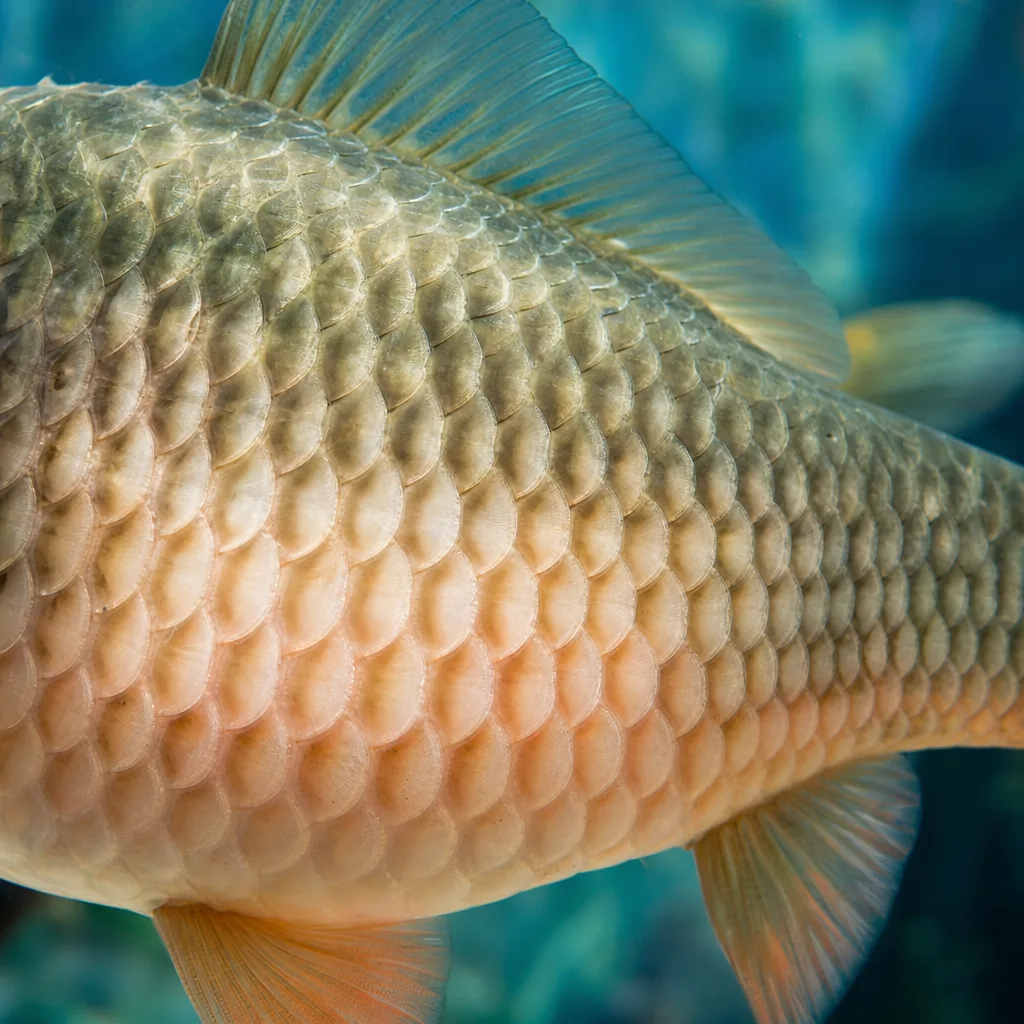
The pinecone effect comes from edema, fluid accumulating in the tissues and body cavity. A healthy fish constantly regulates the balance of water and salts across its body. When the kidneys or internal organs fail, that regulation breaks down, water floods the tissues, and the body swells until the scales are forced apart.
The most common root causes I have seen over the years include:
- Systemic bacterial infection, frequently opportunistic bacteria that take hold when a fish is already weakened.
- Chronic stress from poor water quality, especially elevated ammonia or nitrite.
- Kidney or liver dysfunction, sometimes from age or long-term organ strain.
- Internal parasites that damage organs over time.
Notice the pattern. Almost every path to dropsy runs through a stressed, weakened immune system. Fish in stable, clean tanks rarely develop it out of nowhere.
Can Your Fish Actually Recover?
I will be honest, because that is more useful than false hope. Once a fish is fully pineconing, the recovery rate is low. The internal damage that produces that swelling is usually advanced. However, recovery is not impossible, and it is far more likely if you catch the earliest signs before the scales lift, a swollen belly, lethargy, loss of appetite, or clamped fins.
Early intervention gives you the best odds. Late intervention is mostly about giving the fish a fighting chance and preventing it from spreading to tankmates if an infection is involved.
How to Respond Step by Step
If you spot a fish showing dropsy symptoms, act methodically rather than dumping in every medication you own.
1. Isolate the fish
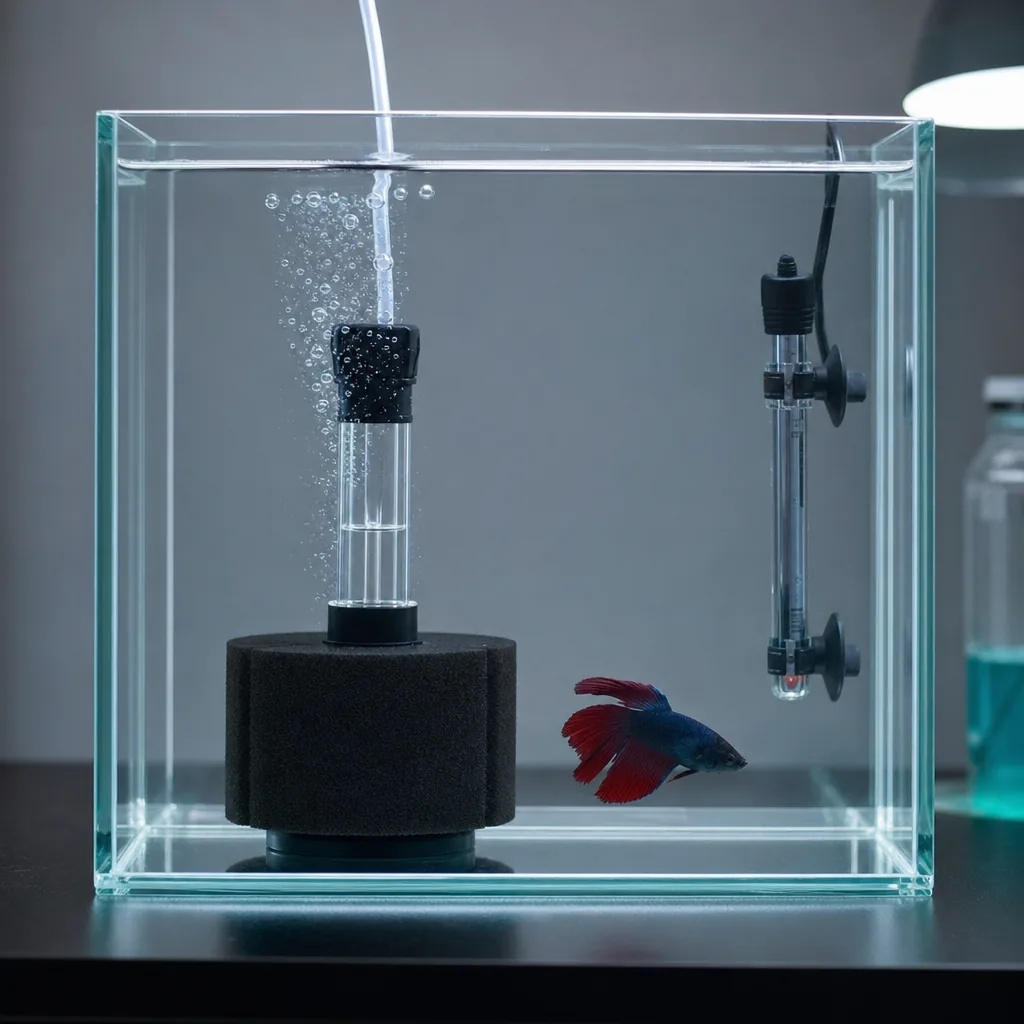
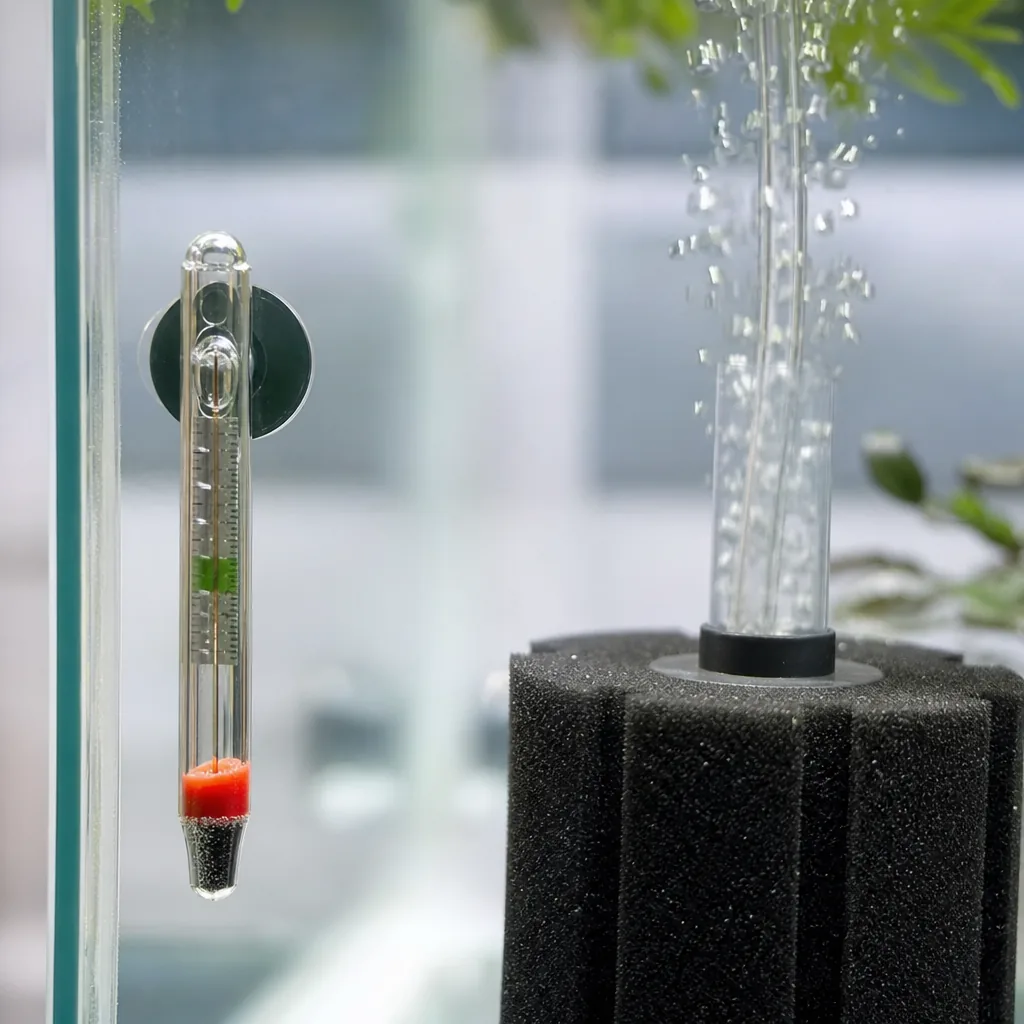
Move the affected fish to a quarantine or hospital tank if you have one. This protects the rest of your stock and lets you medicate without disrupting your main tank’s biology. A simple bare-bottom tank with a sponge filter and a heater works well.
2. Test and correct water
Test the main tank for ammonia, nitrite, and nitrate. Poor water is the most common trigger, and if one fish is sick, your parameters may be telling you something about the whole system. Do a water change and address any problems.
3. Consider aquarium salt and clean water
Many keepers use a measured dose of aquarium salt in the hospital tank to help with osmotic balance and reduce fluid retention stress. Pristine water and stable temperature matter more than any single additive.
4. Use an antibacterial treatment if appropriate
If a bacterial infection is the suspected cause, an aquarium antibacterial medication may help in early cases. Follow the product instructions exactly, and never combine medications randomly.
Prevention Beats Treatment Every Time
Because dropsy is so hard to reverse, prevention is where your effort really pays off. Stable, clean water is your single best defense. Keep up with regular water changes, avoid overstocking, and quarantine new fish before adding them to your display tank.
A well-cycled filter, consistent temperature, and a varied quality diet all keep the immune system strong enough to fend off the opportunistic infections that lead to dropsy. Good equipment makes consistency easier, and you can browse reliable filtration and test kits in our shop. For broader husbandry help, our freshwater care section covers the fundamentals that prevent most disease in the first place.
The Realistic Takeaway
Dropsy is a warning sign that something has gone deeply wrong inside the fish, and often inside the tank. Treat the fish with isolation, clean water, and appropriate medication if infection is suspected, but temper your expectations once the pinecone stage sets in. The bigger win is learning from it: tighten your maintenance routine so the conditions that caused it never repeat. For more on recognizing common ailments early, keep reading through our blog.
Frequently Asked Questions
Is dropsy contagious to other fish?
Dropsy itself is a symptom, not a contagious disease, but if it is caused by a bacterial infection or parasites, those underlying causes can spread. Isolate the affected fish and check your water quality to protect the rest of the tank.
How long does it take a fish to recover from dropsy?
If a fish recovers at all, it usually takes one to several weeks of clean water and treatment, and only when caught early. Fully pineconed fish rarely recover because the internal damage is already advanced.
What is the pinecone look actually caused by?
It is caused by fluid building up in the body tissues, called edema. The swelling pushes the scales outward so they stick up like a pinecone when viewed from above.
Can I prevent dropsy in my aquarium?
Yes, largely. Stable clean water, regular water changes, no overstocking, quarantining new fish, and a quality varied diet keep the immune system strong and greatly reduce the risk.
Should I euthanize a fish with dropsy?
If the fish is fully pineconed, suffering, and not responding to treatment, humane euthanasia is a reasonable and compassionate choice. If caught early with mild symptoms, treatment is worth attempting first.