
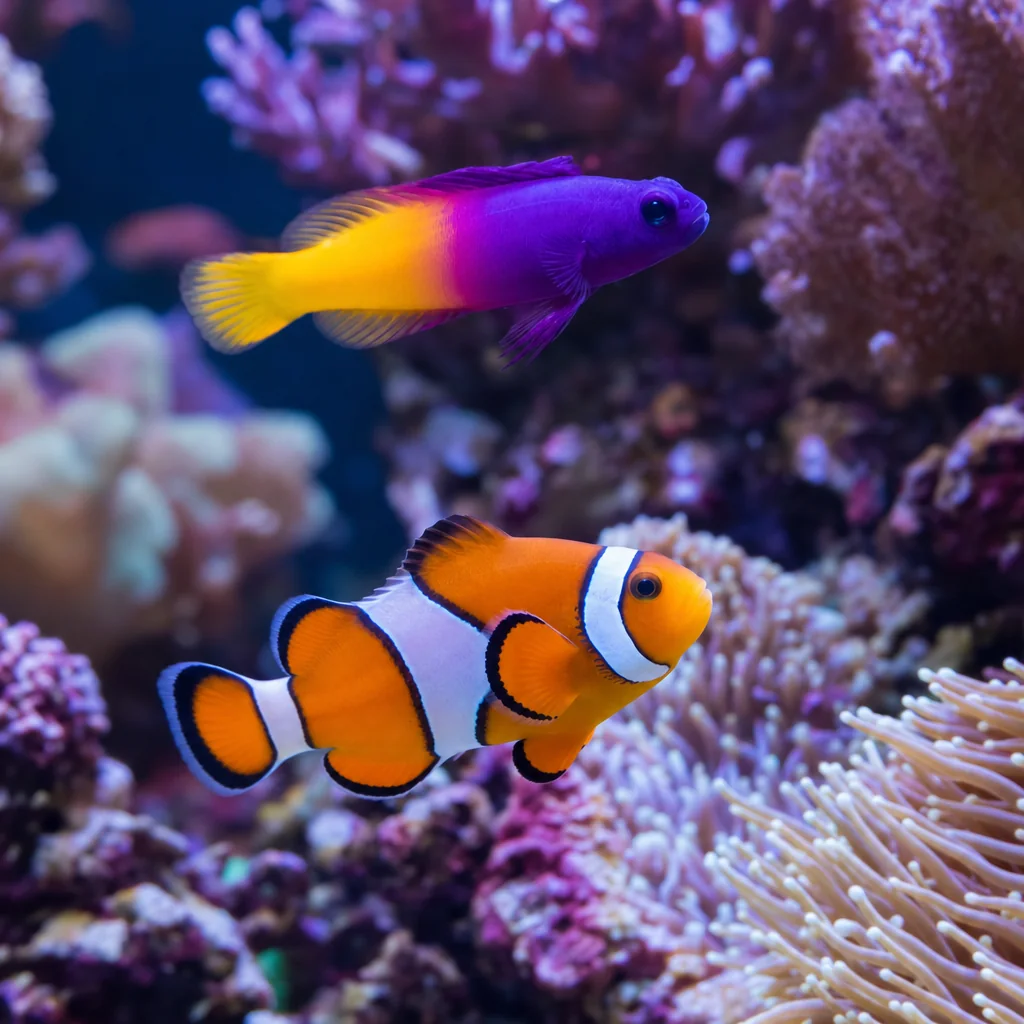
The hardest part of your first saltwater tank is not the equipment. It is the patience to let the tank mature before you start adding livestock, and then the discipline to choose fish that can survive your early mistakes. Every new reefer makes mistakes. The trick is stocking animals tough enough to forgive them while you find your rhythm.
This guide walks through the fish that consistently do well for newcomers, why they work, and the tempting choices that quietly trip people up early.
What Makes a Fish Beginner-Friendly
Before naming species, it helps to understand the traits that make a saltwater fish forgiving. A good first fish is hardy against minor parameter swings, accepts prepared foods readily, tolerates a range of tank sizes, and is not aggressive enough to terrorize tankmates.
Just as important is what a beginner fish is not: it is not a finicky eater that needs live food, not a delicate species that ships poorly, and not an animal that outgrows a starter tank in a season.
The Reliable First Fish
These are the species seasoned reefers point new hobbyists toward again and again.
Clownfish
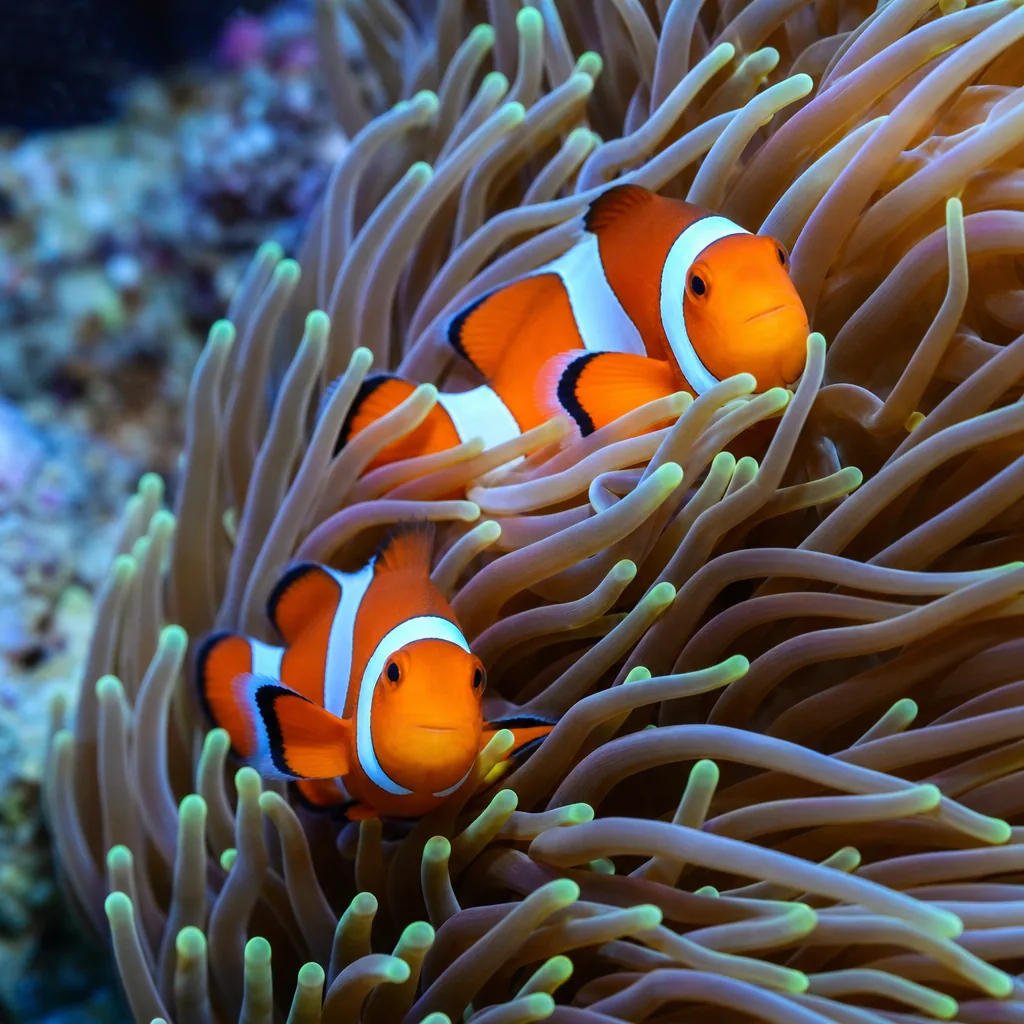
Tank-bred clownfish are arguably the perfect starter fish. They are hardy, accept prepared food eagerly, stay small, and have enough personality to keep you hooked. Captive-bred specimens are especially robust because they are already adapted to aquarium life and prepared diets.
Damselfish
Damsels are famously tough and inexpensive, which is exactly why they get over-recommended. They handle imperfect water well, but many turn aggressive as they mature. Choose the more peaceful varieties and add them last, not first.
Royal Gramma and Basslets
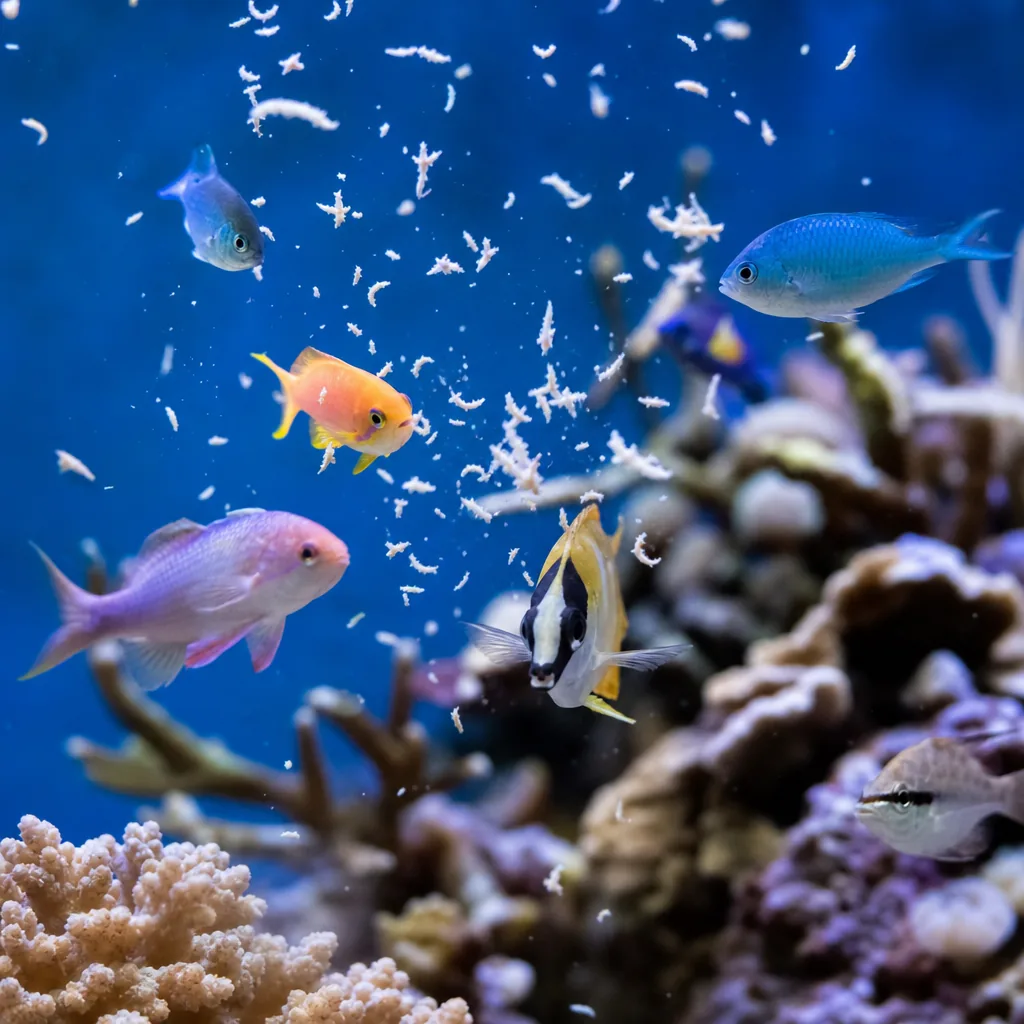
These compact, brightly colored fish are peaceful, hardy, and happy to claim a cave or overhang. They add color without the size or temperament problems of flashier species.
Cardinalfish
Calm and slow-moving, cardinalfish tolerate beginner conditions well and do nicely in small groups. Their relaxed nature makes them easy to observe and easy to feed.
Fish That Tempt Beginners but Shouldn’t
The fish that catch your eye at the store are often the ones that punish inexperience. A few honest warnings will save you heartbreak.
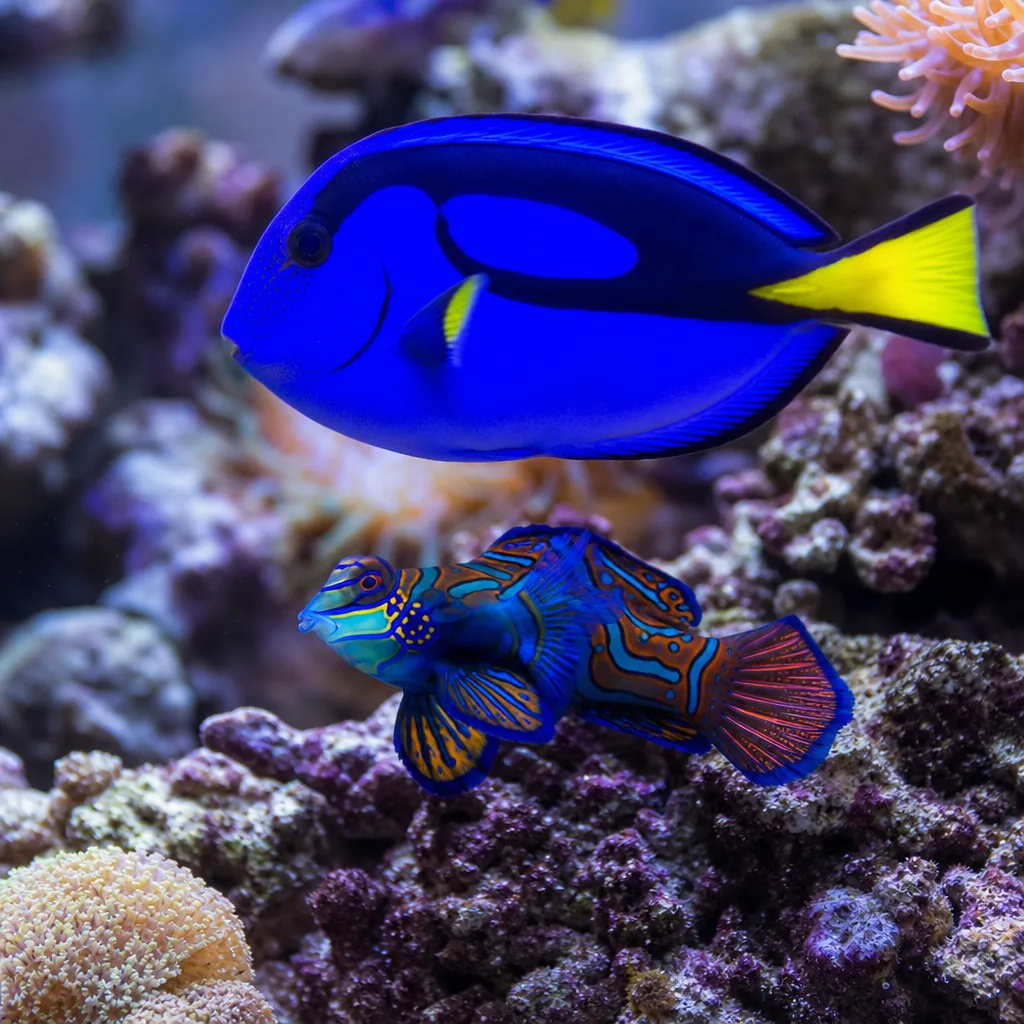
- Mandarin dragonets are stunning but typically need an established tank teeming with live copepods. A young system simply cannot feed them.
- Tangs are active and disease-prone, and most need far more swimming room than a first tank provides.
- Butterflyfish are often delicate, picky eaters, and many will nip at corals.
- Anything sold as a tiny juvenile that grows large. A fish that is cute at two inches and miserable at eight is not a beginner fish.
Stocking Order and Pace
Even the right fish can fail if added the wrong way. Your tank’s biological filter grows to match its load, and overwhelming it is how new tanks crash.
- Cycle the tank fully first. Do not add fish until the nitrogen cycle is established and stable.
- Start with the most peaceful fish. Adding mellow species first lets them settle before any feistier fish arrive.
- Add slowly. One or two fish at a time, with weeks between additions, gives the filter time to catch up.
- Save the aggressive fish for last. Adding territorial species after everyone else is established reduces bullying.
If you are still assembling your system, our saltwater hub covers filtration, flow, and lighting, and you can find vetted starter equipment in the shop.
Quarantine Saves Tanks
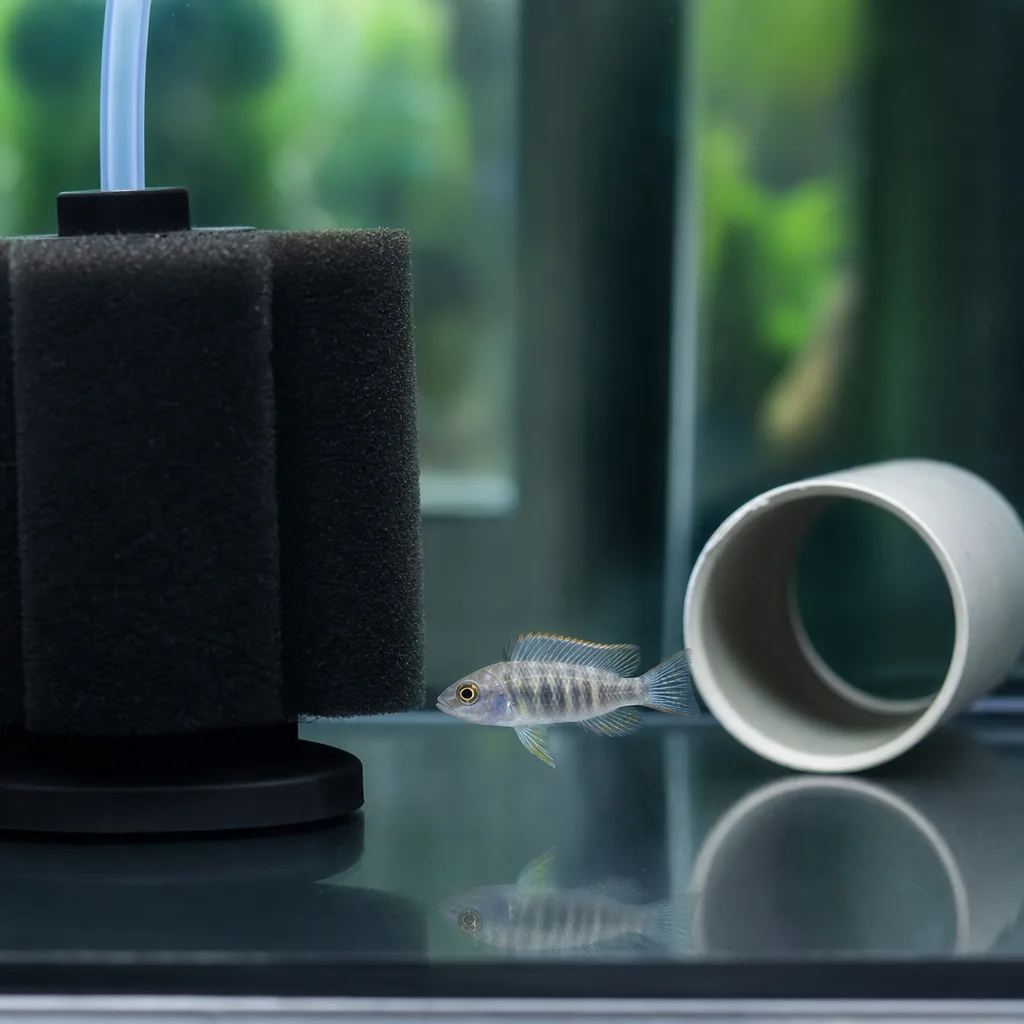
The most valuable habit you can build early is quarantining new arrivals in a separate, simple tank before they join your display. Saltwater fish are prone to parasites that spread fast in a closed system, and one untreated fish can wipe out a tank. A bare quarantine setup costs little and prevents the most expensive lesson in the hobby.
Feeding for Long-Term Health
Beginner fish are forgiving, but a varied diet keeps them that way. Rotate quality prepared foods, offer appropriately sized portions, and avoid the instinct to overfeed. Uneaten food fuels nuisance algae and degrades water quality far faster than most newcomers expect.
Building From a Solid Start
Pick a couple of hardy, peaceful fish, add them slowly to a fully cycled tank, quarantine everything new, and feed a varied diet in modest amounts. Get those fundamentals right and your first saltwater fish will likely be with you for years. For stocking ideas as your tank matures, keep an eye on the blog where we cover community building and reef-safe choices.
Frequently Asked Questions
What is the easiest saltwater fish for beginners?
Tank-bred clownfish are widely considered the best first fish. They are hardy, eat prepared food readily, stay small, and are full of personality. Captive-bred specimens are especially well adapted to aquarium life.
How many fish can I add at once?
Add only one or two small fish at a time and wait several weeks between additions. This lets your biological filter grow to handle the increased waste load and prevents the ammonia spikes that crash new tanks.
Do I really need a quarantine tank?
Yes, it is one of the most valuable habits in the hobby. Saltwater fish carry parasites that spread rapidly in a closed system, and a simple quarantine setup prevents a single sick fish from wiping out your display.
Why are tangs not good beginner fish?
Tangs are active swimmers that need far more room than most first tanks offer, and they are notably prone to parasites like ich. They are better suited to larger, well-established systems run by experienced keepers.
Can I keep two clownfish together?
Yes, a pair of the same species usually does well, and they will often establish themselves as a bonded pair. Avoid mixing different clownfish species in the same tank, as that frequently leads to aggression.