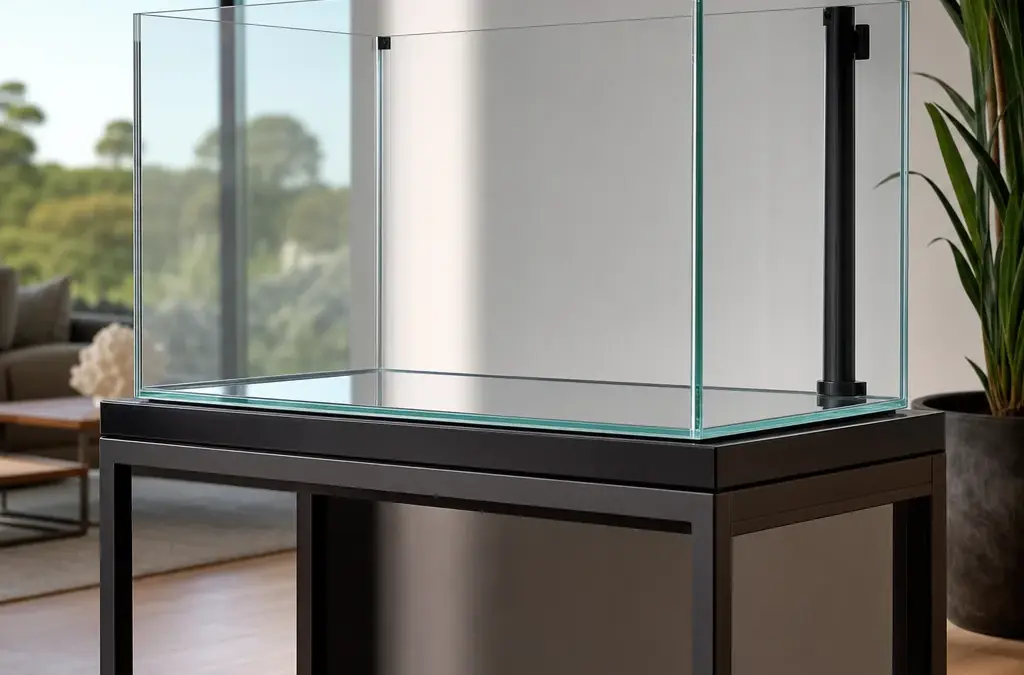
 Every new aquarium goes through a cycle: bacteria colonize rock, sand and filter surfaces and learn to turn toxic ammonia into nitrite, then into less harmful nitrate. In a saltwater tank, fish and invertebrates are especially sensitive to ammonia and nitrite. Cycling...
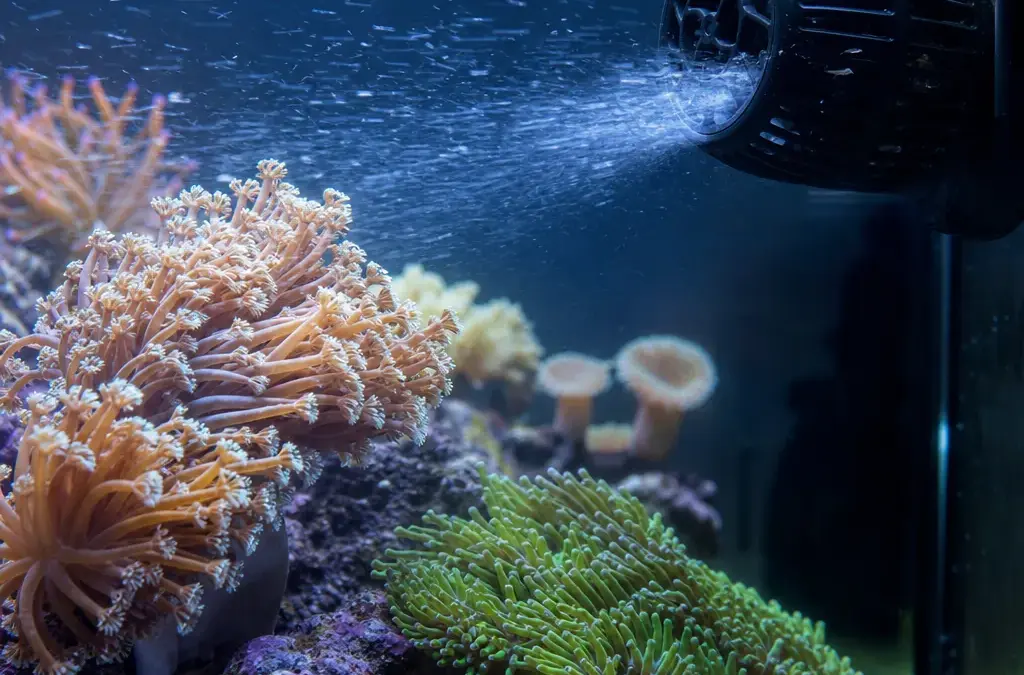 Corals can’t move to find food or shed waste, so the water has to do it for them. Flow brings food and oxygen, carries away waste, and helps keep detritus suspended so the skimmer and filter can remove it. A powerhead (also called a wavemaker) is the main tool...
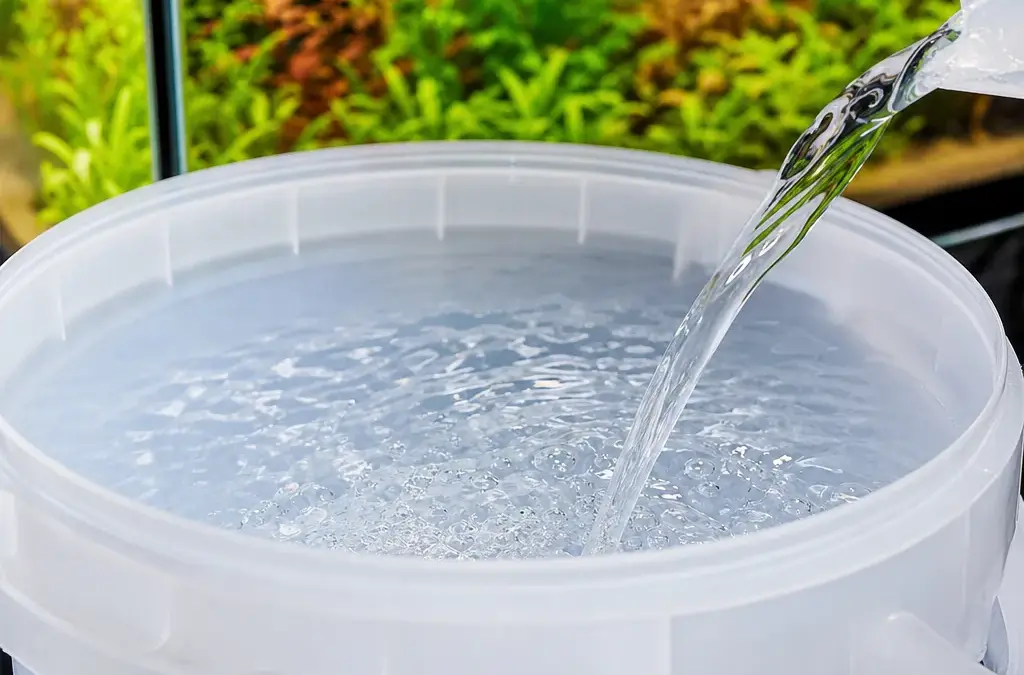 Ask experienced reef keepers what they wish they’d done sooner, and many will say they wish they had stopped using tap water. A freshwater community tank usually does fine with dechlorinated tap water. A reef tank is a different story. Corals and invertebrates...
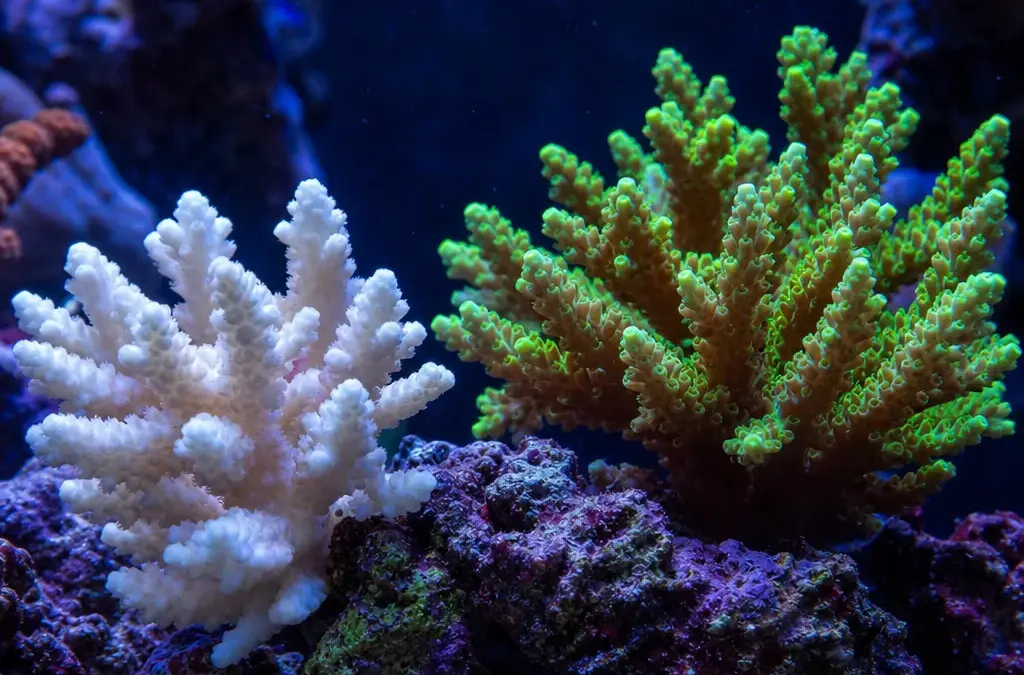 Few things in the hobby are as frustrating as watching a coral you were excited about go pale, turn a dull brown, or simply refuse to grow for months. The good news is that coral health is rarely a mystery once you know what to look at. Bleaching, browning, and...
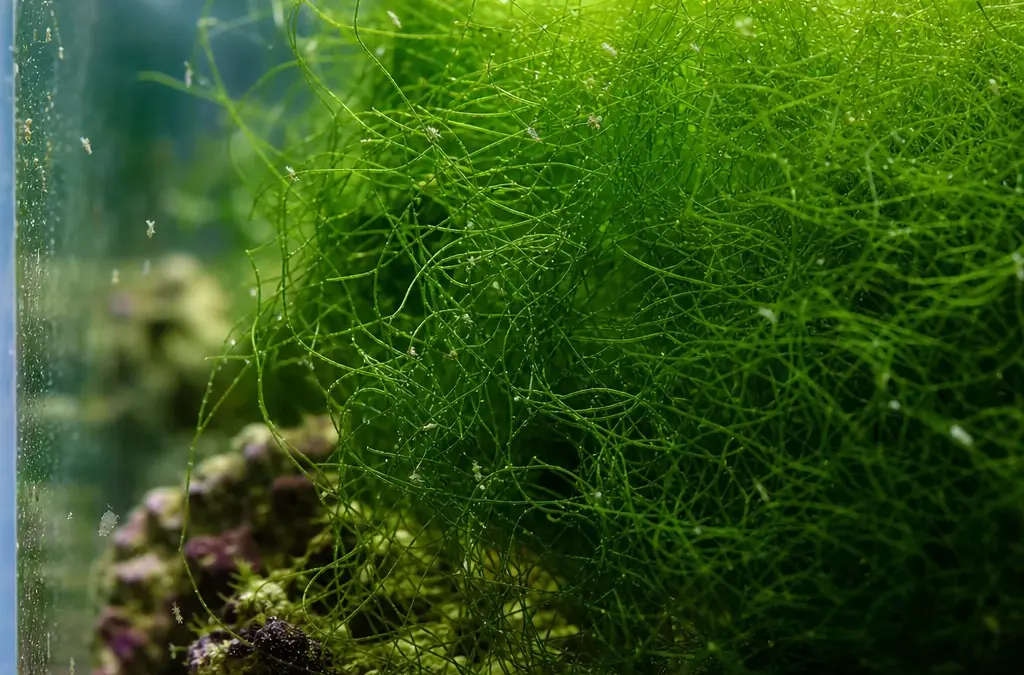 Ask ten reefers whether you need a refugium and you will get ten confident answers, half of them contradictory. The truth is that a refugium is not mandatory, but it is one of the most useful low-tech tools in the hobby. It is essentially a separate compartment,...