
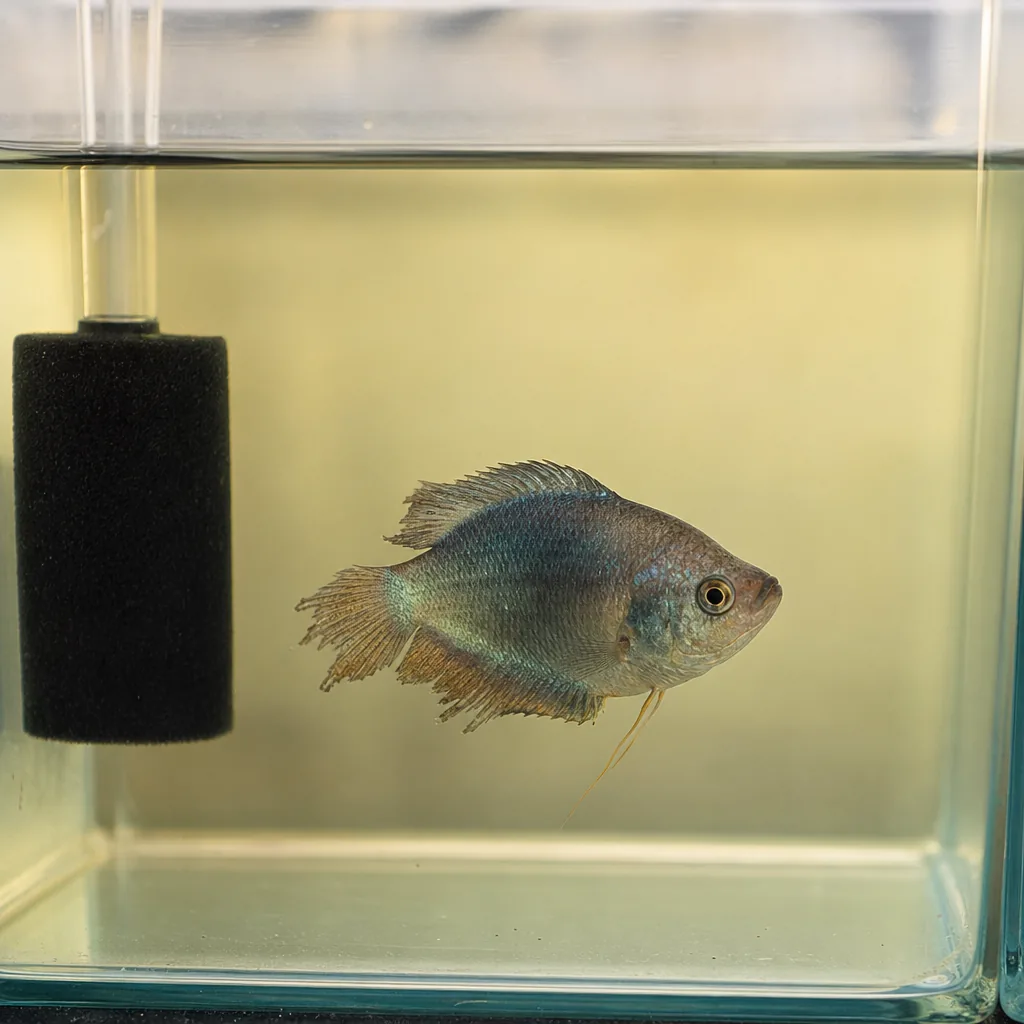
If you see a grayish-white, cottony patch on a fish, especially around the mouth, back, or fins, your first instinct is probably fungus. Nine times out of ten it is actually columnaris, a bacterial infection that spreads fast and can wipe out a tank in days if you treat it as the wrong thing. Knowing the difference changes everything about how you respond.
What Columnaris Really Is
Columnaris is caused by the bacterium Flavobacterium columnare, which lives in almost every aquarium at low levels. It becomes a problem when fish are stressed, water quality slips, or temperatures climb. It is often called mouth fungus, cotton mouth, or saddleback disease, and none of those names help because it is not a fungus at all. That distinction matters: antifungal medications will not cure it.
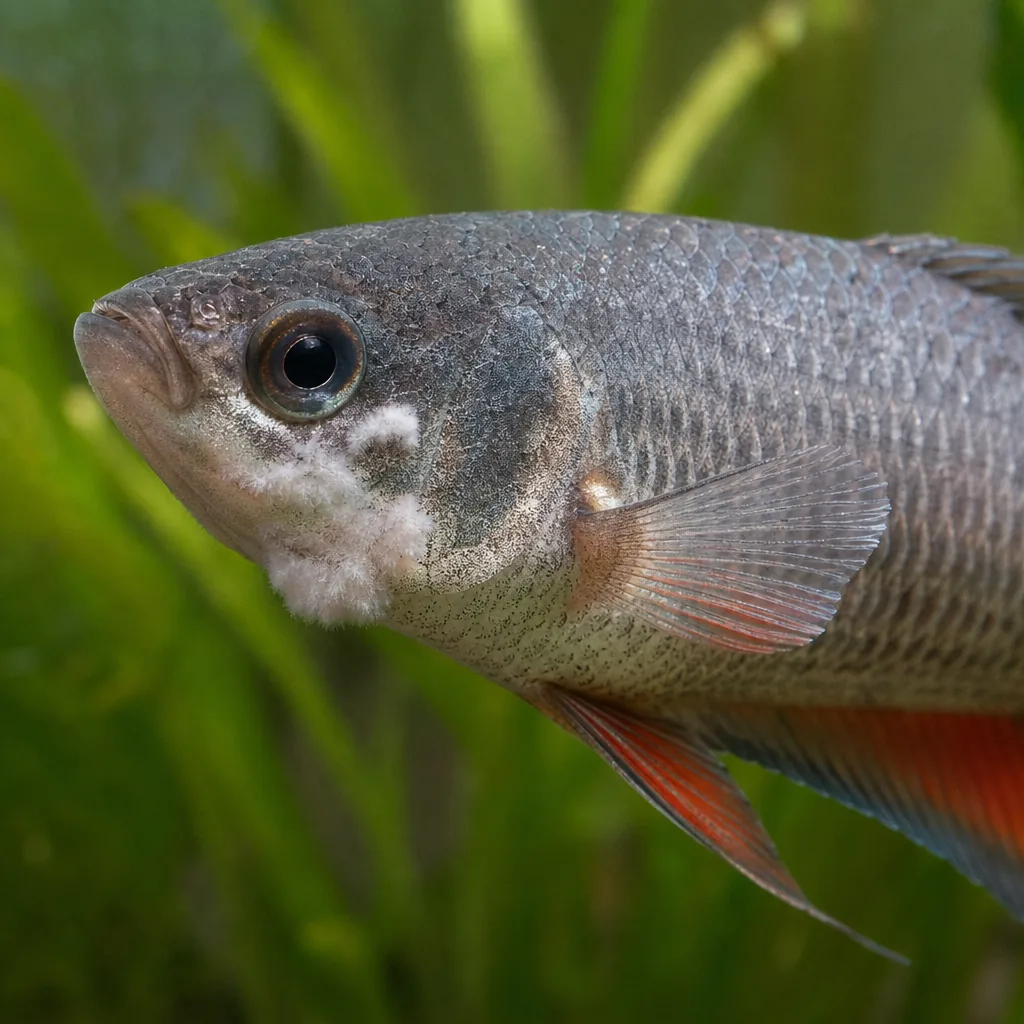
How to Tell Columnaris From True Fungus
Both can look white and fuzzy, but there are reliable tells:
- Columnaris often appears as flat, grayish-white patches, a saddle-shaped mark across the back, or a fraying, cotton-like growth around the mouth.
- True fungus (Saprolegnia) looks more like distinct cottony tufts, usually on already-damaged tissue or dead spots.
- Columnaris moves fast, sometimes killing within 24 to 72 hours, and often comes with rapid breathing, frayed fins, and lethargy.
- Columnaris tends to strike multiple fish, while true fungus usually stays isolated to an injured individual.
When in doubt, treat for columnaris. It is the far more dangerous of the two and the more common culprit.
Immediate Steps When You Spot It
Columnaris thrives in warm water, which is the opposite of most fish diseases. This creates a difficult trade-off in tropical tanks. Take these steps right away:
- Lower the temperature if your fish can tolerate it. Cooler water slows the bacteria; do it gradually, only a couple of degrees at a time.
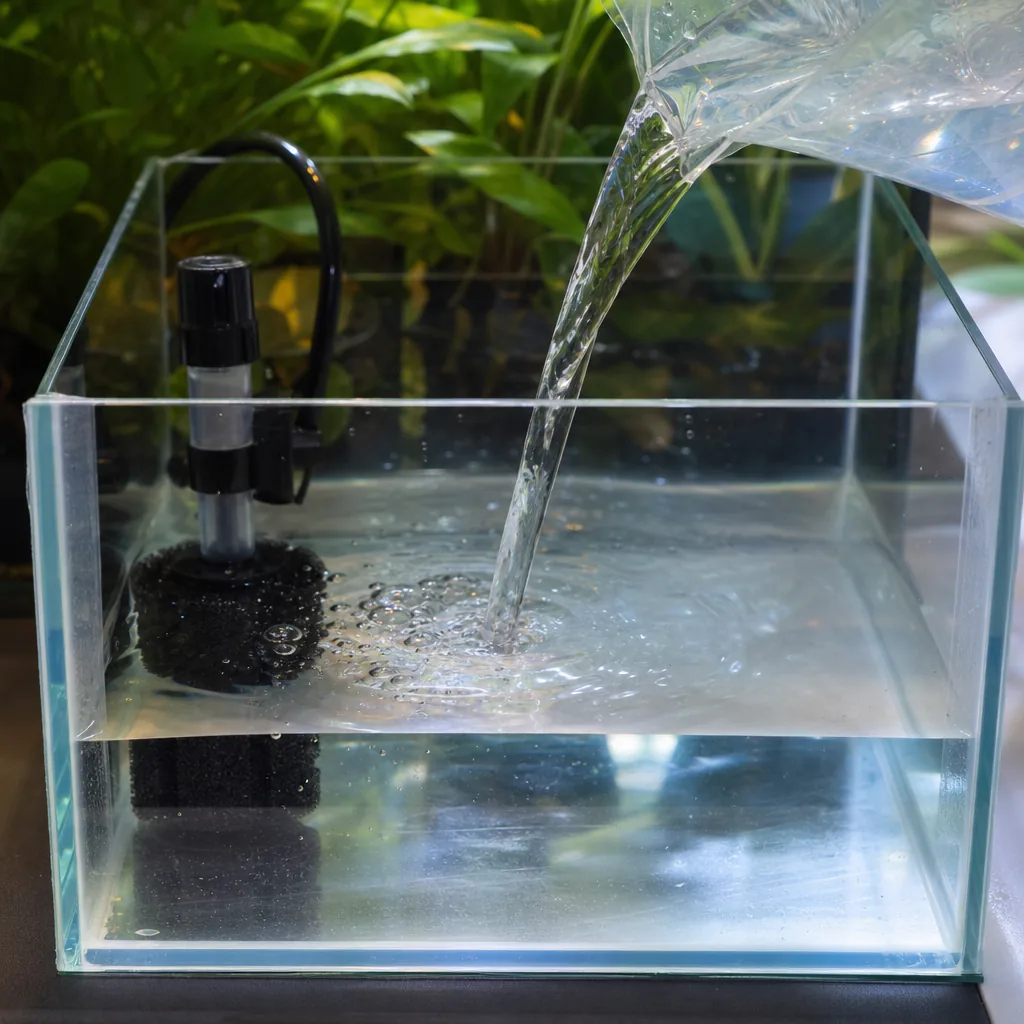
- Do a partial water change to reduce the bacterial load and improve water quality.
- Isolate visibly infected fish in a hospital tank if you can, since medicating the display tank affects your biological filter and any invertebrates.
- Stop feeding heavily; excess food fouls the water and feeds the bacteria.
A dedicated hospital tank makes this far easier to manage. See our freshwater setup guides for a simple quarantine build.
Treating Columnaris
Because it is bacterial, columnaris responds to antibacterial medication, not antifungal or antiparasitic products. External infections often respond to a combination of medications targeting gram-negative bacteria. Internal or systemic cases usually require antibiotics in the water or medicated food.
Whatever you use, follow these principles:
- Read and follow the medication dosing exactly, and complete the full course even if the fish looks better.
- Remove chemical filtration like activated carbon while medicating, since it strips the medicine out of the water.
- Add extra aeration. Many medications reduce oxygen levels, and infected fish are already struggling to breathe.
- Treat the whole hospital tank, not just the visible spot.
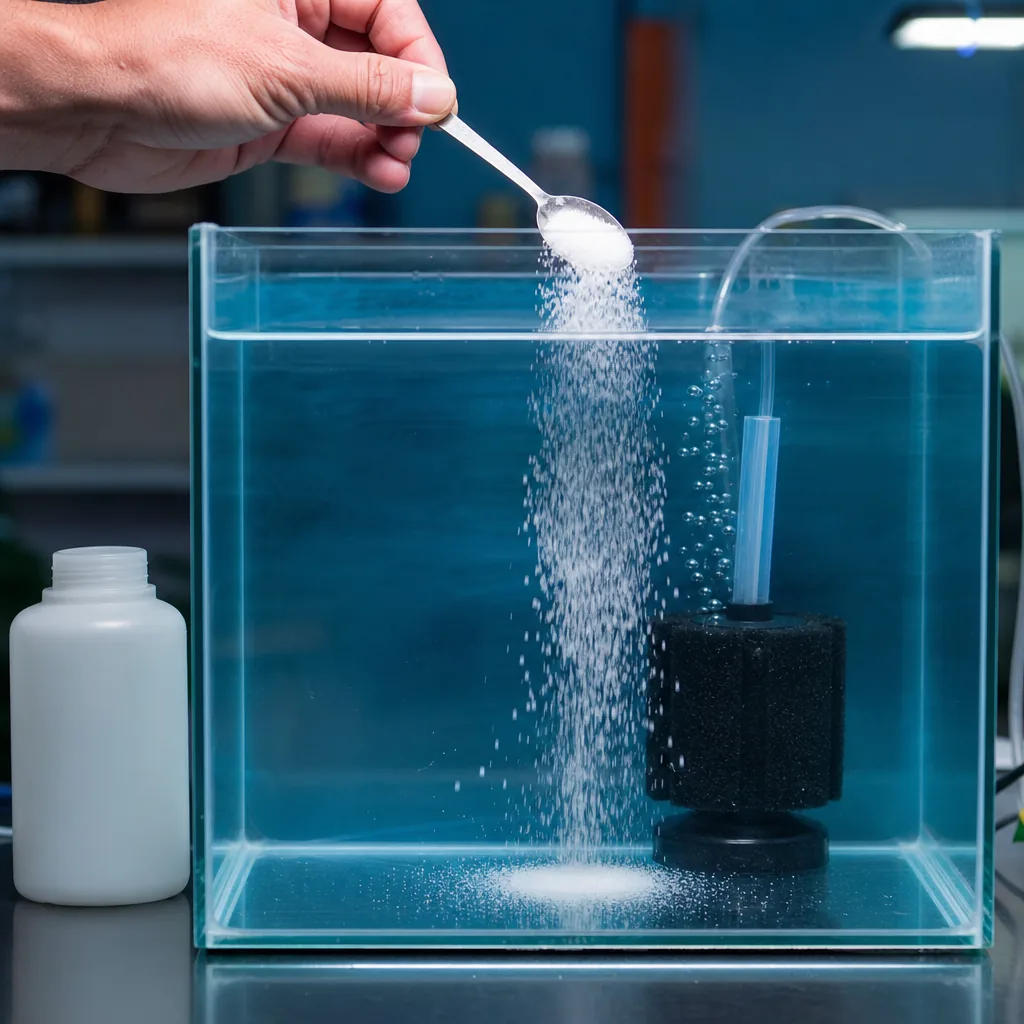
Aquarium salt can help in some cases, but be cautious: certain columnaris strains actually tolerate salt better, and salt-sensitive species like many catfish will not appreciate it. When it doubt, prioritize the antibacterial medication.
Why It Happened: The Real Cause
Columnaris is opportunistic. It almost never strikes a healthy, well-maintained tank out of nowhere. The outbreak is a symptom of an underlying stressor: high temperature, poor water quality, overcrowding, rough handling, or a new fish introduced without quarantine. If you treat the infection but not the cause, it comes back.
Preventing Future Outbreaks
Prevention comes down to keeping stress low and water clean:
- Quarantine every new fish for two to four weeks before adding it to your display tank.
- Keep the temperature in the correct range for your species and avoid running warmer than necessary.
- Maintain consistent water changes and never overstock.
- Handle fish gently and avoid injuries that give bacteria an entry point.
- Feed a varied, quality diet so fish keep strong immune systems.
You can find quarantine and medication supplies in the shop, and more disease-response walkthroughs on the blog. Columnaris is frightening because of how quickly it moves, but caught early and treated as bacterial, most tanks pull through.
Frequently Asked Questions
Is columnaris a fungus?
No. Despite nicknames like mouth fungus and cotton mouth, columnaris is a bacterial infection caused by Flavobacterium columnare. Antifungal medications will not cure it; you need an antibacterial treatment.
How fast does columnaris kill fish?
Aggressive strains can kill within 24 to 72 hours, which is why fast identification and treatment matter. Milder cases progress more slowly but still spread through a tank if untreated.
Should I raise or lower the temperature for columnaris?
Lower it, gradually and within your species’ tolerance. Columnaris thrives in warm water, unlike most fish diseases, so cooler temperatures slow it down while medication does the work.
Can columnaris spread to other fish?
Yes, it is contagious and often affects several fish at once. Isolate infected fish in a hospital tank if possible and improve water quality in the main tank to reduce the risk.
Does aquarium salt cure columnaris?
Not reliably. Some columnaris strains tolerate salt, and many species dislike it, so salt is at best a supporting measure. Prioritize a proper antibacterial medication for the primary treatment.