
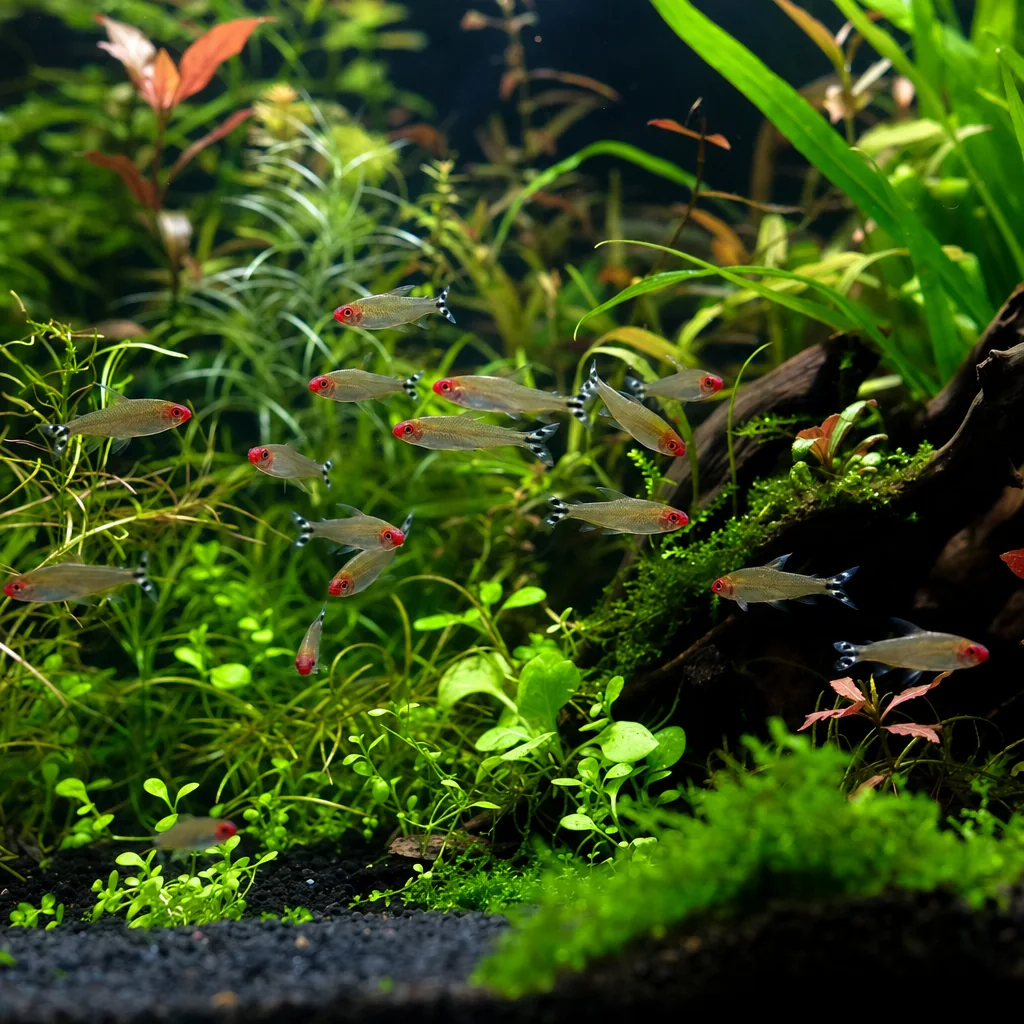
“How many fish can I put in here?” is the question every beginner asks, usually right before overstocking their tank. The honest answer is that there’s no clean formula, and the popular shortcuts do more harm than good. Stocking is a judgment call based on adult size, waste output, behavior, and your filtration, and learning to make that call is what separates a stable tank from a crowded, sickly one.
What follows is how experienced keepers actually think about stocking, including why the rule everyone repeats is the one you should ignore.
Forget the One-Inch-Per-Gallon Rule
The classic “one inch of fish per gallon” rule is everywhere, and it’s badly broken. It treats a slim one-inch tetra and a stocky bottom-feeder as equivalent, ignores the fact that a fish’s waste output scales with bulk rather than length, and tempts people into housing a fish whose adult size will never fit. A six-inch fish is not six one-inch fish; it’s far more mass, far more waste, and far more space required.
Use it as the loosest possible sanity check and nothing more. Real stocking decisions rest on the factors below.
Plan for Adult Size, Not Store Size
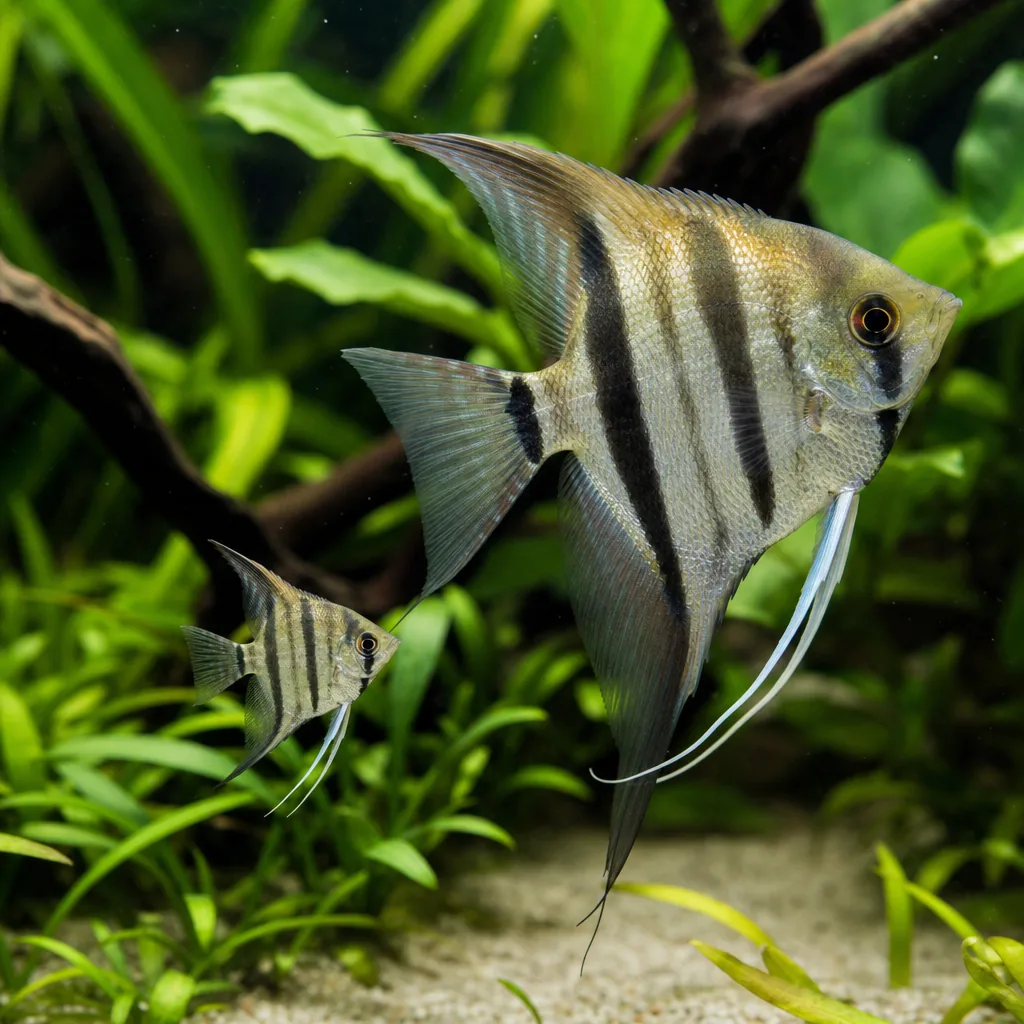
The biggest stocking mistake is buying for the fish in the cup instead of the fish it becomes. Many species sold tiny grow dramatically, and a tank that looks roomy on day one becomes cramped within months. Always research the adult size of every species before you buy and stock for the animal it will be, not the juvenile in the store. Our freshwater section notes adult sizes for common beginner fish.
Bioload Is What Really Matters
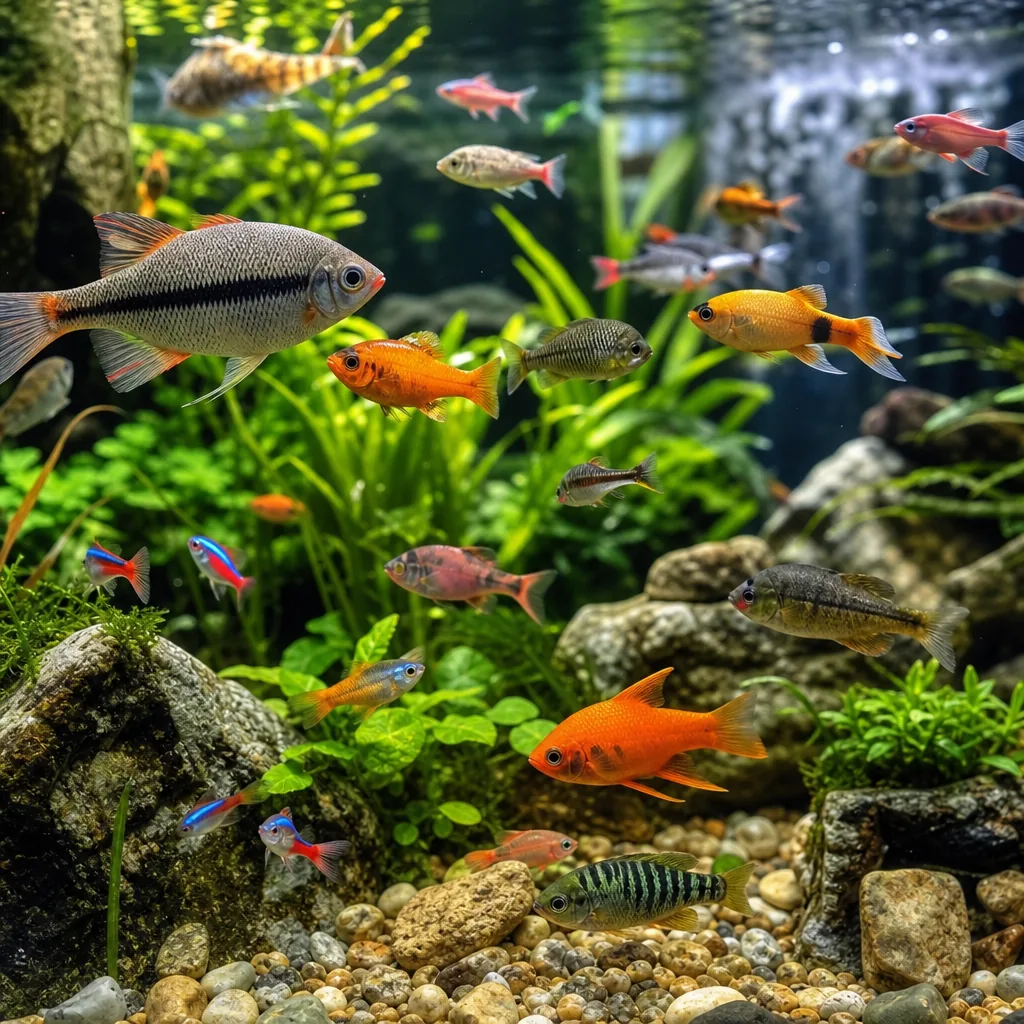
Bioload is the total waste your fish produce, and it’s the true limit on stocking. Two factors drive it:
- Fish mass: bigger, bulkier fish produce far more waste than slim ones of the same length.
- Species habits: some fish are notoriously messy eaters and heavy waste producers regardless of size.
Your filtration and water changes have to keep up with that waste. A tank with strong filtration and diligent maintenance can responsibly hold more than a lightly filtered, neglected one. Stocking and filtration are two halves of the same decision; browse options in our filtration guides.
Account for Behavior and Swimming Space
Numbers aren’t everything. How fish use the tank matters just as much.
Schooling Fish Need Groups
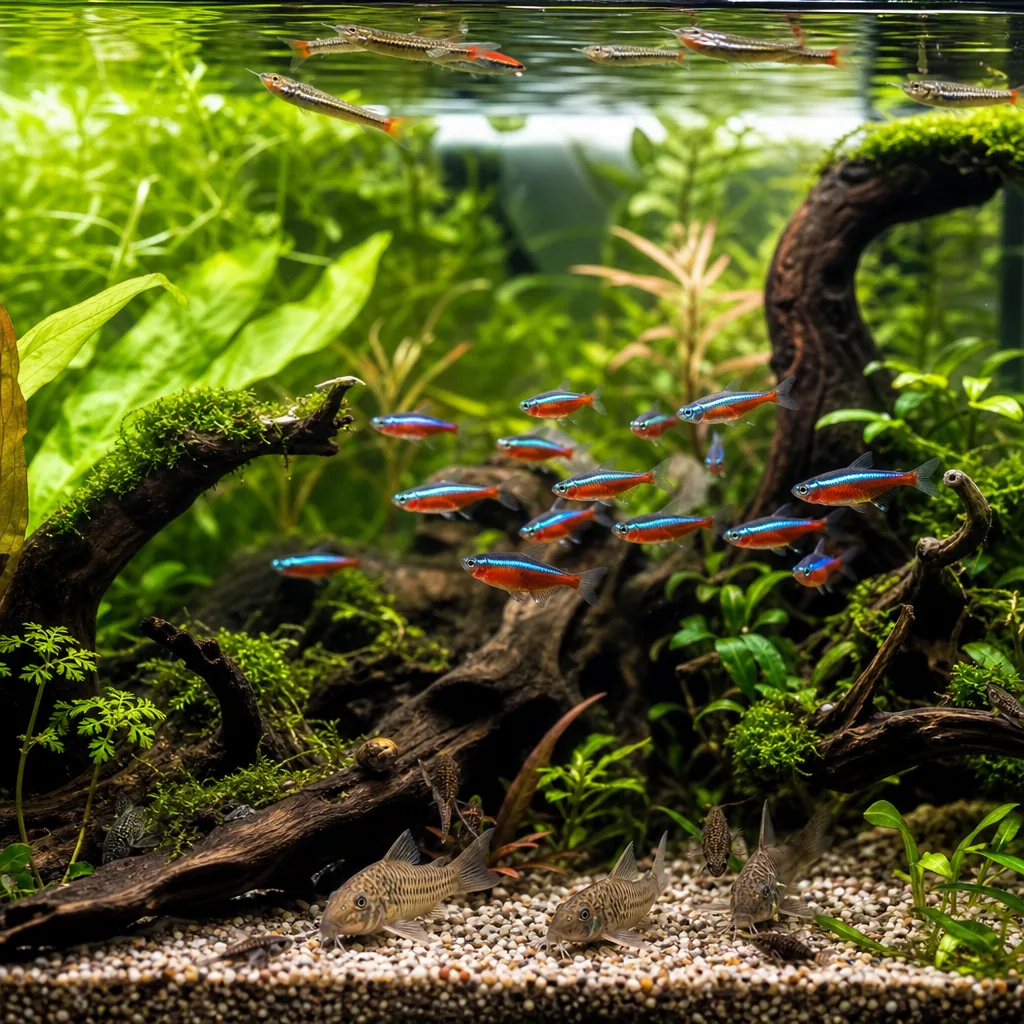
Many popular species are schooling fish that become stressed and skittish in small numbers. They need to be kept in groups of six or more, which means they take up more of your stocking budget than a single fish would. Keeping too few isn’t just unkind; it leads to nipping and stress-related illness.
Territory and Temperament
Some fish are territorial and need space to claim, while aggressive species may need to be the sole occupants of their kind. A tank that’s numerically understocked can still be “full” if the fish in it won’t tolerate company.
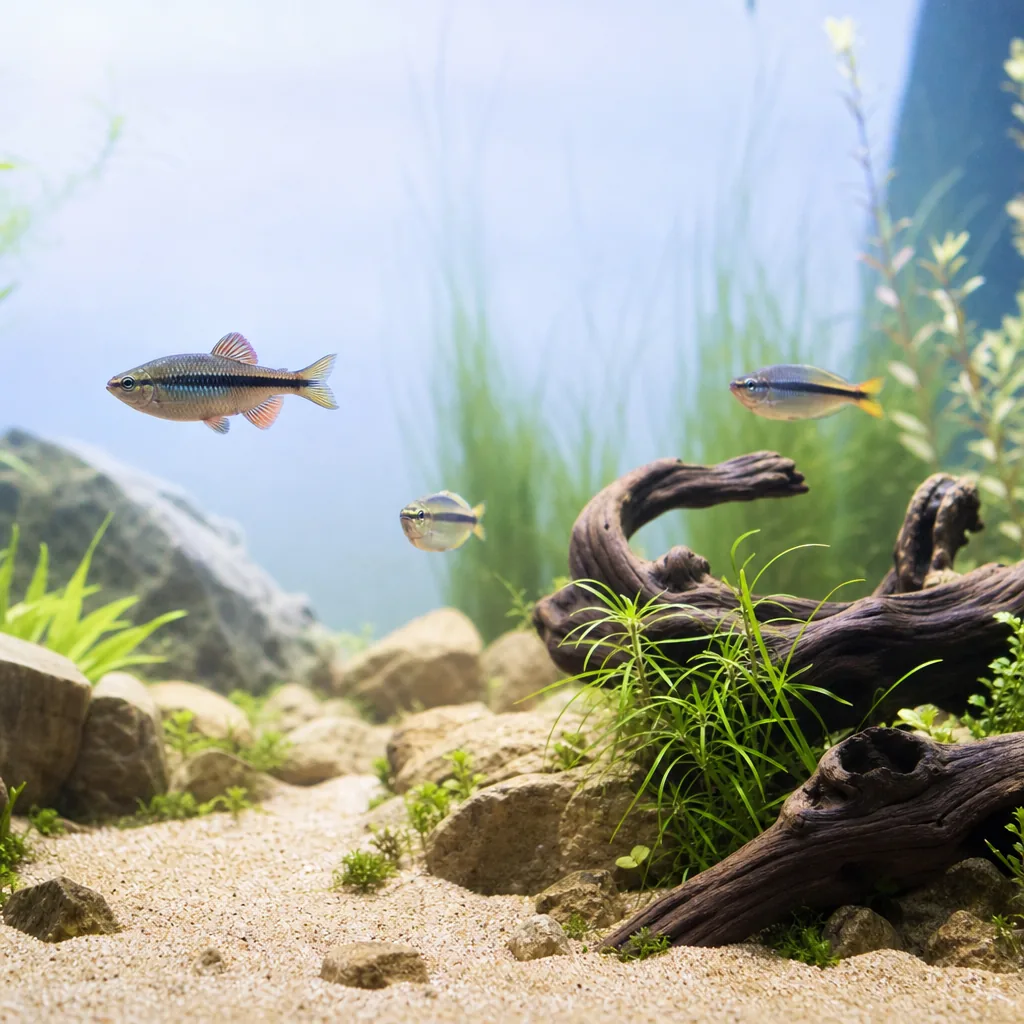
Use the Water Column
A smarter way to stock is to spread fish across the levels of the tank. Choosing species that occupy the top, middle, and bottom makes the tank feel active and balanced without overcrowding any one zone.
- Top: surface-dwelling fish that hang near the waterline.
- Middle: the open-water schooling species most people picture.
- Bottom: catfish, loaches, and other substrate-dwellers.
This approach uses your space efficiently and reduces competition between fish.
Stock Slowly and Watch the Water
However you plan it, add fish gradually rather than all at once. Slow stocking lets your beneficial bacteria scale up to the rising waste load and prevents ammonia spikes. Test the water as you go; if ammonia or nitrate climbs and won’t settle, you’ve found your real limit regardless of any formula.
Good stocking is less about a magic number and more about understanding your fish and your filtration together. Plan for adult size, respect bioload and behavior, use the whole water column, and stock slowly while watching the water. Err toward fewer fish; an understocked tank is forgiving, while an overstocked one is a constant battle. More planning guides live on our blog.
Frequently Asked Questions
Is the one-inch-per-gallon rule accurate?
Not really. It ignores fish bulk, waste output, and adult size, treating a slim tetra and a stocky fish as equal. Use it only as the loosest sanity check and base real decisions on bioload, adult size, and behavior.
What is bioload in an aquarium?
Bioload is the total waste your fish produce, which your filtration and water changes must process. Bigger, bulkier, and messier fish add more bioload, and it’s the true limit on how many fish a tank can hold.
Should I stock my tank all at once?
No. Add fish gradually over weeks so your beneficial bacteria can grow to match the rising waste load. Stocking everything at once often causes an ammonia spike that stresses or kills fish.
Do I need to keep schooling fish in groups?
Yes. Schooling species become stressed, skittish, and prone to nipping when kept in small numbers. Most need groups of six or more, so plan for that when budgeting your stocking.
How do I know if my tank is overstocked?
Watch the water. If ammonia or nitrate keeps climbing despite regular water changes, the tank is overstocked regardless of any formula. Persistent water-quality struggles are the clearest sign you have too many fish.