
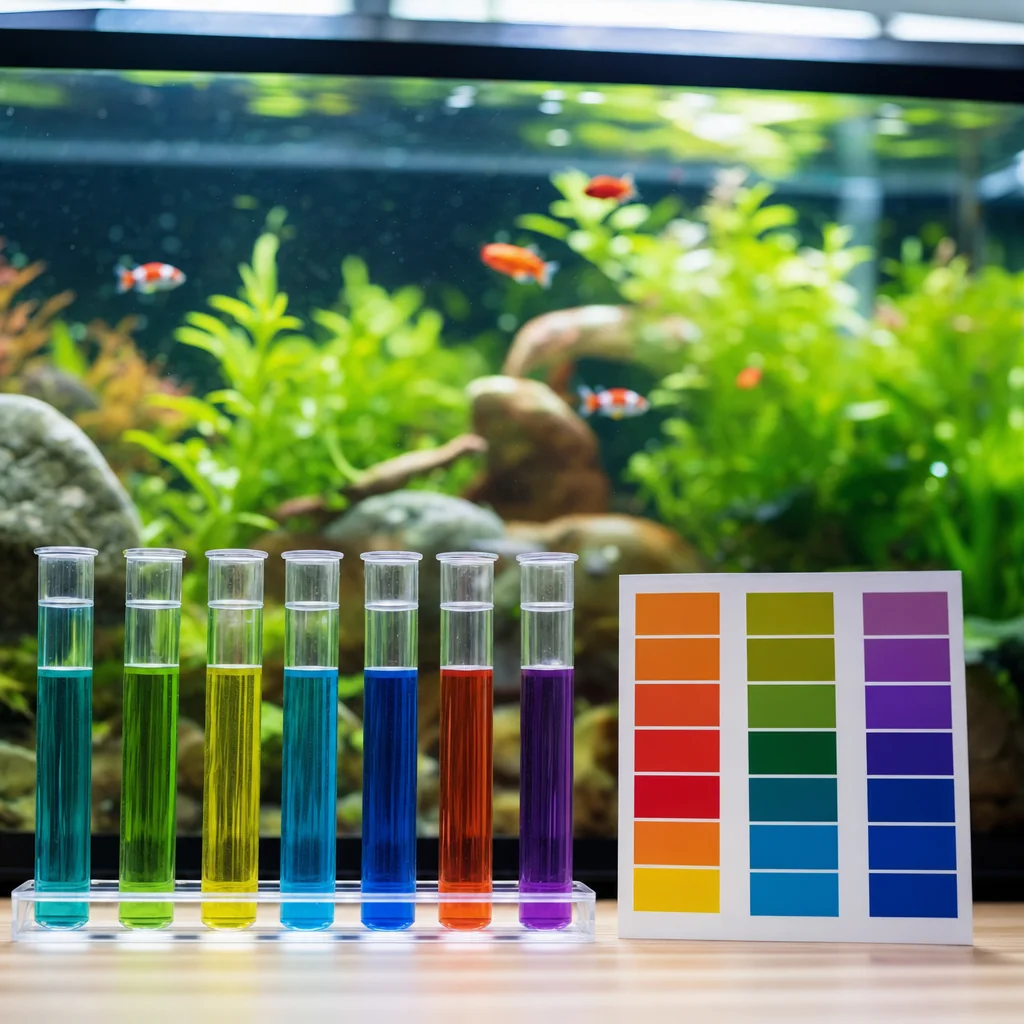
Fishkeeping is really water keeping. The fish are just the part you can see; the part that keeps them alive is invisible chemistry happening in the water around them. Beginners who learn to read a handful of parameters skip past the trial-and-error stage that costs everyone else their first batch of fish.
You don’t need a chemistry degree, just a liquid test kit and an understanding of what a few numbers mean. Here are the parameters that matter, why they matter, and what to do when they drift.
The Nitrogen Cycle Trio: Ammonia, Nitrite, Nitrate
These three are the heart of aquarium chemistry, and they tell the story of your nitrogen cycle.
- Ammonia: produced by fish waste and decaying food, and highly toxic. In a healthy tank it should read zero.
- Nitrite: the next step, created as bacteria process ammonia. Also toxic, also should read zero in an established tank.
- Nitrate: the relatively harmless end product. It’s normal to have some, and you control it with water changes; let it climb too high and it stresses fish over time.
When all three behave correctly, your tank is cycled and stable. When ammonia or nitrite appears, something is wrong, and our freshwater guides cover how to respond.
pH and Why You Shouldn’t Chase It
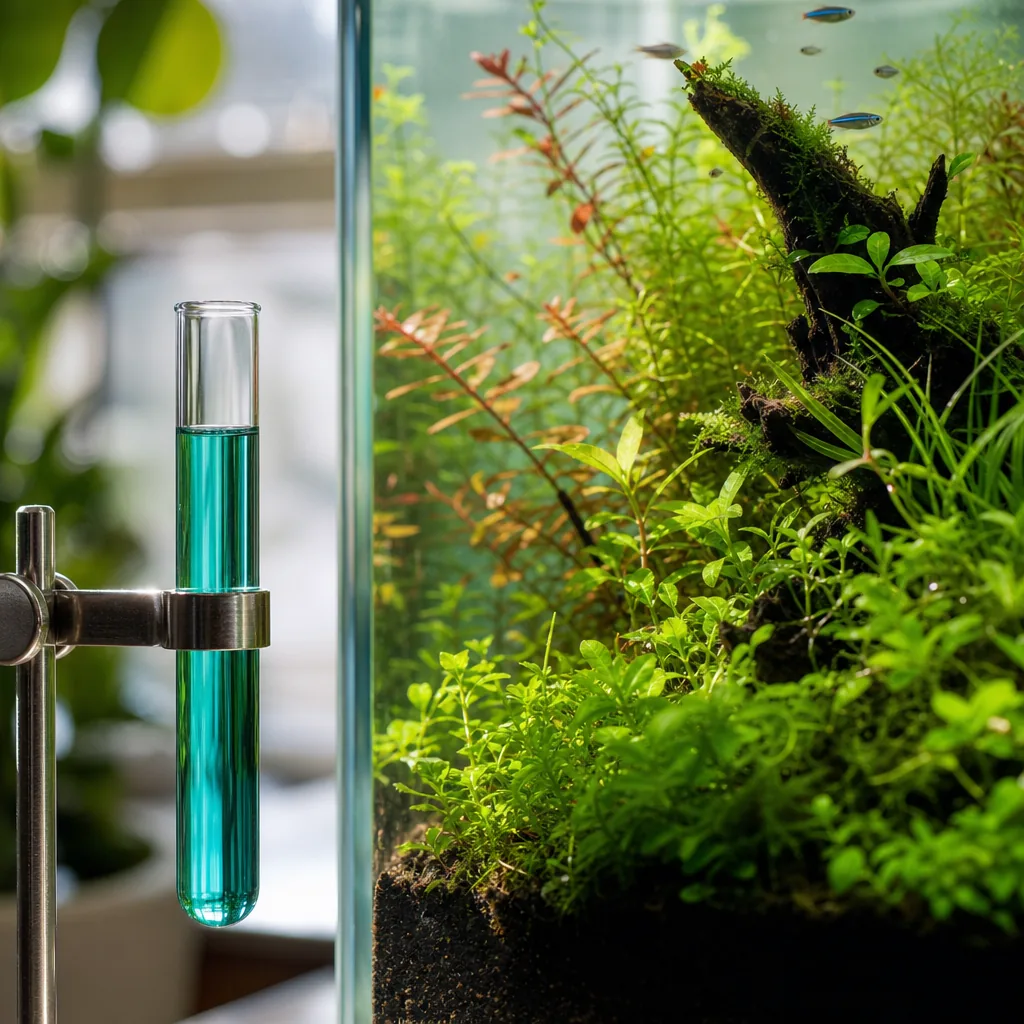
pH measures how acidic or basic your water is. Most community fish adapt to a wide range, so a stable pH matters far more than a “perfect” number. The classic beginner mistake is dumping in chemicals to hit a target, which causes sudden swings that are more dangerous than the original reading ever was.
Test your tap water’s pH, let your tank settle there, and choose fish suited to that range rather than fighting your water. Stability beats perfection every time.
Temperature
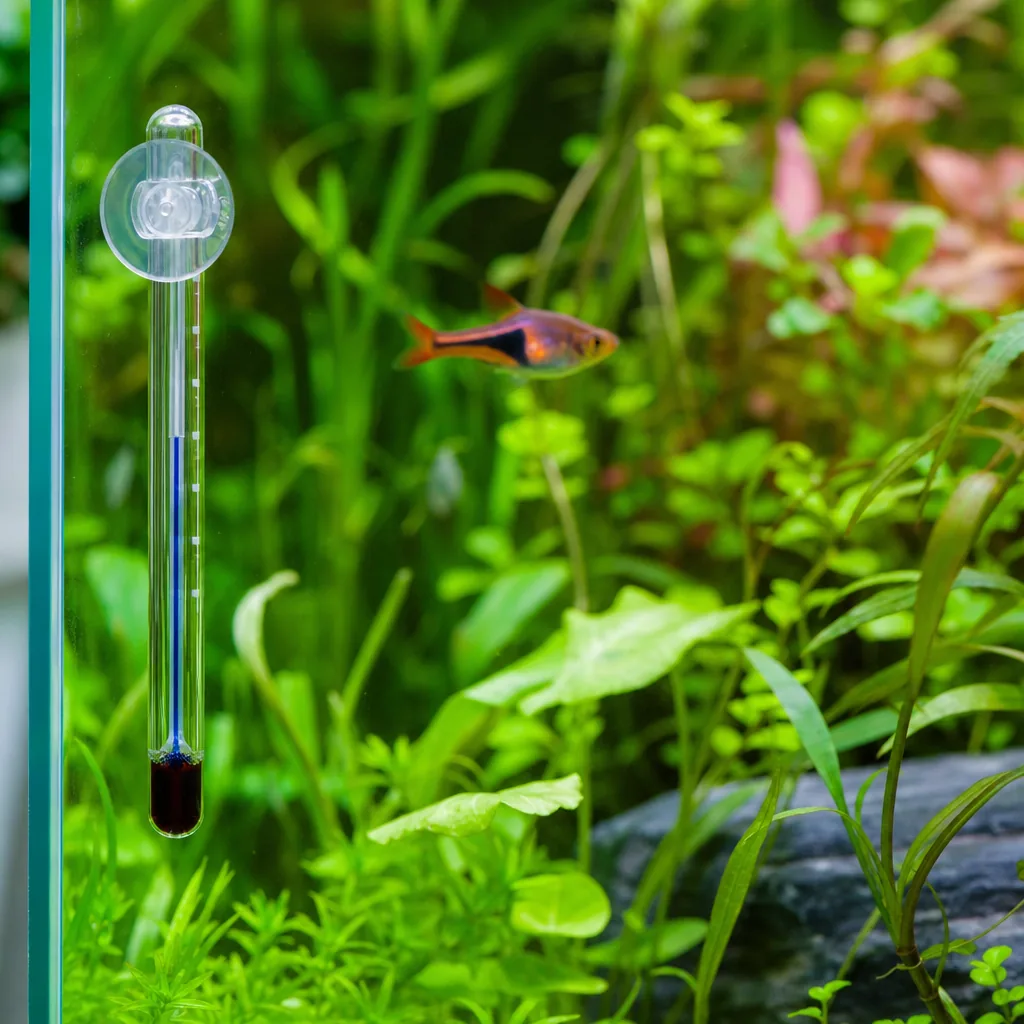
Temperature drives everything from metabolism to immune function. Tropical community fish generally want stable warmth, which is why a heater matched to your tank volume is essential. Sudden swings stress fish and can trigger disease, so a reliable heater and a thermometer to verify it are basic equipment. You’ll find appropriately sized heaters in our gear guides.
Water Hardness: GH and KH
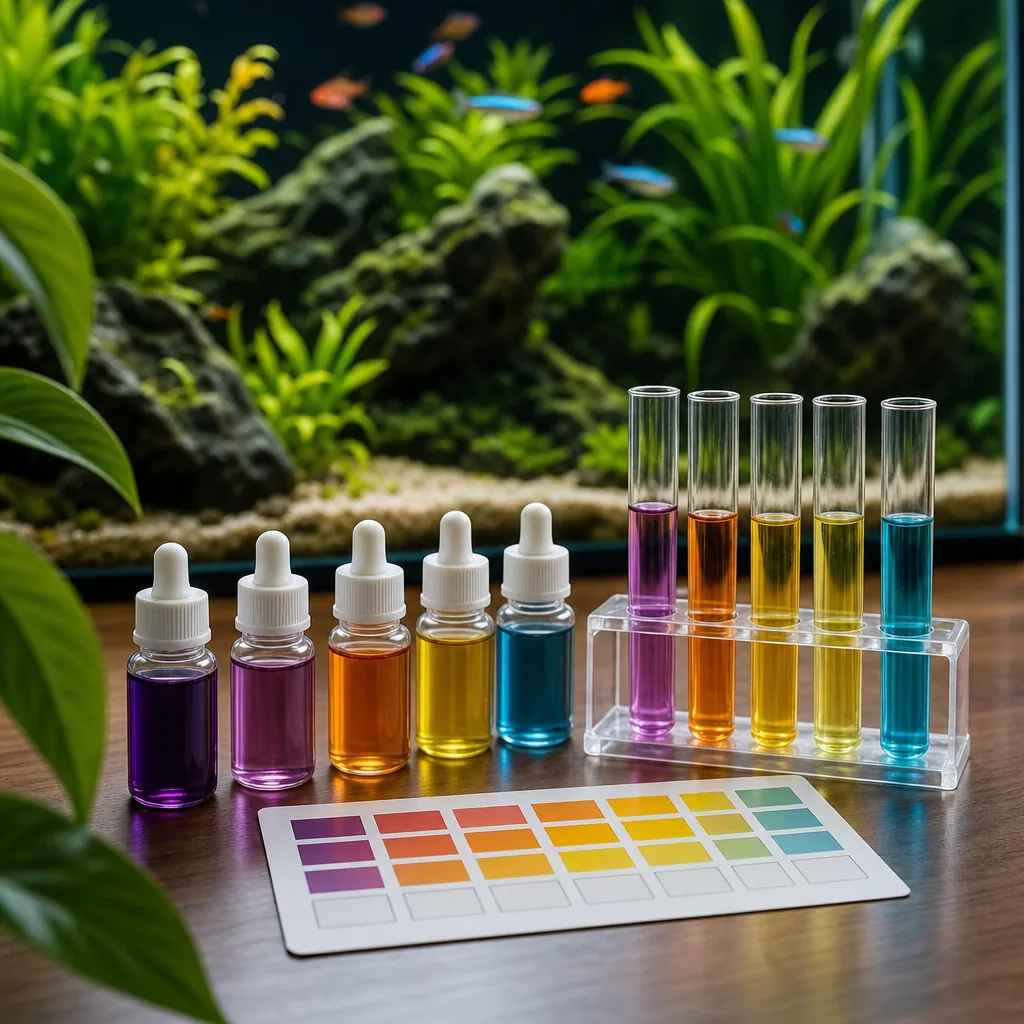
Hardness gets overlooked by beginners but quietly affects everything else.
General Hardness (GH)
GH measures dissolved minerals like calcium and magnesium. Some fish prefer soft water, others hard; matching your fish to your water’s natural hardness saves endless trouble.
Carbonate Hardness (KH)
KH is your water’s buffering capacity, its ability to resist pH swings. Low KH means an unstable pH that can crash without warning. Knowing your KH explains a lot of “random” pH problems, and it’s why some tanks are far more stable than others.
How Often to Test
Test more in the beginning and ease off as the tank matures.
- New tank: test ammonia, nitrite, and nitrate frequently while cycling.
- Established tank: a weekly check keeps you ahead of problems.
- When something’s wrong: any sign of stress, illness, or a death warrants an immediate full test.
A liquid test kit is more accurate and economical over time than test strips, and it’s the single most useful diagnostic tool you can own.
Learn to read these numbers and you stop guessing. Most aquarium disasters announce themselves in the water chemistry long before the fish look sick, so a keeper who tests regularly catches problems while they’re still easy to fix. Keep it simple, aim for stability, and let the test kit do the talking. More fundamentals live on our blog.
Frequently Asked Questions
What water parameters matter most for beginners?
Ammonia, nitrite, and nitrate tell you whether your nitrogen cycle is working, so they matter most early on. Temperature, pH stability, and water hardness round out the picture for long-term health.
Should I adjust my tank’s pH?
Usually not. A stable pH is more important than a specific number, and chemicals that chase a target often cause dangerous swings. Let the tank settle at your tap water’s pH and choose fish that suit it.
Are test strips or liquid test kits better?
Liquid test kits are generally more accurate and more economical over time. Strips are convenient for a quick glance but tend to be less reliable for the readings that matter most.
How often should I test my aquarium water?
Test frequently while a new tank is cycling, then about weekly once it’s established. Always run a full test immediately if a fish looks sick or dies.
What is KH and why does it matter?
KH is carbonate hardness, your water’s ability to resist pH swings. Low KH leaves pH unstable and prone to crashing, which explains many seemingly random pH problems in new tanks.