
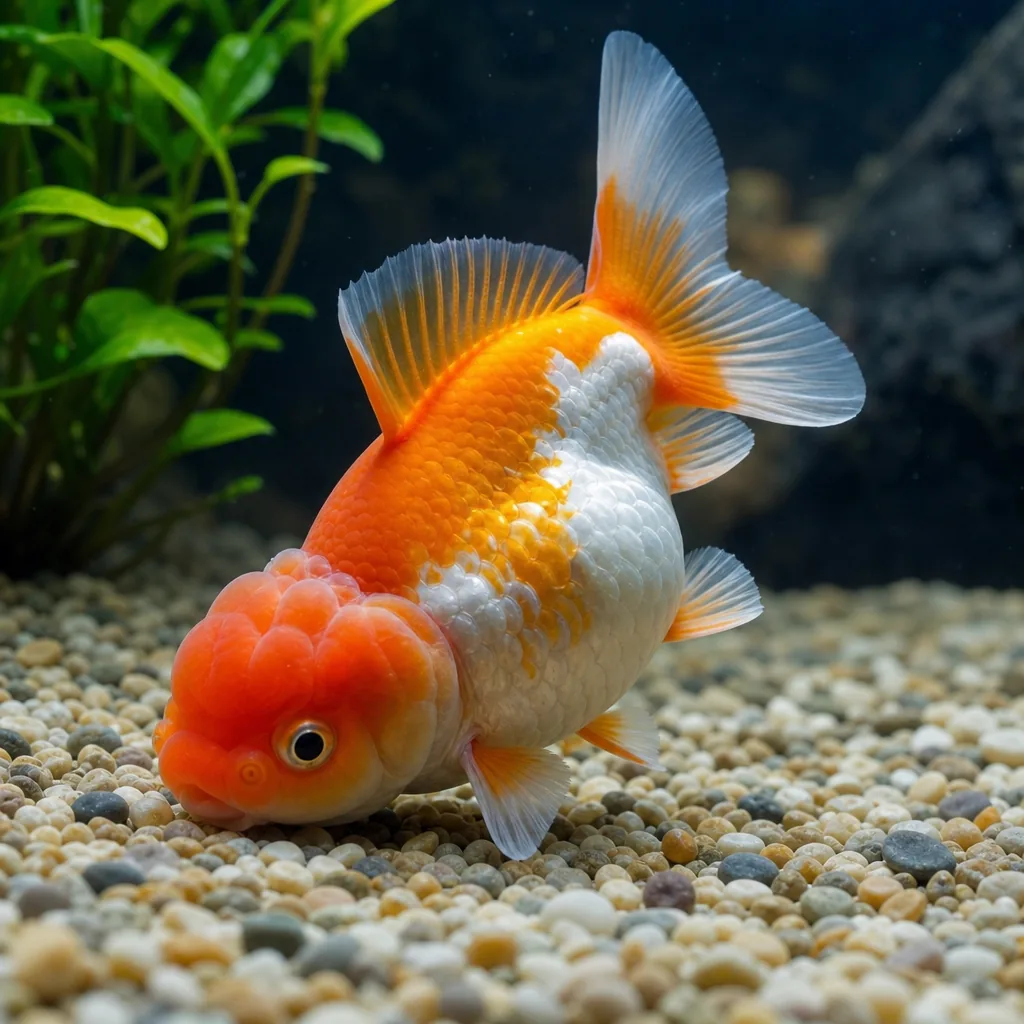
Watching a fish float upside down, list to one side, or sink to the bottom and struggle to rise is alarming, and it is one of the most common non-fatal problems keepers face. The good news is that swim bladder disease is often not a disease at all but a symptom, and the most frequent cause is something you can fix at the dinner bowl. Here is what is actually going on and the practical steps that resolve most cases.
What Is the Swim Bladder?
The swim bladder is a gas-filled internal organ that lets a fish control its buoyancy and stay level in the water without constant effort. When it stops working properly, the fish can’t regulate its depth, so it floats, sinks, or swims at an odd angle. “Swim bladder disease” is really a catch-all term for anything that disrupts that balance.
The Signs
- Floating at the surface or being unable to stay down.
- Sinking to the bottom and struggling to lift off.
- Swimming sideways, upside down, or with the tail higher than the head.
- A curved back or a visibly swollen belly.
- Still eating and alert, which is common and a good sign for recovery.
The Most Common Cause: Diet and Digestion
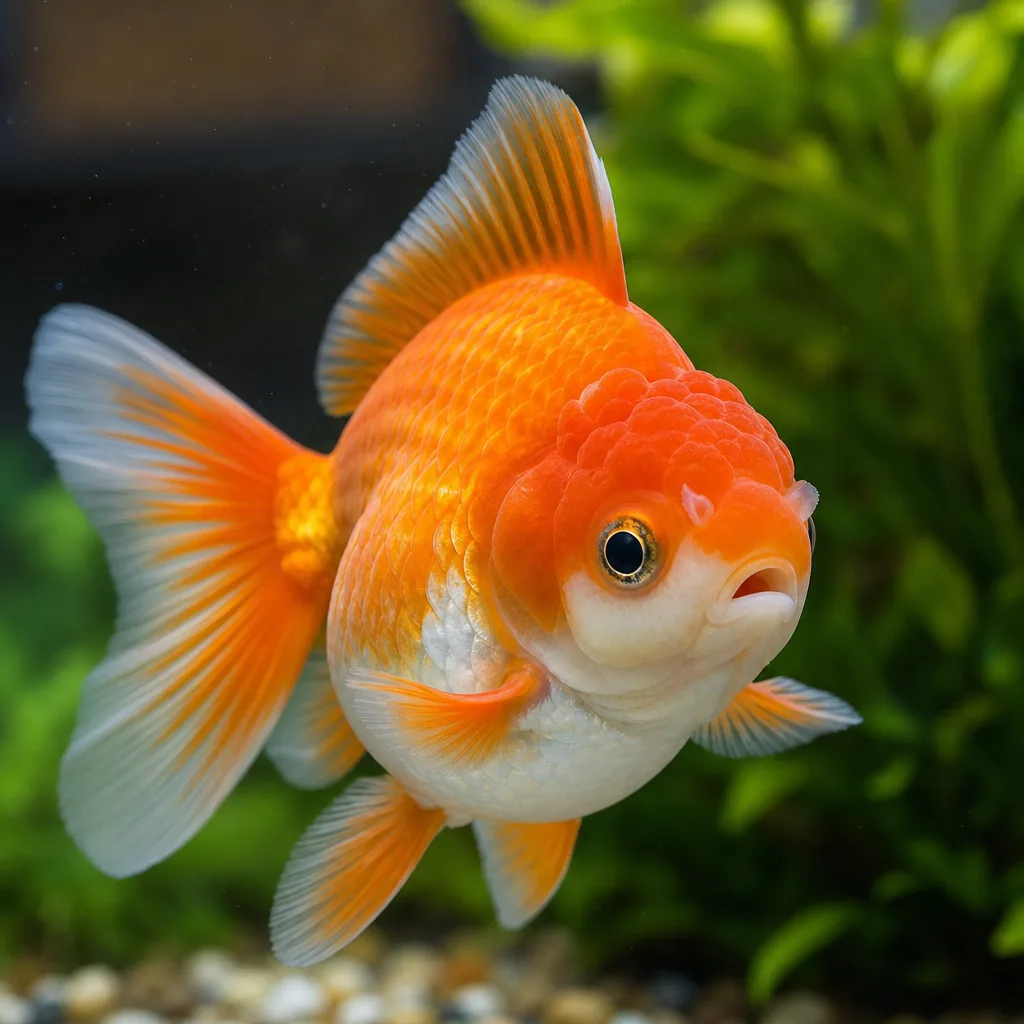
In most cases, especially in fancy goldfish and bettas, the culprit is digestive. Overfeeding, gulped air, and constipation cause the gut to swell and press on the swim bladder, throwing off buoyancy. Fancy goldfish are particularly prone because their rounded, compressed body packs the organs tightly together.
Dry flakes and pellets that expand in the stomach, or that a fish swallows air with off the surface, are frequent triggers. This is why the first-line treatment is almost always dietary.
Other Causes
- Constipation: a low-fiber diet and overfeeding lead to blockages that compress the bladder.
- Bacterial infection: can inflame or damage the swim bladder; usually comes with other illness signs like lethargy or clamped fins.
- Poor water quality: high ammonia or nitrite stresses fish and can contribute.
- Cold water: chilled fish digest slowly, which worsens constipation-related cases, especially in goldfish.
- Physical injury or birth defect: sometimes the cause is structural and not treatable.
How to Treat Swim Bladder Problems
Because diet is the usual cause, start there. Many cases resolve within a few days of these steps.
Step 1: Fast the Fish
Stop feeding for 2 to 3 days. This lets the digestive tract clear and relieves pressure on the swim bladder. A healthy fish handles a short fast easily, and it is the single most effective first move.
Step 2: Feed Fiber
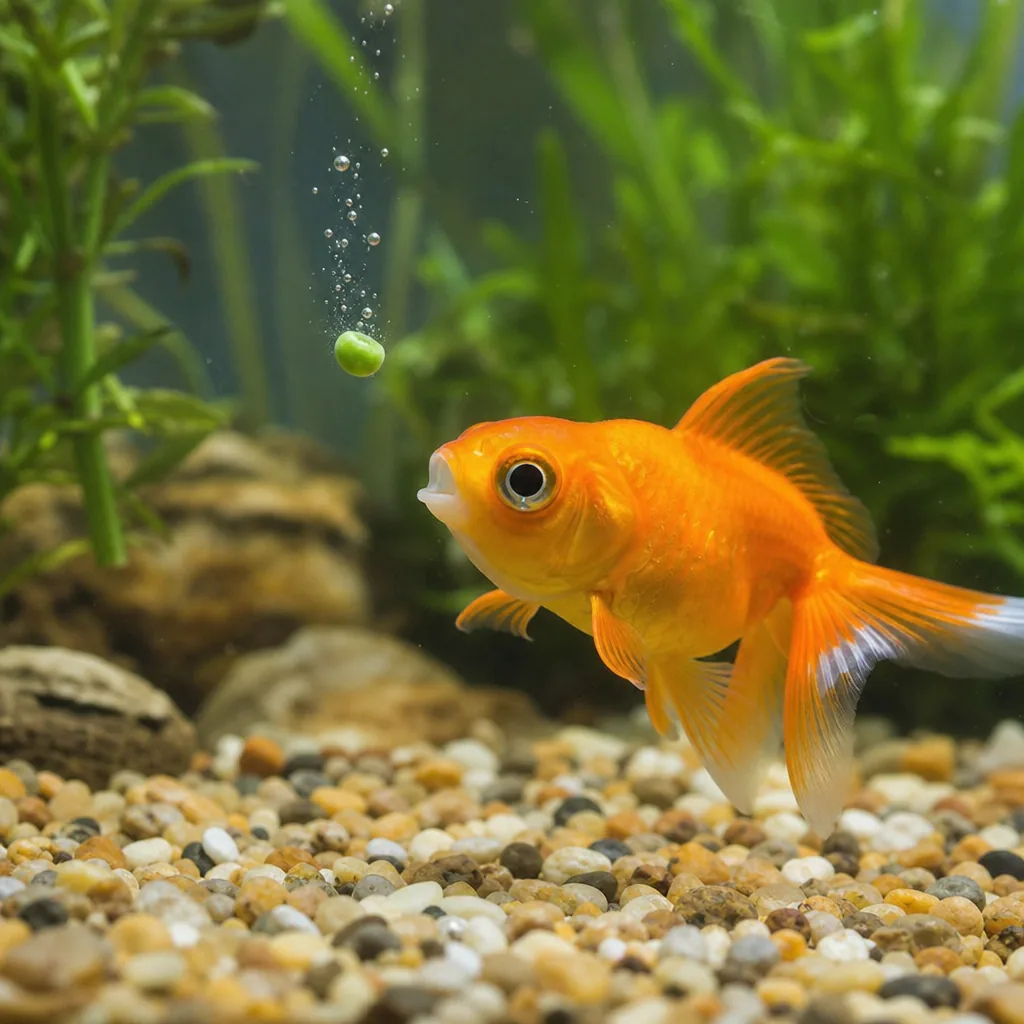
After fasting, offer a small piece of skinned, cooked, cooled green pea. The fiber helps clear a blockage. Then switch to a better routine: smaller portions, and for floaty species, pre-soaked or sinking food so they gulp less air.
Step 3: Check and Fix the Water
Test for ammonia, nitrite, and nitrate. Do a water change if anything is off. For tropical fish, make sure the temperature is in the correct range, since cold slows digestion. Our water quality guide covers testing and correcting parameters.
Step 4: Lower the Water Level
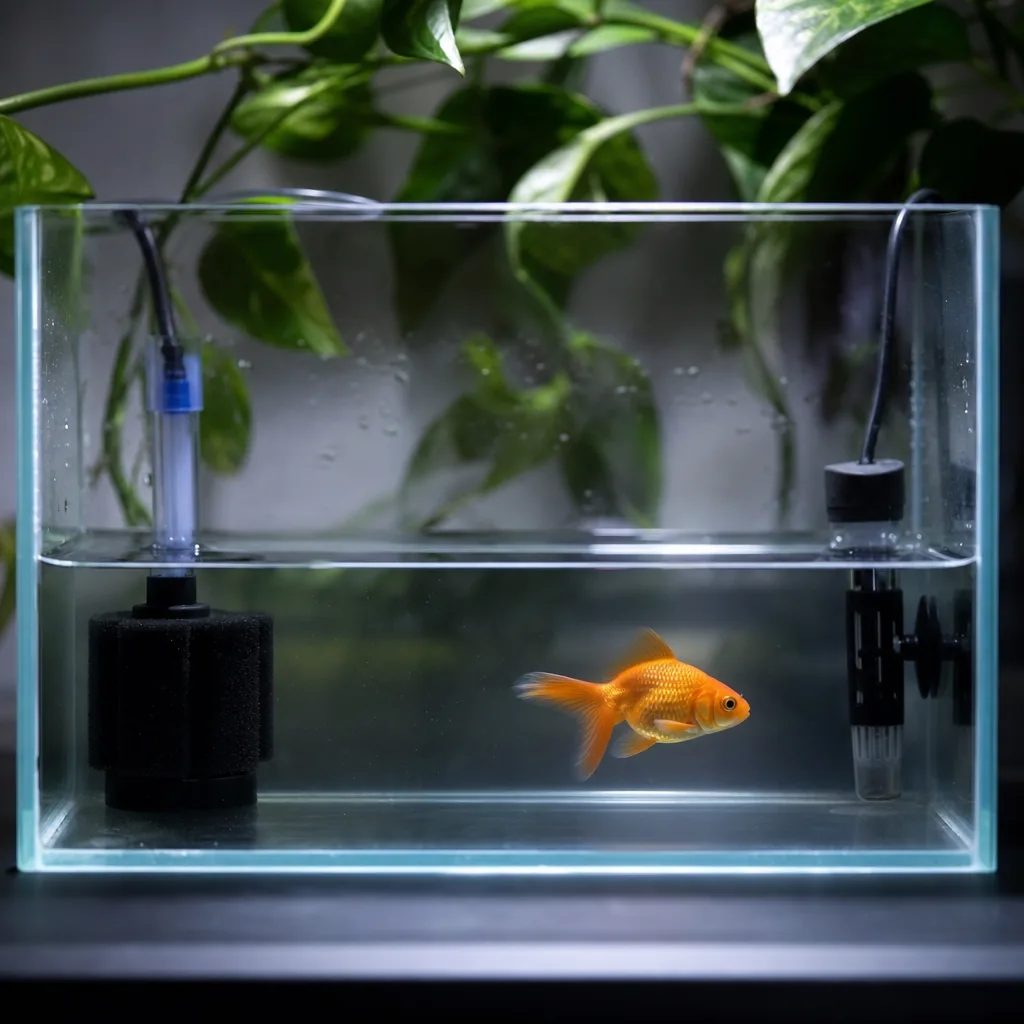
For a fish that can’t reach the bottom or the surface, temporarily lowering the water depth reduces the effort it needs to move and eat while it recovers.
Step 5: Treat Infection Only If Present
If the fish shows other signs of illness alongside the buoyancy issue, a bacterial infection may be involved, and an appropriate aquarium antibacterial may help. Don’t reach for antibiotics for a simple diet-related float; you will not fix it and you may stress the fish further.
How to Prevent It
Prevention is mostly good feeding habits, which is why this problem is far more common in overfed tanks.
- Feed smaller amounts, once or twice a day, only what fish clear quickly.
- Include fiber and variety; don’t feed dry flakes exclusively to prone species.
- Pre-soak floating pellets for goldfish and bettas so they don’t swell inside the fish or force air-gulping.
- Include a weekly fasting day for goldfish, which many keepers do routinely.
- Keep water clean and at the right temperature.
When It Can’t Be Fixed
Be realistic: some cases are chronic or structural, especially in heavily bred fancy goldfish, and won’t fully resolve. A fish can still live a decent life with a permanent tilt if it can eat and isn’t suffering; lowering the water level and keeping conditions pristine helps. If a fish stops eating, is clearly distressed, or develops injuries from floating against equipment, humane options are worth considering. If you need supplies for a recovery setup, see our recommended gear.
The Short Version
Most swim bladder problems are digestive, not infectious. Fast the fish, feed a pea, clean the water, check the temperature, and fix your feeding routine going forward. Reserve antibacterials for cases with other illness signs. Handled early, the majority of fish bob back to normal within days.
For swim bladder cases: freeze-dried bloodworms soaked before feeding, sinking Hikari Saki pellets for fancy goldfish, and the API master kit to rule out water quality.
Frequently Asked Questions
Why is my fish swimming sideways or upside down?
That usually points to a swim bladder problem, most often caused by overfeeding, constipation, or gulped air pressing on the organ. It is common and frequently treatable.
How do I treat swim bladder disease at home?
Fast the fish for 2 to 3 days, then feed a small piece of cooked skinned pea, check and correct water quality and temperature, and improve the feeding routine going forward.
Can overfeeding cause swim bladder disease?
Yes, it is the most common cause. Too much food, expanding dry pellets, and gulped air swell the gut and press on the swim bladder, disrupting buoyancy.
How long does swim bladder disease take to heal?
Diet-related cases often improve within a few days of fasting and better feeding. Cases caused by infection or physical defects take longer or may not fully resolve.
Do I need antibiotics for swim bladder disease?
Only if the fish shows other signs of illness suggesting a bacterial infection. A simple diet-related float is fixed by fasting and feeding changes, not antibiotics.