
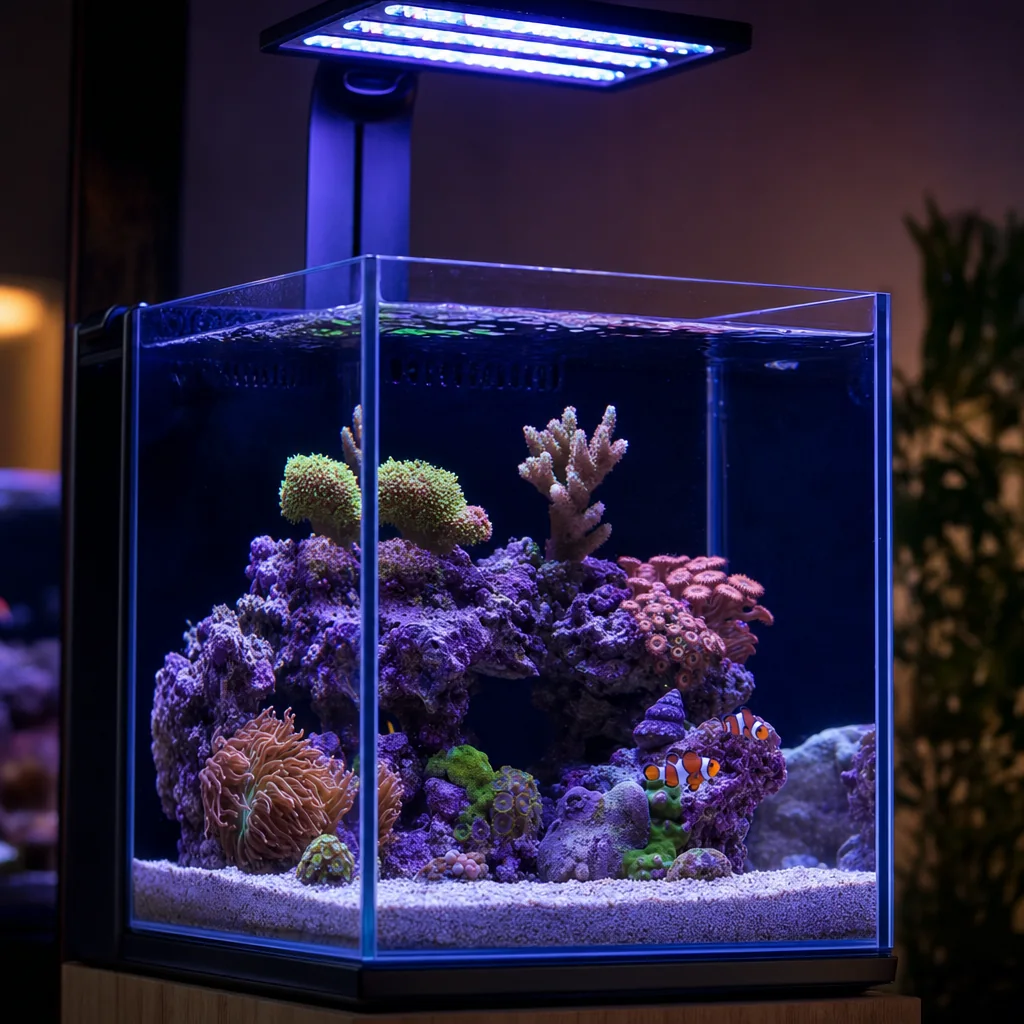
Saltwater aquariums have a reputation for being difficult, expensive, and unforgiving. Some of that is fair, but most of the failures come down to one thing: rushing. The reefers who succeed treat the first few months as a slow, deliberate process of building a stable system before a single fish goes in. Do that, and a saltwater tank is no harder to keep than a freshwater one — just more patient. This guide walks you through a beginner setup the way an experienced aquarist would actually do it.
Choose the Right Tank to Start
Counterintuitively, bigger is easier in saltwater. A larger water volume dilutes mistakes — a missed water change or a dead snail won’t crash a 40-gallon tank the way it would a 10-gallon nano. For a first saltwater tank, something in the 30 to 50 gallon range hits a sweet spot: forgiving enough to be stable, small enough to be affordable.
Decide early whether you’re building a fish-only tank or a reef tank with corals. Corals demand stronger lighting and tighter water stability, so knowing your goal shapes every equipment choice that follows.
The Core Equipment
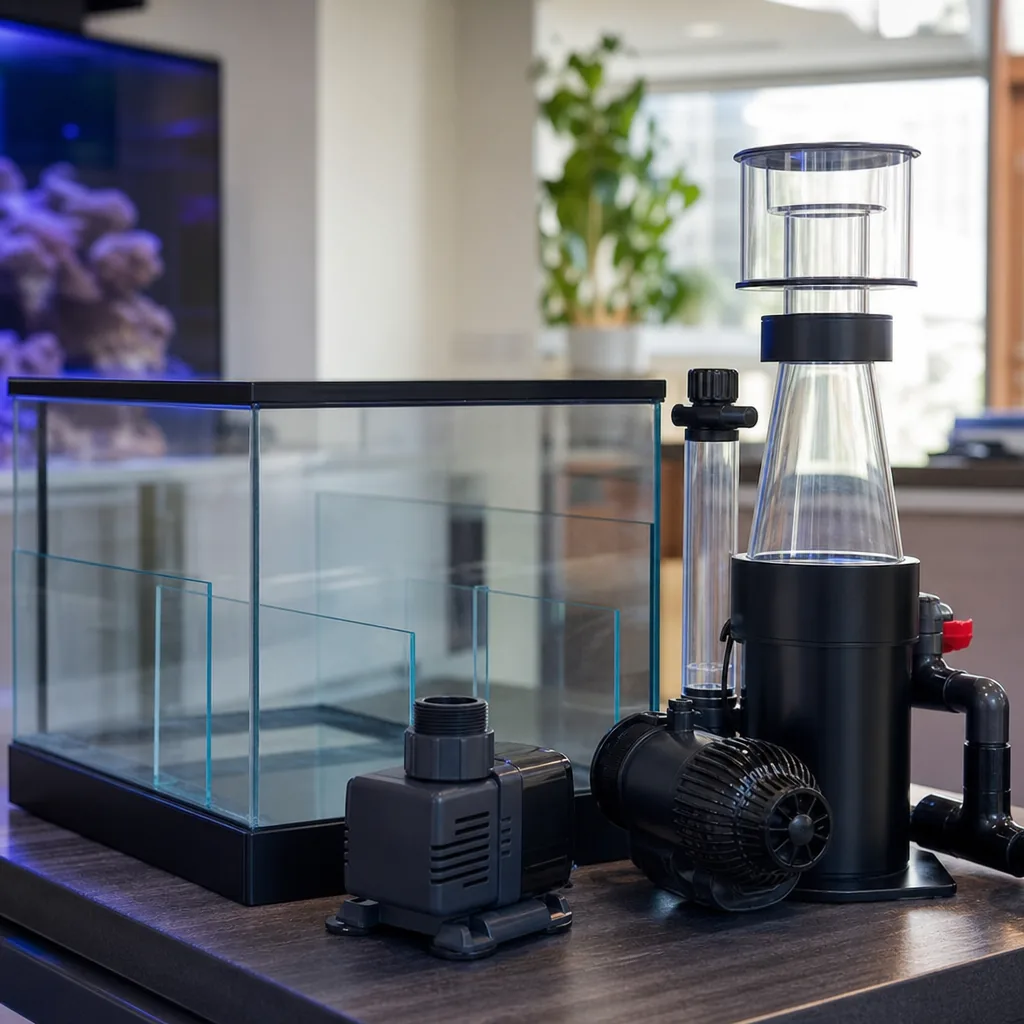
Saltwater needs more gear than freshwater, but the list isn’t endless. Here’s what actually matters:
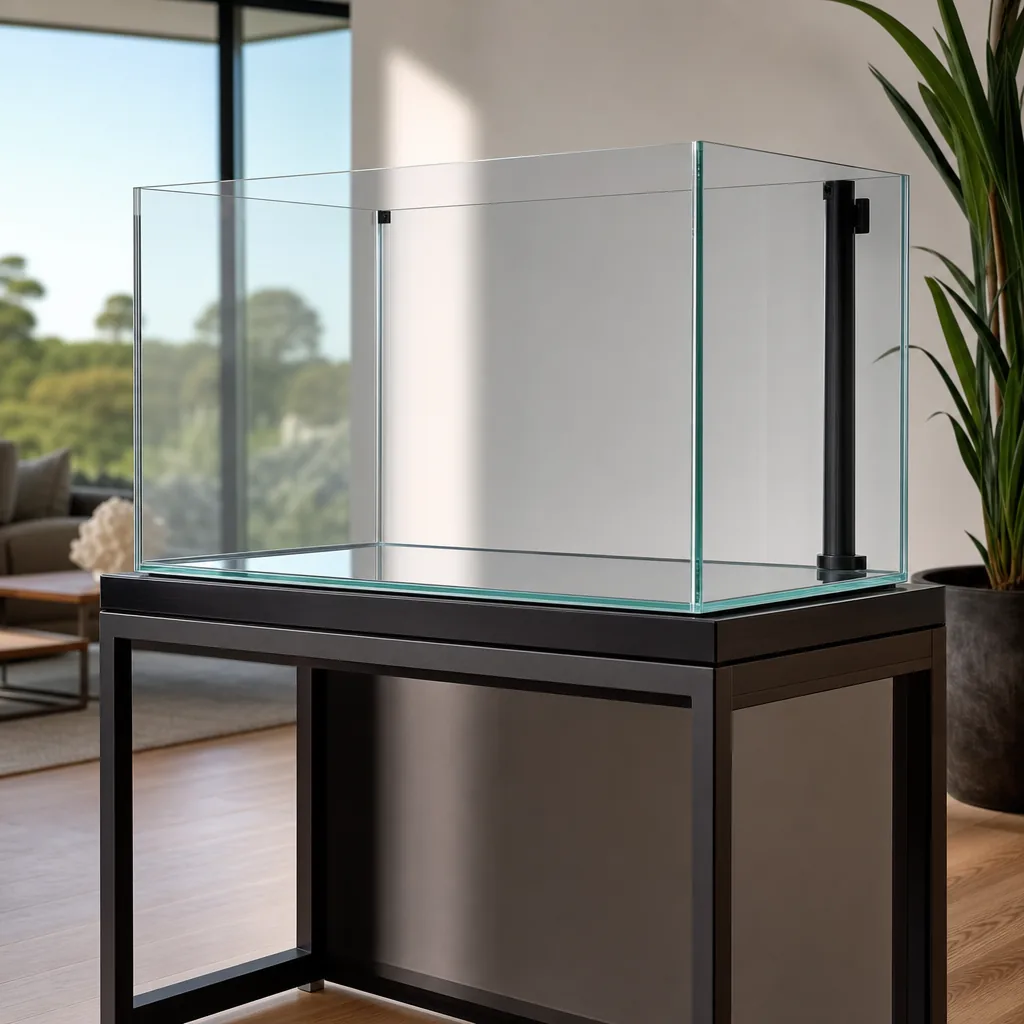
- Tank and stand — rated to hold the weight of water plus rock.
- Saltwater mix and an RO/DI unit — reverse-osmosis/deionized water plus quality salt mix is the foundation. Tap water introduces contaminants that fuel algae and harm invertebrates. See our saltwater guides for mixing details.
- Live or dry rock — the biological backbone and aquascape of the tank.
- A powerhead or two — reef animals need strong, varied flow, far more than freshwater fish.
- A heater — titanium with an external controller is ideal for the stability reefs demand.
- A protein skimmer — pulls dissolved organics before they break down into nitrate, hugely valuable in a reef.
- Lighting — modest for fish-only, but a proper reef LED if you intend to keep corals.
- A refractometer — to measure salinity accurately. Don’t trust a cheap floating hydrometer for the long term.
You’ll find beginner-appropriate versions of all of these on our recommended gear page.
The Setup Process, Step by Step
- Rinse and position the tank. Place it on a level, sturdy stand near a power source but out of direct sunlight, which fuels algae.
- Mix your saltwater. Combine RO/DI water with salt mix in a separate container, let it circulate and warm, and target a salinity around 1.025 specific gravity for a reef.
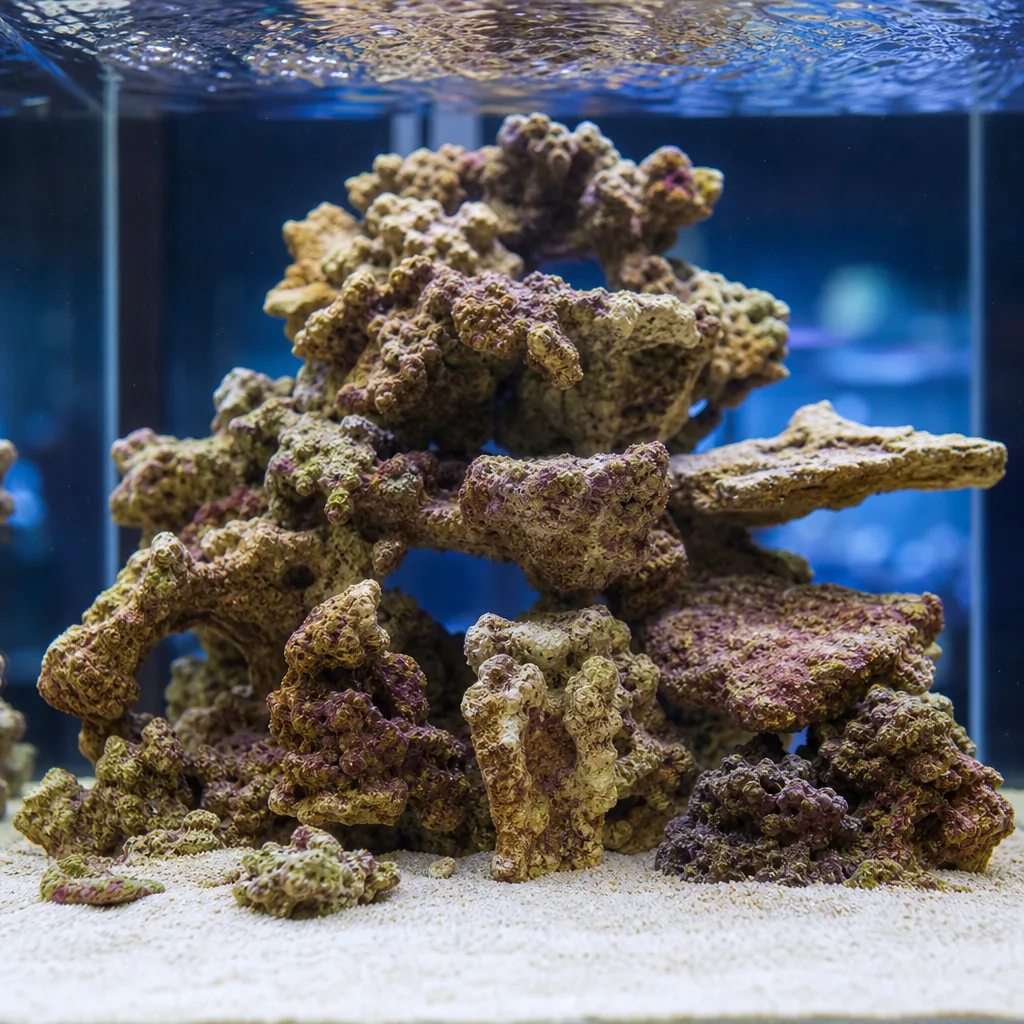
- Add substrate and rock. Rinse sand to remove dust, then build your rockwork into a stable, open aquascape with plenty of caves and flow gaps.
- Fill and run equipment. Add your mixed saltwater, then start the powerheads, heater, and skimmer. Let everything run.
- Begin the cycle. Now the waiting starts — this is the most important and most-rushed phase.
Cycling: The Part You Can’t Skip
Cycling establishes the beneficial bacteria that convert toxic ammonia into nitrite and then into far less harmful nitrate. Until that bacterial colony is established, the tank cannot support life. There are no shortcuts that genuinely work.
How to cycle
- Add an ammonia source — bottled ammonia or live rock that introduces both bacteria and a nutrient source.
- Test ammonia, nitrite, and nitrate regularly with a reliable kit.
- Watch ammonia rise and then fall to zero, followed by nitrite rising and falling to zero. When both read zero and you see nitrate, the tank is cycled.
This typically takes several weeks. Resist the temptation to add fish during this window — a cycling tank is essentially poisonous to them.
Stocking Slowly
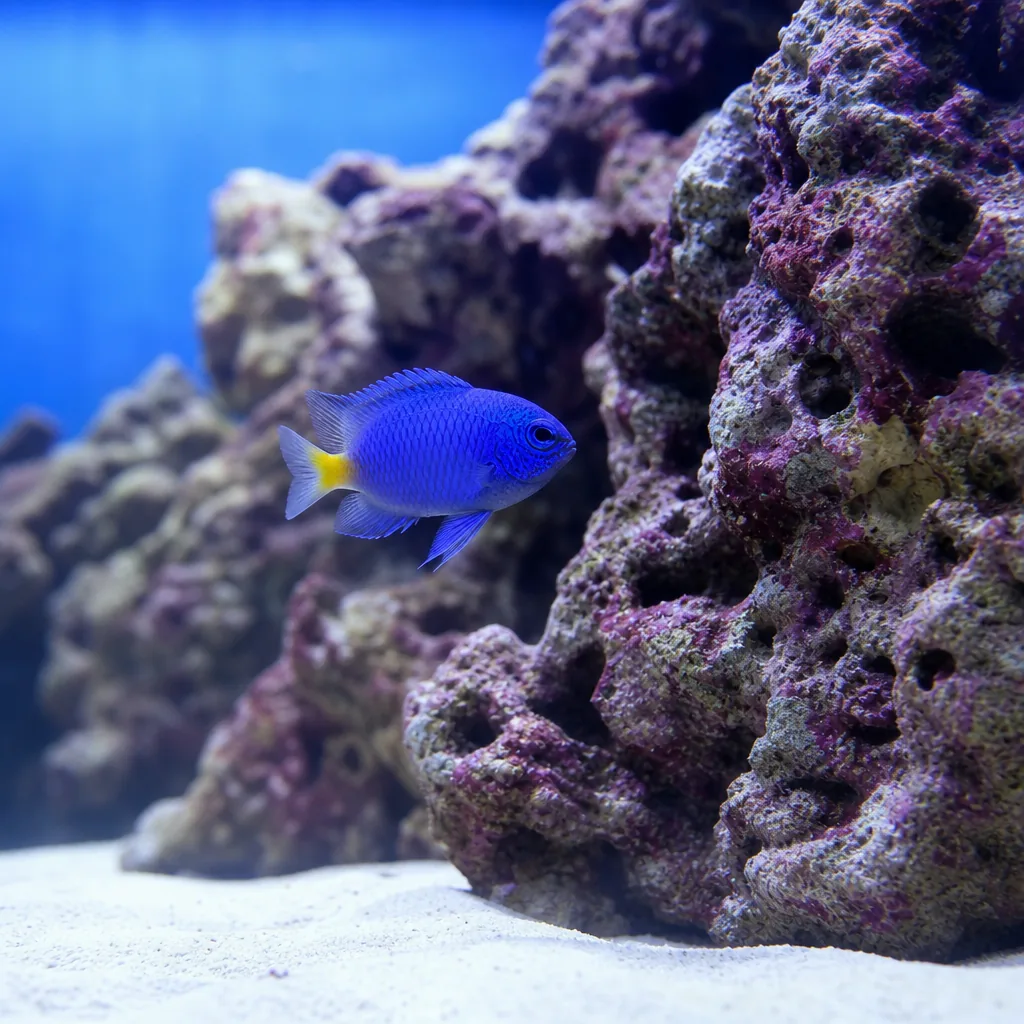
Once cycled, go slow. Add one or two hardy animals at a time and wait a couple of weeks between additions so the bacteria colony can grow to match the increasing waste load. Good beginner livestock includes hardy fish like clownfish and a small cleanup crew of snails and hermit crabs that graze algae.
If corals are your goal, start with the most forgiving species after the tank has matured for a few months. Our beginner coral guide covers which ones to begin with.
Ongoing Maintenance
A saltwater tank runs on routine:
- Top off evaporated water with fresh RO/DI — salt doesn’t evaporate, so topping off with saltwater would steadily raise salinity.
- Regular water changes with freshly mixed saltwater replenish trace elements and export waste.
- Test key parameters — salinity, alkalinity, calcium, and magnesium for reef tanks.
- Clean the skimmer cup and wipe algae from the glass as part of your weekly rhythm.
Conclusion
A successful saltwater tank isn’t about expensive gear or expert tricks — it’s about patience and consistency. Start with a forgiving tank size, use RO/DI water from day one, let the cycle finish completely, and stock slowly. The aquarists who follow that order rarely have problems; the ones who rush almost always do. Take it slow and your first reef will reward you for years. Explore more saltwater guides on AquaticRig.
Frequently Asked Questions
How long does it take to set up a saltwater tank?
Physical setup takes an afternoon, but cycling the tank usually takes several weeks before it’s safe for livestock. Plan on roughly a month from filling the tank to adding your first hardy fish.
Do I really need RO/DI water?
It’s strongly recommended — tap water carries contaminants, phosphates, and minerals that fuel algae and stress invertebrates. RO/DI water gives you a clean, consistent starting point that makes the whole tank easier to manage.
Is a bigger tank really easier for beginners?
Yes, larger water volumes dilute mistakes and resist sudden parameter swings. A 40-gallon tank is far more forgiving of a missed water change than a 10-gallon nano, which is why many experts steer beginners away from the smallest tanks.
What’s the easiest first saltwater fish?
Clownfish are the classic beginner choice — they’re hardy, widely available, tank-bred, and full of personality. Add them only after the tank has fully cycled and stabilized.
Can I keep corals right away?
It’s better to wait until the tank has matured for a few months and your parameters are stable. Start with the hardiest beginner corals, since delicate species rarely survive the swings of a brand-new system.