
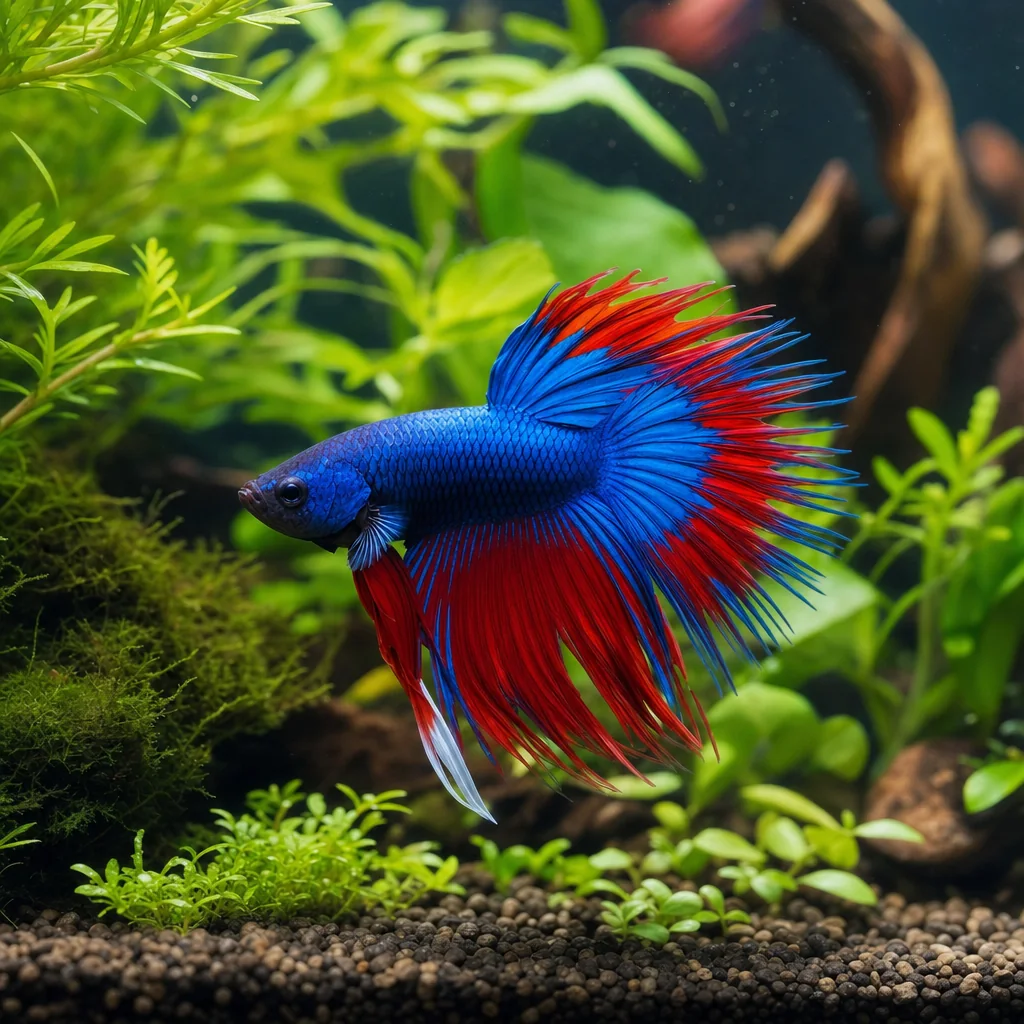
Bettas are the most misunderstood fish in the hobby. They’re sold in cups, kept in vases, and marketed as low-maintenance desk decorations, which sets up new owners to do almost everything wrong. The truth is a betta is a tropical fish with the same basic needs as any other: warm, clean, filtered water and enough room to actually live.
Treated properly, a betta is one of the most rewarding fish you can keep. They recognize their keepers, build personalities, and show off colors that no cup-bound fish ever gets to display. Here’s how to get it right.
Tank Size: Bigger Than You Think
A betta needs a heated, filtered tank of at least 5 gallons. The bowls and tiny cubes sold alongside them are not adequate homes; they’re too small to hold stable water chemistry and too cold to keep a tropical fish comfortable. A larger tank means cleaner water, fewer parameter swings, and a far healthier, more active fish.
Bettas are surface breathers thanks to a special organ called the labyrinth, so a longer tank with accessible surface area suits them better than a tall narrow one.
Heating and Filtration
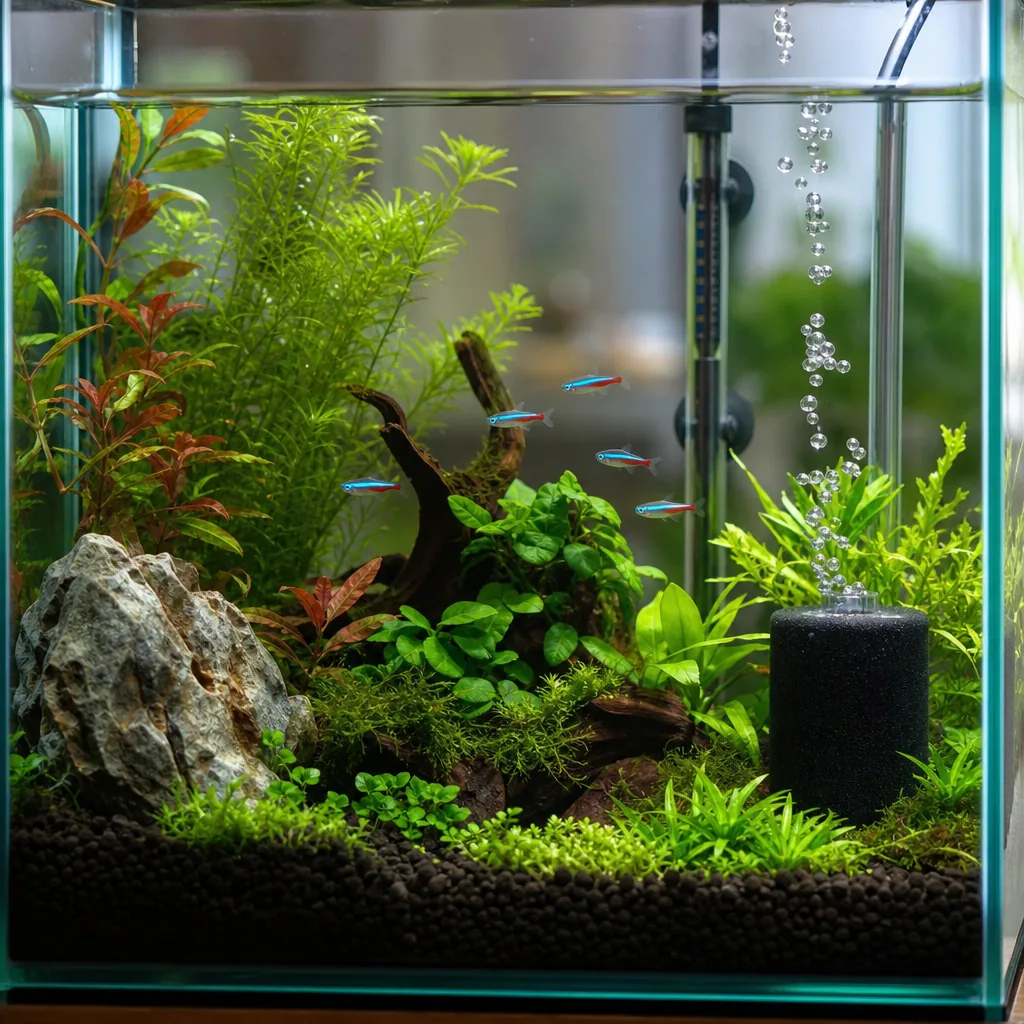
This is where most betta care goes wrong. Bettas are tropical and need warm, stable temperatures year-round, which means a heater is mandatory in nearly every home. A cold betta becomes sluggish, stops eating, and grows prone to disease.
They also need filtration, but they dislike strong current. A gentle filter that turns the water over without creating a washing-machine effect is ideal. If your filter blows the betta around, baffle the output to soften the flow. You’ll find betta-appropriate filters and heaters in our equipment guides.
Water Quality and Cycling
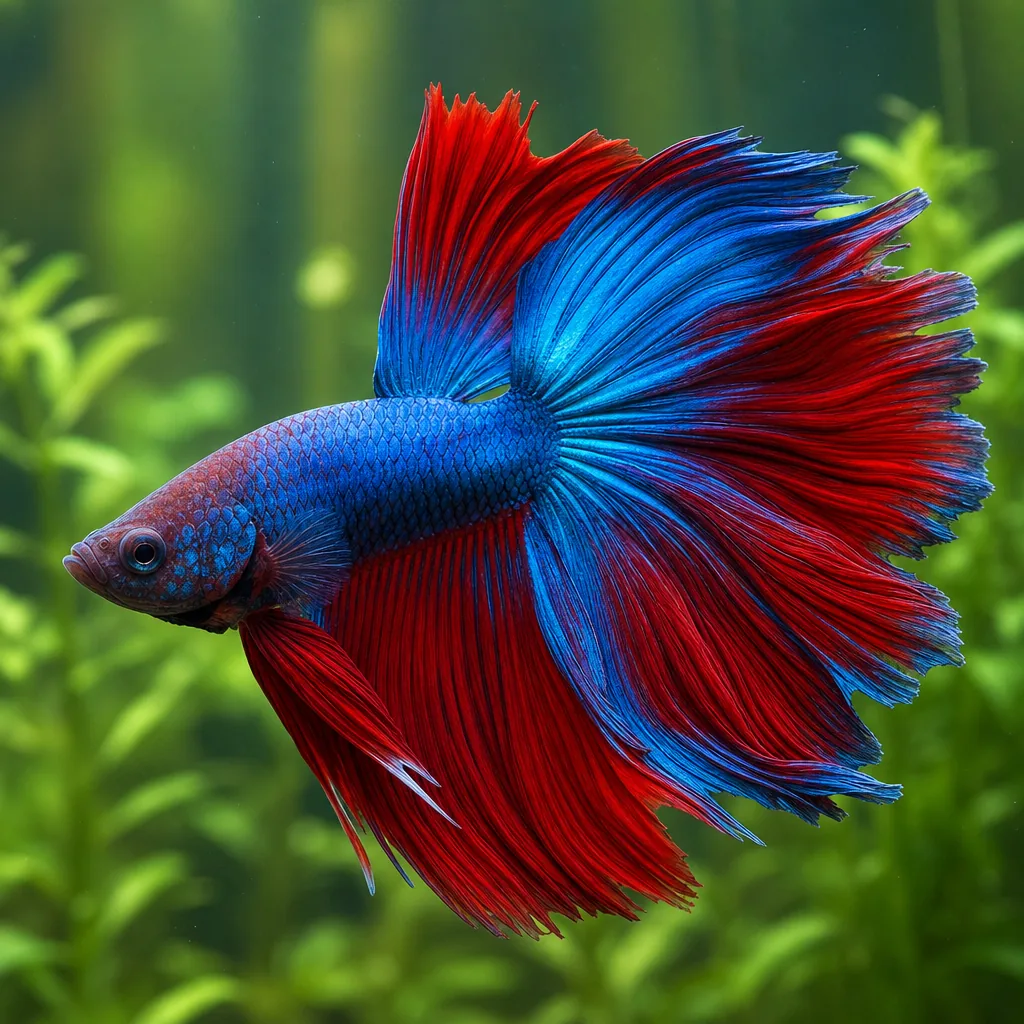
A betta tank needs to be cycled just like any other aquarium. Beneficial bacteria handle the ammonia from waste and uneaten food; without them, that ammonia builds up and damages the fish’s gills and fins. Cycle the tank before the betta moves in, then keep up with weekly partial water changes and a treated water source.
Many “mysterious” betta illnesses trace straight back to poor water quality. A liquid test kit and a steady maintenance routine prevent the vast majority of problems. Our freshwater guides cover the nitrogen cycle in more depth.
Feeding Your Betta
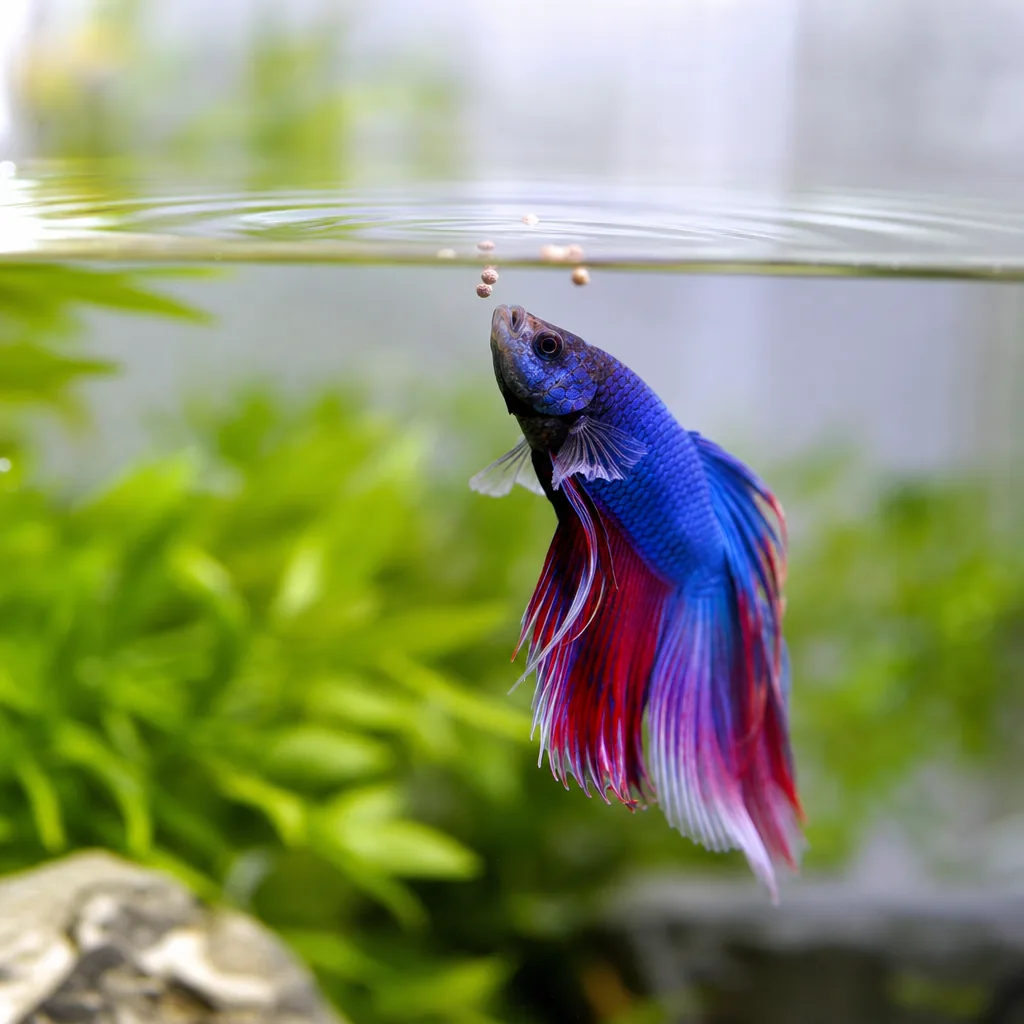
Bettas are carnivores. A quality betta-specific pellet should form the base of the diet, supplemented with occasional frozen or freeze-dried foods like bloodworms or brine shrimp.
- Feed a small amount once or twice a day, only what’s eaten in a couple of minutes.
- Overfeeding is far more common than underfeeding and fouls the water fast.
- An occasional fasting day helps prevent bloating and constipation, which bettas are prone to.
Tank Mates and Temperament
The name “Siamese fighting fish” is earned only among themselves. Two males will fight, and males will often harass females outside of breeding, so a betta is typically kept alone or as the centerpiece of a calm community. If you do try tank mates, choose peaceful, non-nippy species and give the betta plenty of plants and hiding spots to break up sightlines.
Avoid fin-nippers entirely. A betta’s flowing fins are an irresistible target for the wrong tank mates, and chronic nipping leads to stress and infection.
Enrichment and Setup
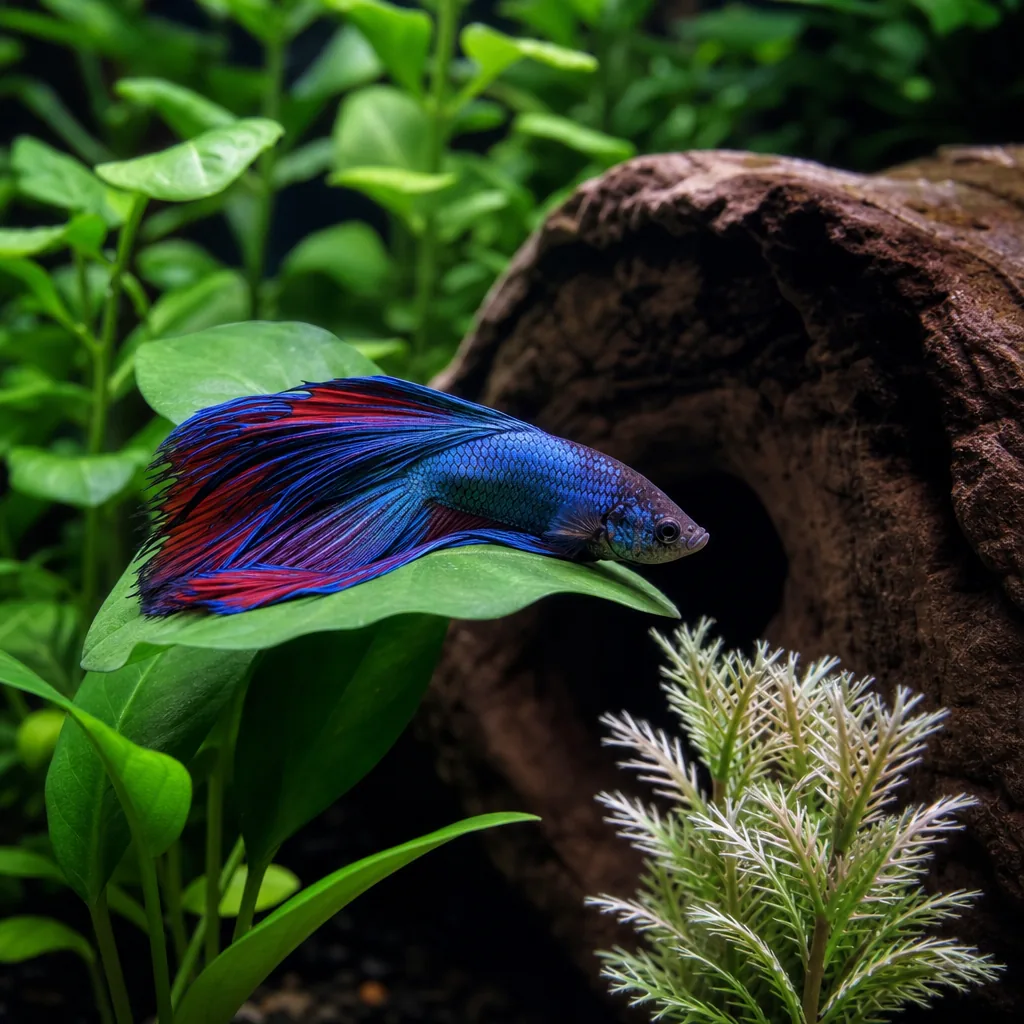
Bettas are intelligent and benefit from a furnished tank. Live or silk plants give them places to explore and rest near the surface; many bettas love to lounge on a broad leaf. Avoid hard plastic plants with sharp edges that can tear delicate fins. A gentle, planted tank with soft decor brings out the best behavior and color.
Give a betta a proper warm, filtered, cycled tank and you’ll see why they’ve kept hobbyists hooked for generations. They’re hardy, expressive, and full of character when their basic needs are met. Skip the cup-on-a-desk myth and the rest of betta care is genuinely simple. Read more single-species guides on our blog.
Frequently Asked Questions
Can a betta live in a bowl?
No. Bowls are too small to keep water chemistry stable and can’t hold a heater for a tropical fish. A betta needs a heated, filtered tank of at least 5 gallons to stay healthy.
Do bettas need a heater?
Yes, in nearly every home. Bettas are tropical and need warm, stable temperatures. Cold water makes them sluggish, suppresses appetite, and leaves them vulnerable to disease.
How often should I feed my betta?
Feed a small amount once or twice a day, only what the fish eats in a couple of minutes. Overfeeding is a common mistake that fouls the water and can cause bloating.
Can bettas live with other fish?
Sometimes. A male betta is usually kept alone, but can share a calm community tank with peaceful, non-nippy species if there’s plenty of cover. Never house two males together.
Why is my betta not moving much?
The most common cause is cold water, so check your temperature first. Poor water quality and ammonia can also cause lethargy, so test the water and confirm the tank is cycled.