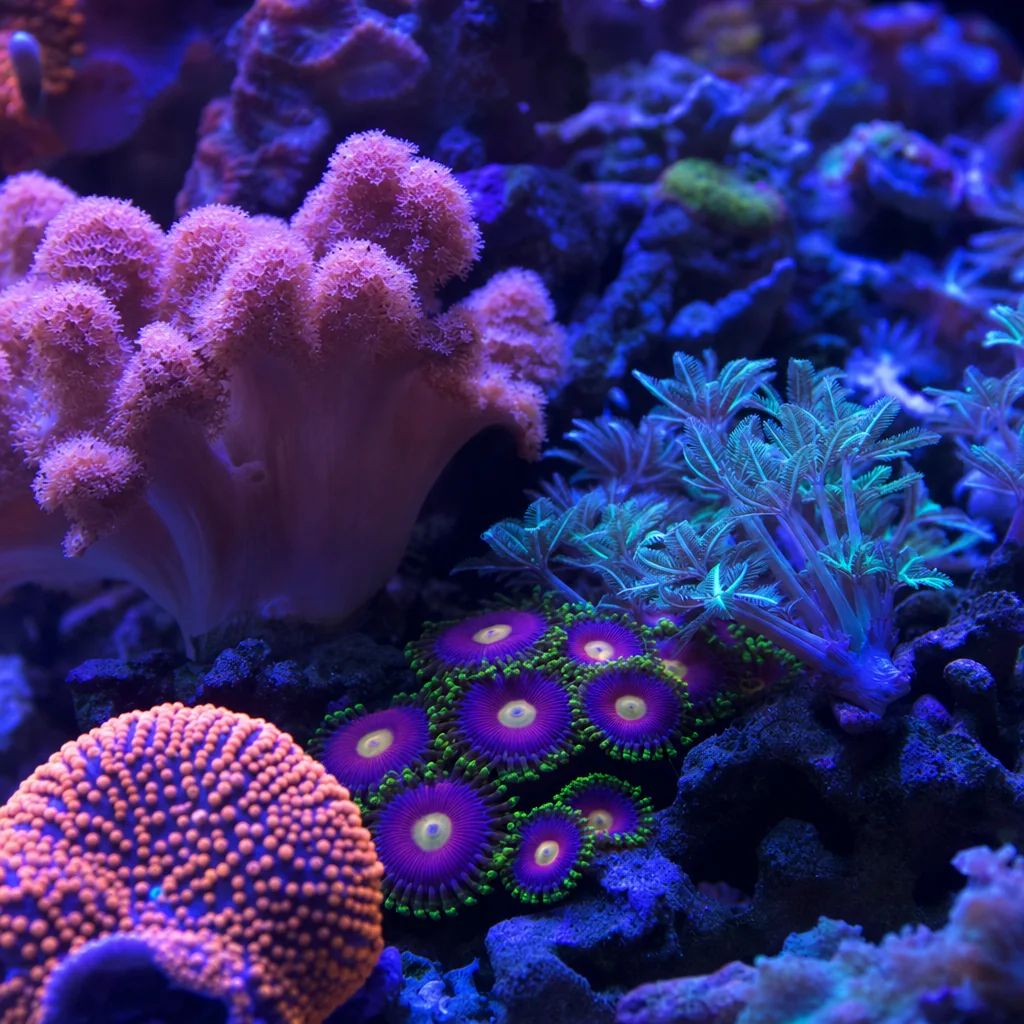
The leap from a fish-only saltwater tank to a reef full of coral is where the hobby gets genuinely magical — and where a lot of beginners get discouraged. The trick isn’t expensive lighting or exotic additives. It’s choosing corals that forgive the inevitable swings of a young tank while you learn. Pick the right starter corals and they’ll grow, spread, and build your confidence. Pick the wrong ones and you’ll watch fragile colonies melt away for reasons you can’t yet diagnose. This guide covers the corals that reliably thrive for newcomers.
Why Coral Choice Matters So Much Early On
A new reef tank, even a well-cycled one, takes months to truly stabilize. Parameters like alkalinity, calcium, and nutrients fluctuate as the system matures. Hardy beginner corals tolerate those fluctuations; demanding corals do not. Starting with forgiving species buys you time to dial in stability before you attempt anything delicate.
Before adding any coral, make sure your tank is mature and your basics are solid — stable salinity, decent lighting, and good flow. Our saltwater setup guide covers getting the system ready.
The Most Forgiving Soft Corals
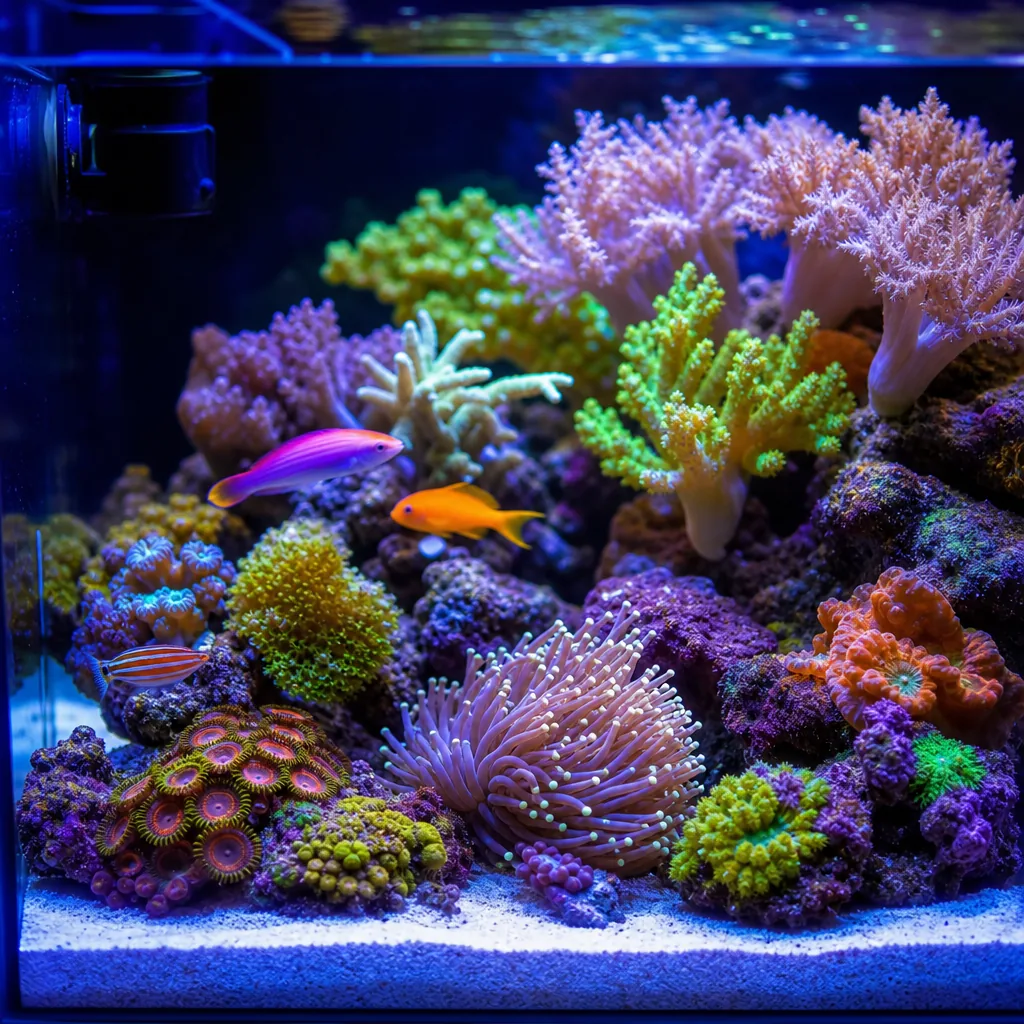
Soft corals don’t build hard skeletons, which makes them less demanding of calcium and alkalinity — perfect for a young tank.
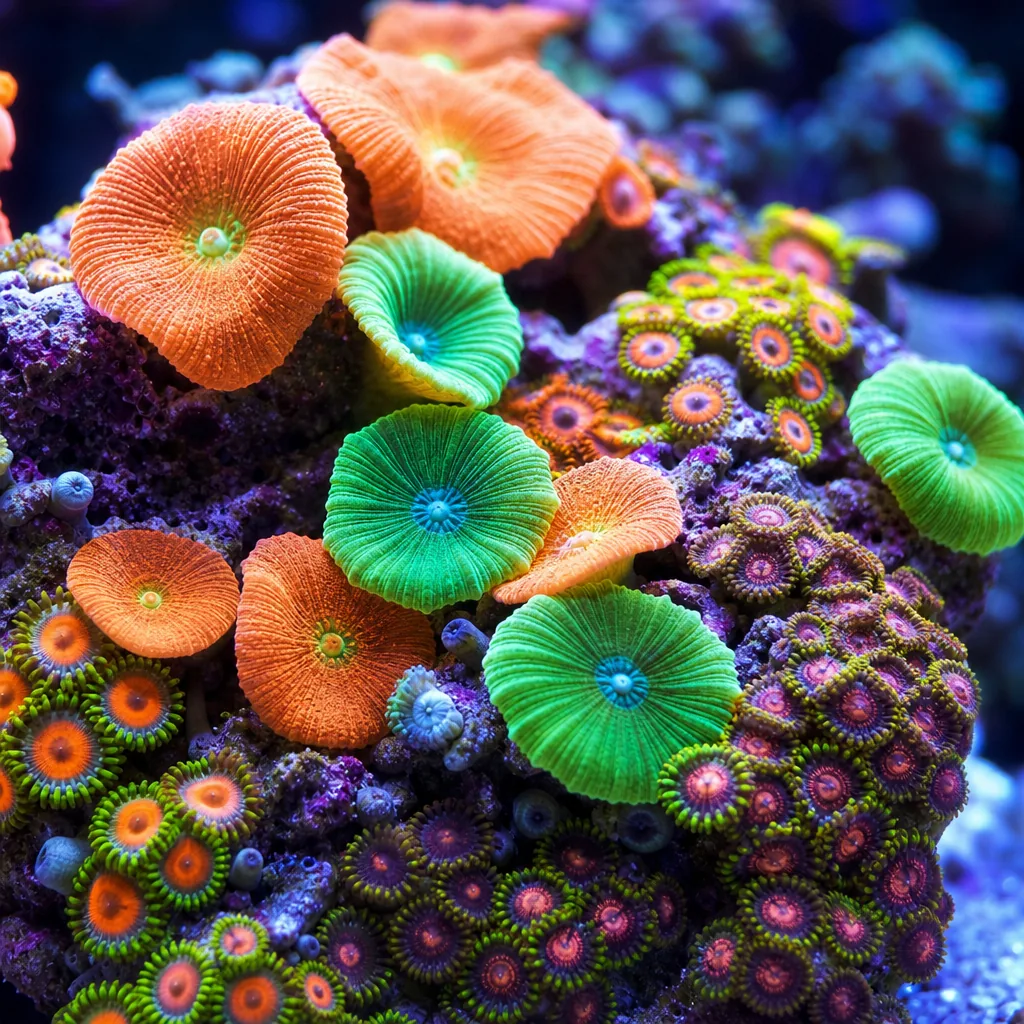
Mushroom corals (Discosoma and Rhodactis)
Possibly the most bulletproof corals in the hobby. They tolerate lower light, lower flow, and imperfect water, and they spread on their own once happy. Available in a huge range of colors, they’re an ideal first coral.
Zoanthids and palythoa (“zoas”)
Colorful colony polyps that are extremely hardy and grow into eye-catching mats. They come in endless color morphs, which makes them addictive to collect. Handle them carefully — some contain a toxin called palytoxin — but as tank inhabitants they’re tough and rewarding.
Green star polyps (GSP)
An encrusting coral that spreads into a vibrant green carpet. So hardy it’s sometimes considered too vigorous — keep it on its own rock island so it doesn’t overgrow neighbors.
Easy Large-Polyp Stony Corals (LPS)
LPS corals have a hard skeleton but remain quite beginner-friendly once a tank is stable. They add structure and movement that soft corals can’t.
- Euphyllia (hammer, torch, frogspawn) — flowing, tentacled corals that sway beautifully in the current. Hardy and forgiving, though they need a little space from neighbors since they can sting.
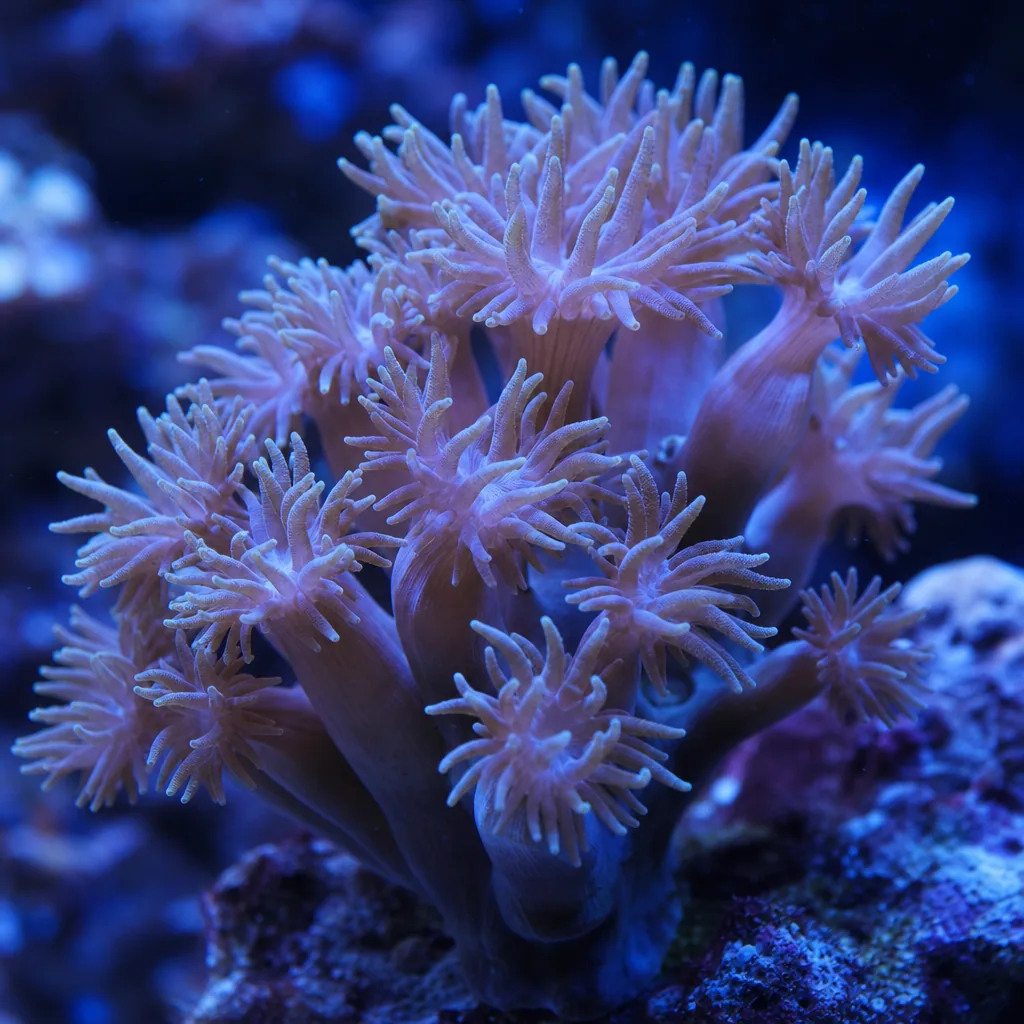
- Duncan coral — clusters of friendly polyps that grow quickly and respond eagerly to feeding, which is fun for new reefers.
- Candy cane / trumpet coral (Caulastrea) — rounded, branching heads that multiply steadily and tolerate moderate conditions.
You’ll find appropriate reef lighting and flow gear to support these on our recommended gear page.
Corals to Avoid as a Beginner
Some corals are sold to newcomers despite being poor first choices:
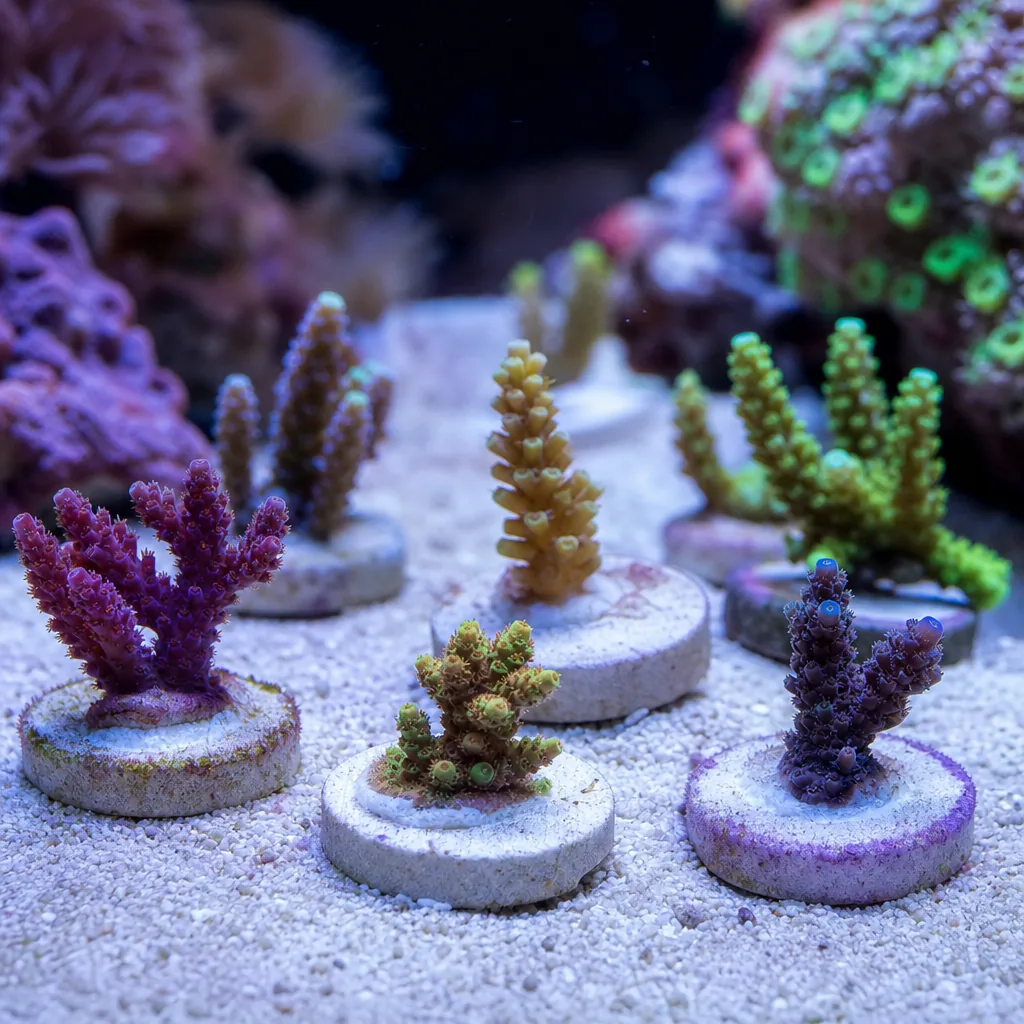
- Small-polyp stony corals (SPS) like Acropora — gorgeous but demanding, requiring rock-steady parameters and intense light. Save these for after a year of stable reefkeeping.
- Goniopora and Alveopora — “flowerpot” corals with a notorious reputation for slowly wasting away in captivity, though some captive strains do better.
- Non-photosynthetic corals — stunning but require constant target feeding that overwhelms beginners.
Placement Basics
Where you put a coral matters as much as which coral you choose. A few rules of thumb:
- Light needs climb as you rise. Place lower-light corals like mushrooms toward the bottom and shadier spots; higher-light corals higher up.
- Respect flow preferences. Most soft corals and LPS want moderate, indirect flow — not a powerhead blasting directly on them.
- Give stingers space. Euphyllia and other aggressive corals extend sweeper tentacles at night that can sting neighbors, so leave gaps between colonies.
- Acclimate to light. Start new corals lower in the tank and move them up gradually so they adjust without bleaching.
Feeding and Care
Many beginner corals get most of their energy from light through symbiotic algae, but LPS corals respond well to occasional target feeding with small meaty foods. Don’t overdo it — excess food fouls water. Beyond that, the best thing you can do for corals is keep your parameters stable. Corals tolerate a range of conditions; what they hate is rapid change. Consistent water changes and steady alkalinity matter more than chasing perfect numbers. For more, see the AquaticRig reef guides.
Conclusion
Building a reef is a marathon, and the smartest first step is choosing corals that forgive a young tank’s growing pains. Start with mushrooms, zoas, and easy LPS like hammers and duncans, give them appropriate light and flow, and above all keep your parameters stable. As your tank matures and your confidence grows, you can graduate to the more demanding showpieces. Patience and forgiving corals are the real beginner’s secret. Explore more saltwater guides on AquaticRig.
Frequently Asked Questions
What is the easiest coral for a beginner?
Mushroom corals are about as bulletproof as it gets — they tolerate lower light, modest flow, and imperfect water while still spreading on their own. Zoanthids and green star polyps are close runners-up for hardiness.
How long should I wait before adding coral?
Let the tank mature for at least a few months after cycling so parameters stabilize. Even hardy corals struggle in the parameter swings of a brand-new system, so patience pays off.
Do beginner corals need to be fed?
Many get most of their energy from light through symbiotic algae, but LPS corals like duncans respond well to occasional target feeding with small meaty foods. Feed sparingly, since excess food degrades water quality.
Why is my coral not opening up?
Common causes include too much or too little flow, lighting that’s too intense, unstable parameters, or stress from a neighboring coral’s sting. Check placement and water stability first, since corals dislike rapid change above all.
Can I keep different corals together?
Yes, but give aggressive stingers like Euphyllia space, since they extend sweeper tentacles that can damage neighbors. Mixing soft corals and easy LPS works well as long as you respect each one’s light, flow, and spacing needs.