
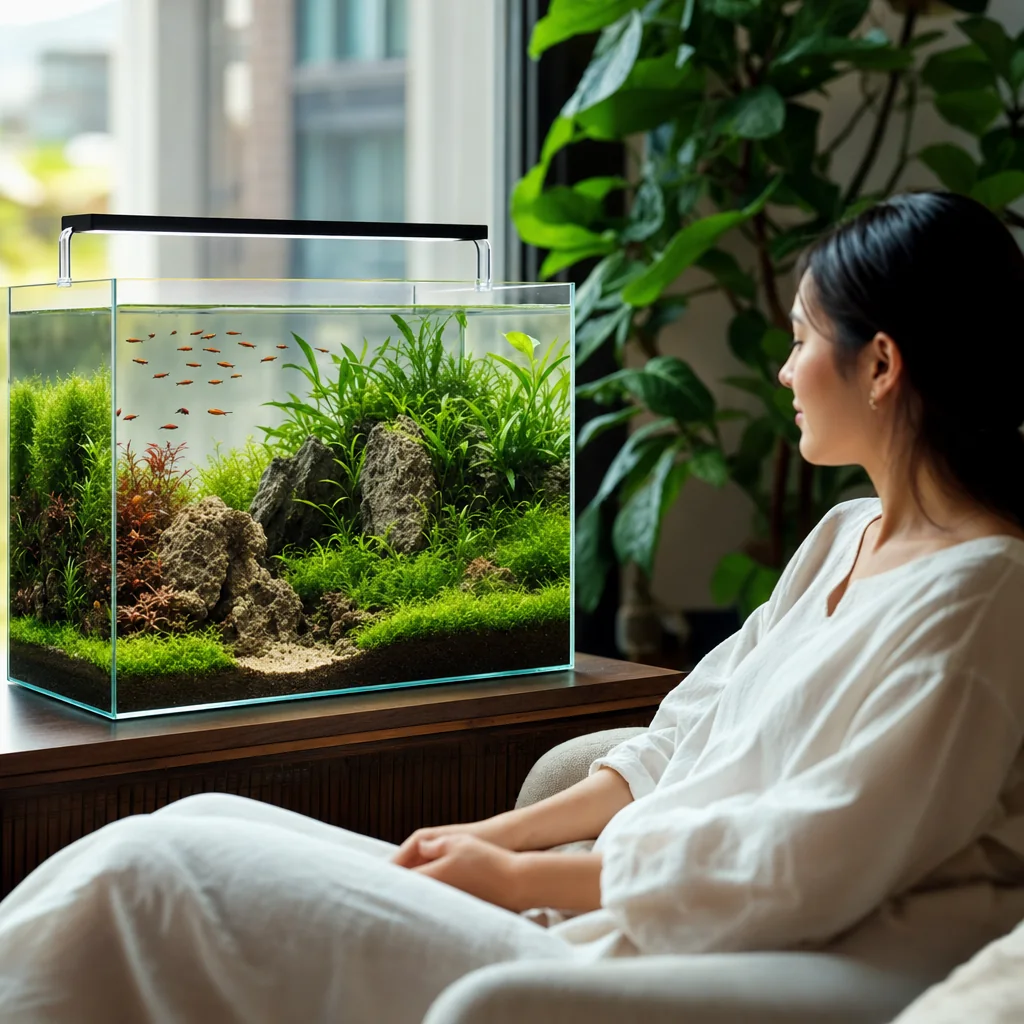
It’s the question almost everyone asks before they buy a tank: is this going to be a lot of work? The honest answer is that aquariums are not hard to maintain — but they are unforgiving of being set up wrong. The difficulty people imagine comes almost entirely from a rough first few months caused by a handful of avoidable mistakes, not from the ongoing care, which is genuinely light.
Let’s give you the real picture, without the marketing gloss or the doom-and-gloom. Once you understand where the effort actually goes, you can decide whether the hobby fits your life — and most people find it fits far better than they feared.
The Honest Truth: It’s Easy Once It’s Stable
A properly set up, established aquarium is one of the lower-maintenance pets you can own. A routine tank needs a couple of minutes of daily observation and feeding, and maybe twenty to thirty minutes a week for a water change and a wipe-down. That’s it. There’s no daily walking, no litter box, no vet visits for routine care.
The catch is in the word “established.” A new tank that hasn’t been cycled, that’s overstocked, or that’s been set up without understanding the basics is genuinely difficult — fish die, water turns cloudy, and the owner concludes the hobby is hard. The hobby isn’t hard. That specific situation is.
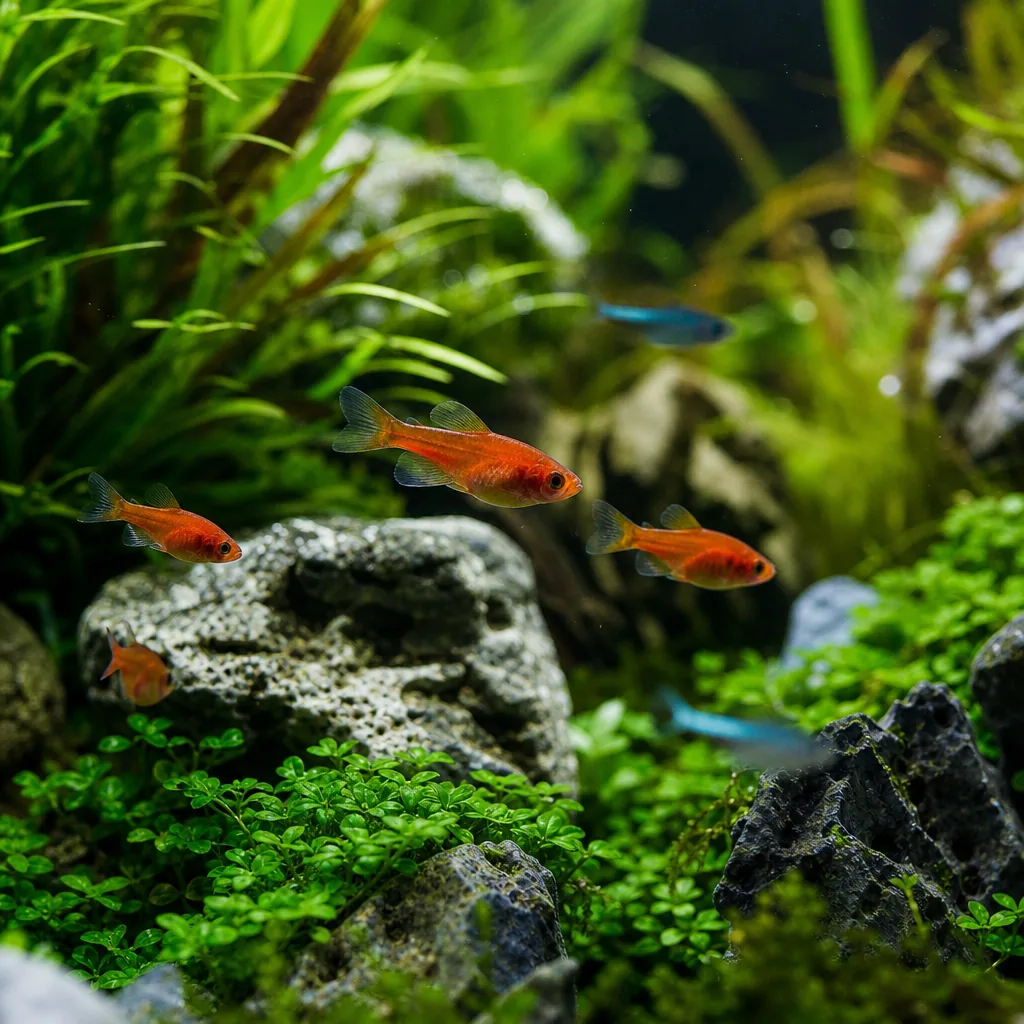
Where the Effort Actually Goes
If you map out the real work of fishkeeping, it clusters in two places.
The front-loaded learning curve
The first month or two demand the most attention because you’re learning the nitrogen cycle, dialing in your routine, and watching closely as the tank stabilizes. This is where people quit — and where a little upfront knowledge pays off enormously. Read up on the common beginner mistakes before you start and you skip most of the pain.
The light ongoing routine
Once the tank is cycled and stocked sensibly, maintenance settles into the easy rhythm described above. The work is predictable and small. Most of the “hard” stories you hear come from someone who never made it past the front-loaded phase.
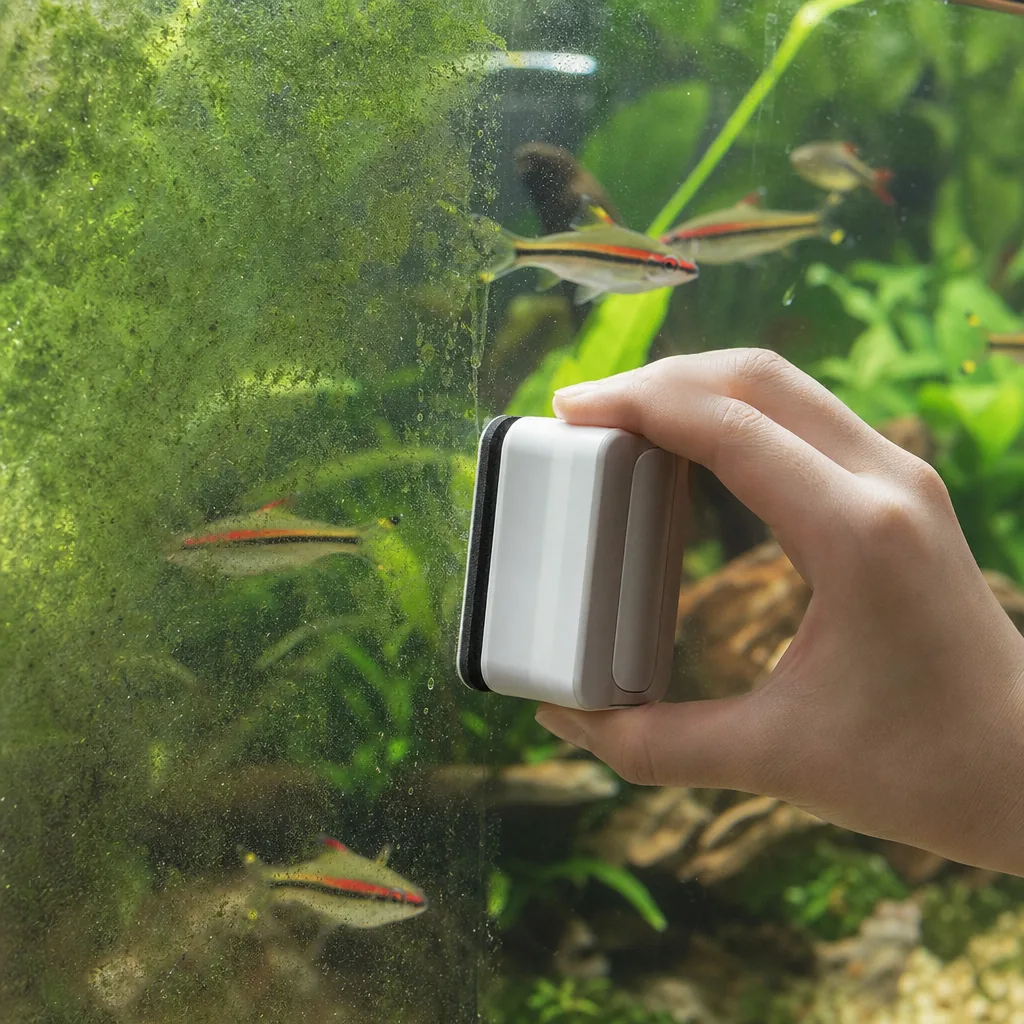
What Makes a Tank Easy vs. Hard
The difference between an easy tank and a high-stress one is mostly decided before you add a single fish.
Things that make it easy
- A larger tank — more water dilutes mistakes and stabilizes parameters.
- Sensible, light stocking — fewer, hardier fish means less waste and fewer problems.
- Good filtration, slightly oversized — more biological capacity and margin for error.
- A cycled, established system — the bacteria do the hard work for you.
- A consistent routine — small regular maintenance prevents big crises.
Things that make it hard
- Tiny tanks — unstable and unforgiving.
- Overstocking — constant water quality battles.
- Sensitive or demanding species chosen before you have experience.
- Skipping the cycle — the number one cause of dead fish and frustration.
- Neglect — letting maintenance slide until problems pile up.
Freshwater vs. Saltwater Difficulty
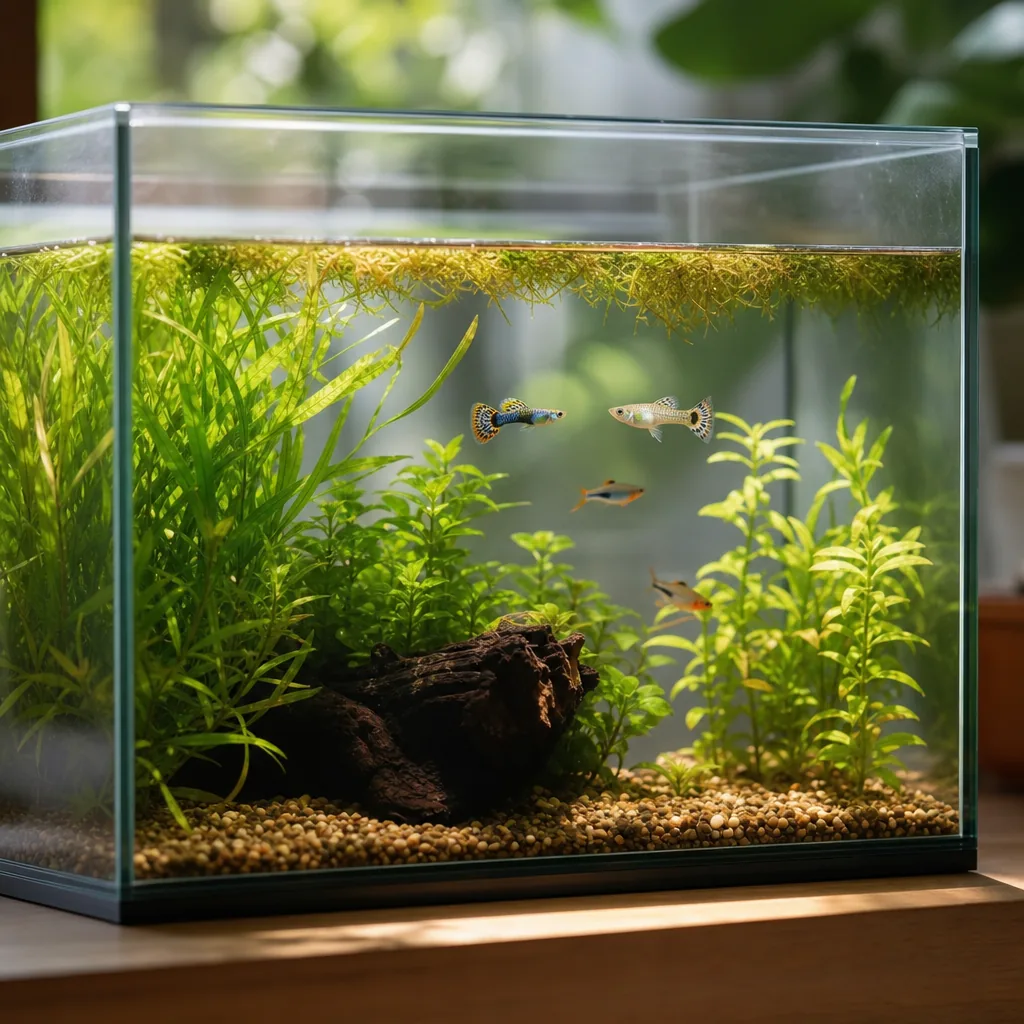
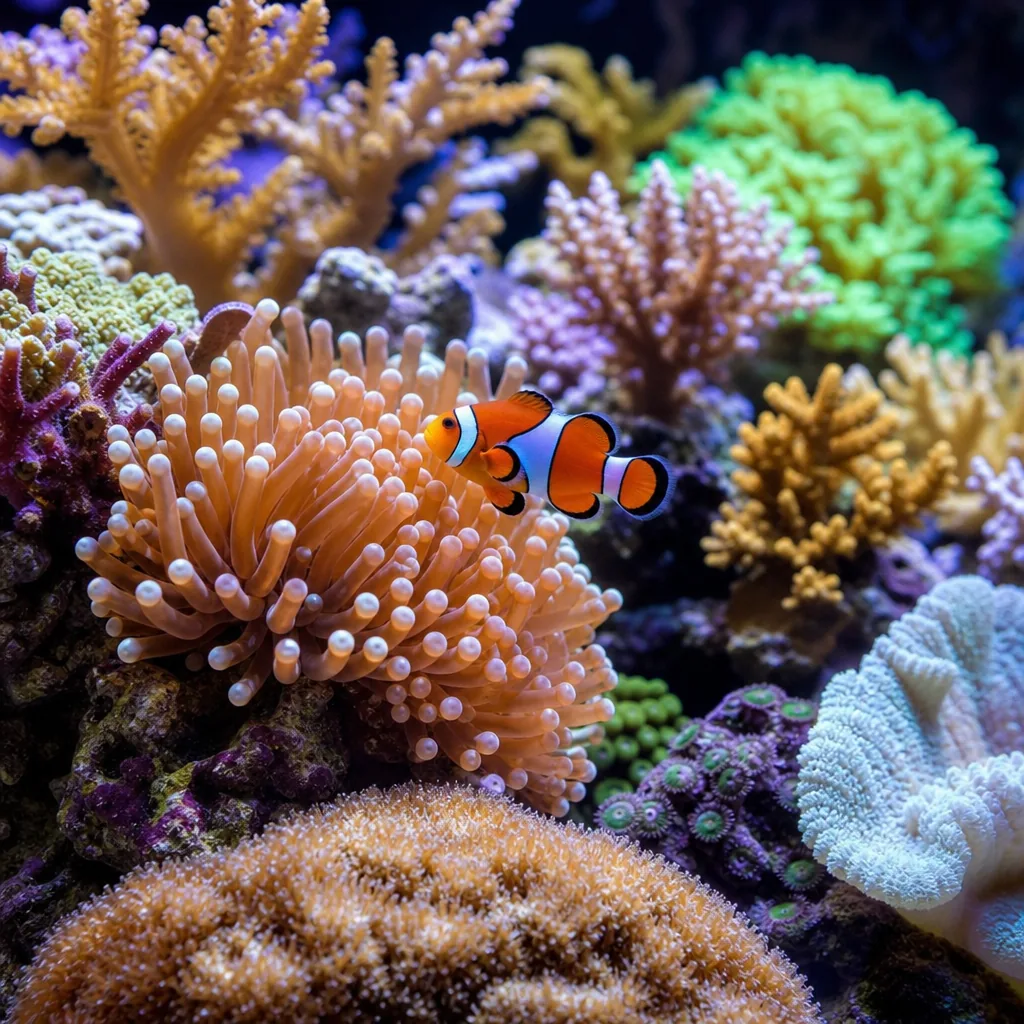
If you’re weighing your options, freshwater is meaningfully easier than saltwater for a beginner. Freshwater tanks are cheaper, more forgiving, and simpler to maintain, which is why nearly every experienced keeper recommends starting there. Saltwater and reef tanks are deeply rewarding but add cost, equipment, and precision — they’re best approached once you’ve got freshwater fundamentals down. Explore both in our freshwater and saltwater guides when you’re ready.
Setting Realistic Expectations
Here’s what an honest commitment looks like for a typical freshwater community tank:
- Daily: two minutes to feed and observe.
- Weekly: 15-30 minutes for a water change and quick cleaning.
- Monthly: 30-45 minutes for filter servicing and a deeper check.
- Vacations: minimal prep — most tanks handle a week with no one home.
That’s a modest commitment by any pet standard, and much of it is pleasant rather than a chore. Many keepers find the weekly maintenance genuinely relaxing.
Final Thoughts
So are aquariums hard to maintain? No — not once you’ve cleared the early learning curve and set the tank up sensibly. The effort is front-loaded into understanding the basics and choosing the right equipment and stocking. Do that part deliberately and the day-to-day care is light, predictable, and even enjoyable. Start with a reasonably sized freshwater tank, learn the cycle, stock slowly, and you’ll quickly discover the hobby is far easier than its reputation suggests.
Frequently Asked Questions
Are aquariums hard to maintain?
Not once they’re properly set up and established. The ongoing care is light — a few minutes daily and a short weekly water change — but the early setup phase requires real attention to get right.
How much time does a tank take each week?
A typical freshwater community tank needs about 15-30 minutes weekly for a water change and cleaning, plus a couple of minutes a day to feed and observe. It’s a modest commitment compared with most pets.
Why do so many beginners say fishkeeping is hard?
Almost always because they skipped the nitrogen cycle, overstocked, or chose a tank too small to be stable. Those specific early mistakes cause most failures — the hobby itself isn’t difficult once you avoid them.
Is saltwater much harder than freshwater?
Yes, meaningfully so for beginners. Saltwater adds cost, equipment, and precision, which is why nearly every experienced keeper recommends starting with freshwater and moving to marine once you’ve got the fundamentals down.
What’s the single best thing I can do to make a tank easy?
Start with a larger, cycled tank and stock it lightly. More water volume dilutes mistakes, an established biofilter handles waste, and modest stocking keeps water quality stable with little effort.