
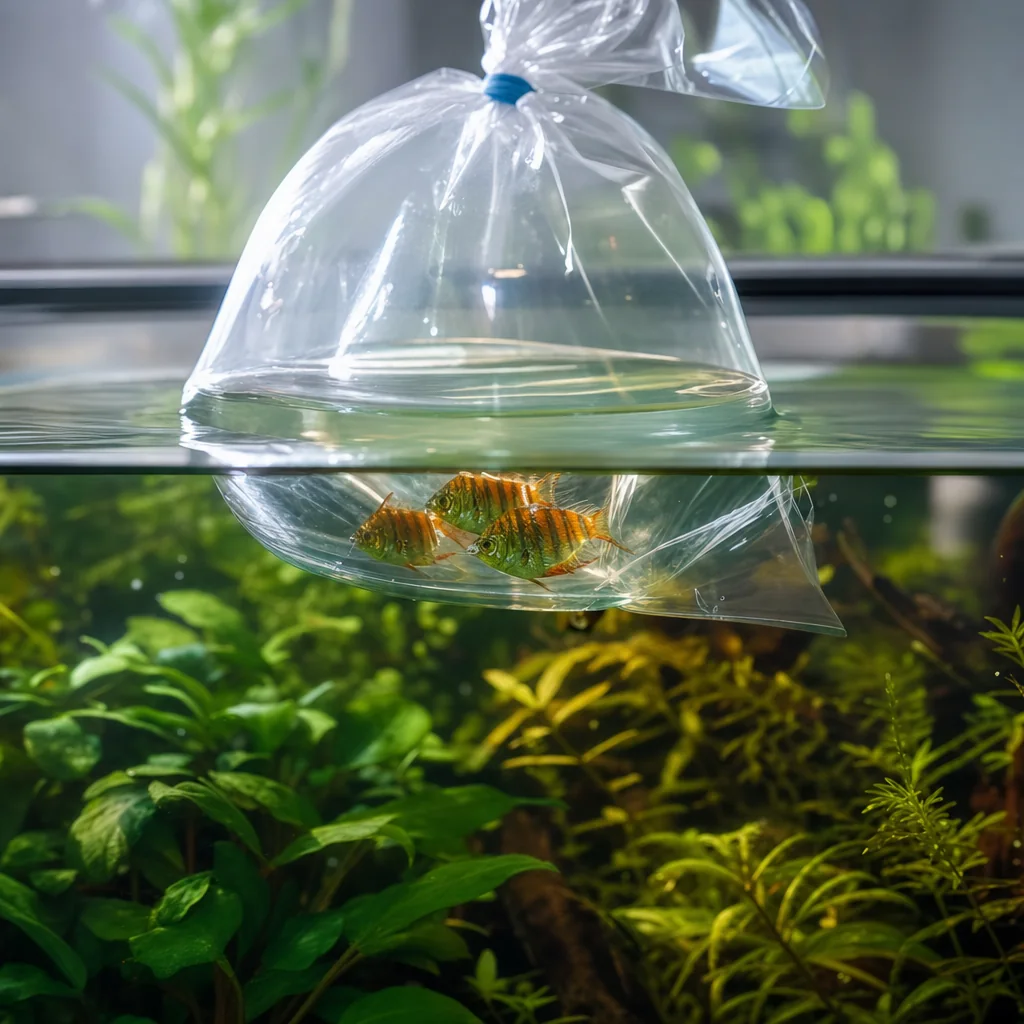
The most dangerous moment in a fish’s life is the trip from the store to your tank. The water in that bag can differ from your aquarium in temperature, pH, and other parameters, and a fish dropped straight into different water can go into shock and die within a day or two even when nothing else is wrong. Acclimation is how you bridge that gap gently.
It costs nothing but a little patience, and it’s the difference between a new fish that settles in and one that’s dead by the weekend. Here’s how to do it right, plus the steps people get wrong.
Why Acclimation Matters
Fish are sensitive to sudden changes in their environment. A rapid shift in temperature or water chemistry stresses their system, weakens their immunity, and can be fatal even if the new tank is perfectly healthy. Acclimation slowly introduces the fish to your tank’s conditions so the transition is gradual rather than a shock.
The Floating Method
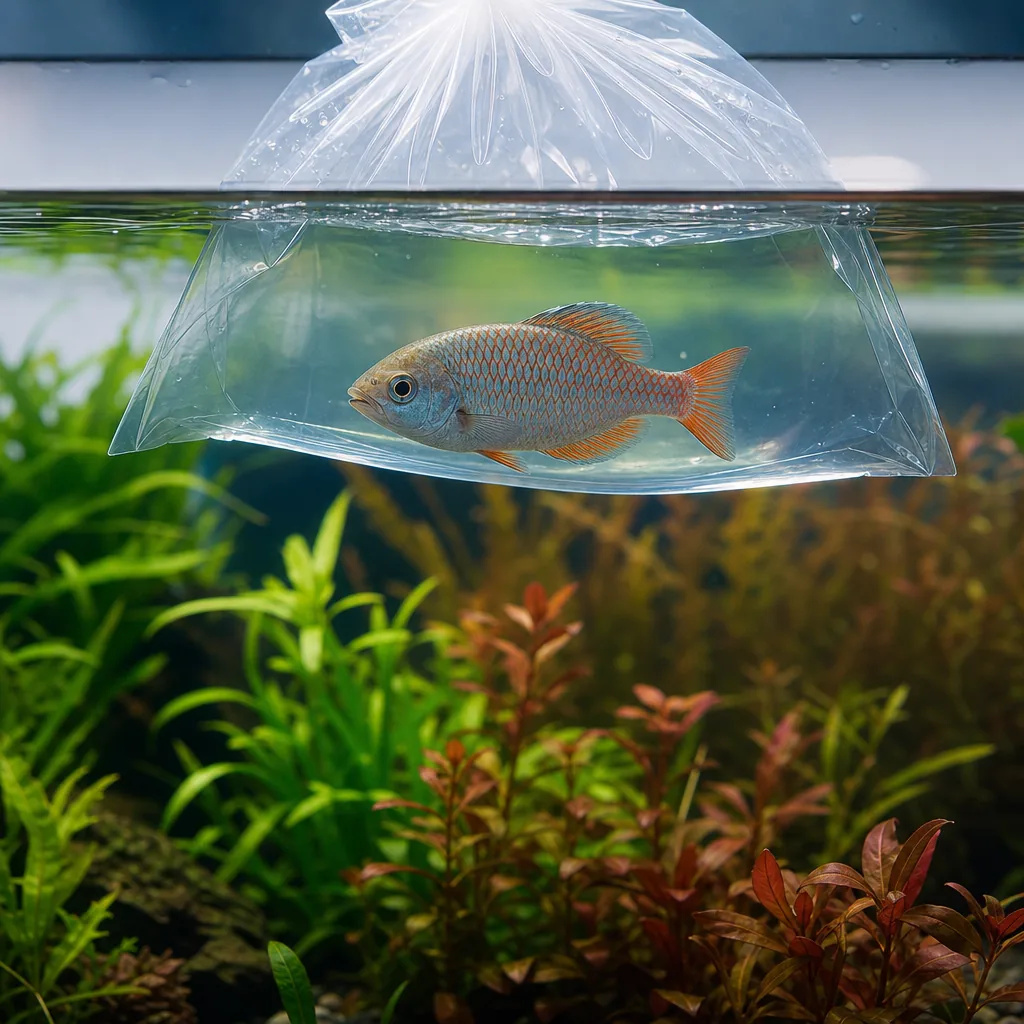
This is the standard approach for most community fish and works well for hardy species.
- Dim the lights. Turn off the aquarium light to reduce stress before you start.
- Float the bag. Set the sealed bag on the water surface for around 15 to 20 minutes so the temperatures equalize.
- Mix in tank water. Open the bag and add a small amount of tank water every few minutes over the next 20 to 30 minutes, letting the fish adjust to your chemistry gradually.
- Net the fish out. Use a net to move the fish into the tank and discard the bag water rather than pouring it in.
That last point matters: bag water can carry waste, parasites, or store medications you don’t want in your display. Always net the fish across.
The Drip Method
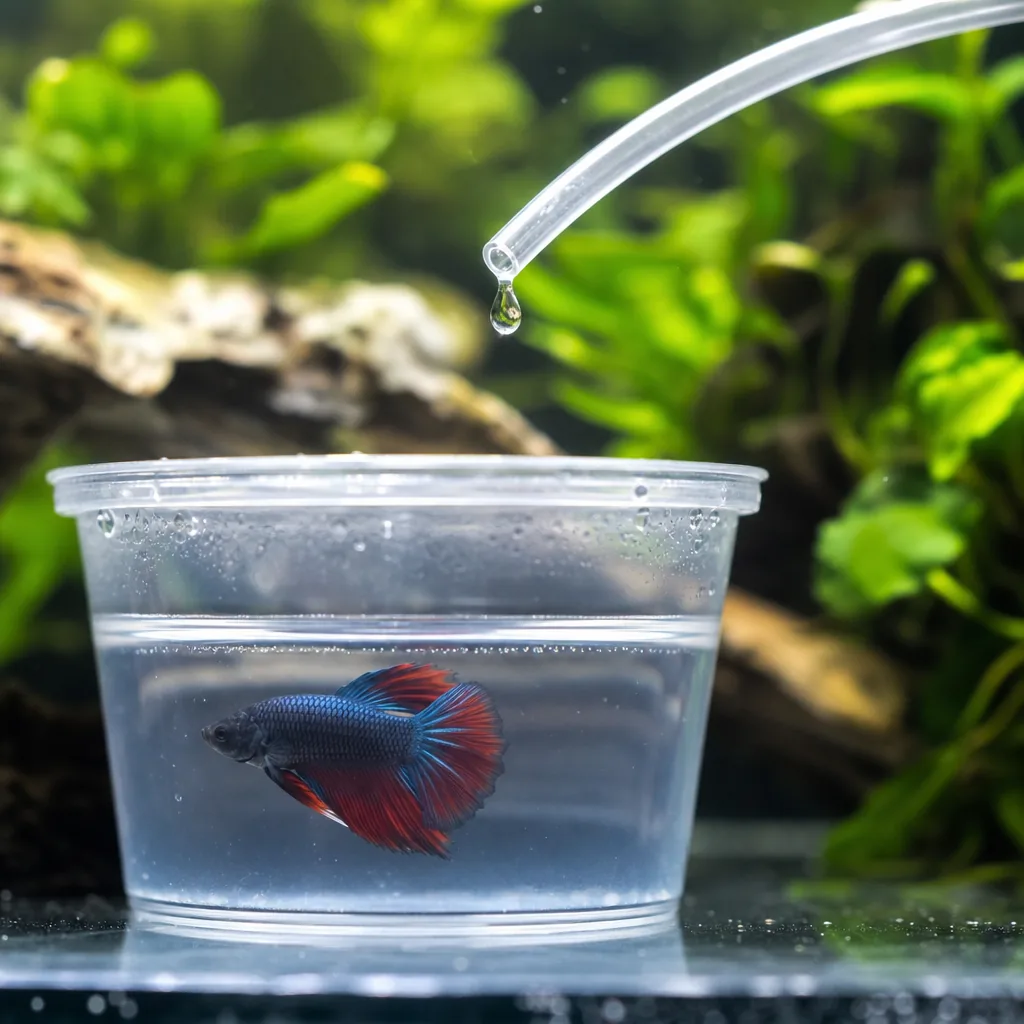
For more sensitive fish, invertebrates, or any saltwater livestock, the drip method is gentler and more thorough. It’s the standard for delicate species and anything coming from very different water.
- Place the fish and its bag water into a clean container below the tank.
- Run airline tubing from the tank to the container, tied off in a loose knot or fitted with a valve to slow the flow to a steady drip.
- Let tank water drip in until the container’s volume has roughly doubled or tripled over the course of 30 minutes to an hour.
- Net the fish into the tank and discard the leftover water.
The drip method is especially important for shrimp, snails, and corals, which tolerate sudden changes far worse than most fish. Our saltwater section goes deeper on invertebrate acclimation.
Use a Quarantine Tank When You Can
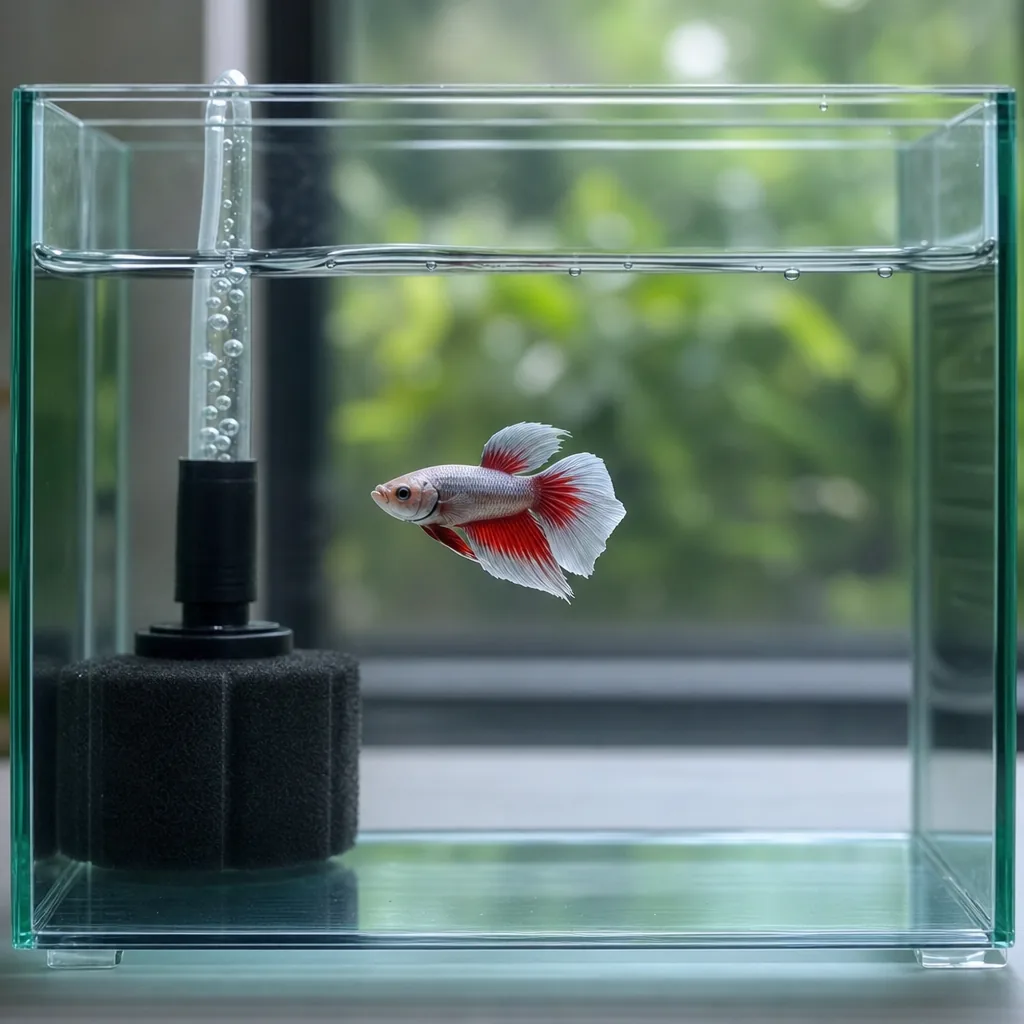
Acclimation handles the water shock, but it does nothing about disease. New fish can carry illness that spreads through an established tank fast. A separate quarantine tank, where new arrivals spend a couple of weeks before joining the main display, is the single best habit for protecting your existing fish. Many serious hobbyists consider it non-negotiable.
Common Acclimation Mistakes
A few errors undo all the careful work:
- Rushing it. A two-minute float isn’t acclimation. Give it real time.
- Pouring bag water into the tank. Net the fish; leave the bag water behind.
- Acclimating in bright light. Darkness keeps stress down during a vulnerable moment.
- Adding too many fish at once. Even acclimated fish add to the bioload; stock gradually.
Acclimation is one of those small disciplines that separates keepers who lose fish constantly from those who rarely do. A few extra minutes when you bring a fish home pays off in survival and a smoother start. Pair it with quarantine and proper stocking from our freshwater guides and your new arrivals will thrive. Find more setup tips on the blog.
Frequently Asked Questions
How long should I acclimate new fish?
Plan on at least 30 to 45 minutes for most fish using the floating method. Sensitive species and invertebrates benefit from the slower drip method, which can take an hour or more.
Can I just pour the fish and bag water into the tank?
No. Always net the fish into the tank and discard the bag water. That water can carry waste, parasites, or store medications you don’t want introduced to your aquarium.
What is the drip acclimation method?
It’s a slow technique where tank water drips into a container holding the fish and its bag water until the volume multiplies over 30 minutes to an hour. It’s the gentlest option for shrimp, snails, corals, and delicate fish.
Do I need a quarantine tank?
It’s strongly recommended. Acclimation handles water shock but not disease. Quarantining new fish for a couple of weeks before adding them protects your established tank from illness they may carry.
Why did my new fish die after acclimating?
Even careful acclimation can’t fix an uncycled tank, poor water quality, or disease the fish arrived with. Confirm your tank is cycled and stable, and consider quarantine to catch illness before it spreads.