
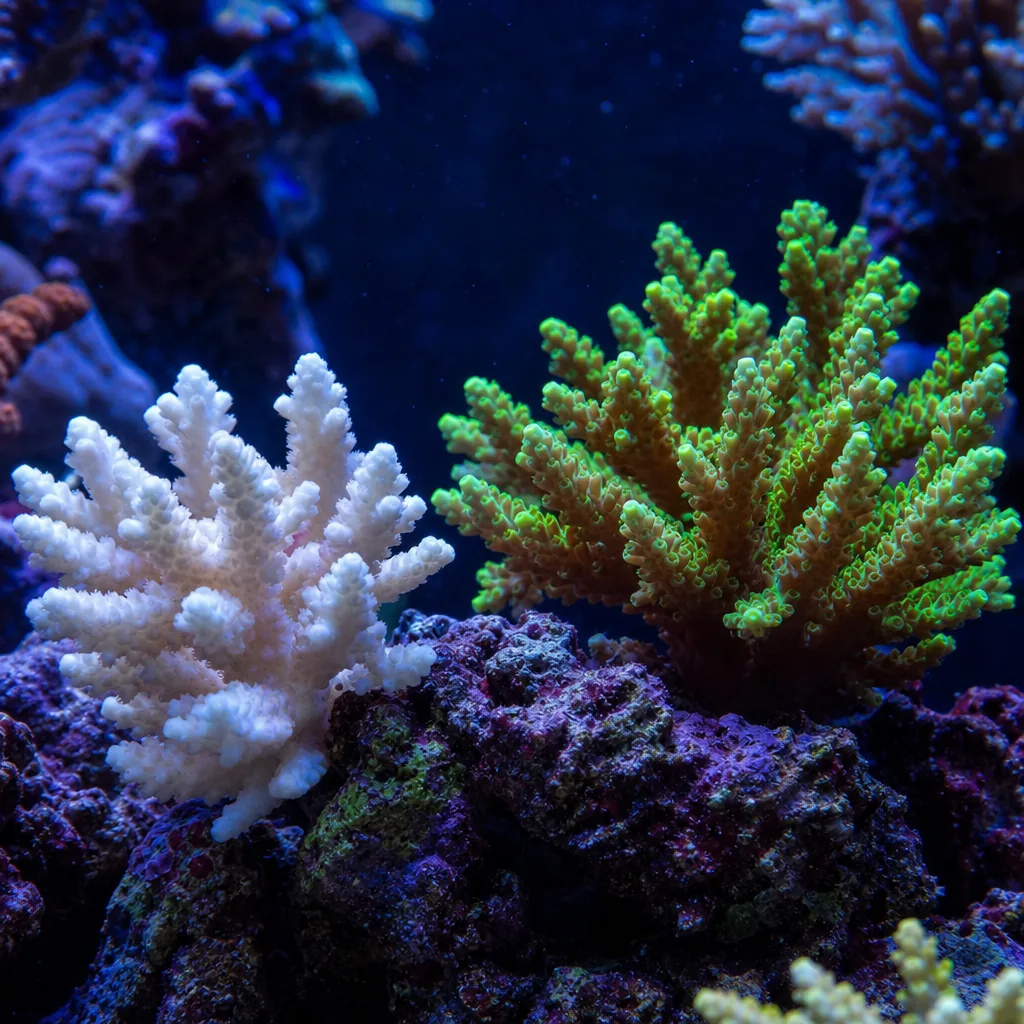
Few things in the hobby are as frustrating as watching a coral you were excited about go pale, turn a dull brown, or simply refuse to grow for months. The good news is that coral health is rarely a mystery once you know what to look at. Bleaching, browning, and stalled growth are three different symptoms, and each points you toward a different fix.
Bleaching vs. Browning vs. No Growth
These three problems get lumped together, but they are not the same thing and they do not share a single cause.
- Bleaching (going white or pale): the coral is expelling its symbiotic algae, usually because of stress from too much light, temperature swings, or a sudden parameter change.
- Browning: the opposite problem. Excess nutrients or too little light cause the coral to load up on zooxanthellae, muddying its color to brown or olive.
- No growth: the coral is alive and holding color but not extending. This is almost always a chemistry issue, most often low or unstable alkalinity and calcium.
Once you place your problem into one of these three buckets, the troubleshooting gets much simpler.
Stability Beats Perfect Numbers
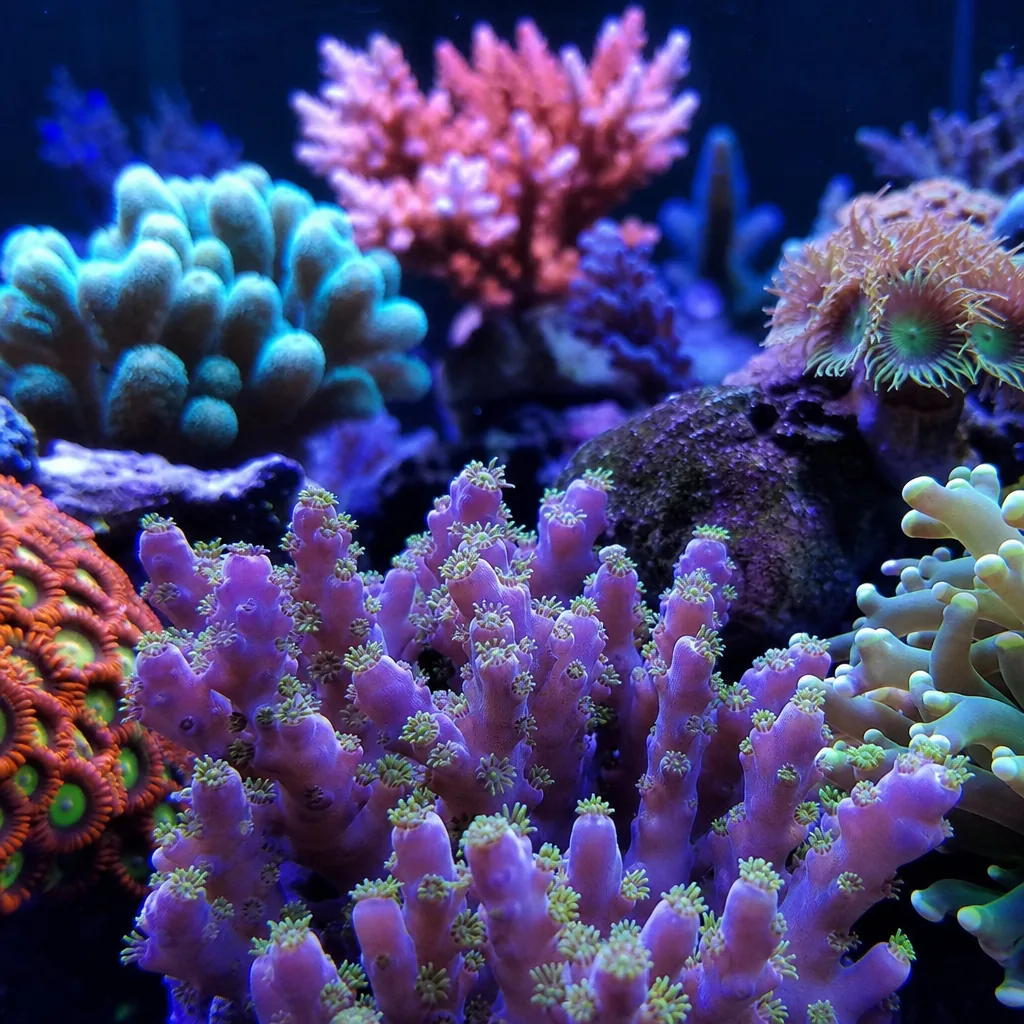
The single most important idea in coral keeping is stability. Corals tolerate a range of parameters, but they hate rapid change. A tank sitting at slightly high alkalinity that never moves will grow better than a tank that swings between two values every day. Before you chase any single reading, get your routine consistent: same top-off schedule, same feeding, same dosing time.
If you are still dialing in the fundamentals, our saltwater care guides walk through building a stable reef routine from scratch.
Light: Too Much, Too Little, or Just Wrong
Light is the most common cause of both bleaching and browning. New reefers frequently run LED fixtures too bright, too close, or on too long, and corals that were placed low in the tank get shocked when moved up.
- Signs of too much light: rapid paling from the top down, tissue that looks bleached only where the light hits hardest.
- Signs of too little light: browning, stretching toward the light, slow growth in photosynthetic corals.
Acclimate corals to new lighting slowly over a couple of weeks rather than dropping them straight under full intensity. If you recently upgraded a fixture, that alone can trigger a round of bleaching even if nothing else changed.
Nutrients: The Browning Culprit
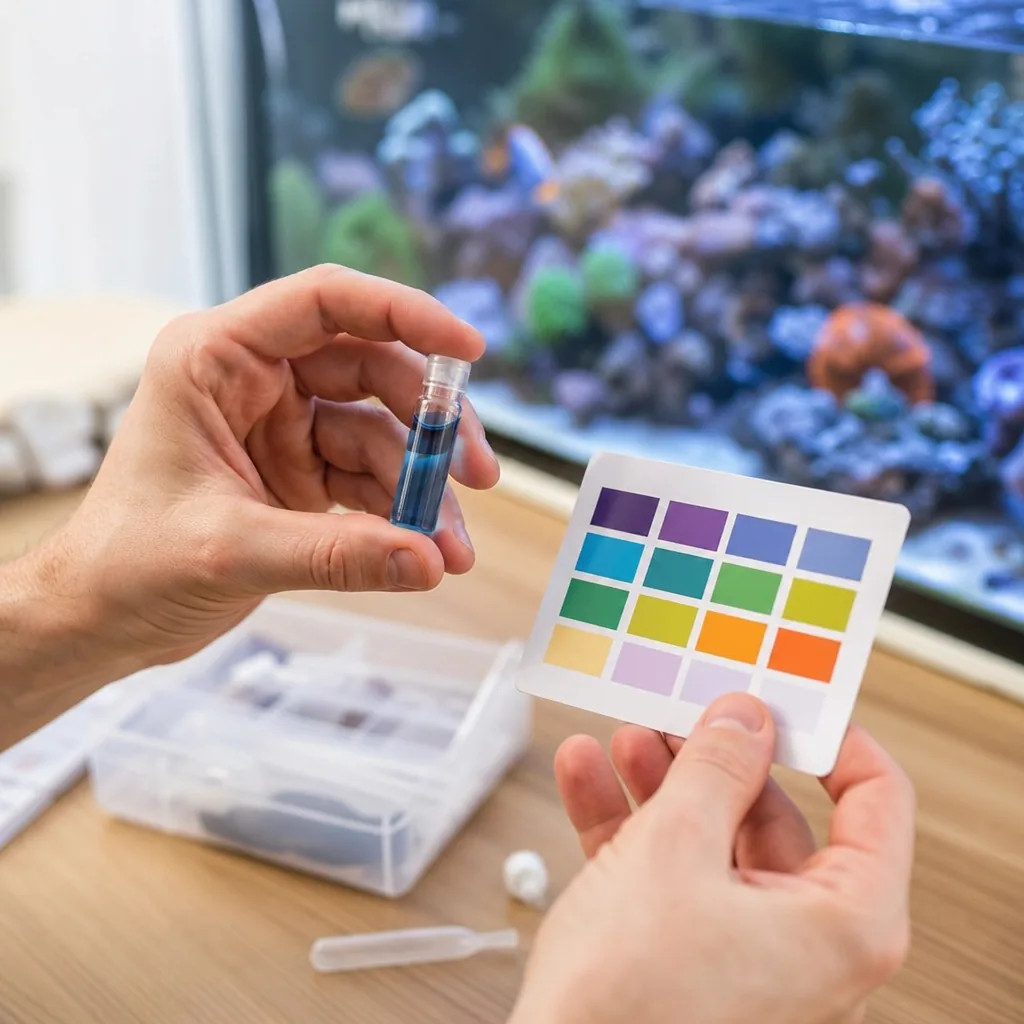
Ultra-low nutrients used to be the trend, but starved corals lose color and can pale out in a different way than light-stressed ones. On the flip side, a tank running high nitrate and phosphate almost always produces brown, dull corals because the excess feeds zooxanthellae faster than the coral can manage.
Aim for measurable but modest nutrients. If your nitrate reads zero and your corals look washed out and hungry, the fix may be feeding more, not less. If everything is brown and algae is creeping in, tighten up export with better skimming, water changes, and reduced feeding.
Alkalinity and Calcium: The Growth Engine
Stony corals build skeleton from calcium and carbonate, and alkalinity is the parameter that most directly controls growth speed. A tank that holds steady alkalinity will show visible tip extension and new polyps within weeks. A tank where alkalinity drifts will stall no matter how good the light is.
- Test alkalinity and calcium regularly, ideally at the same time each day at first.
- Keep alkalinity stable rather than chasing a textbook number.
- As corals grow, they consume more, so a tank that was fine can slowly drift down as demand rises.
If your corals are colorful and healthy but simply not extending, put alkalinity stability at the top of your list.
Flow, Temperature, and Pests
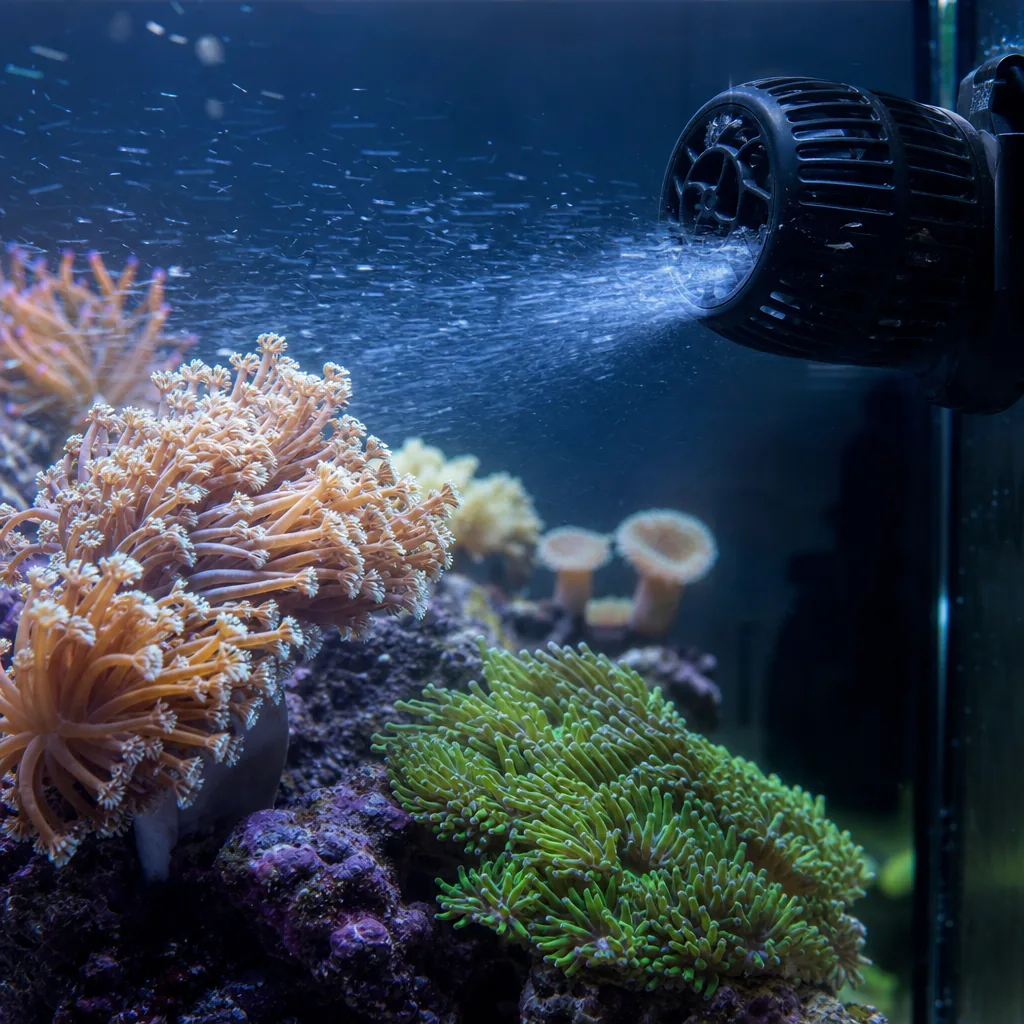
A few more common offenders round out the list. Weak flow lets detritus settle on coral tissue and starves them of food and gas exchange, while blasting flow can strip tissue. Temperature swings of more than a degree or two per day stress corals and can trigger bleaching. And do not overlook pests: flatworms, nudibranchs, and aiptasia can bother corals directly and cause localized tissue loss that looks like a chemistry problem.
Dip new frags before adding them, and inspect struggling colonies closely under a flashlight after lights-out.
A Simple Troubleshooting Order
When a coral goes downhill, work through this sequence rather than changing five things at once:
- Confirm temperature is stable and in range.
- Test alkalinity, calcium, nitrate, and phosphate; note anything unstable.
- Check whether the symptom is bleaching, browning, or stalled growth.
- Match the symptom to light, nutrients, or chemistry as above.
- Change one variable, then wait a week or two before judging.
Patience is part of the cure. Corals respond slowly, and layering three quick fixes on top of each other only makes it impossible to know what worked. When you are ready to add or upgrade equipment, browse our recommended reef gear, and check the latest guides for deeper dives on individual parameters.
Frequently Asked Questions
Why did my coral suddenly turn white?
Sudden whitening is bleaching, where the coral expels its algae under stress. The usual triggers are too much light, a temperature swing, or a rapid change in water chemistry. Look for what changed in the days before it happened.
Why are my corals brown instead of colorful?
Browning is typically caused by excess nutrients or too little light, both of which push the coral to hold more brown zooxanthellae. Tighten nutrient export or increase lighting gradually and color usually returns.
My coral is healthy but not growing. What is wrong?
Stalled growth in a colorful coral almost always points to low or unstable alkalinity and calcium. Test daily for a while and focus on keeping those parameters steady rather than perfect.
How long should I wait after making a change?
Give any single change one to two weeks before deciding whether it helped. Corals respond slowly, and changing several things at once makes it impossible to tell what actually worked.
Can new lighting cause bleaching even if water is fine?
Yes. Upgrading a fixture or moving a coral higher can shock it into bleaching even with perfect water. Always acclimate corals to new or brighter light gradually over a couple of weeks.