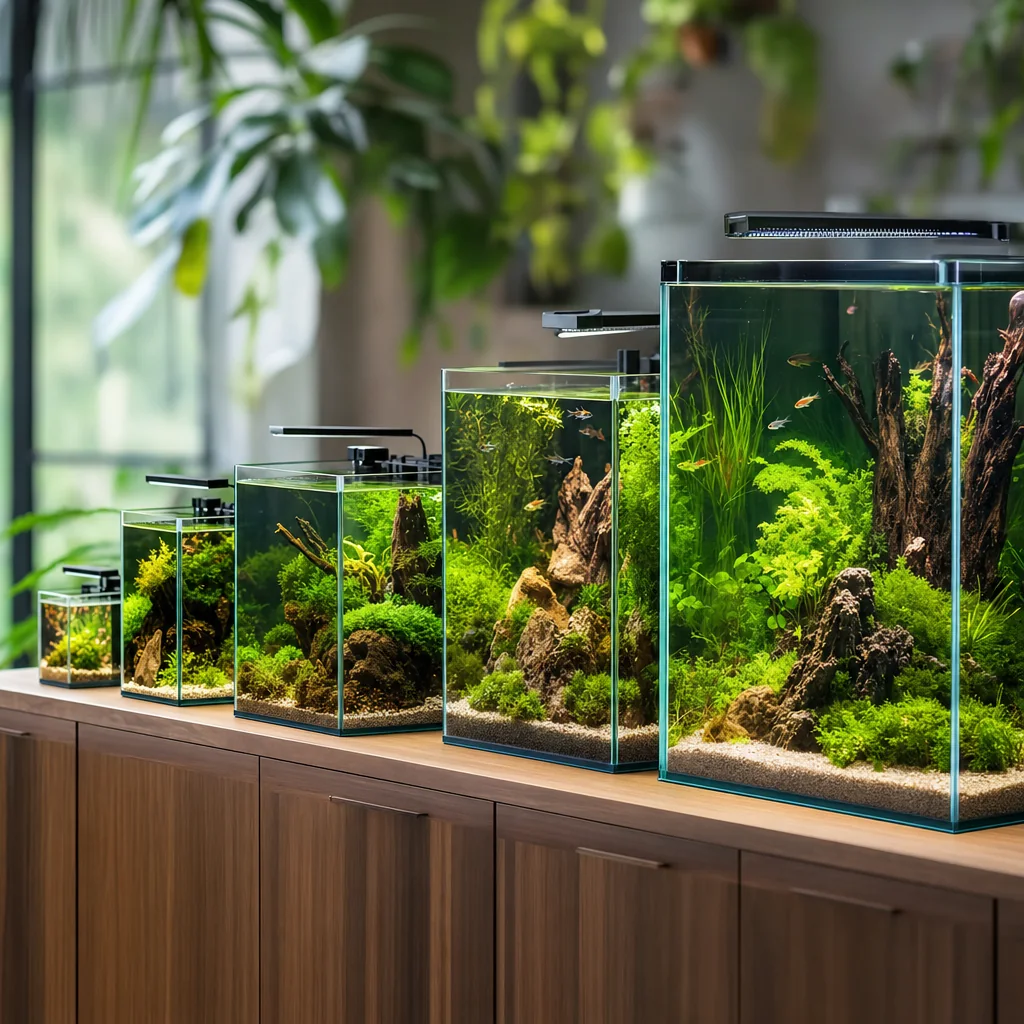
Choosing your first tank size feels like a simple question, but it quietly shapes everything that follows — which fish you can keep, how stable your water stays, how much maintenance you’ll do, and how likely you are to stick with the hobby. Get it right and fishkeeping is relaxing. Get it wrong and you’ll fight the same battles over and over, or worse, end up buying a second, bigger tank within a year.
The instinct for most beginners is to start small to keep costs and risk down. It’s a reasonable instinct that’s usually wrong. Let’s walk through how to actually choose, and why the answer surprises people.
Why Bigger Is Usually Easier
This is the most counterintuitive truth in the hobby: a larger tank is more forgiving than a small one. The reason is dilution. In a big volume of water, a mistake — a missed water change, an overfeeding, a dead fish you didn’t notice — gets diluted across many gallons and develops slowly. In a small tank, the same mistake concentrates fast and can turn deadly in hours.
Larger tanks also hold temperature more steadily, swing in pH and chemistry less, and give fish room to establish territories and reduce aggression. For a beginner who’s still learning, that stability is a safety net. The smallest tanks demand the most precise, attentive care — exactly the opposite of what a newcomer needs.
Matching Tank Size to Your Fish
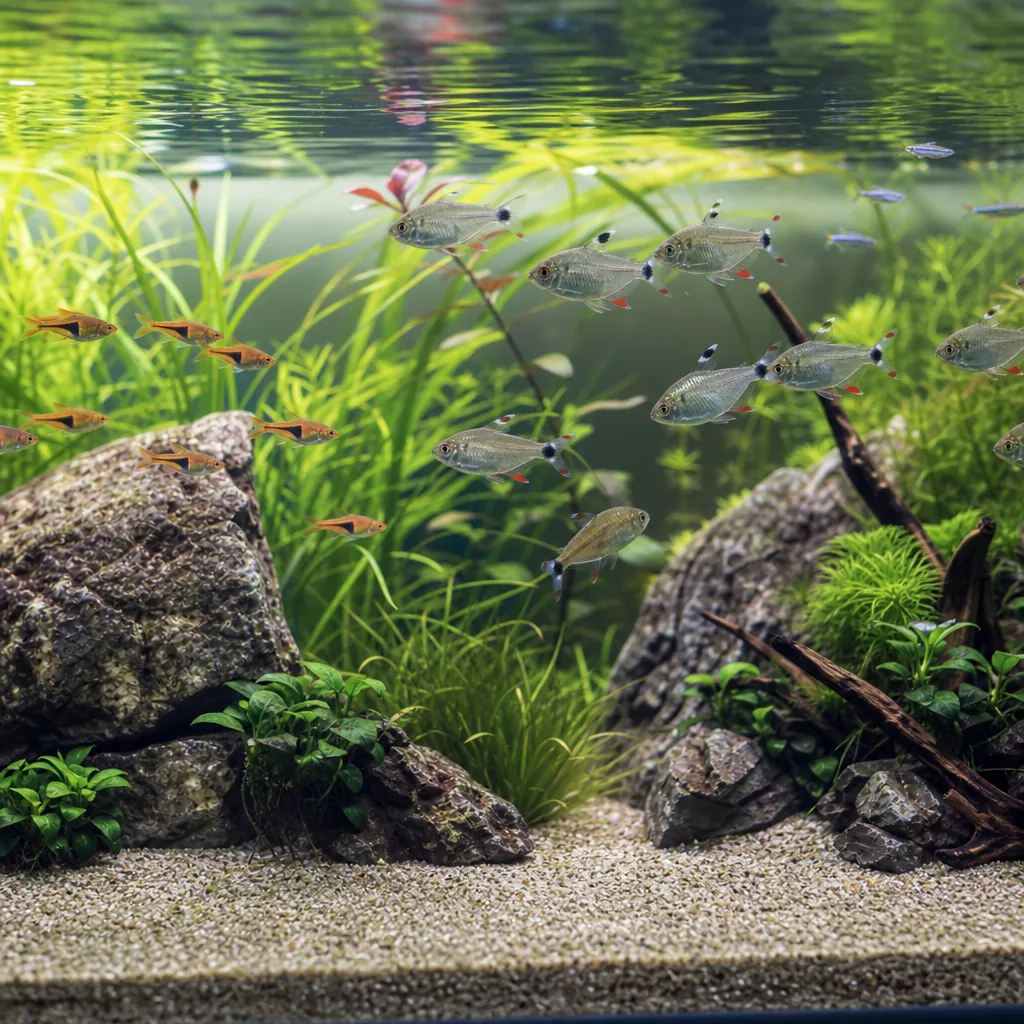
The fish you want should heavily influence the tank you buy. Stocking is about more than counting bodies — it’s about adult size, swimming style, territory, and social needs.
Research adult size, not store size
The fish in the store tank are usually juveniles. That two-inch “common pleco” can reach well over a foot; those cute little fish may need a much bigger home than the display suggests. Always look up the adult size and minimum tank recommendation before you fall in love.
Consider how fish use space
- Active swimmers (many tetras, barbs, danios) need length to cruise.
- Schooling fish need numbers, which means more bioload and more space.
- Territorial fish need footprint to establish boundaries and reduce conflict.
- Bottom dwellers care more about floor area than height.
Footprint — length and width — usually matters more than height. A long, shallow tank serves most fish better than a tall, narrow one of the same volume.
Practical Size Recommendations
Here’s a realistic way to think about common sizes for a first tank.
- Under 10 gallons (nano): rewarding but advanced. Great for shrimp and a small handful of nano fish, but the tight margins make it a tricky true beginner choice. See our nano tank guide if you’re drawn this way.
- 20-29 gallons: an excellent beginner sweet spot. Stable enough to forgive mistakes, big enough for a satisfying community, small enough to fit most homes and budgets.
- 40-55 gallons: even more stable and flexible, with room for more interesting stocking. A fantastic choice if you have the space and budget.
- 75 gallons and up: wonderful, but a bigger commitment in cost, weight, and space. Better as a considered upgrade than a first leap for most people.
If you’re undecided, lean toward the largest tank you can reasonably fit and afford. Almost no one regrets buying a slightly bigger tank; plenty of people regret buying a too-small one.
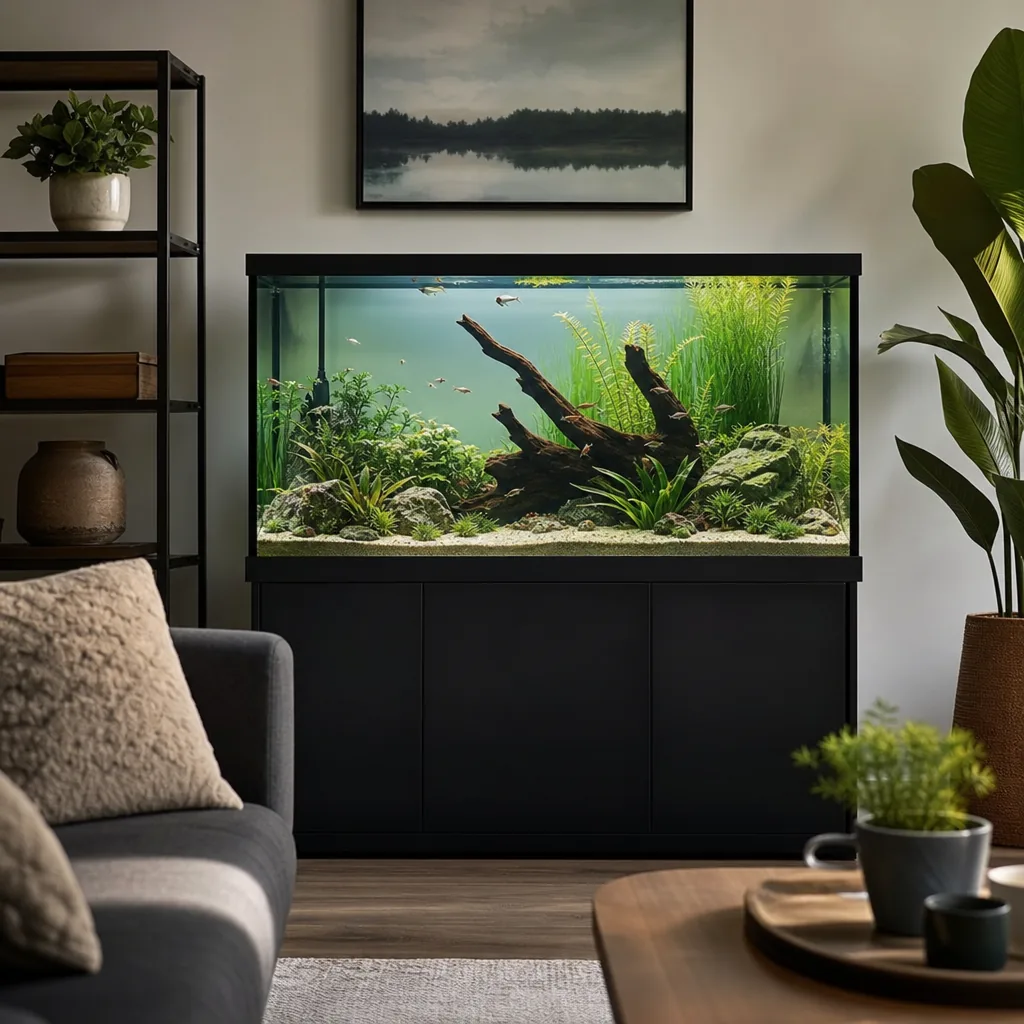
Practical Constraints to Weigh
Weight and floor support
Water is heavy — roughly eight pounds per gallon before you add glass, substrate, and equipment. A large tank requires a sturdy, level stand and a floor that can handle the load. Place big tanks near load-bearing walls and avoid sketchy furniture as stands.
Space and access
Measure your spot, and remember you need room above for lighting and access, and behind or below for filtration. Make sure you can comfortably reach in for maintenance.
Budget the whole system, not just the tank
The tank itself is often a modest part of the total. Filter, heater, light, substrate, conditioner, and a test kit add up. Budget for the complete setup so you don’t cut corners on the equipment that actually keeps fish alive. You can build out a full kit from our gear shop.
Final Thoughts
If there’s one piece of sizing advice that holds up across decades of fishkeeping, it’s this: go bigger than your instinct tells you. A 20-to-40 gallon tank gives a beginner the stability, stocking options, and forgiveness that make the hobby enjoyable instead of stressful. Start there, match your fish to the space, budget for the whole system, and you’ll set up a freshwater tank you grow into rather than out of.
Frequently Asked Questions
What’s the best aquarium size for a beginner?
A 20-to-40 gallon tank is the sweet spot. It’s large enough to stay chemically stable and forgive early mistakes, yet still affordable and practical for most homes.
Is a small tank really harder to maintain?
Yes — small tanks have less water to dilute waste and stabilize temperature, so mistakes become dangerous fast. Larger tanks are far more forgiving, which is exactly what a beginner needs.
Does tank shape matter or just volume?
Shape matters a lot. Footprint — length and width — is more useful to most fish than height, so a long, shallow tank generally serves your stock better than a tall, narrow one of the same volume.
How do I know how many fish a tank can hold?
Look up the adult size and minimum tank recommendation for each species, not the small size you see in the store. Stock gradually and let your water test results confirm the bioload is manageable.
Do I need to worry about my floor with a big tank?
For larger tanks, yes — water weighs about eight pounds per gallon, so a sturdy level stand and adequate floor support are essential. Place big tanks near load-bearing walls and avoid using furniture not built for the weight.