
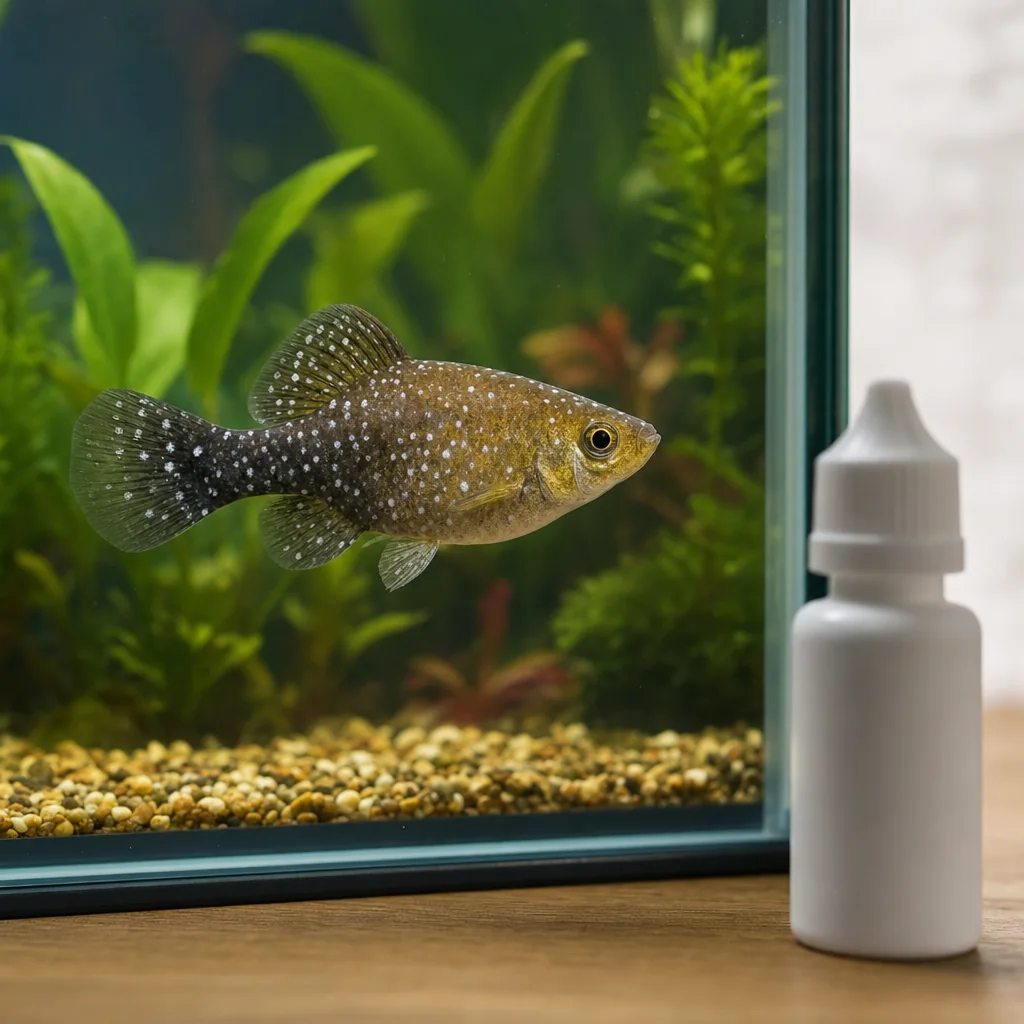
White spots scattered across your fish like grains of salt — that’s ich, and almost every aquarist meets it eventually. The good news is that it’s one of the most curable diseases in the hobby. The bad news is that people lose fish to it anyway, usually by treating too late, stopping too early, or fighting the wrong stage of the parasite’s life cycle. Understanding how ich actually works is what turns a scary outbreak into a routine fix.
This guide covers what ich is, how to recognize it before it spreads, the two main treatment approaches, and — most importantly — how to keep it out of your tank for good.
What Ich Actually Is
Ich is a parasite (Ichthyophthirius multifiliis in freshwater) with a life cycle that’s the whole key to beating it. The white spots you see are the parasite buried in the fish’s skin and gills, and at that stage it’s protected — medication can’t touch it. It only becomes vulnerable after it drops off the fish, falls to the substrate, and releases free-swimming young into the water.
That’s why ich treatment is about timing, not just dosing. You’re not killing the spots on the fish; you’re killing the free-swimmers as they hatch. Stop treating too soon and the next wave matures and re-infects everything.
Spotting It Early
The earlier you catch ich, the easier it is to beat. Watch for:
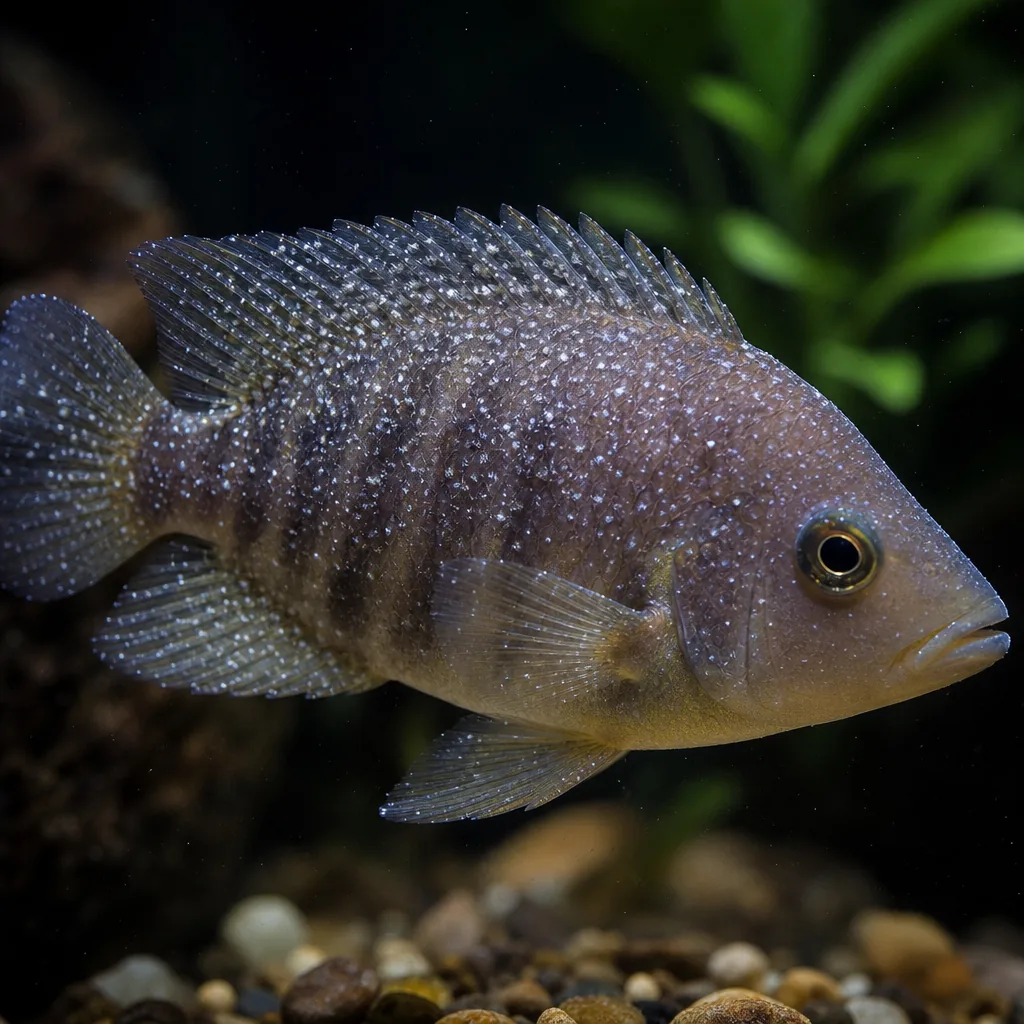
- White spots the size of salt grains on fins, body, and gills.
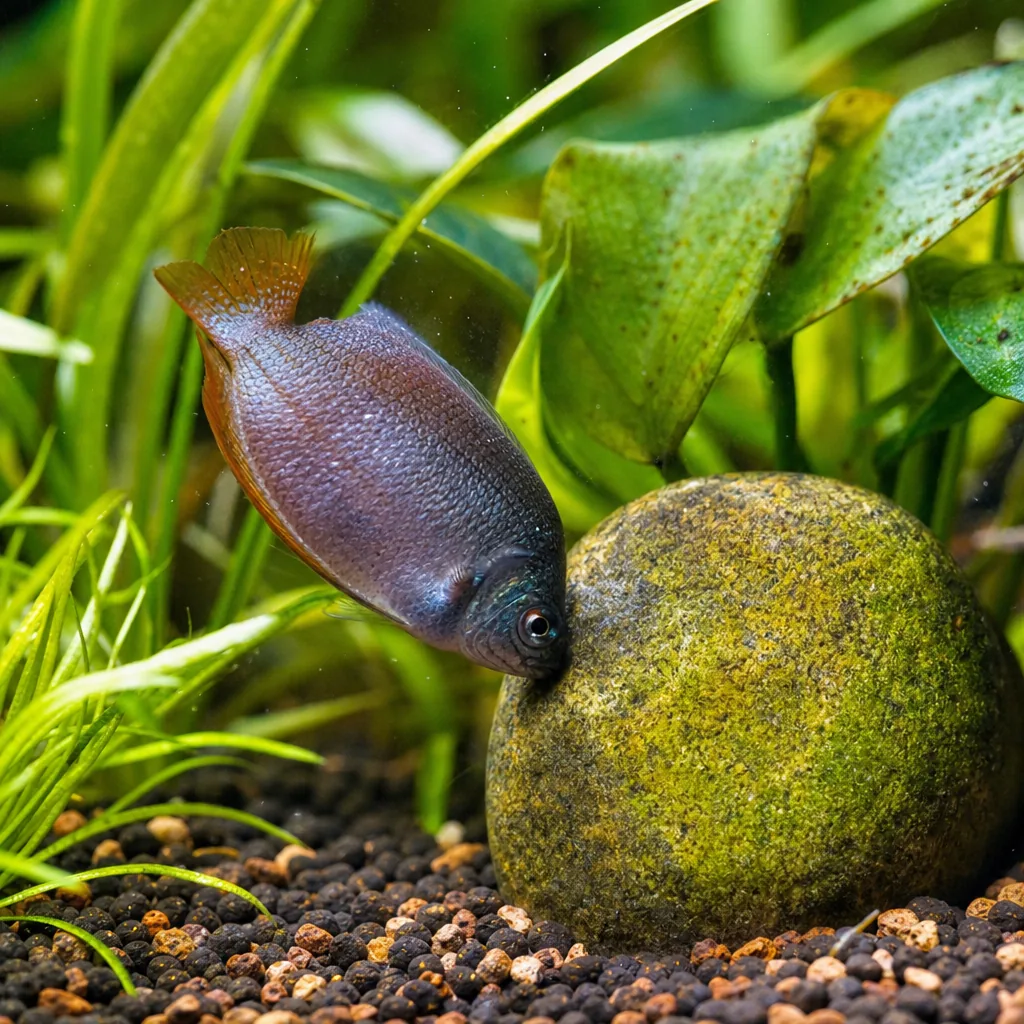
- Flashing — fish darting and scraping against rocks, plants, or substrate to relieve irritation, often the very first sign before spots appear.
- Clamped fins and lethargy — a fish holding its fins tight against its body and hanging listlessly.
- Rapid gill movement — a sign the parasite has reached the gills, which is the most dangerous form because it interferes with breathing.
If you spot flashing in a tank with no visible spots, don’t dismiss it. Catching ich at that stage gives you a big head start.
The Heat Method
Ich’s life cycle speeds up as water warms, which works in your favor. Raising the temperature accelerates the parasite through its vulnerable stage faster, shortening the whole battle.
How it works
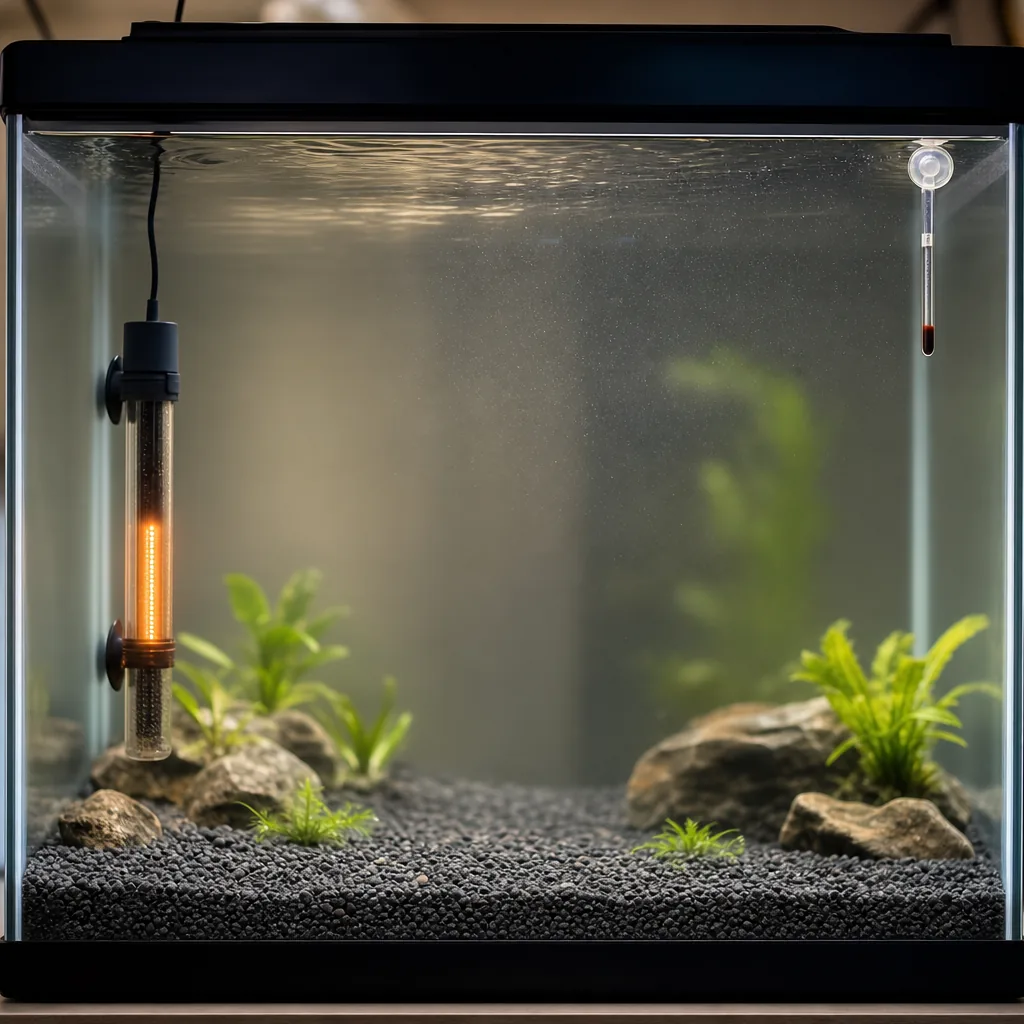
- Slowly raise the temperature over a day or two toward the upper 80s°F, staying within what your fish tolerate.
- Add an airstone or increase surface agitation — warm water holds less oxygen, and stressed fish need all they can get.
- Hold the elevated temperature for at least two weeks after the last visible spot disappears.
Heat alone can clear mild cases, but it’s most reliable when combined with medication or salt. Make sure your equipment can hold a steady elevated temperature — our freshwater gear notes cover heaters and thermometers worth trusting.
Medication and Salt
For anything beyond a minor outbreak, a dedicated ich medication is the most dependable route. A few principles:
- Follow the full course. Keep dosing on schedule for the labeled duration, and continue several days past the last visible spot to catch later hatches.
- Mind sensitive species. Scaleless fish like loaches and many catfish, plus shrimp and snails, react badly to common copper- and dye-based medications. Always check the label and dose conservatively.
- Remove carbon and pause UV. Activated carbon strips medication from the water, so take it out of the filter while treating.
- Aquarium salt can support treatment for salt-tolerant species, but it’s not appropriate for every fish or planted tank.
Why Outbreaks Happen
Ich is often called an opportunist because it gains a foothold when fish are stressed. The parasite frequently rides in on new fish or plants and stays in check until something weakens the fish’s immune defenses. The usual triggers:
- Adding new fish without quarantine.
- A sudden temperature swing — a heater failure or a cold water change.
- Poor water quality from a skipped maintenance cycle.
- Shipping and transport stress on freshly bought fish.
Prevention Beats Treatment
The aquarists who rarely deal with ich aren’t lucky — they’re disciplined. Two habits do most of the work:
- Quarantine every new arrival. A separate tank for two to four weeks keeps a hidden infection out of your main display. This single practice prevents the majority of outbreaks.
- Keep stress low. Stable temperature, clean water, and a calm environment keep fish immune systems strong enough to shrug off the occasional stray parasite.
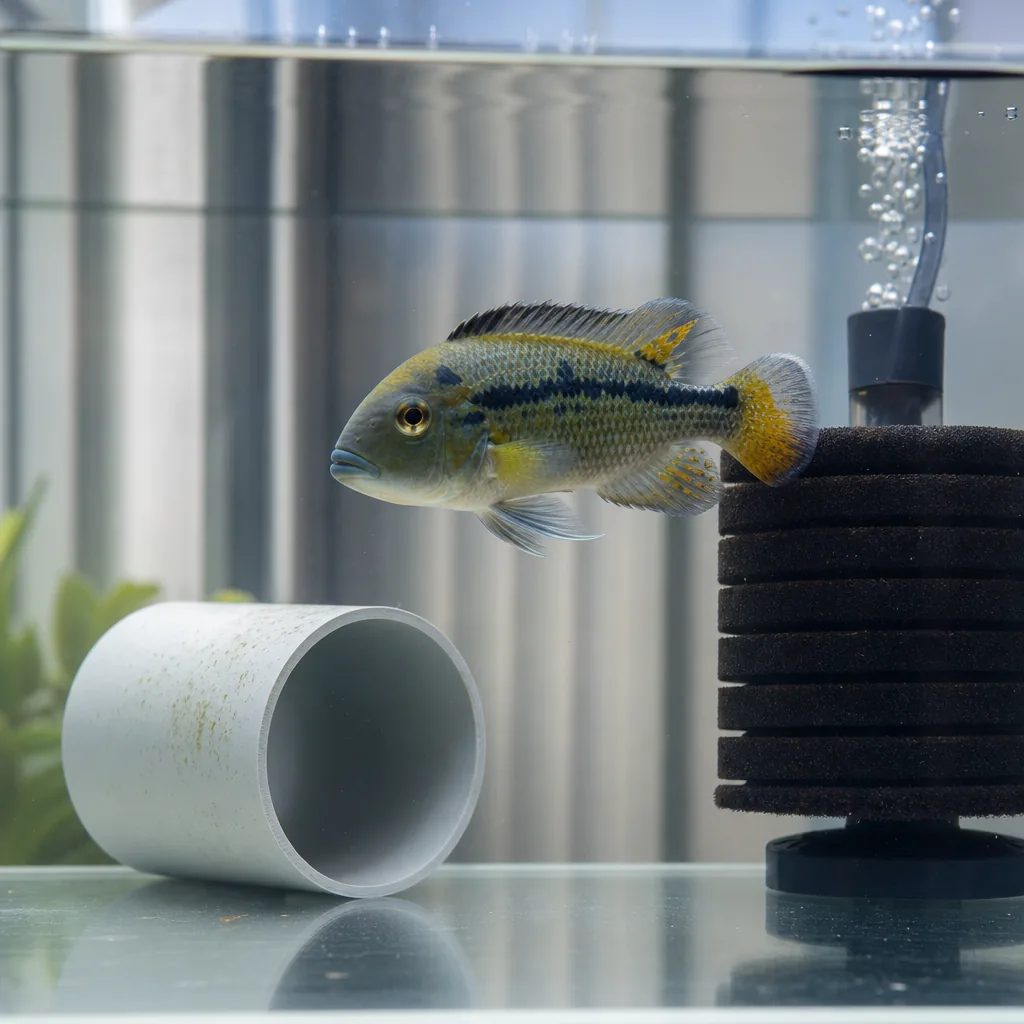
A quarantine tank doesn’t need to be fancy — a bare-bottom tank with a heater and a sponge filter does the job. You can find both on our recommended gear page.
Conclusion
Ich looks alarming, but it’s beatable when you respect the life cycle: treat the free-swimming stage, keep going well past the last visible spot, and support your fish with warmth and oxygen. Better still, stop it at the door with quarantine and low-stress husbandry. Do that and white spot disease becomes a rare, manageable nuisance rather than a tank-wiping disaster. For more health guides, visit the AquaticRig blog.
Frequently Asked Questions
How long does it take to cure ich?
Most cases clear in about two to four weeks, depending on temperature and treatment method. The critical rule is to keep treating for at least a week after the last visible spot disappears, since the parasite has stages you can’t see.
Can ich go away on its own?
It almost never does in a closed aquarium — without treatment the parasite simply re-infects your fish in waves and eventually overwhelms them. Healthy fish in the wild can fight it off, but tank conditions favor the parasite, so intervention is needed.
Is the heat method safe for all fish?
Most tropical fish tolerate elevated temperatures, but always check that your specific species can handle the upper 80s°F first. Add extra aeration during heat treatment because warm water holds less oxygen.
Why did my fish get ich if nothing new was added?
Ich often lives at low levels in a tank and flares up when fish are stressed by a temperature swing, poor water quality, or aggression. Removing the stressor is as important as treating the parasite itself.
Do I need to treat the whole tank or just the sick fish?
Treat the entire tank, because the free-swimming stage is in the water and substrate, not just on the visible fish. Moving one fish out won’t help — the parasite is already throughout the system.