
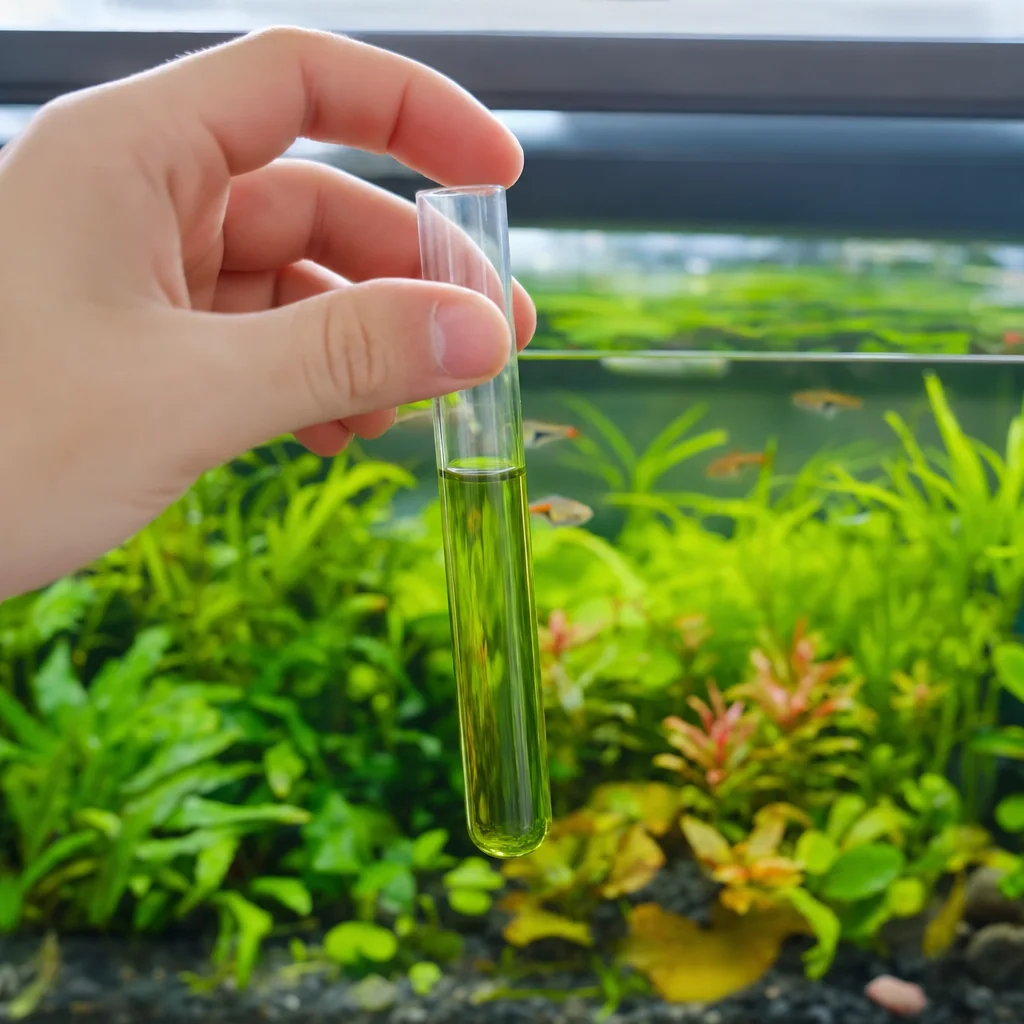
An ammonia reading above zero is one of the few true emergencies in fishkeeping. Ammonia burns gills, damages fins, and at high enough levels kills fish outright, so when your test kit shows color where it should be clear, you act first and diagnose second. The good news is the immediate fixes are simple and fast.
This covers what to do in the moment to protect your fish, then how to keep ammonia from coming back. If you don’t already own a liquid test kit, get one before anything else; you can’t manage a number you can’t measure.
Do a Water Change Right Now
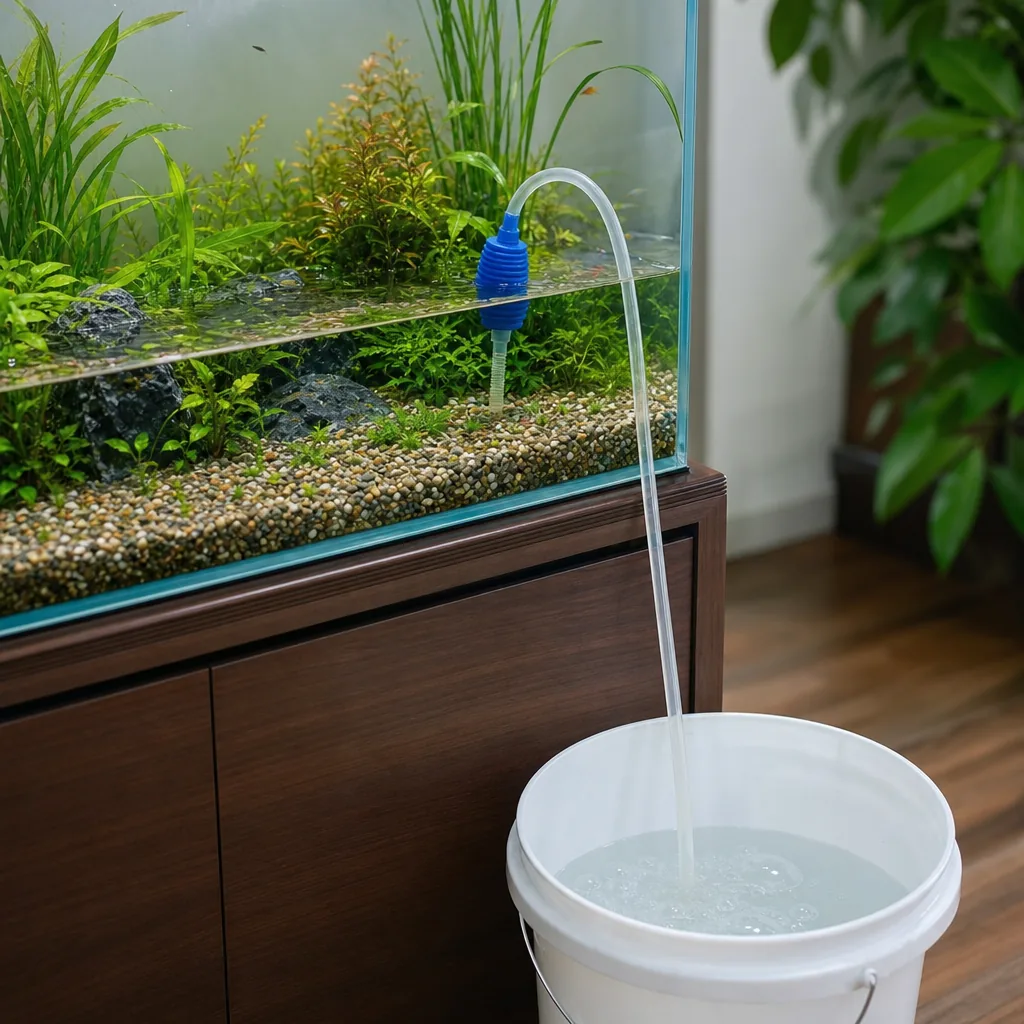
The single fastest way to lower ammonia is to physically remove it, and a water change does exactly that. A 25 to 50 percent change with dechlorinated, temperature-matched water immediately dilutes the ammonia in the tank. For a serious spike, repeat the change after the water settles. Nothing in a bottle works faster than simply taking the toxic water out and putting clean water in.
Always treat replacement water with a conditioner first. Some dechlorinators also temporarily detoxify ammonia, which buys your fish breathing room while the rest of the fix takes hold.
Stop Feeding
Pause feeding for a day or two. Uneaten food and the extra waste from feeding both break down into more ammonia, so cutting the input gives your system a chance to catch up. Healthy fish handle a short fast easily; it’s far safer than adding to the load during a spike.
Find the Source
Lowering the number is only half the job. Ammonia spikes have causes, and they recur until you fix them. Check for the usual culprits:
- Overfeeding: the most common cause by far. Excess food rots and produces ammonia.
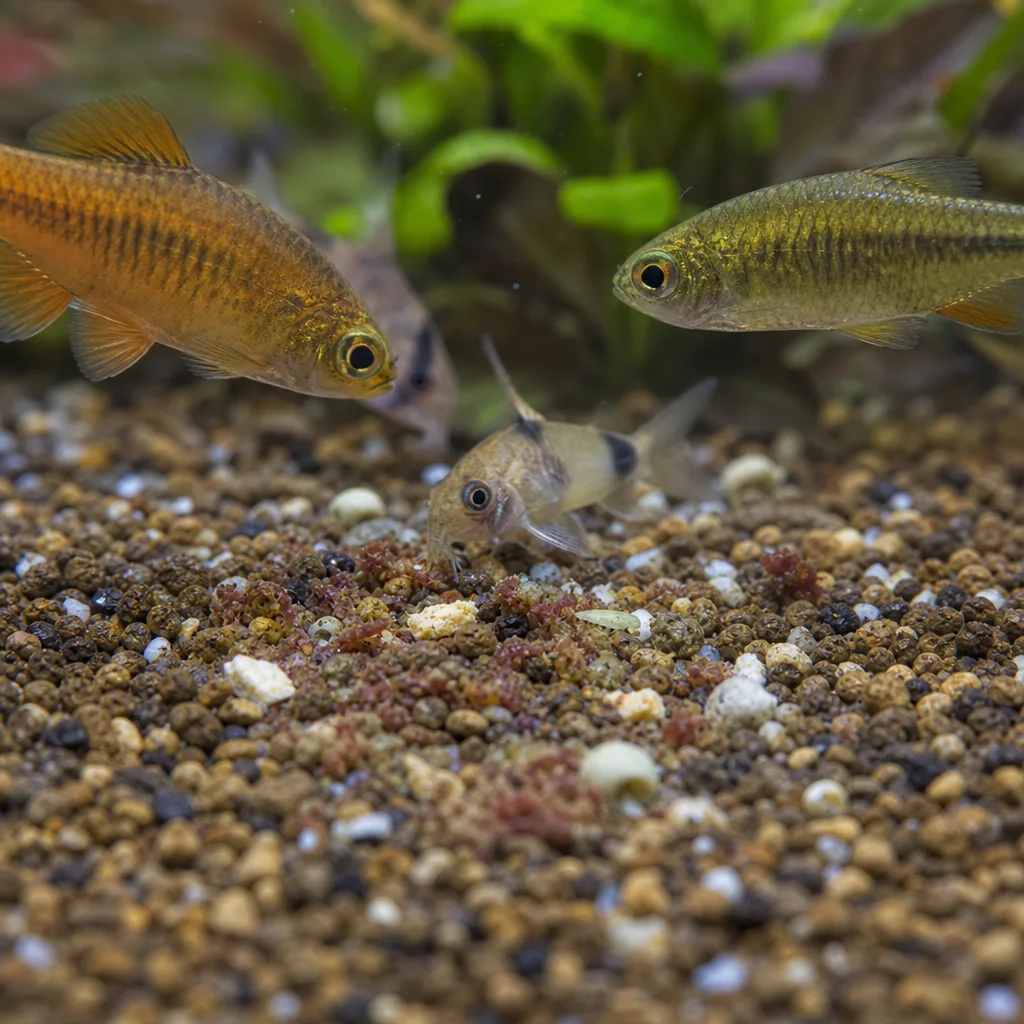
- A dead fish or animal: a body hidden behind decor can foul a tank quickly. Do a head count.
- Overstocking: too many fish produce more waste than the bacteria can process.
- A crashed or new cycle: a brand-new tank or one whose bacteria were wiped out by medication or a tap-water cleaning of the filter.
Our freshwater guides walk through stocking limits and the nitrogen cycle in detail.
Protect Your Bacteria
The long-term answer to ammonia is a healthy population of beneficial bacteria living in your filter media. These bacteria convert ammonia to nitrite and then to far less toxic nitrate. Anything that harms them, such as rinsing the filter under chlorinated tap water or running medications that target bacteria, can trigger a spike. Always rinse filter media in old tank water, never under the tap.
Seed the Tank if the Cycle Is Gone
If your cycle has crashed or the tank is new, you can speed recovery by adding filter media from an established tank, used substrate, or a quality bottled bacteria product. These don’t replace water changes, but they rebuild the colony that keeps ammonia at zero. Browse filtration gear for media options.
Keep Testing Until It’s Stable
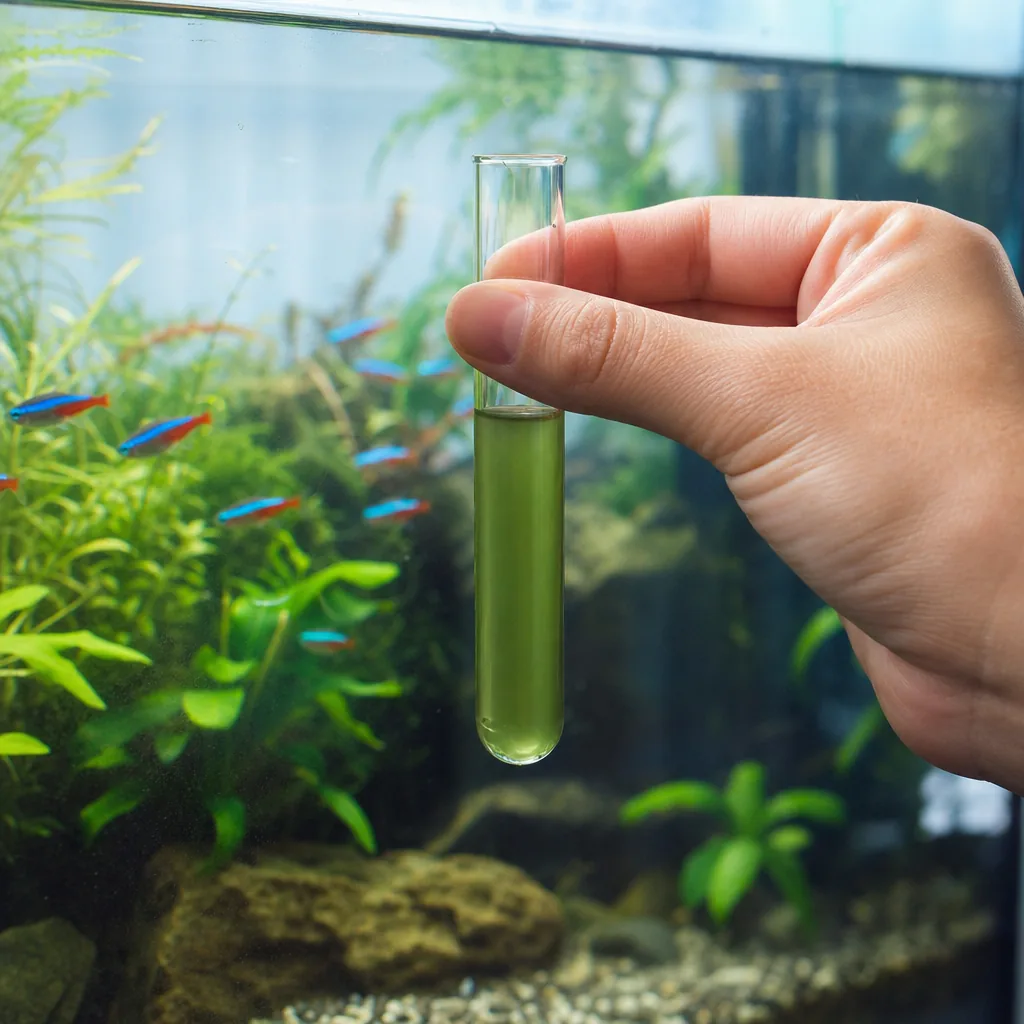
After the immediate fix, test daily until ammonia and nitrite both hold at zero. Continue smaller daily water changes as needed to keep ammonia low while the bacteria recover. Don’t assume one big water change solved it; the number tells the truth, your assumptions don’t.
Ammonia problems feel scary, but they’re almost always solvable with water changes, reduced feeding, and a little detective work to find the source. Get the level down fast, protect the bacteria doing the real work, and the tank stabilizes. For more troubleshooting walkthroughs, check the blog.
Frequently Asked Questions
What lowers ammonia in a fish tank the fastest?
A water change. Removing 25 to 50 percent of the water with dechlorinated, temperature-matched replacement immediately dilutes ammonia. For a serious spike, repeat the change after the water settles.
Is a little bit of ammonia okay?
No. Any detectable ammonia is harmful and stresses or burns your fish. In an established, cycled tank ammonia should read zero, so treat any reading above zero as a problem to fix.
Why does my ammonia keep coming back?
Usually because the underlying cause hasn’t been fixed. Overfeeding, overstocking, a hidden dead fish, or a crashed bacterial cycle all keep producing ammonia until you address the source.
Can I add ammonia-removing products?
Detoxifying conditioners can buy your fish time during a spike, and bottled bacteria can help rebuild a cycle. Neither replaces water changes and finding the source, which are the real fixes.
Did I crash my cycle by cleaning the filter?
Possibly, if you rinsed it under chlorinated tap water. That kills the beneficial bacteria living in the media. Always rinse filter media in old tank water to protect your cycle.