Most failed first tanks aren’t failures of effort. They’re failures of sequence. People buy a kit, fill it with water, drop in fish the same afternoon, and watch things go sideways a week later. The hobby isn’t hard, but it rewards patience early and punishes shortcuts. Set the tank up in the right order and the rest of fishkeeping gets dramatically easier.
This walks through a freshwater setup the way an experienced aquarist actually does it: hardware first, biology second, livestock last. Plan on a couple of weeks between buying the tank and buying the fish. That waiting period is where a healthy aquarium is born.
Gather the Right Equipment First
A stable tank starts with a few non-negotiable pieces. Buying everything at once saves you frantic trips later.
- Tank: Bigger is more forgiving. A 20-gallon holds its water chemistry steadier than a 5-gallon, which makes it a better first tank despite the larger footprint.
- Filter: Choose one rated for your tank size or a step above. The filter is the engine of the whole system.
- Heater: Most community fish want stable tropical temperatures, so a heater matched to your volume is essential.
- Substrate: Gravel or sand, rinsed thoroughly before it goes in.
- Dechlorinator and a test kit: Tap water conditioner and a liquid test kit are the two cheapest, most important things you’ll own.
You can compare beginner-friendly hardware on our gear pages if you’d rather not guess at sizing.
Rinse and Add Substrate
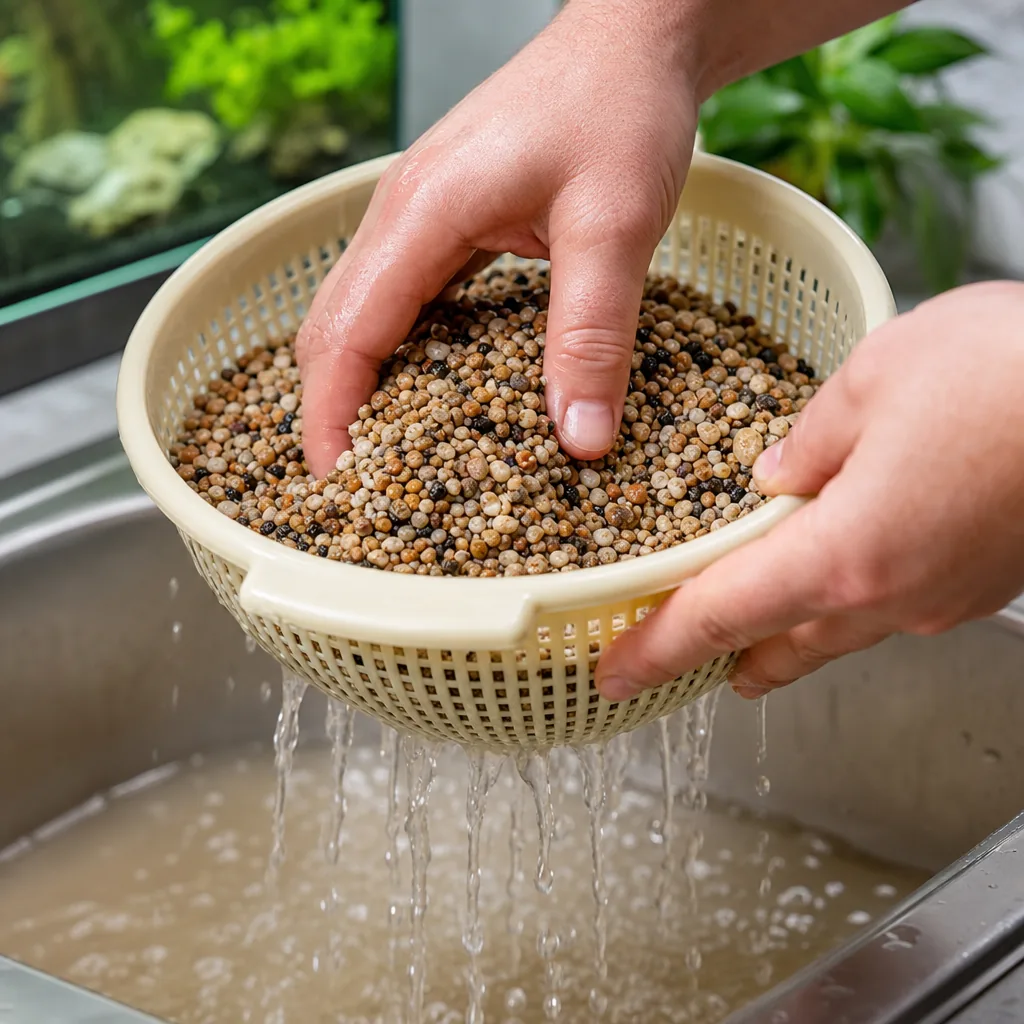
Rinse gravel or sand under plain water until it runs clear. Skipping this step is the number one cause of a cloudy tank on day one. Spread a sloping bed across the bottom, deeper at the back so debris settles toward the front where it’s easy to siphon out later.
Install Hardware and Fill the Tank
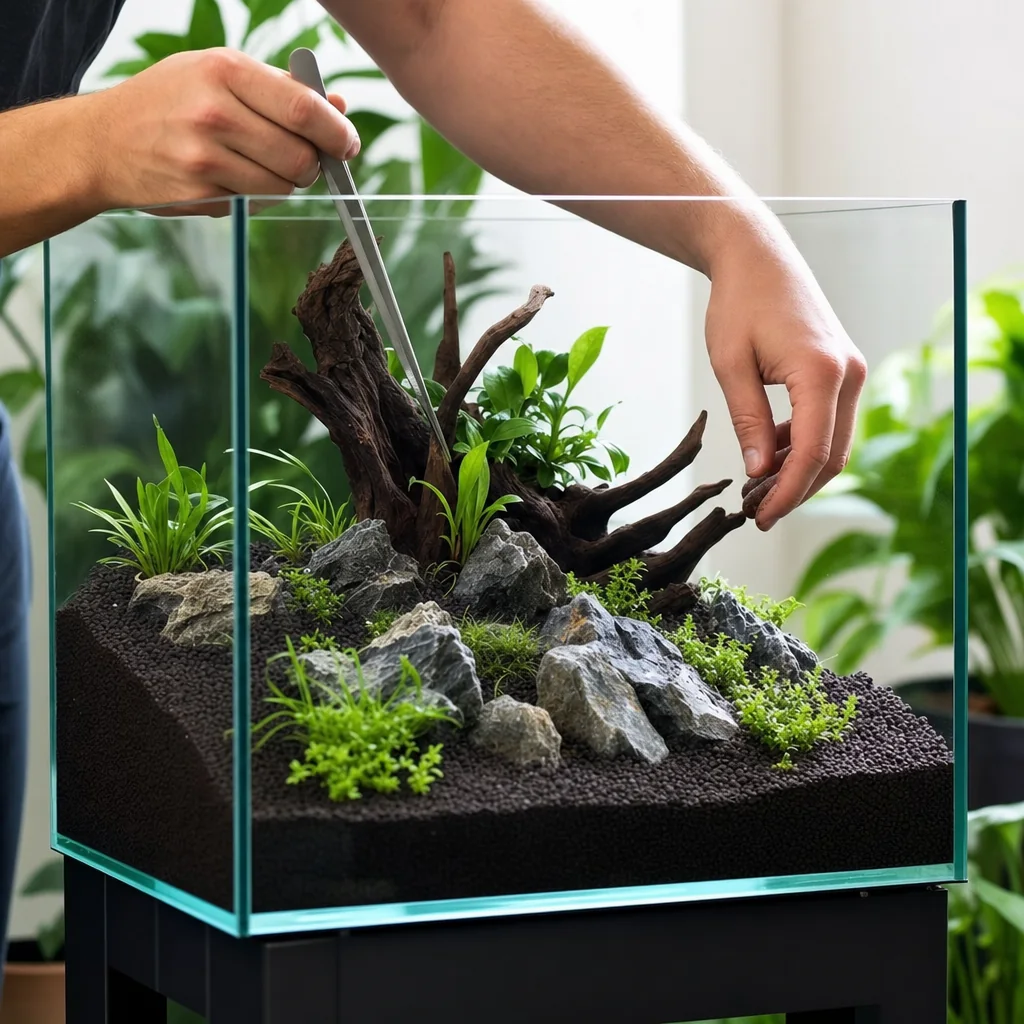
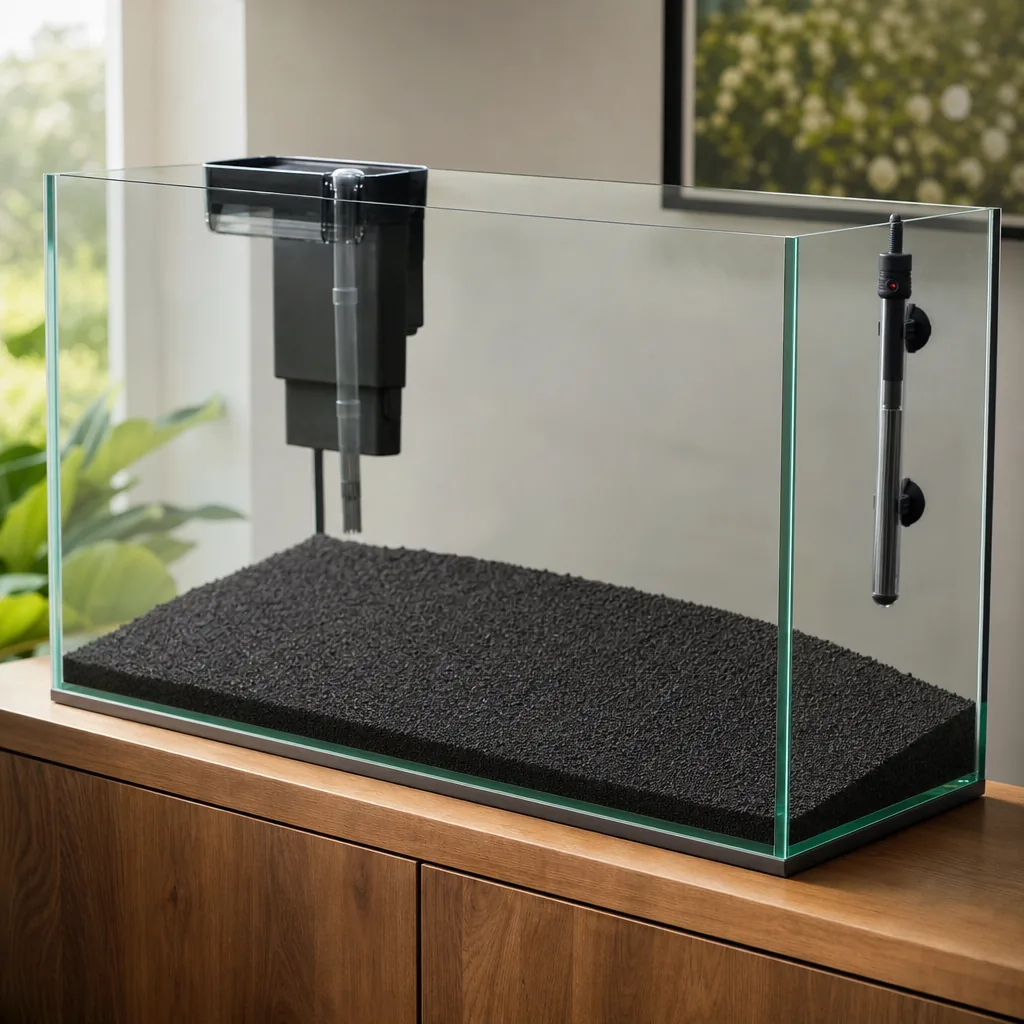
Set the heater and filter in place but leave them unplugged until the tank holds water. Place a plate or small bowl on the substrate and pour water onto that to avoid blasting a crater into your gravel. Fill it most of the way, add your hardscape and plants, then top off. Now add dechlorinator, plug everything in, and let it run.
Cycle the Tank Before Any Fish Go In
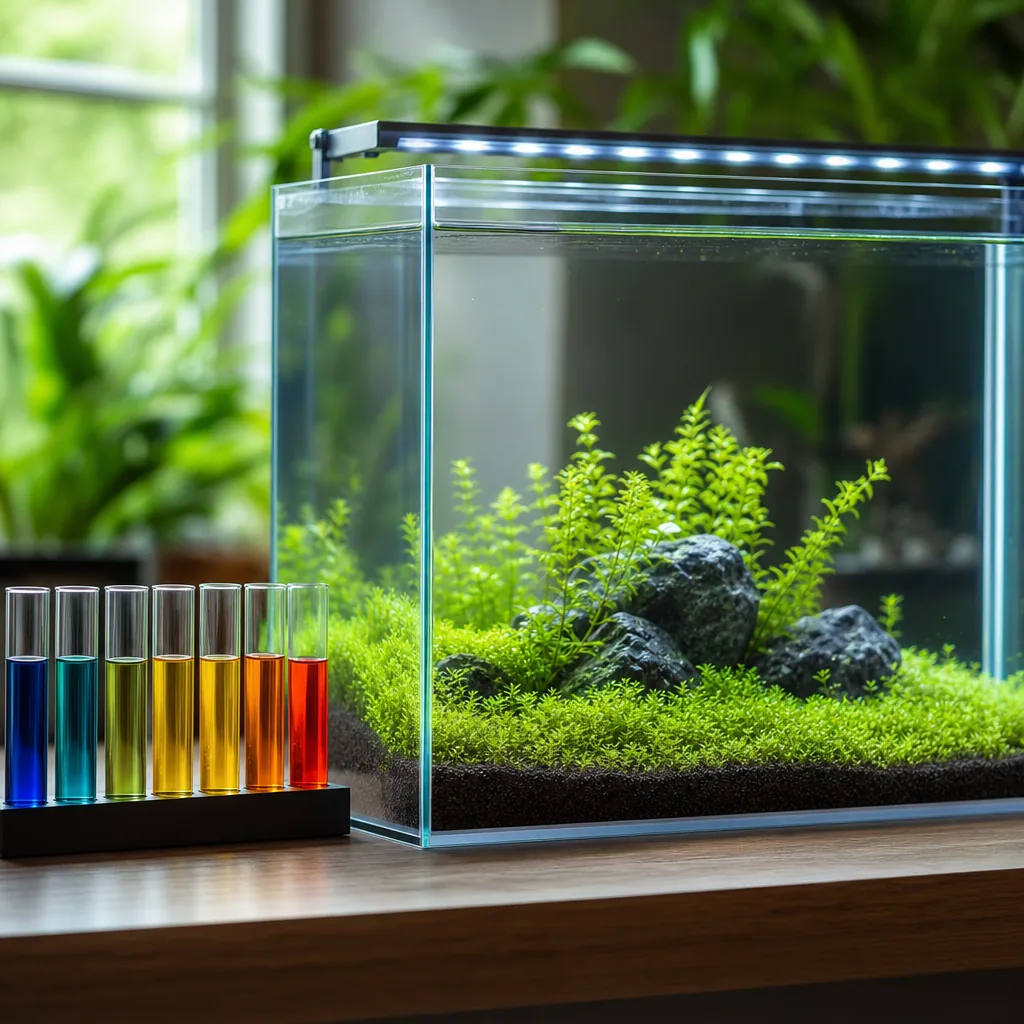
This is the step beginners skip and regret. A new tank has no bacteria to process fish waste, so ammonia builds up and poisons anything living in it. The nitrogen cycle grows two colonies of beneficial bacteria that convert toxic ammonia to nitrite, then nitrite to far less harmful nitrate.
The cleanest method is a fishless cycle: add a small ammonia source and test the water daily until ammonia and nitrite both read zero and nitrate appears. That tells you the bacteria are established. Depending on temperature and conditions this generally takes a few weeks. Rushing it is the difference between a thriving tank and a string of dead fish.
Speeding Things Up Safely
You can shorten the wait by seeding the tank with media from an established filter, a handful of used substrate from a healthy tank, or a quality bottled bacteria product. None of these let you skip testing, but they give the colony a head start.
Choose and Add Your First Fish
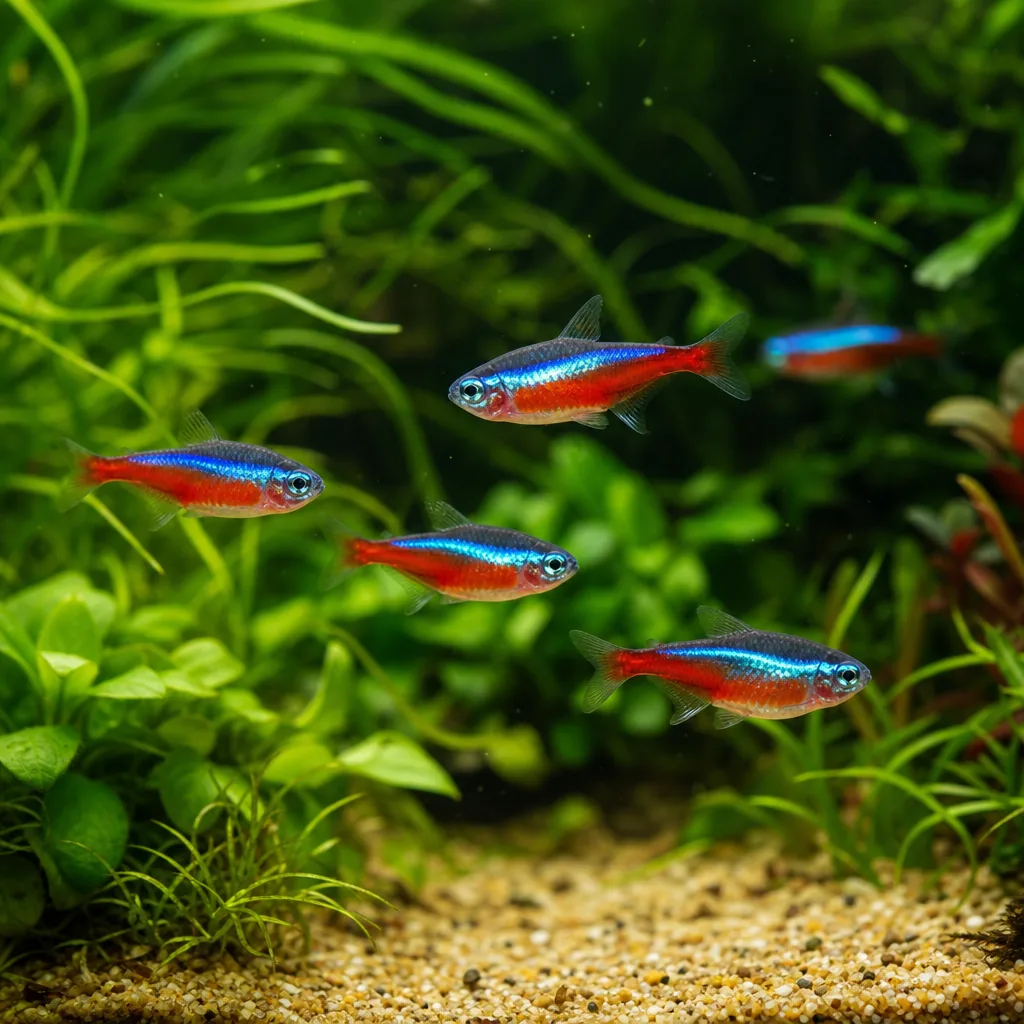
Once the tank is cycled, add fish slowly. A few hardy, peaceful species first, then more over several weeks, gives the bacterial colony time to scale up to the new waste load. Research adult size and temperament before you buy; the cute small fish in the store cup often grows into something that needs far more room. Our freshwater section covers good beginner community species and which ones to avoid early on.
Acclimate new arrivals properly rather than dumping them straight in. Floating the bag to match temperature and slowly mixing in tank water reduces the shock that kills otherwise healthy fish in the first 48 hours.
Settle Into a Maintenance Routine
A new tank needs a light hand. Feed sparingly, test weekly while everything stabilizes, and do a modest water change of around 20 to 25 percent each week. Resist the urge to deep-clean the filter; that’s where your bacteria live. Rinse filter media in old tank water, never under the tap.
Take your time, trust the cycle, and let the tank tell you when it’s ready. A freshwater aquarium set up in the right order practically runs itself once it’s mature, and the first stable tank is the one that turns curiosity into a lasting hobby. Browse more beginner walkthroughs on the blog as you grow your setup.
Frequently Asked Questions
How long before I can add fish to a new tank?
Plan on a few weeks. The tank needs to complete its nitrogen cycle so beneficial bacteria can process fish waste. Test until ammonia and nitrite read zero and nitrate appears before adding livestock.
What size tank is best for a beginner?
A 20-gallon is a great starting point. Larger volumes dilute waste and hold temperature and chemistry steadier, which gives a new keeper more margin for error than a tiny tank.
Do I really need a water test kit?
Yes. A liquid test kit is the only way to know your tank is safe before and after adding fish. It’s one of the cheapest and most valuable tools in the hobby.
Can I use tap water in my aquarium?
Usually, but you must treat it with a dechlorinator first. Chlorine and chloramine in tap water are harmful to fish and to the beneficial bacteria your filter depends on.
How many fish can I add at once?
Add just a few at a time over several weeks. Slow stocking lets the bacterial colony grow to match the rising waste load and prevents ammonia spikes that stress or kill fish.