
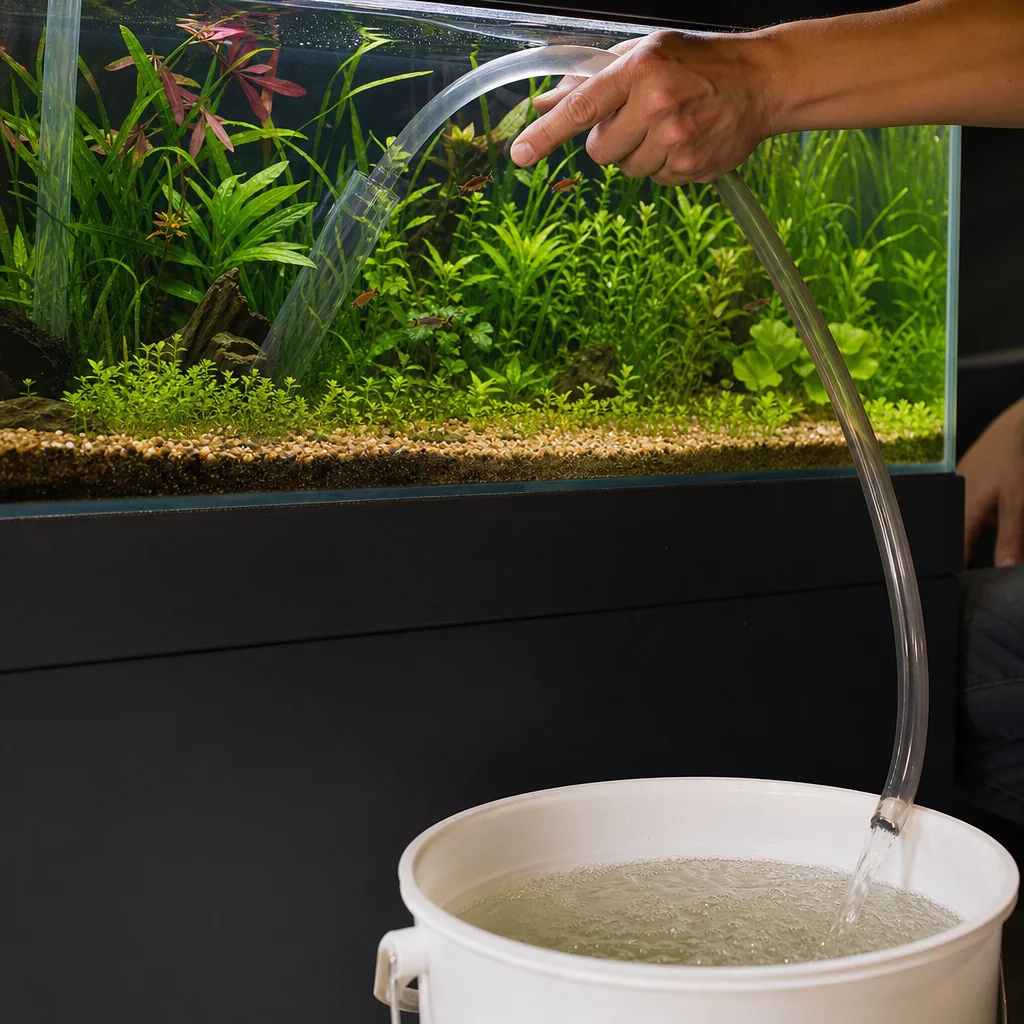
Water changes are the most important maintenance task in fishkeeping — and also the one beginners are most tempted to skip. If you only build one habit in this hobby, make it this one. Here’s how often to change your aquarium water, why it matters, and how to do it without stressing your fish.
Why water changes matter
Your filter and beneficial bacteria do a lot, but they don’t do everything. The nitrogen cycle converts toxic ammonia and nitrite into nitrate, which is far less harmful — but nitrate still accumulates over time, and your filter won’t remove it. Water changes are how you physically take that buildup out of the tank.
Beyond nitrate, regular water changes also:
- Remove dissolved organic waste that tests don’t always show but that stresses fish over time.
- Replenish minerals and buffering capacity that get used up, helping keep your pH stable.
- Dilute anything off in the water before it becomes a real problem.
Think of it as the equivalent of opening the windows and taking out the trash. A filter circulates and processes; a water change actually removes.
A simple schedule that works
For most freshwater community tanks, the reliable default is a 20–30% water change every week. It’s frequent enough to keep nitrate and waste in check, but gentle enough that it doesn’t shock your fish or disrupt the tank’s stability.
This same rhythm works well for most saltwater tanks too, with the added step of mixing your replacement water to the correct salinity ahead of time. If weekly feels like a lot when you’re starting out, a consistent every-week routine of a modest change beats an occasional huge one — small and steady wins.
Factors that change your schedule
The 20–30% weekly guideline is a starting point, not a law. Several things push it up or down.
Stocking level
More fish — or larger, messier fish — means more waste and faster nitrate buildup. A heavily stocked tank may need larger or more frequent changes. A lightly stocked tank can often get by with less.
Tank size
Bigger tanks are more stable because waste is diluted across more water. A small nano tank can swing chemistry quickly and may need more attentive changes, while a large, lightly stocked tank is more forgiving.
Planted tanks
Live plants consume nitrate as a nutrient, so a well-planted tank often accumulates it more slowly. Some heavily planted, lightly stocked tanks need less frequent changes — but don’t stop testing, because plants don’t remove everything. Learn more about planted setups on our freshwater page.
Feeding habits
Overfeeding is the hidden driver behind a lot of water-quality problems. More food in means more waste out, which means more frequent changes. Feeding sensibly is one of the easiest ways to reduce your maintenance load.
Let your test kit decide
The honest answer to “how often” is: as often as your water tells you to. A water test kit takes the guesswork out. Track your nitrate between changes and adjust your schedule to keep it in a comfortable range for your livestock. The tank itself is the best authority — testing just lets you hear what it’s saying.
How to do a water change correctly
Doing it right matters as much as doing it often. A sloppy water change can stress fish more than skipping one. Follow these steps:
- Turn off heaters and (if needed) filters before the water level drops, so equipment isn’t running dry.
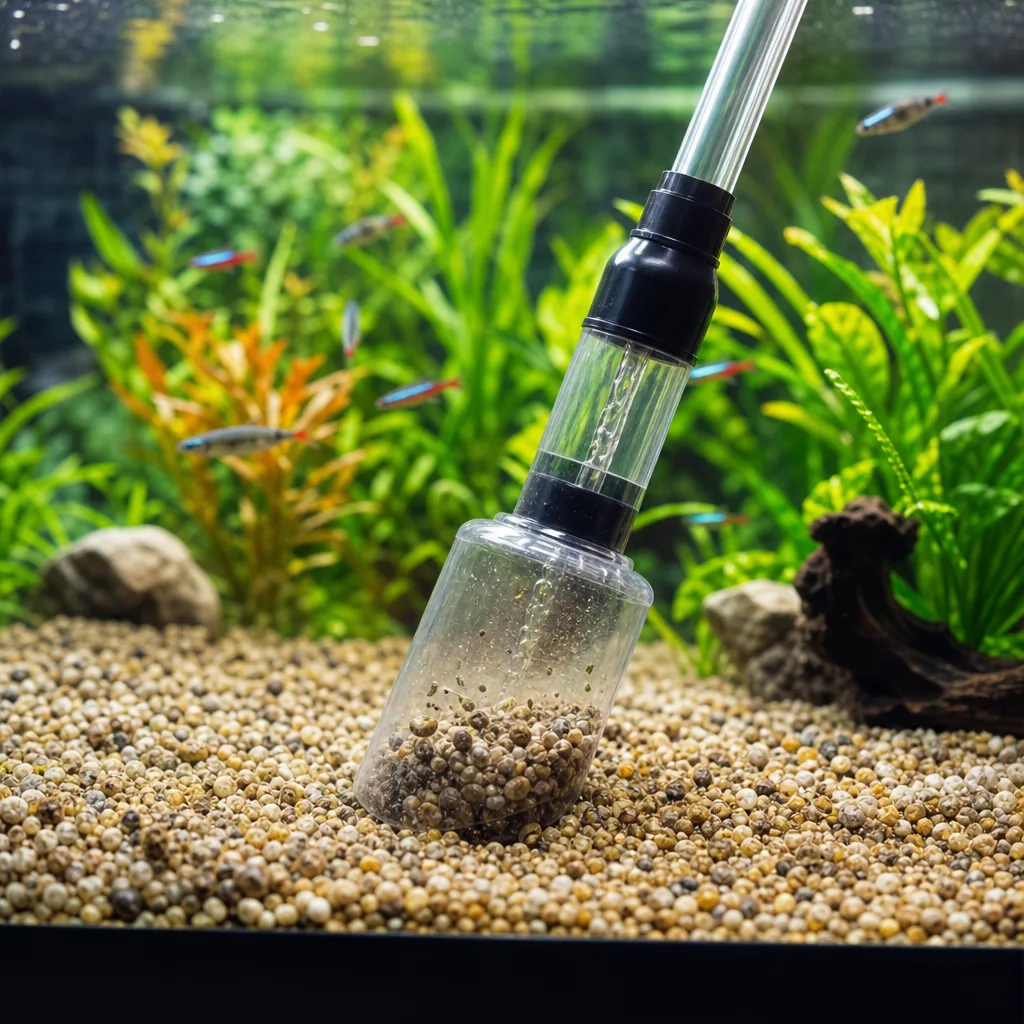
- Siphon out your target percentage using a gravel vacuum, which also pulls debris and waste out of the substrate while you drain.
- Prepare your replacement water. For freshwater, this means treating tap water with a dechlorinator to neutralize chlorine and chloramine, which are harmful to fish and your beneficial bacteria.
- Match the temperature. New water should be close to your tank’s temperature before it goes in. Sudden temperature swings are a real stressor for fish.
- For saltwater, pre-mix your replacement water with the correct amount of marine salt and confirm the salinity matches the tank before adding it.
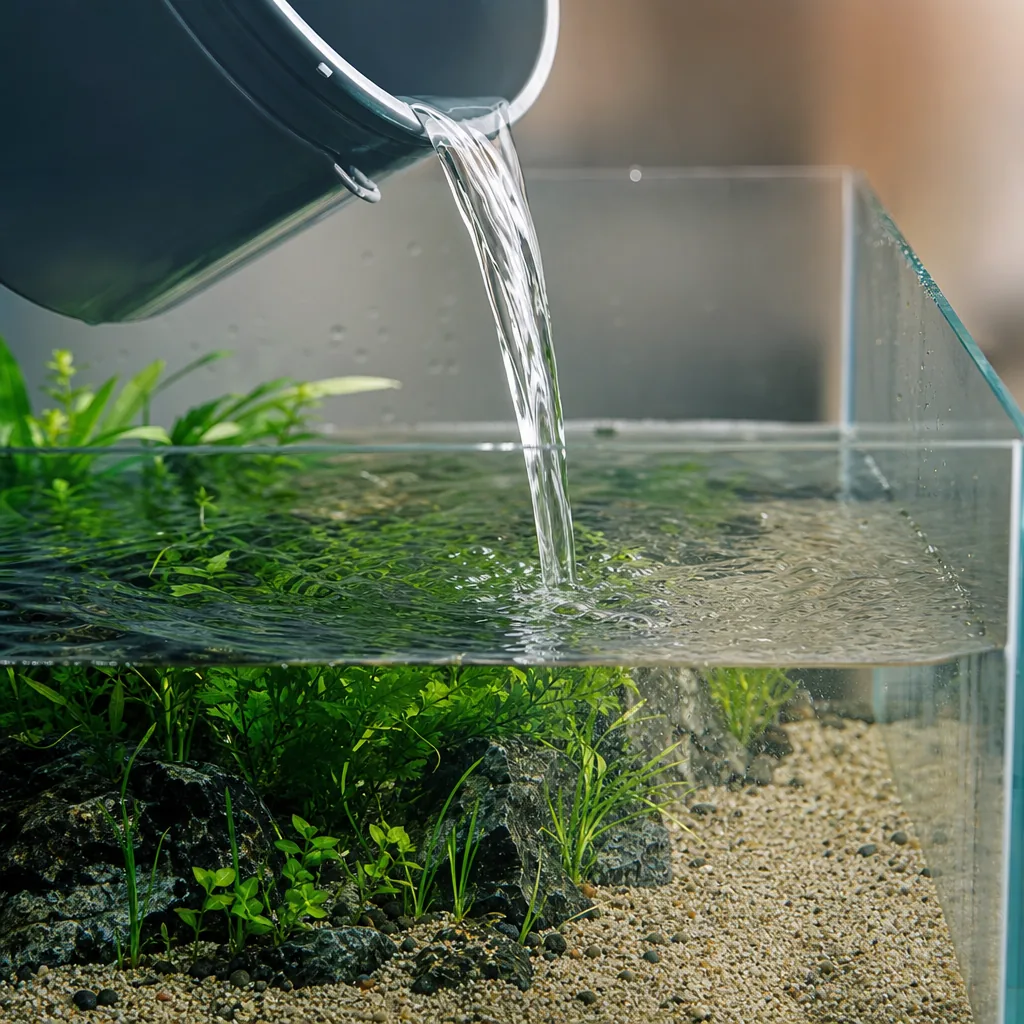
- Refill gently to avoid disturbing the substrate or stressing your fish, then turn equipment back on.
Two quick reminders: never use hot tap water to speed up temperature matching (it can contain higher metal levels), and always dechlorinate — chlorine harms the very bacteria your tank depends on.
Signs you need more frequent changes
Your fish and your tank will tell you when your current schedule isn’t enough. Watch for:
- Rising nitrate on your test kit between changes.
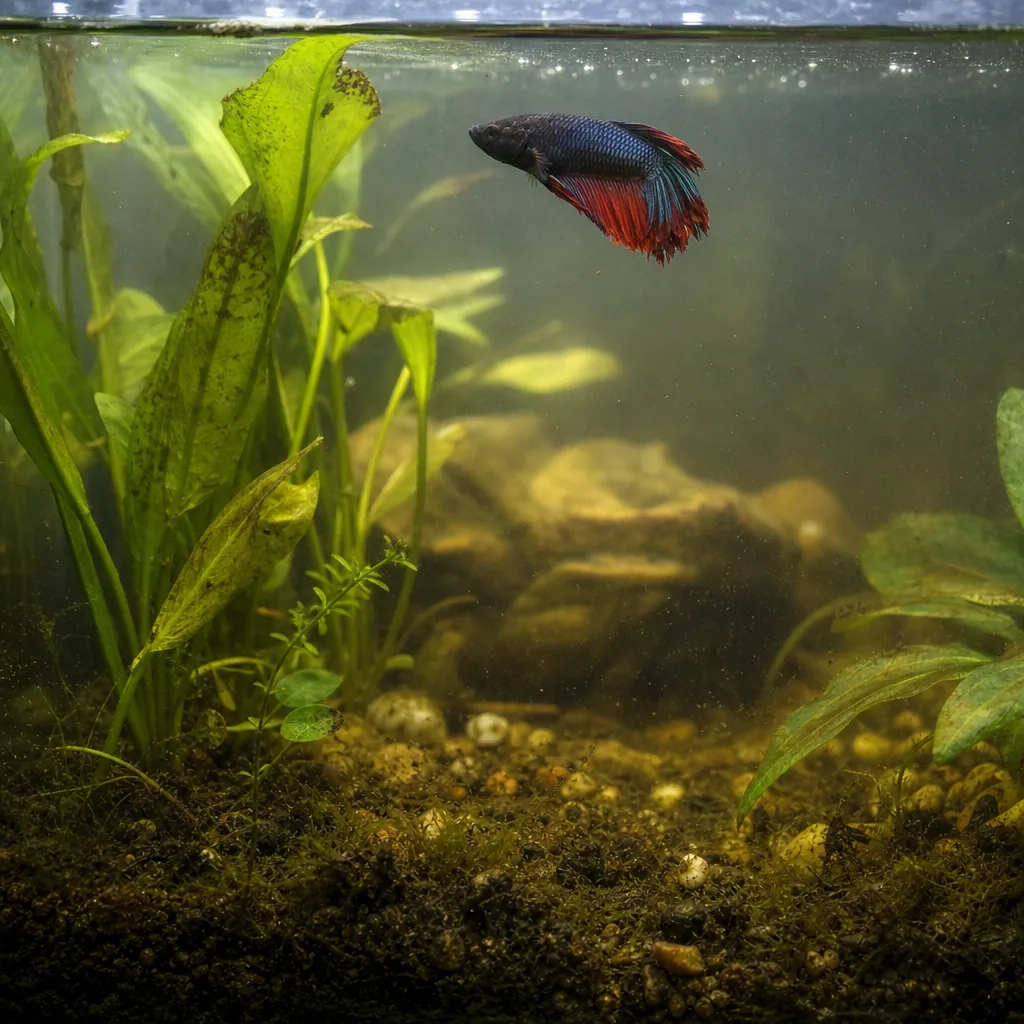
- Persistent algae that keeps coming back despite reasonable lighting — often a nutrient (and therefore water-quality) signal.
- Cloudy or yellowing water, or a noticeable odor.
- Fish gasping at the surface, clamped fins, or sluggish behavior, which can point to declining water quality.
- A visibly dirty substrate packed with uneaten food and waste.
If you’re seeing these, increase the size or frequency of your changes and double-check that you’re not overfeeding or overstocked.
A note for pond keepers
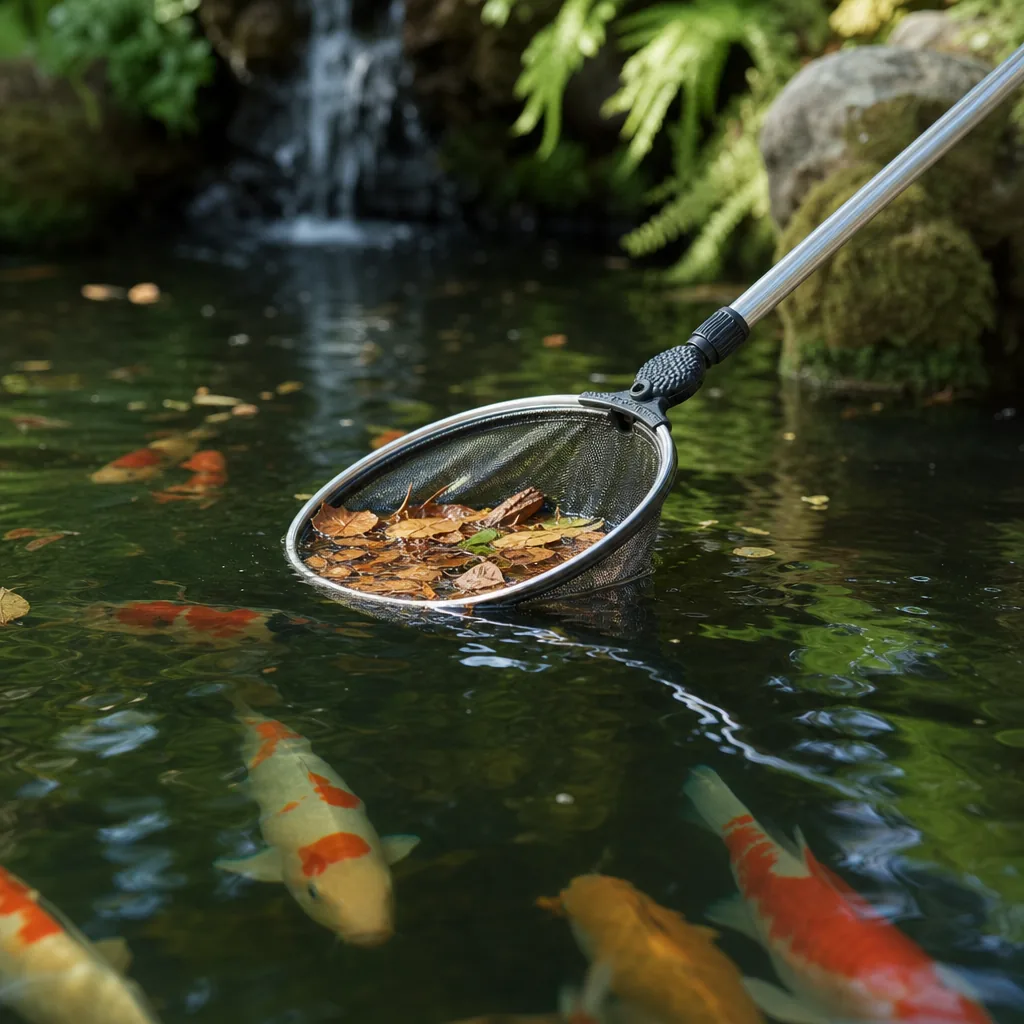
Outdoor ponds follow a different rhythm than indoor tanks — partial changes and seasonal maintenance, scaled to the much larger water volume. The same principle applies, though: removing accumulated waste keeps fish healthy. See our ponds page for pond-specific guidance.
Bottom line
For most tanks, a 20–30% water change every week is the dependable default — but stocking, tank size, plants, and feeding all shift that number. Always match temperature and dechlorinate fresh water, vacuum the substrate while you drain, and let a test kit fine-tune your routine. Keep this habit consistent and you’ll prevent the majority of problems that send fish into decline. For more maintenance fundamentals, check the rest of our blog.
Frequently Asked Questions
How often should I change aquarium water?
A common rule is 10-25% weekly or every two weeks for most community tanks. Heavily stocked tanks need more; lightly stocked planted tanks can sometimes go a little longer.
How much water should I change at once?
Routine changes of 15-25% are safe and effective. Avoid large 100% changes, which can swing parameters and stress your fish.
Do I need to treat tap water before adding it?
Yes. Use a dechlorinator to neutralize chlorine and chloramine, which harm fish and beneficial bacteria, and match the temperature before adding it.
Can I skip water changes if I have a good filter?
No. Filters convert ammonia to nitrate but do not remove it. Only water changes, or live plants, lower nitrate and replenish trace minerals.
Should I vacuum the gravel during water changes?
Yes, in fish tanks. A gravel vacuum removes trapped waste and is the easiest way to combine cleaning with your water change. Go gently around plant roots.