
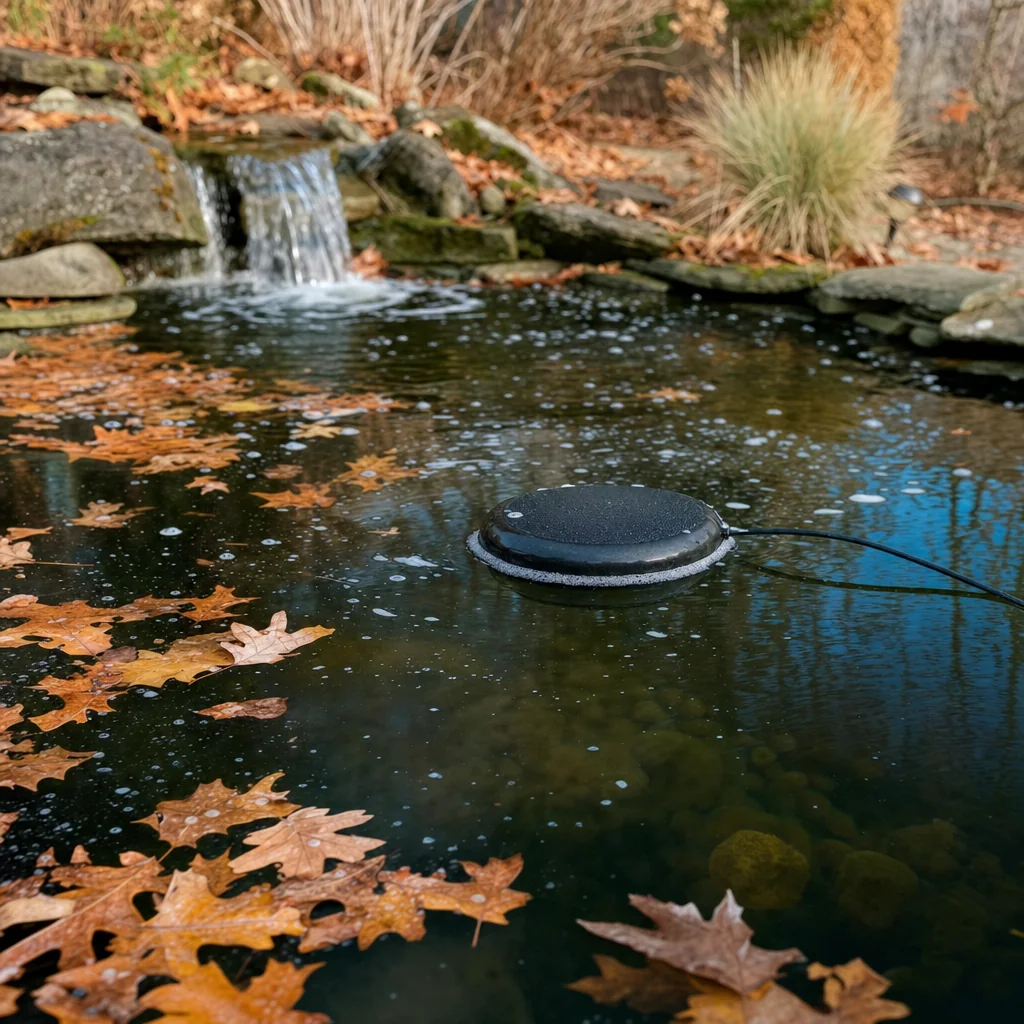
Winter is where a lot of pond keepers lose fish, and almost always because of something they didn’t do in the fall. A pond doesn’t just need to survive the cold; it needs to be prepared for it before the first hard freeze. The work isn’t difficult, but the timing matters, and a few key steps make the difference between fish that overwinter peacefully and a spring full of nasty surprises. This guide walks you through winterizing in the right order.
If you’re in a mild climate that never freezes hard, much of this is lighter-touch, but the fall cleanup still applies. For cold-winter regions, follow it closely.
Step 1: Do a Thorough Fall Cleanup
Everything that decays in your pond over winter releases gases and consumes oxygen under the ice, which is exactly what stresses dormant fish. Cleaning out organics in fall is the most important thing you’ll do.
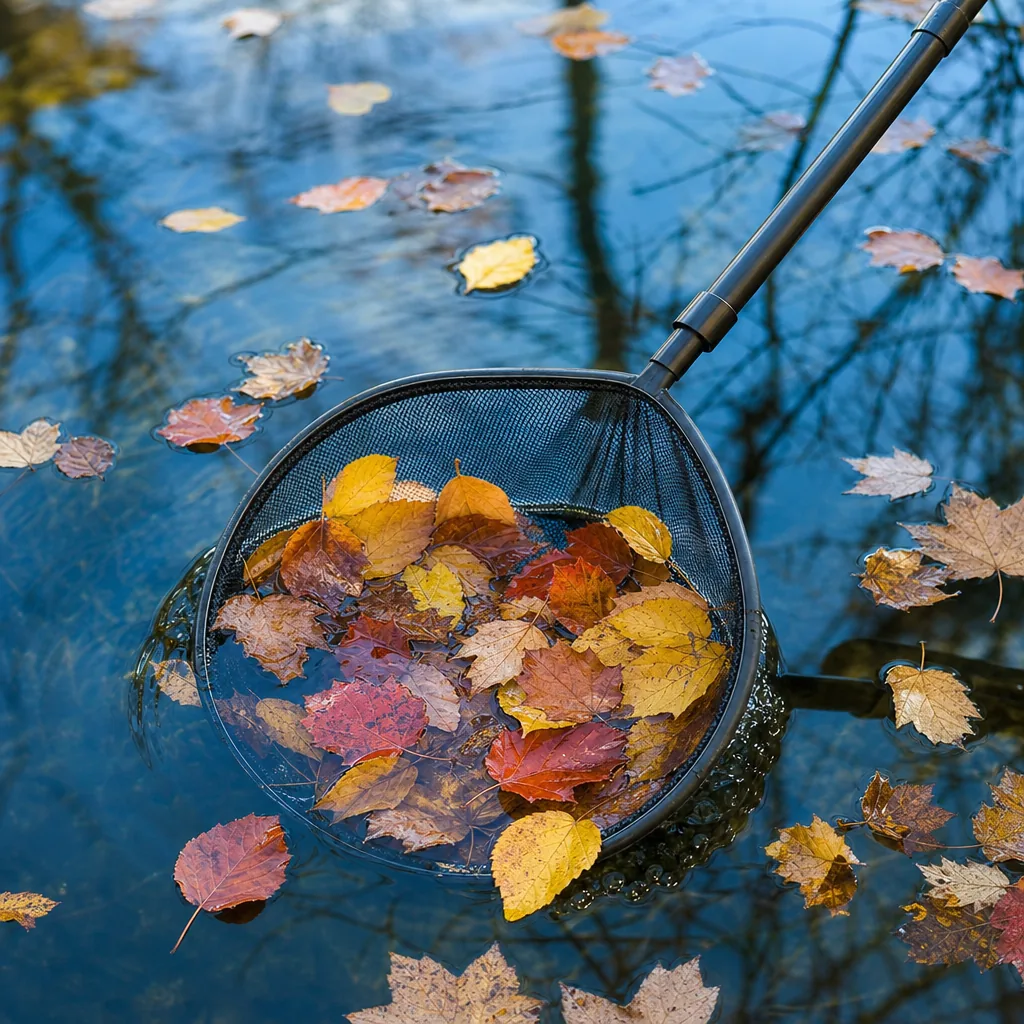
- Remove fallen leaves and debris from the surface and bottom. A pond net stretched over the water in autumn dramatically cuts how much leaf litter gets in.
- Cut back and remove dying plant matter that would otherwise rot in the water.
- Clean out accumulated muck and sludge from the bottom where it’s heaviest, without stripping the pond entirely.
A pond entering winter clean has far less organic load to foul the water under ice.
Step 2: Adjust Fish Feeding
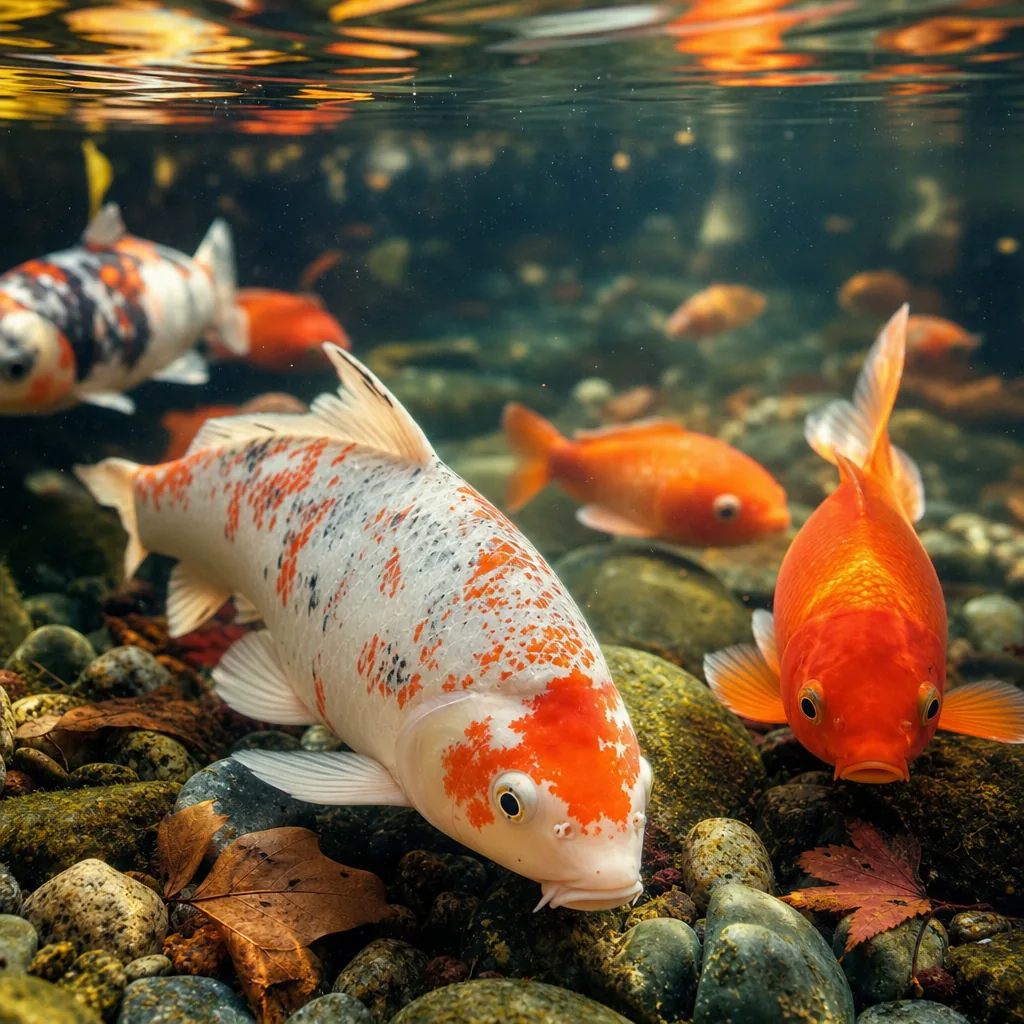
As water temperature drops, your fish’s metabolism slows and so does their digestion. Feeding them rich food they can no longer process leads to undigested food rotting in their gut, which can kill them.
- As temperatures fall, switch to a wheat-germ-based, easy-to-digest cold-weather food.
- As the water gets colder still, reduce feeding frequency.
- Once the water is consistently cold, stop feeding entirely. Your fish will enter a dormant state and live off stored reserves.
When in doubt, underfeed in the cold. A hungry fish in winter is fine; a fed fish that can’t digest is in danger.
Step 3: Manage Your Equipment
How you handle pumps and filters depends on your climate and your pond’s depth.
In hard-freeze climates
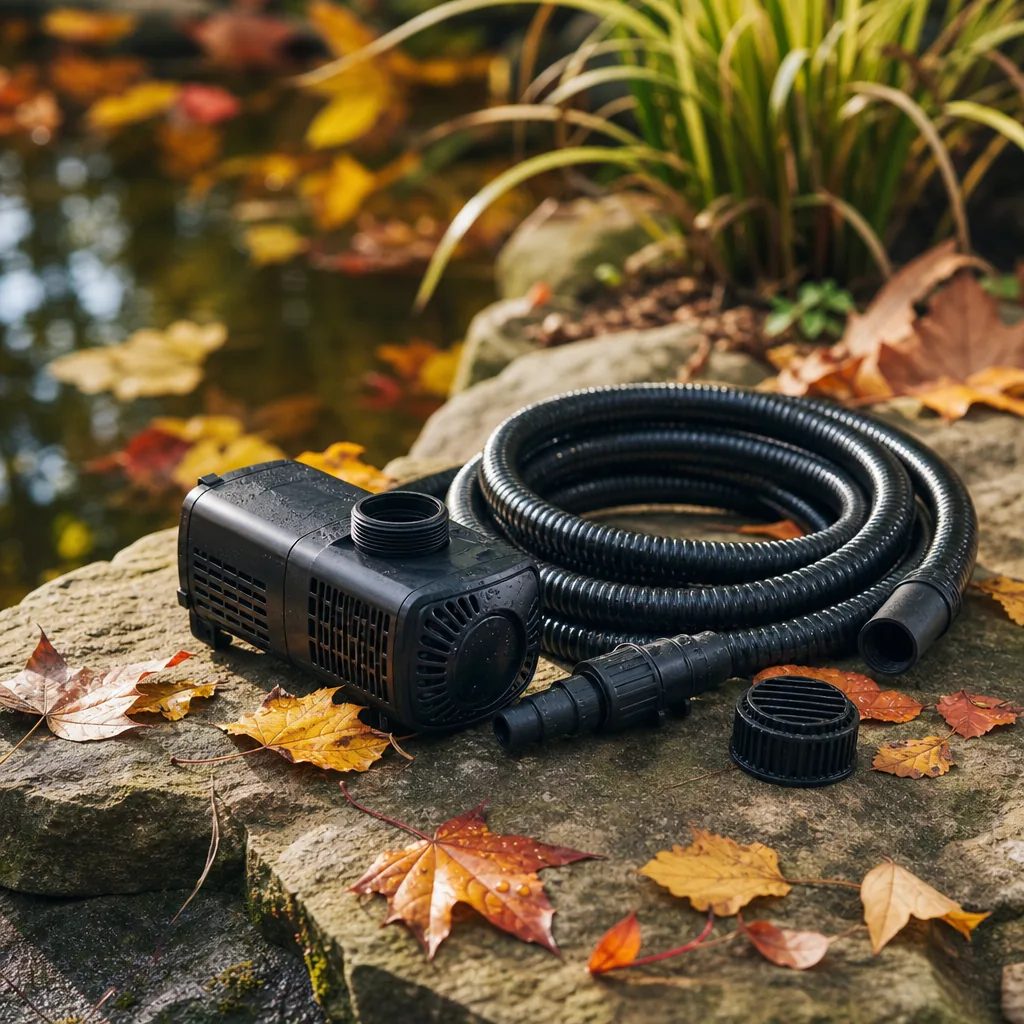
Many keepers shut down and remove the main pump and filter for winter, because running surface circulation can pull warmer water up from the bottom and chill the deep zone where fish are sheltering. If you remove a pump, store it submerged in a bucket of water indoors so the seals don’t dry out, and protect filter media from freezing.
In milder climates
You may keep equipment running year-round. Just monitor for freezing and ensure circulation isn’t dangerously cooling the pond.
Step 4: Keep a Hole Open in the Ice
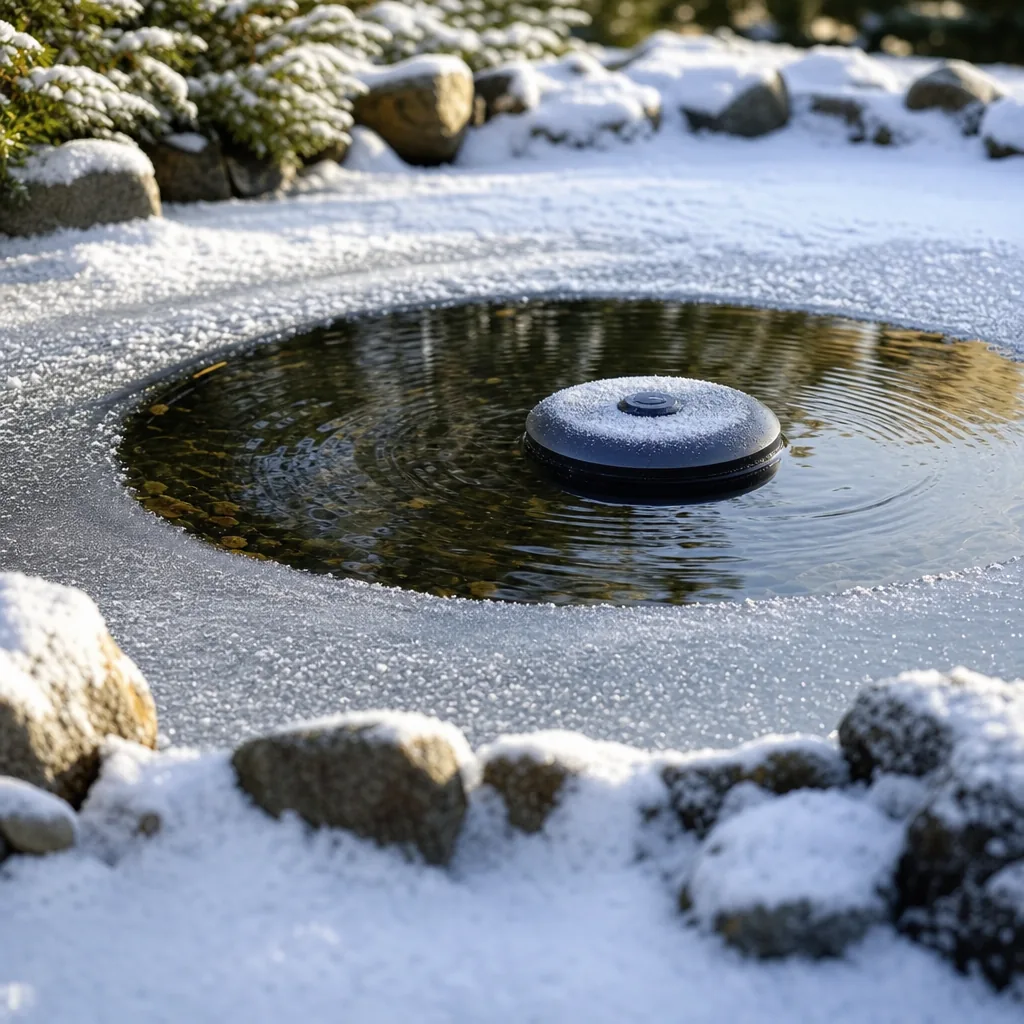
This is the single most important winter survival step for fish in a freezing pond. When ice seals the surface completely, toxic gases from decomposition get trapped underneath and oxygen can’t get in. Fish can suffocate under a fully frozen lid.
You need to maintain an opening in the ice for gas exchange:
- A pond de-icer (floating heater) keeps a small area ice-free automatically. This is the most reliable option in cold climates.
- An aerator with the air stone positioned higher in the water (not at the very bottom, so it doesn’t chill the deep zone) helps keep a hole open and adds oxygen.
- Never smash the ice. The shock wave can injure or kill dormant fish. If you must open a frozen surface, melt a hole by setting a pot of hot water on the ice.
You can find de-icers and winter aeration kits in our pond gear picks.
Step 5: Ensure Your Pond Is Deep Enough
Overwintering fish rely on a deep zone that stays liquid and relatively warmer below the ice. If your pond is too shallow to keep an unfrozen refuge at the bottom in your climate, fish have nowhere to ride out the cold. This is a build-stage decision, so if you’re still planning, our koi pond basics guide covers the depth fish need. For an existing shallow pond in a harsh climate, you may need to move fish to an indoor holding tank for winter.
A Winterizing Checklist
- Net the pond and remove leaves and debris in fall.
- Cut back dying plants and clear bottom sludge.
- Switch to cold-water food, then stop feeding as it gets cold.
- Decide whether to run or remove your pump based on climate.
- Install a de-icer or aerator to keep a hole open in the ice.
- Confirm your pond has a deep, unfreezing refuge for fish.
The Bottom Line
Winterizing is mostly about prevention: clean out the organics, stop feeding before fish can’t digest, keep a hole in the ice for gas exchange, and make sure there’s deep water to shelter in. Handle those in the fall and your fish come through winter calm and healthy. Come spring, see our guide on keeping pond water clear to get the season off to a good start.
Frequently Asked Questions
Do I need to keep my pond pump running in winter?
It depends on your climate. In hard-freeze regions, many keepers shut down the main pump so surface circulation doesn’t chill the deep zone where fish shelter. In milder climates, you can often run equipment year-round. Either way, keep a hole open in any ice for gas exchange.
Why do I need to keep a hole open in the ice?
A fully frozen surface traps toxic decomposition gases under the ice and blocks oxygen from entering, which can suffocate dormant fish. A de-icer or aerator maintains an opening for gas exchange. Never smash the ice, as the shock can harm fish.
When should I stop feeding my pond fish in winter?
As water cools, switch to an easy-to-digest cold-water food, then stop feeding entirely once the water is consistently cold. A fish’s metabolism slows in the cold, and undigested food rotting in its gut can be fatal. When in doubt, underfeed.
Will my fish survive the winter in the pond?
Yes, if the pond is deep enough to keep an unfrozen, relatively warmer refuge at the bottom and you maintain a hole in the ice for oxygen and gas exchange. Hardy fish like koi and goldfish go dormant and overwinter well under those conditions. Shallow ponds in harsh climates may require moving fish indoors.
Should I remove my pond plants for winter?
Hardy marginal and submerged plants can usually overwinter in the deeper part of the pond, while tender tropical plants should be removed or brought indoors. Either way, cut back and remove dying foliage in fall so it doesn’t decay under the ice and foul the water.