
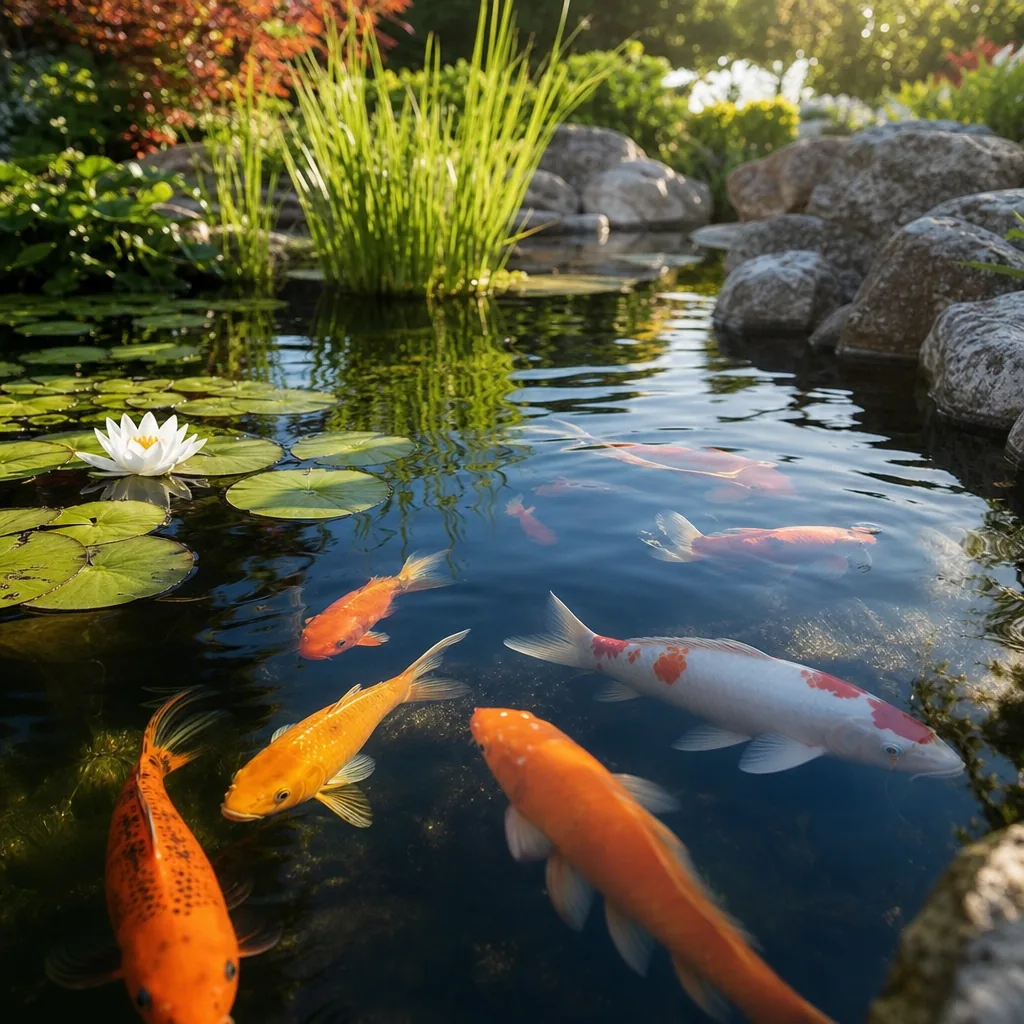
You finished the pond, filled it, and now you are itching to add fish. This is exactly where most new pond keepers lose their first batch. A brand-new pond is a hostile place for fish until the biology catches up, and rushing this step is the single most common, and most avoidable, mistake in the hobby.
Why You Cannot Add Fish Right Away
A new pond has no established colony of beneficial bacteria. Those bacteria are what convert the ammonia from fish waste into nitrite and then into far less toxic nitrate. Without them, ammonia builds up fast and becomes lethal. This process of establishing the bacteria is called cycling, and it takes time no product can fully shortcut.
On top of that, fresh tap water usually contains chlorine or chloramine, which is toxic to both fish and the bacteria you are trying to grow. So a new pond has two problems at once: no biological filtration and treated water.
Step One: Dechlorinate and Settle
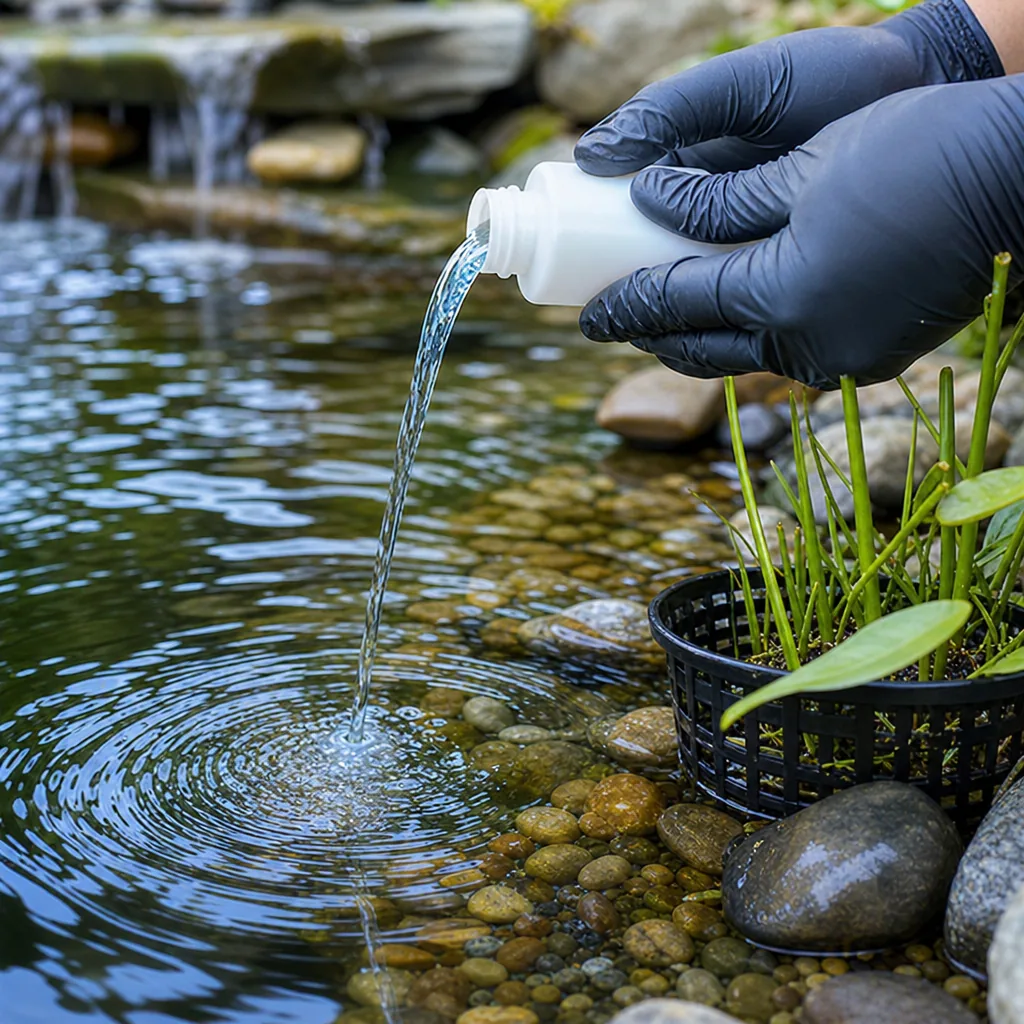
Before anything else, treat the water for chlorine and chloramine with a dechlorinator, or in some areas let the pond sit and circulate for a while, though a conditioner is more reliable. Get the pump and filter running immediately so water is moving and the filter media starts collecting bacteria. Let the pond settle for at least a few days so temperature stabilizes and any construction dust or debris clears.
Step Two: Cycle the Pond
Cycling means growing the bacteria colony before you rely on it. There are two common approaches:
- Fishless cycling. Add a small ammonia source and let bacteria build up over several weeks, testing the water until ammonia and nitrite both read zero. This is the safest method because no fish are exposed to the danger period.
- Seeding the filter. Adding media, water, or a bottled bacteria starter from an established pond or filter jump-starts the colony and shortens the wait. It helps, but still verify with testing before trusting it.
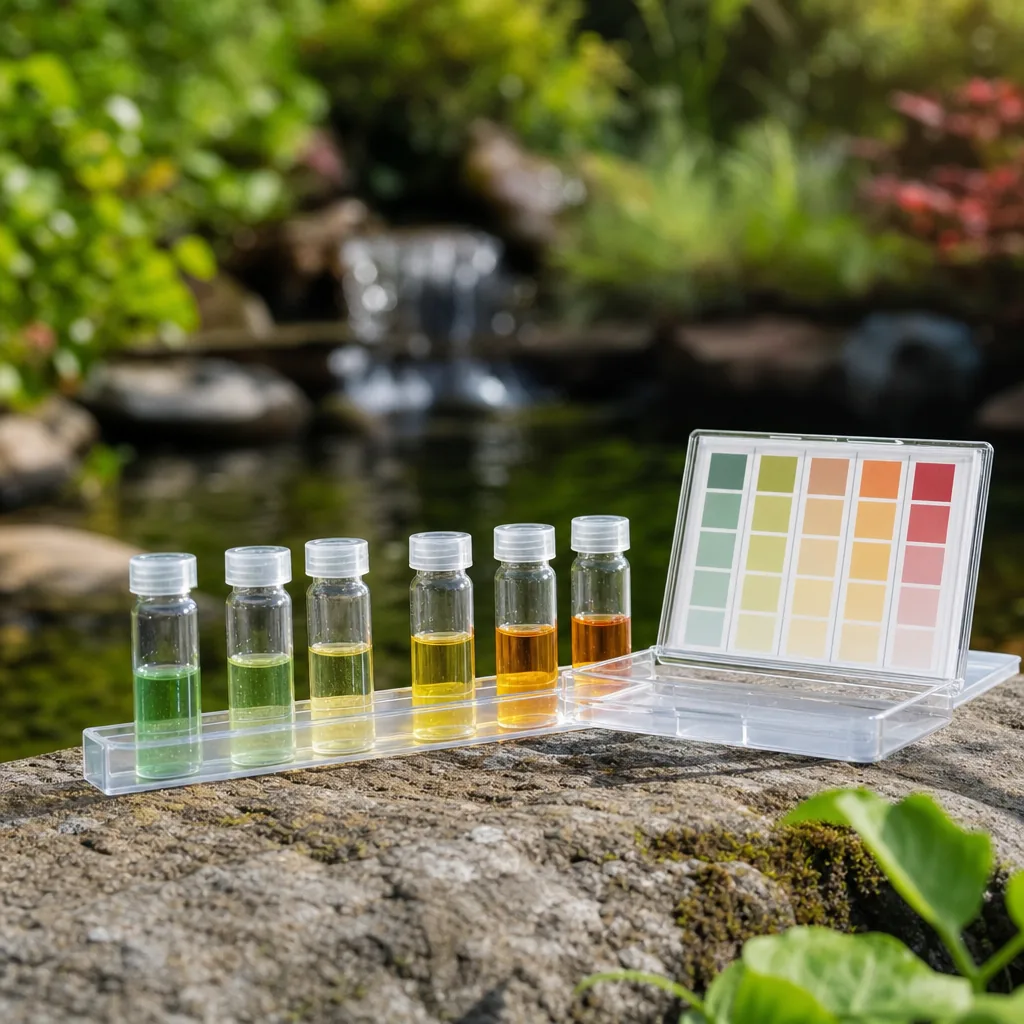
Either way, a test kit for ammonia, nitrite, nitrate, and pH is not optional. It is the only way to know your pond is actually ready. Our pond setup guides walk through cycling in more detail.
Step Three: Wait for the Right Conditions
Do not stock until:
- Ammonia and nitrite both read zero on your test kit.
- Water temperature is stable and appropriate for the fish you plan to keep.
- The pond has settled and the filter has been running continuously.
For most new ponds this means waiting several weeks. It feels long, but it is the difference between fish that thrive and fish that do not survive the first month.
Step Four: Introduce Fish Slowly
When the pond is ready, add fish gradually, not all at once. A big sudden bioload can overwhelm a young bacteria colony and trigger an ammonia spike even in a cycled pond. Start with a small group, wait a couple of weeks while monitoring your test readings, then add more.
Acclimating each fish
Fish are sensitive to sudden changes in temperature and water chemistry. To acclimate:
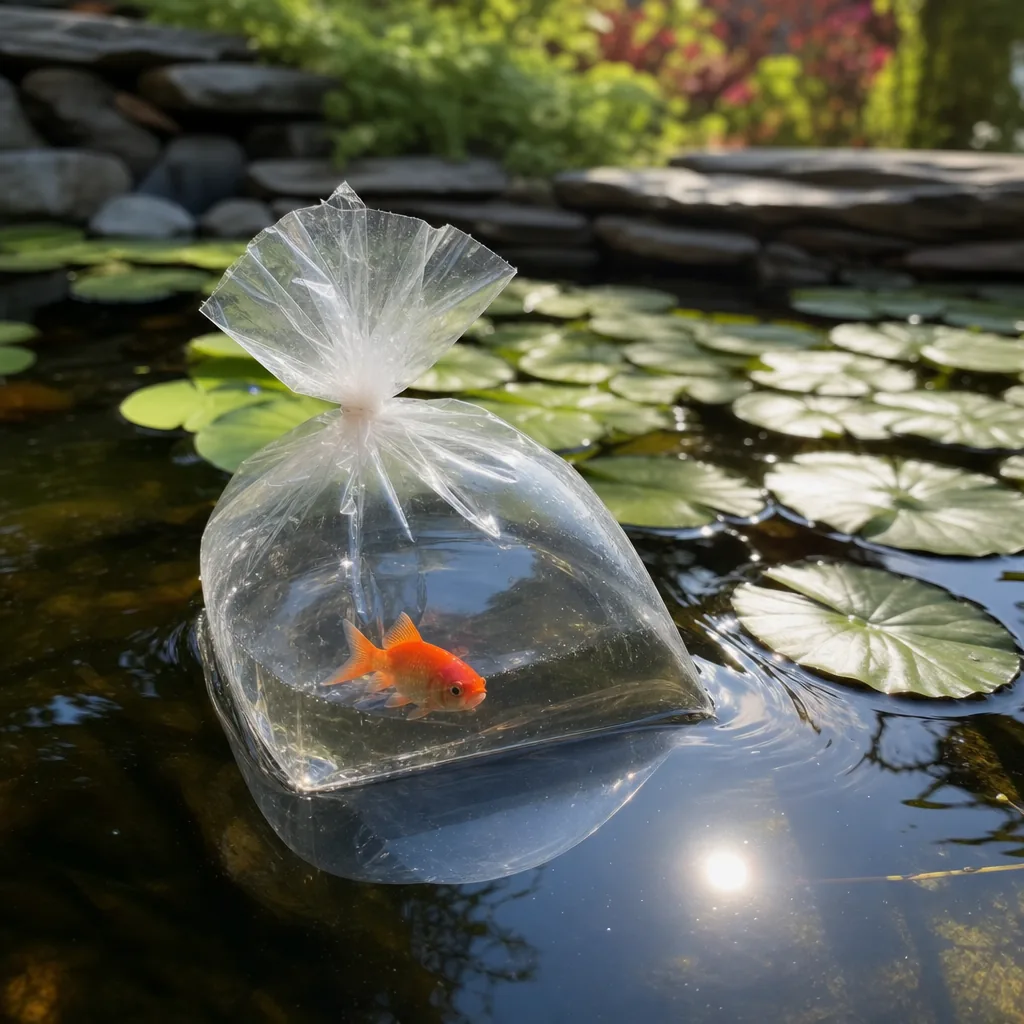
- Float the sealed bag in the pond for fifteen to twenty minutes so the temperatures equalize.
- Gradually add small amounts of pond water to the bag over another fifteen to twenty minutes so the fish adjusts to your water chemistry.
- Net the fish out and release it, rather than dumping the store water into your pond.
This slow approach prevents the shock that kills otherwise healthy fish in the first hours.
Step Five: Feed Lightly and Watch
For the first weeks, feed sparingly. Uneaten food rots and spikes ammonia in a pond that is still stabilizing. Keep testing the water after each addition of fish, and be ready to do a partial water change if ammonia or nitrite climbs. Once the pond is fully established and lightly stocked, it becomes remarkably stable and low-maintenance.
Patience really is the whole game here. Cycle first, wait for zeros, add fish in small batches, and acclimate each one gently. Do that and your new pond will get off to a strong start. When you are choosing what to stock, our pond fish guide covers hardy species, and our gear picks can help with filters, conditioners, and test kits.
Frequently Asked Questions
How long should I wait before adding fish to a new pond?
Usually several weeks, until the pond has cycled and your test kit shows ammonia and nitrite both at zero. The water should also be dechlorinated, settled, and at a stable temperature suited to your intended fish.
Can I add all my fish at once to a new pond?
No. Even a cycled pond has a young bacteria colony that a sudden large bioload can overwhelm, causing an ammonia spike. Add a small group first, monitor for a couple of weeks, then add more gradually.
Do I need to cycle a pond if I use bottled bacteria?
Bottled bacteria and seeding from an established filter speed up cycling, but you still need to verify with a test kit. Do not assume the pond is ready. Confirm ammonia and nitrite read zero before trusting the colony with fish.
Why did my new pond fish die within days?
The most common causes are untreated chlorine in the water, an uncycled pond letting ammonia build up, or skipping acclimation so fish were shocked by sudden temperature or chemistry changes. All three are avoidable by cycling and acclimating properly.
How do I acclimate fish to a pond?
Float the sealed bag for fifteen to twenty minutes to match temperature, then slowly add small amounts of pond water to the bag over another fifteen to twenty minutes. Net the fish out to release it rather than pouring in the store water.