
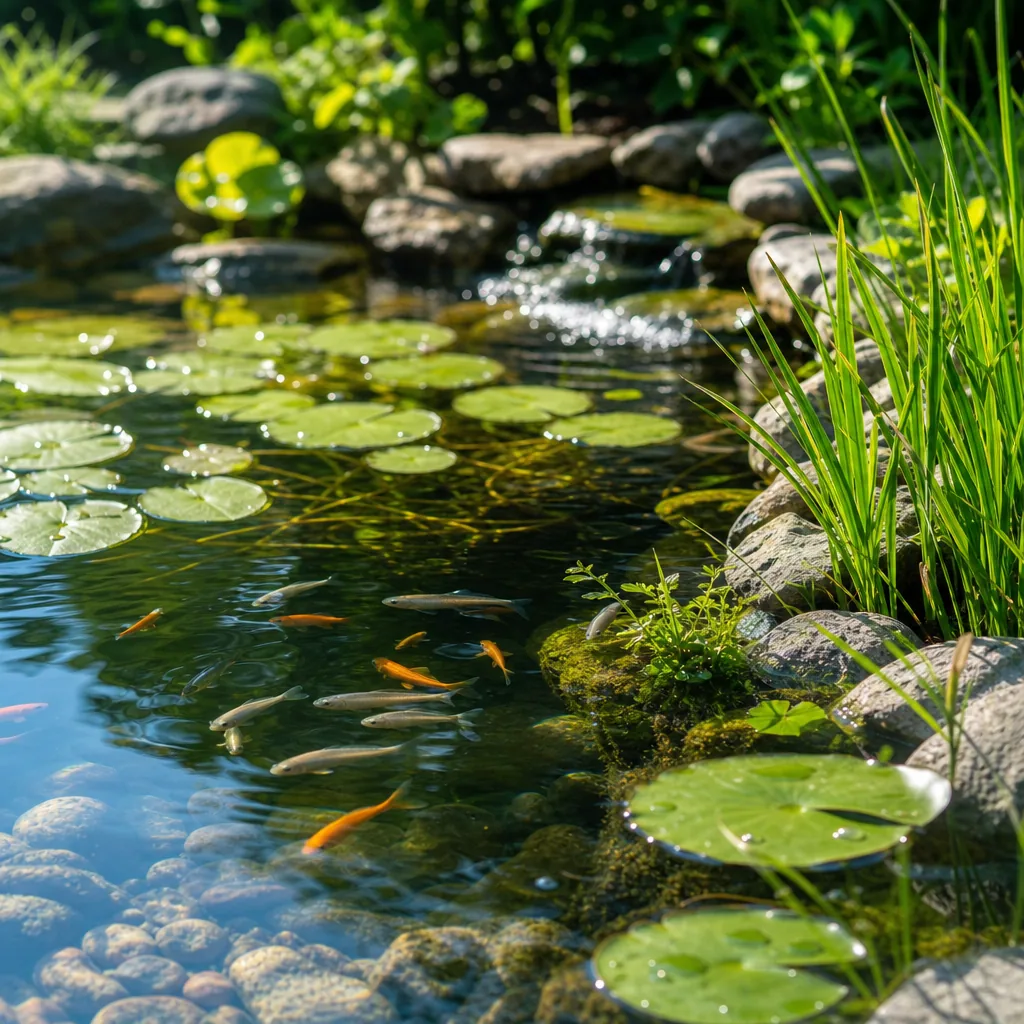
Everyone assumes an outdoor pond means koi, goldfish, or nothing. If you want something different, whether for smaller ponds, natural mosquito control, or just variety, there are more options than most people realize. The trick is matching the fish to your climate, your pond size, and how much you want to fuss over them.
Know Your Constraints First
Before picking fish, be honest about three things: your winter lows, your pond volume, and your filtration. Fish that thrive in a mild coastal pond may not survive a hard freeze, and a small pond simply cannot support large or numerous fish. Everything below assumes you match the fish to your conditions, not the other way around.
If You Want Cold-Hardy Fish
These species tolerate cool water and, in many regions, overwinter in a pond deep enough not to freeze solid.
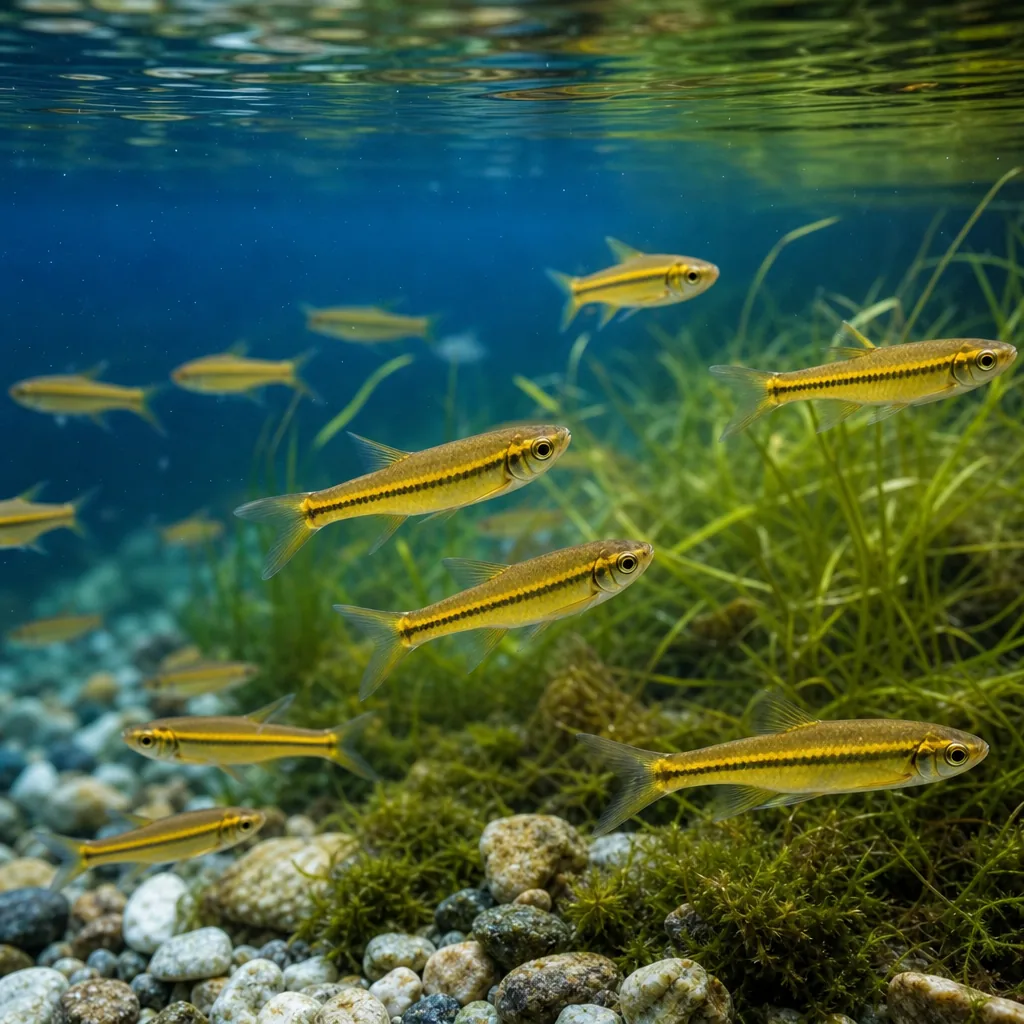
- Orfe (Golden Orfe). Fast, active surface swimmers that add real movement to a pond. They need space and good oxygen, so they suit larger ponds.
- Rudd. Peaceful schooling fish with a coppery look. Hardy, adaptable, and good in groups.
- Tench. Bottom-dwelling and secretive, sometimes called the doctor fish. They spend most of their time near the bottom, so you will not see them often, but they are extremely hardy.
- Sterlet. A small sturgeon relative for larger, well-oxygenated ponds. They are demanding on water quality and diet, so they are best for experienced keepers.
If You Want Natural Mosquito Control
Small surface feeders earn their keep by eating larvae. In many warmer areas these are the practical, low-maintenance choice.
- Mosquitofish (Gambusia). True to the name, they devour mosquito larvae. Hardy and prolific, but check local rules first because they are invasive in some regions.
- Native minnows and shiners. Where legal and locally sourced, small native species can be a good fit for a naturalistic pond and often handle local winters well.
Whatever you choose for mosquito control, avoid releasing any pond fish into wild waterways. Keep them in your pond.
If You Want a Warm-Climate or Patio Pond
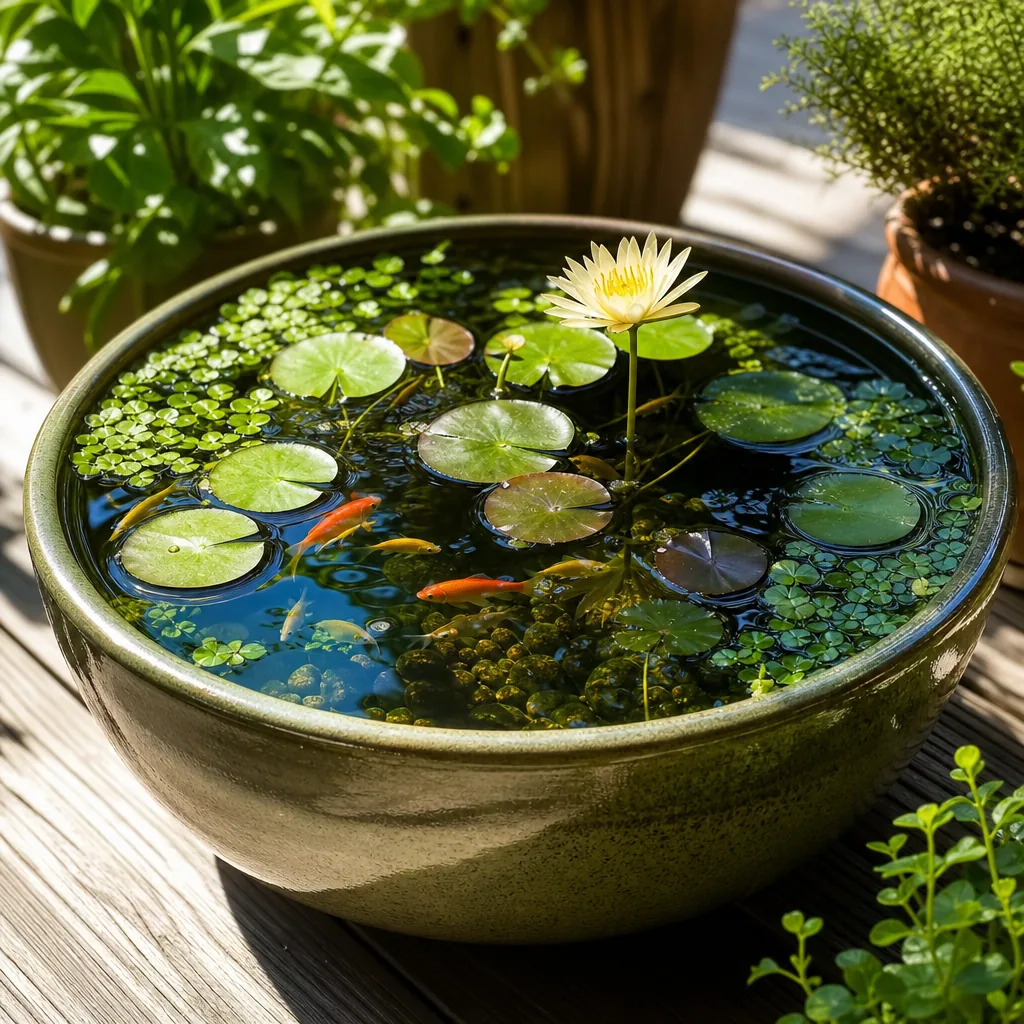
In frost-free areas or seasonal container ponds, you have tropical options that would never survive a northern winter.
- Guppies and platies. Colorful, easygoing livebearers that do well in warm outdoor water for the season, then come indoors before it cools.
- White Cloud Mountain minnows. Surprisingly cool-tolerant, active, and peaceful, they are a great small-pond fish and also eat larvae.
If you keep any of these outdoors seasonally, plan where they will go when temperatures drop. Our freshwater guides cover moving fish indoors without shocking them.
Fish to Approach With Caution
A few pond favorites come with strings attached:
- Comet and shubunkin goldfish are technically not koi, but they are still goldfish and grow larger than people expect. Not a lightweight alternative.
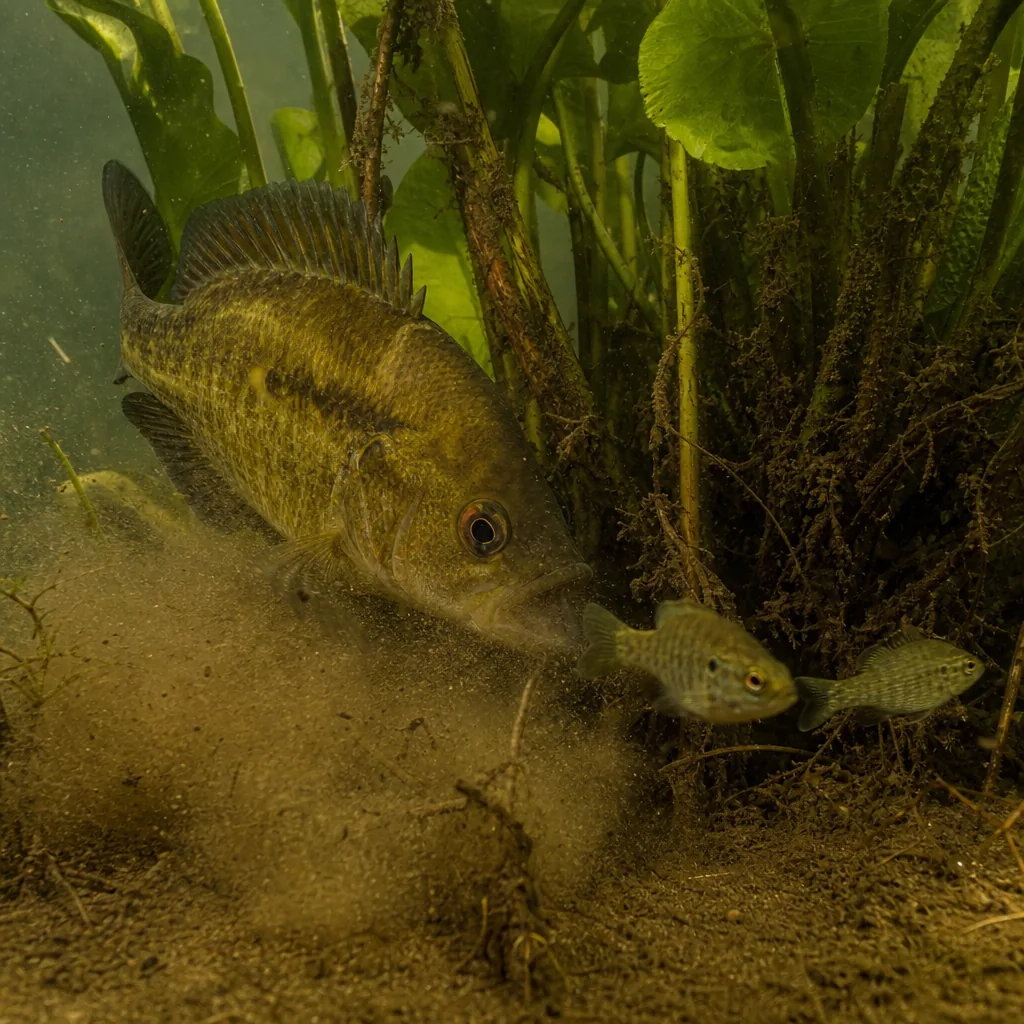
- Catfish and larger predatory species can eat your smaller fish and dig up plants. Only stock them if that is what you want.
- Anything you cannot legally keep locally. Some species are restricted or banned as invasive. Always check before you buy.
Stocking Sensibly
Whatever mix you land on, the rules are the same. Understock rather than overstock, because a lightly loaded pond stays cleaner and healthier. Provide plenty of oxygen through movement or aeration, especially for active species like orfe. And give fish cover, whether plants, deeper zones, or rock, so they feel secure and have refuge from predators. If predators are a concern, our guide to protecting pond fish walks through practical defenses.
The best pond fish is the one that fits your climate and your pond, not the one on a magazine cover. Start with a small, compatible group, watch how the pond handles the load, and build from there. When you are ready to add plants, filtration, or aeration to support your stock, our pond resources can help you plan it out.
Frequently Asked Questions
What is the hardiest pond fish for cold winters?
Tench, rudd, and golden orfe are among the most cold-tolerant, along with goldfish varieties. They can overwinter in a pond deep enough that it does not freeze solid, with a small opening kept in the ice for gas exchange.
Can I keep pond fish in a small patio pond?
Yes, but stick to small species like White Cloud Mountain minnows or seasonal livebearers, and stock lightly. Small water volumes swing in temperature and quality quickly, so fewer, smaller fish are far safer.
Which pond fish eat mosquito larvae?
Mosquitofish are the classic choice, and White Cloud Mountain minnows and many small surface feeders also eat larvae. Check local regulations first, since mosquitofish are considered invasive in some regions.
Can I mix different pond fish species together?
Often yes, if they share similar temperature needs and none are large predators. Peaceful schooling fish like rudd mix well together. Avoid combining small fish with species big enough to eat them.
Do I still need a filter for non-koi pond fish?
Yes. Any stocked pond benefits from filtration and aeration to process waste and keep oxygen up. Non-koi fish are often smaller and lighter on the bioload, but a filter still keeps the water stable and clear.