
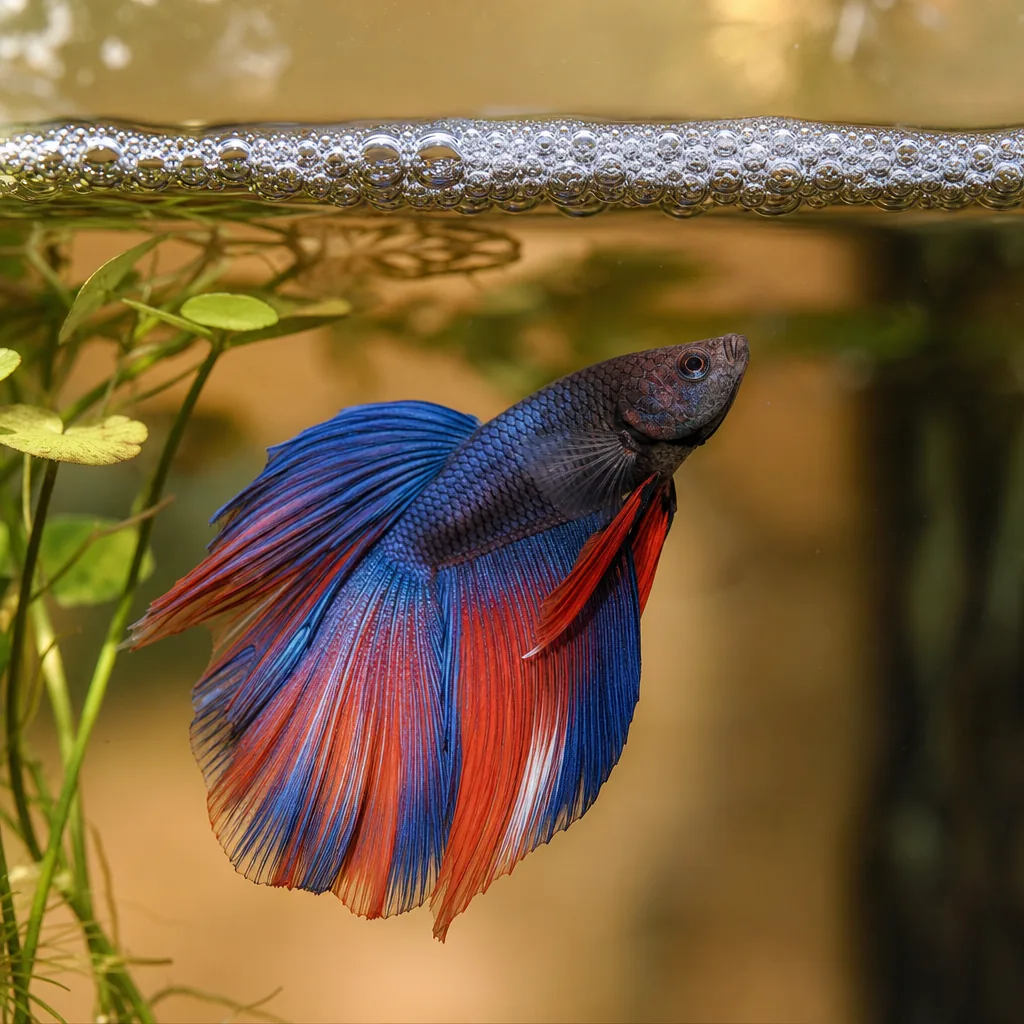
Breeding bettas looks simple in videos: put two fish together, watch a bubble nest form, and collect the fry. The reality is that a single spawn can produce hundreds of babies that each need care, space, and food you have to culture yourself. Before you start, it is worth understanding what you are actually signing up for, because the hard part is not the spawn, it is the months that follow.
Be Honest About the Commitment
A successful betta spawn can yield 100 to 300 fry. Males will eventually need to be separated into individual jars to prevent fighting, which can mean dozens of small containers to maintain. You will need live food cultures, daily water changes across many containers, and a plan for where all those fish will go. If you cannot commit several months of daily attention, this is not the right project yet.
If you are still learning general betta care, start with our freshwater care guides before attempting a breeding project.
Choosing and Conditioning Your Pair
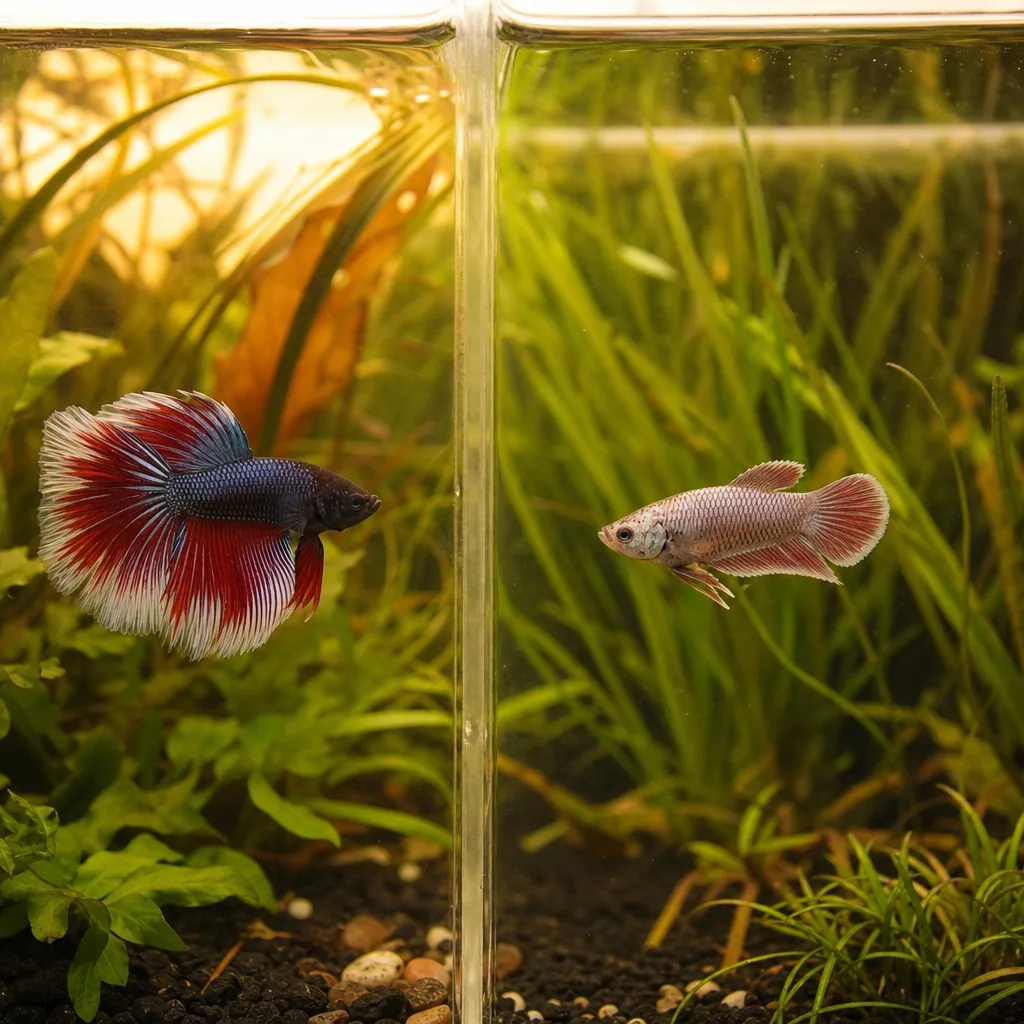
Start with two healthy, active bettas ideally from a known source so you understand their lineage and traits. A good breeding pair is young, vigorous, and free of any fin damage or illness. Condition both fish for one to two weeks by feeding high-quality, varied foods like frozen or live bloodworms, brine shrimp, and daphnia. Conditioning builds the energy reserves both fish need for the demanding spawning process.
House them separately during conditioning but within sight of each other, using a divider or adjacent containers, so they become aware of one another without being able to fight.
Setting Up the Breeding Tank
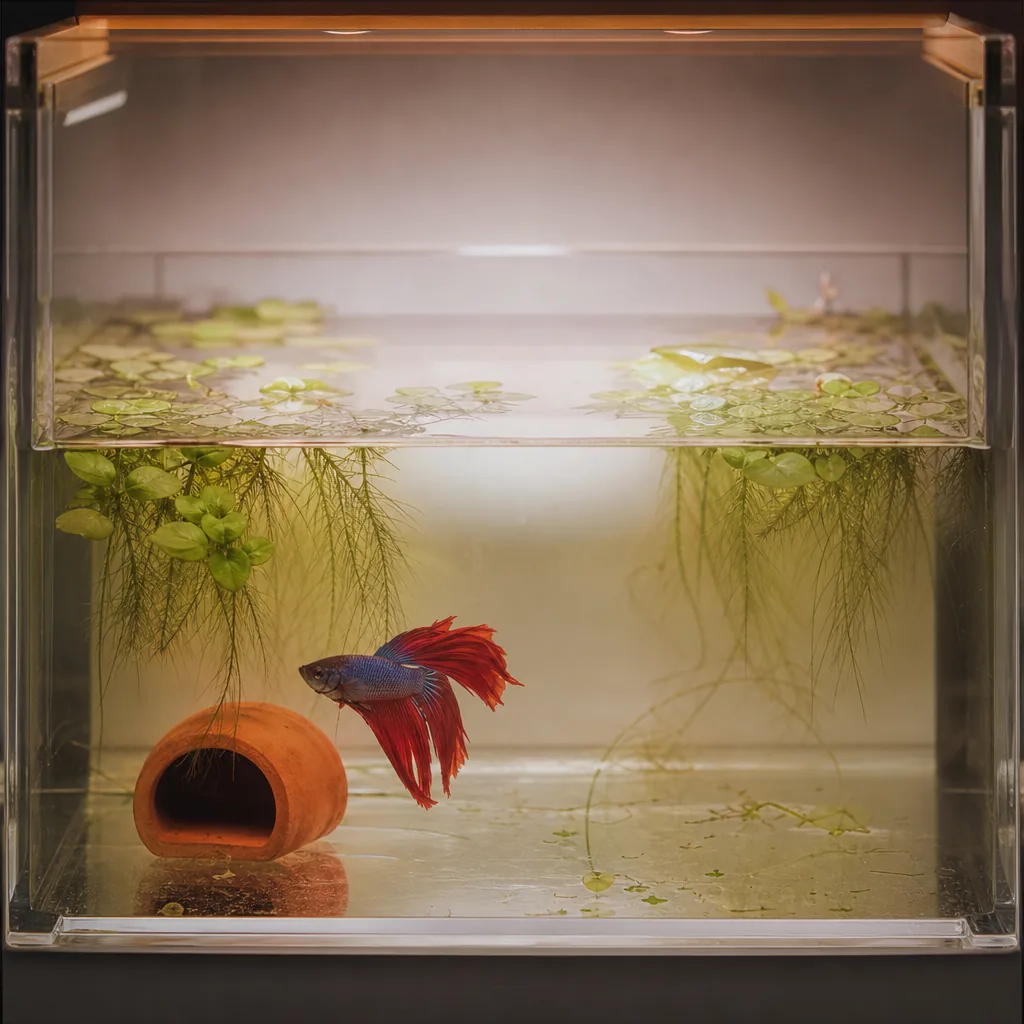
A dedicated breeding tank prevents disaster. Set up a small tank, often around 5 to 10 gallons, with these features:
- Low water level, roughly 5 to 6 inches, which makes it easier for the male to retrieve eggs and for fry to reach the surface.
- A gentle sponge filter or no active filtration during spawning, since strong current destroys the bubble nest.
- A tight lid to trap warm, humid air above the surface, which is important for developing labyrinth organs in the fry.
- A heater set to the upper 70s to low 80s Fahrenheit.
- Floating cover such as an almond leaf, a piece of styrofoam, or a plastic cup half, to anchor the bubble nest.
- Plenty of plants or hiding spots so the female can escape if the male turns aggressive.
The Spawning Process
Introduce the female in a clear container inside the breeding tank so the pair can see but not touch each other. When the male builds a bubble nest and the female shows vertical stress bars and a swollen belly of eggs, she is ready. Release her.
Expect some chasing and nipping; this is normal to a point. The pair will embrace under the nest, the female releases eggs, and the male fertilizes and gathers them into the nest. Once spawning finishes, remove the female. The male takes over parenting and will guard the nest and tend the eggs.
Caring for Eggs and Fry
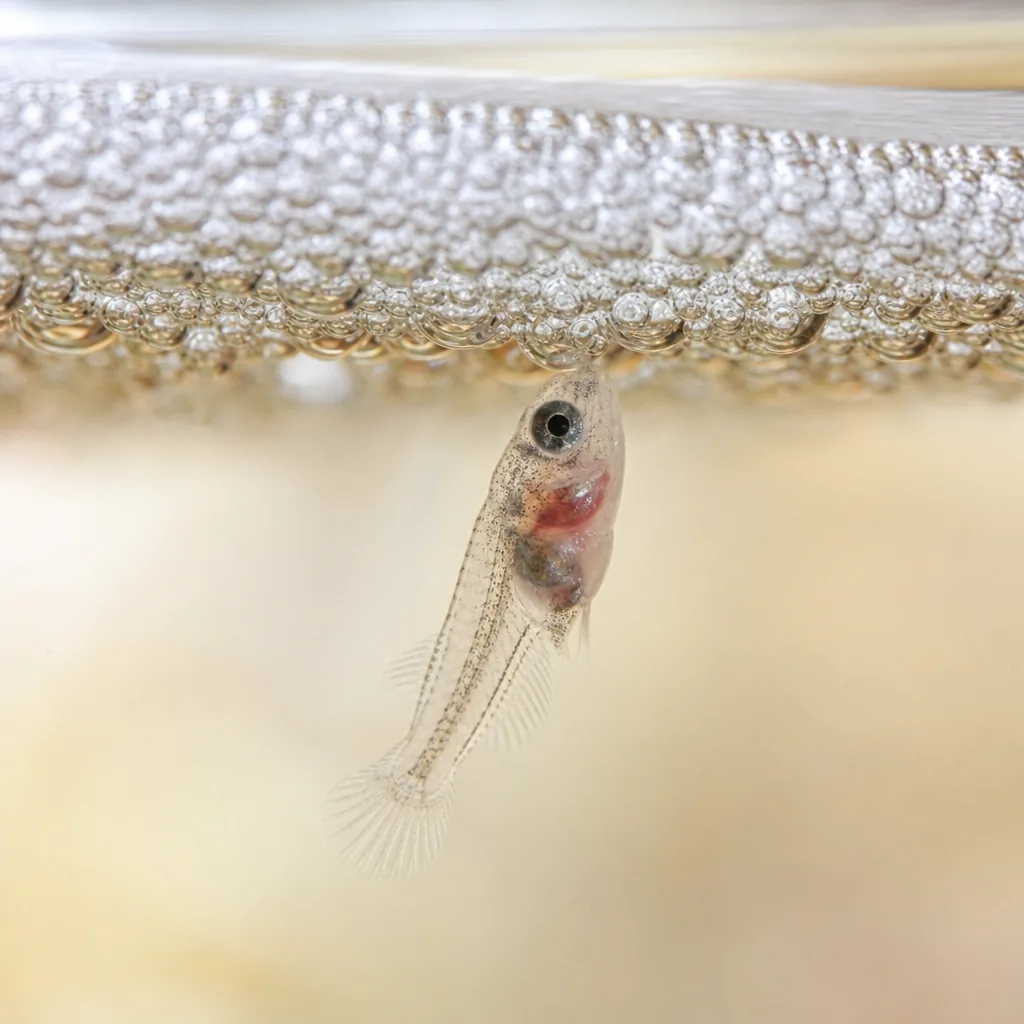
Eggs typically hatch in 24 to 48 hours, and the tiny fry become free-swimming a few days later. At that point, remove the male, because his job is done and he may start eating the fry. Now the real work begins.
- Newly free-swimming fry are too small for most prepared foods. Start with infusoria or commercial liquid fry food, then move to baby brine shrimp and microworms as they grow.
- Feed small amounts several times a day and keep the water pristine with gentle, frequent water changes.
- Maintain stable warmth and humid air above the water for healthy labyrinth organ development.
Growing Them Out and Rehoming
As males mature, they show color and start to fight. This is when you jar them individually, which is the most labor-intensive phase. Plan ahead for where the fish will go, whether that is local hobbyists, fish clubs, or a shop that accepts them. Never dump excess fish irresponsibly.
You can find sponge filters, heaters, and breeding supplies in the shop, and more project walkthroughs on the blog. Breeding bettas is genuinely rewarding, but treat it as a serious months-long commitment and you will do right by the fish.
Frequently Asked Questions
How many fry does a betta spawn produce?
A single successful spawn commonly yields 100 to 300 fry, though not all survive. This is why breeding requires serious planning for food cultures, space, and eventual rehoming.
Do I remove the male betta after spawning?
Not immediately. The male tends the eggs and guards the nest, so leave him until the fry are free-swimming, usually a few days after hatching. Then remove him before he starts eating the fry.
What do I feed baby bettas?
Newly free-swimming fry are tiny, so start with infusoria or liquid fry food, then progress to baby brine shrimp and microworms as they grow. Feed small amounts several times daily.
Why do I need to jar male bettas separately?
As males mature they become territorial and will fight, often to the death. Housing each male in its own container prevents injury, which is the most labor-intensive part of raising a spawn.
How long does the whole breeding process take?
Plan for several months. Conditioning takes a week or two, eggs hatch in a day or two, but growing fry to the point they can be rehomed and jarring the males stretches the project across many weeks.