Backyard ponds
Pond Supplies & Equipment
Crystal-clear water and happy koi start with the right setup. Pumps, filtration, UV clarifiers, and liners — reviewed for ponds of every size.
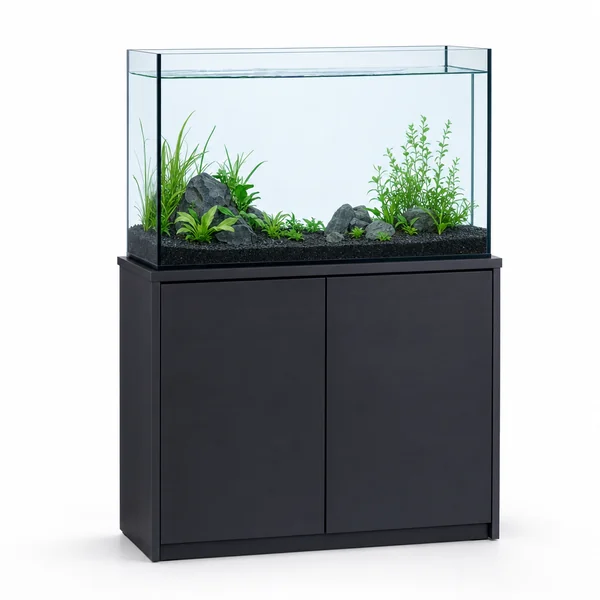
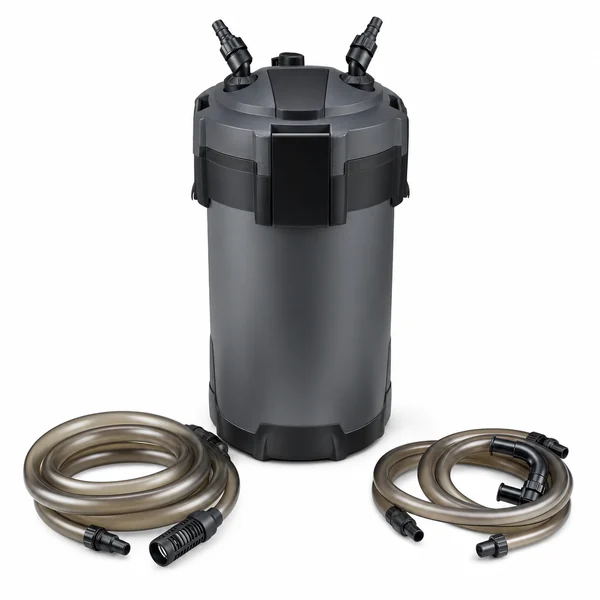
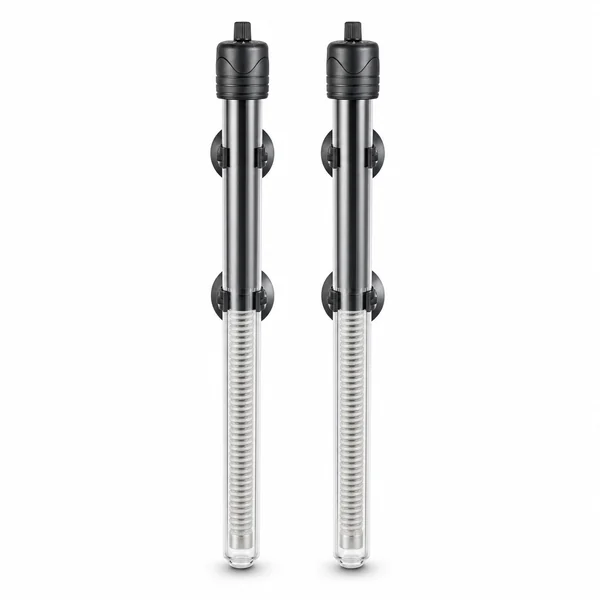
Pond favorites
Top Pond Products
Pond gear we actually review — honest picks, no prices, no hype.
From the blog
Pond Guides & How-Tos
 PondGuides
How to Add Fish to a New Pond Safely
Adding fish too soon is the top killer of new-pond stock. Here is how to cycle, wait, and…
Read Article → PondGuides
UV Clarifiers for Ponds: Do They Actually Work?
A UV clarifier is the one tool that directly kills green water. Here is how it works, what…
Read Article →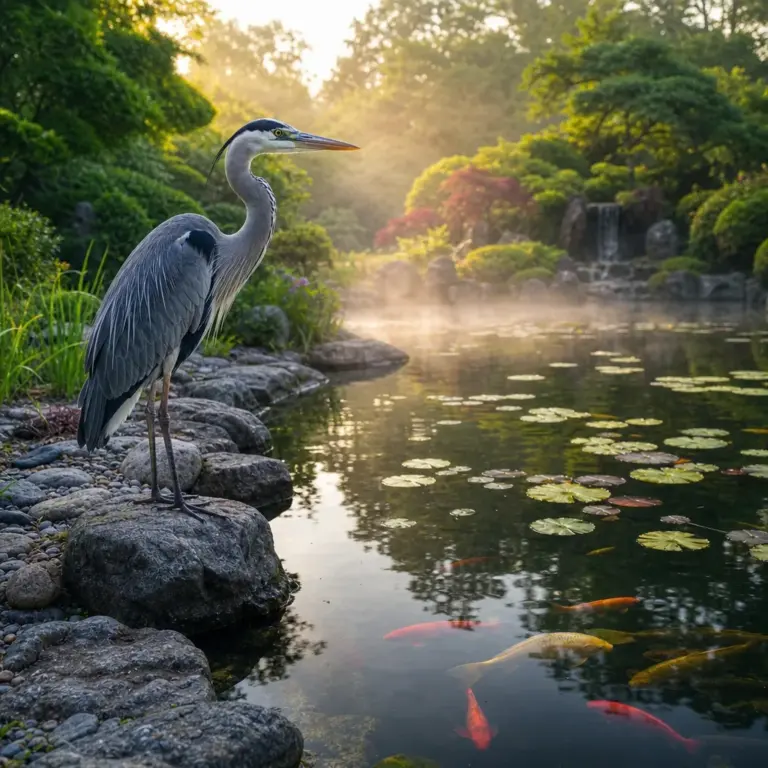 PondGuides
How to Protect Pond Fish From Herons and Predators
Herons, cats, and raccoons can empty a pond fast. Here is a layered, practical defense that actually keeps…
Read Article →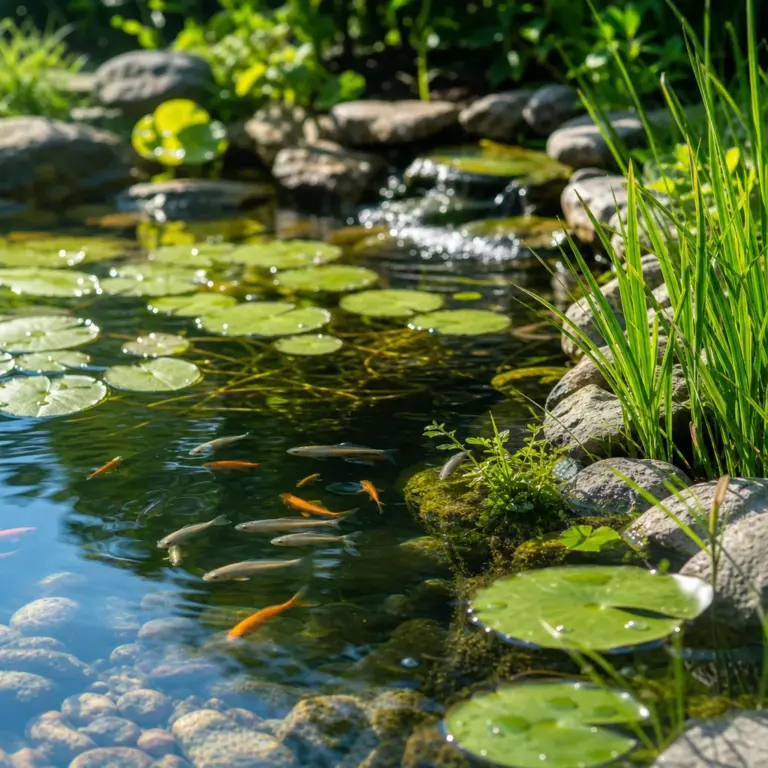 PondGuides
Best Pond Fish Besides Koi and Goldfish
Koi and goldfish are not your only options. Here are hardy, interesting pond fish worth stocking, organized by…
Read Article →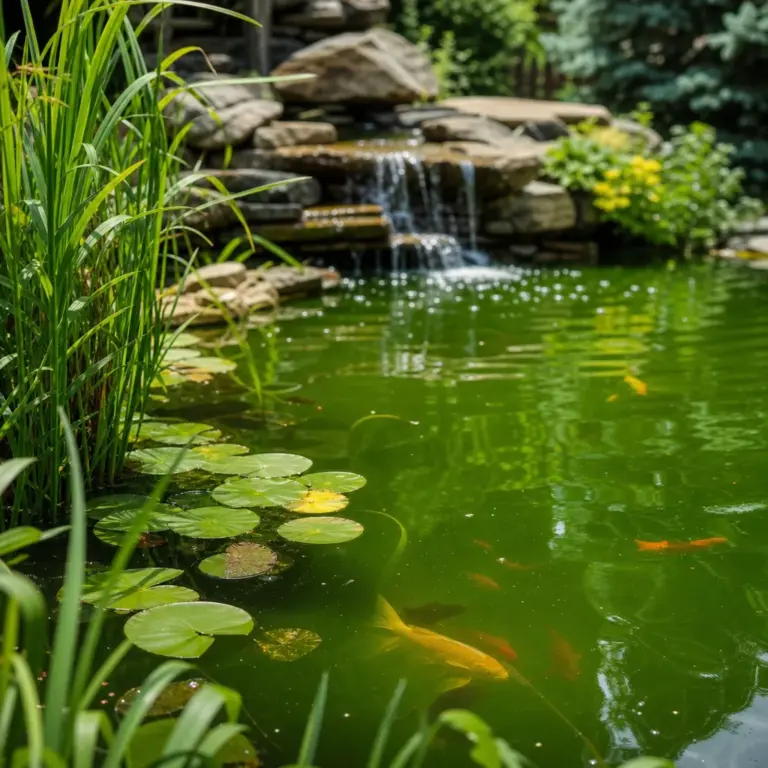 PondGuides
Why Is My Pond Water Green and How to Fix It
Pea-soup green pond water is an algae bloom, not a filter failure. Here is what actually causes it…
Read Article →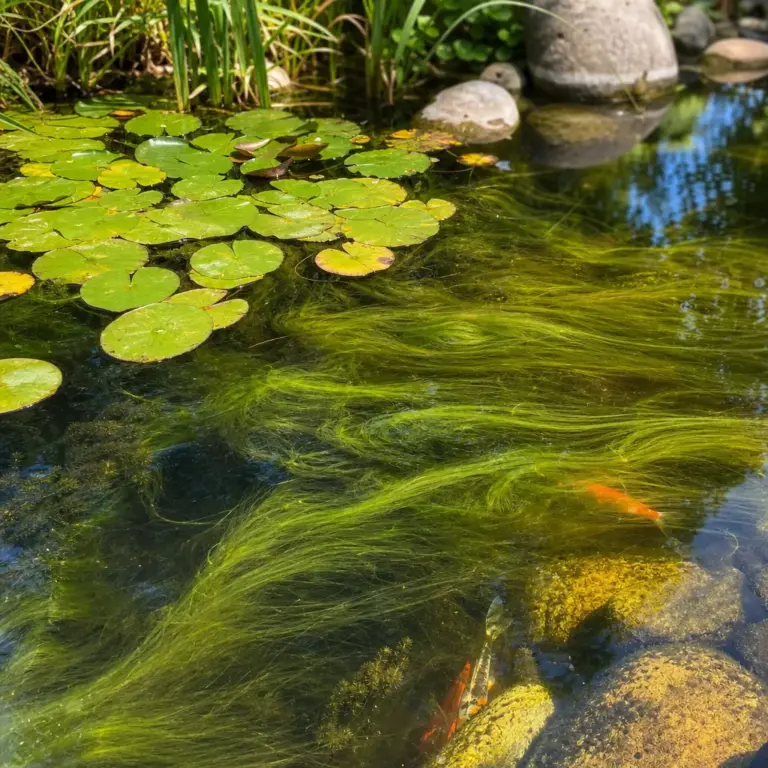 PondGuides
How to Get Rid of String Algae in a Pond
String algae clings to rocks and waterfalls and comes back every spring. Here is how to remove it…
Read Article →Ponds
A clear, healthy pond all year
A backyard pond turns a garden into a living centerpiece — koi gliding under lily pads, the sound of a waterfall, and a healthy little ecosystem you built yourself. Getting the equipment right is what keeps the water clear and the fish thriving year-round.
We review the essentials for ponds: pumps, pressurized and gravity filters, UV clarifiers, liners, and pond-safe food, with sizing advice so you don’t over- or under-build. Planning your first pond? Our how-to guides walk through sizing, liners, and seasonal care.
What we help you get right:
- Pump and filter sized to your pond volume
- UV clarifiers to beat green water
- Koi nutrition and seasonal feeding
- Liners and build basics that last
Indoor keeper too? Browse freshwater and saltwater & reef.
Shop on Amazon →As an Amazon Associate we earn from qualifying purchases.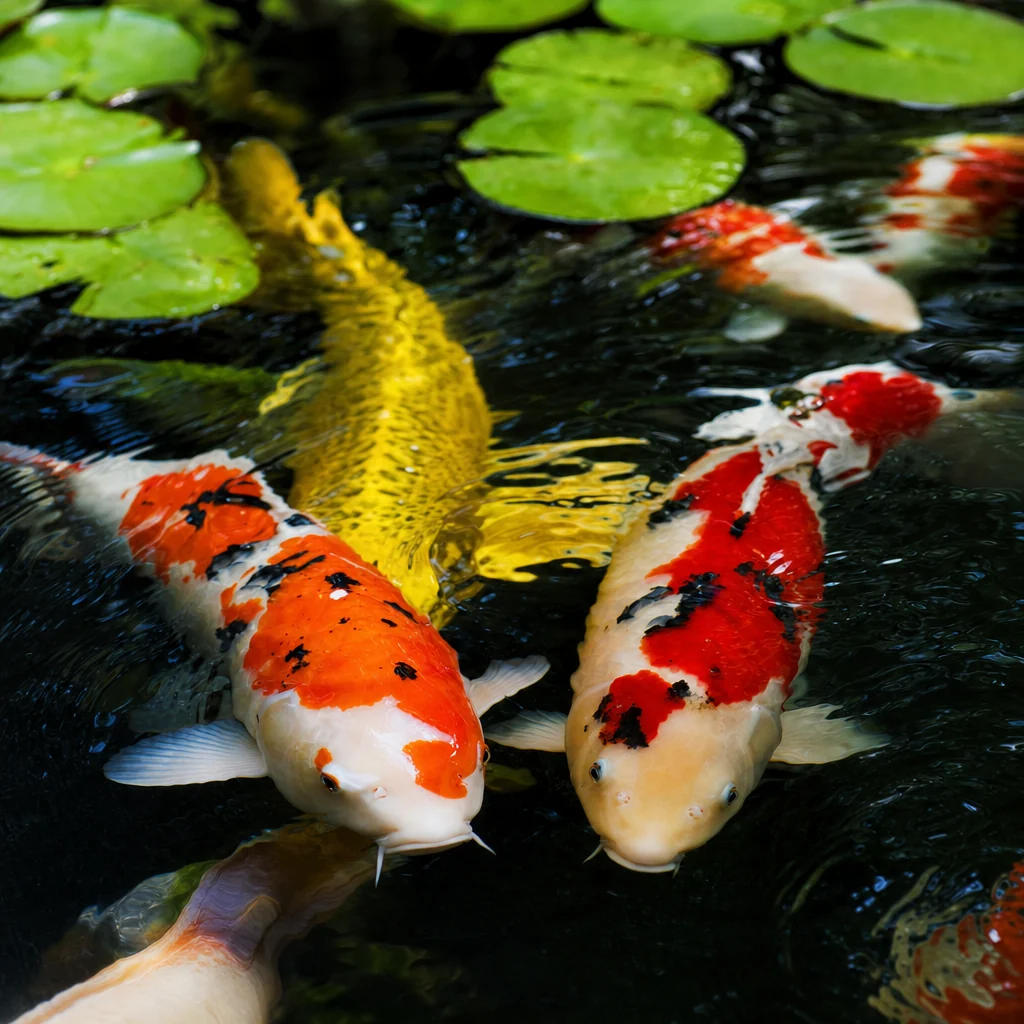
Pond FAQ
Common Backyard Pond Questions
Quick, straight answers to the questions new pond and koi keepers ask most.
How big should a backyard pond be?
For goldfish, aim for at least 500 gallons; for koi, plan on 1,000 gallons or more so they have room to grow and the water stays stable. Bigger ponds are actually easier to keep because temperature and water chemistry change more slowly. Aim for at least 2 feet of depth to keep water cooler in summer and protect fish in winter.
Do I need a pump and filter for a pond?
Yes — any pond with fish needs a pump to circulate water and a filter to process waste, just like an aquarium. As a rule of thumb the pump should turn over the pond’s entire volume about once per hour. Skipping filtration leads to murky, unhealthy water and stressed fish.
How do I keep pond water clear?
Clear water comes from balance: adequate filtration, not overstocking or overfeeding, and adding aquatic plants that compete with algae for nutrients. A UV clarifier eliminates the suspended algae that causes green water. Regular partial water changes and removing debris also make a big difference.
Can fish survive winter in an outdoor pond?
Hardy fish like koi and goldfish can overwinter outdoors if the pond is deep enough (at least 2 to 3 feet) so it does not freeze solid. Keep a small area of the surface ice-free with a de-icer or aerator so gases can escape. Fish become dormant in the cold and should not be fed once temperatures drop.
What fish are best for a backyard pond?
Koi and goldfish — including comets and shubunkins — are the classic, hardy choices. Goldfish stay smaller and suit modest ponds, while koi grow large and need more volume and stronger filtration. Add fish gradually so your filter can keep pace with the bioload.
How deep should a koi pond be?
A koi pond should be at least 3 feet deep, and 4 feet or more is better in very hot or cold climates. The extra depth gives koi room, keeps the water temperature stable, and offers protection from predators and hard winter freezes.
Do pond fish need to be fed in winter?
No — once the water drops below about 50°F (10°C), pond fish slow down and their digestion nearly stops, so feeding can actually harm them. Stop feeding for winter and resume in spring once the water warms consistently. Use a wheat-germ food during cool transition periods.
How do I control algae in a pond?
Reduce excess nutrients by not overfeeding or overstocking, add plenty of aquatic plants, and provide shade with floating plants like water lilies. A UV clarifier handles green water, while barley straw and regular debris removal help with string algae. Remember some algae is normal and even healthy.
What is a pond UV clarifier and do I need one?
A UV clarifier passes pond water past an ultraviolet bulb that kills the free-floating algae causing green water, then your filter removes the clumped particles. If you battle persistent green water, it is one of the most effective fixes available. It does not harm fish, plants, or the beneficial bacteria in your filter.
Should I add plants to my pond?
Yes — aquatic plants are one of the best tools for a healthy pond. They absorb the excess nutrients that would otherwise feed algae, oxygenate the water, and give fish shade and shelter. A mix of marginal plants, submerged oxygenators, and floating plants like water lilies works well.