

There is a specific kind of heartbreak in walking out to your pond and realizing a fish is missing, then another. Predators are patient and they learn your schedule. The good news is that no single predator is unbeatable, and a layered approach will protect your fish from herons, cats, raccoons, and everything else that sees your pond as a buffet.
Know Your Predator
Different threats call for different defenses, so figure out what you are dealing with.
- Herons wade in from the edge at dawn and dusk, standing in shallow water to spear fish. They are the most common and most persistent pond raider.
- Raccoons reach in from the bank at night, often from shallow margins, and will also disturb plants and equipment.
- Cats swat at fish near the surface, mostly targeting smaller fish in shallow spots.
- Birds of prey and kingfishers strike from above in open ponds.
Most defenses overlap, but knowing your main threat helps you prioritize.
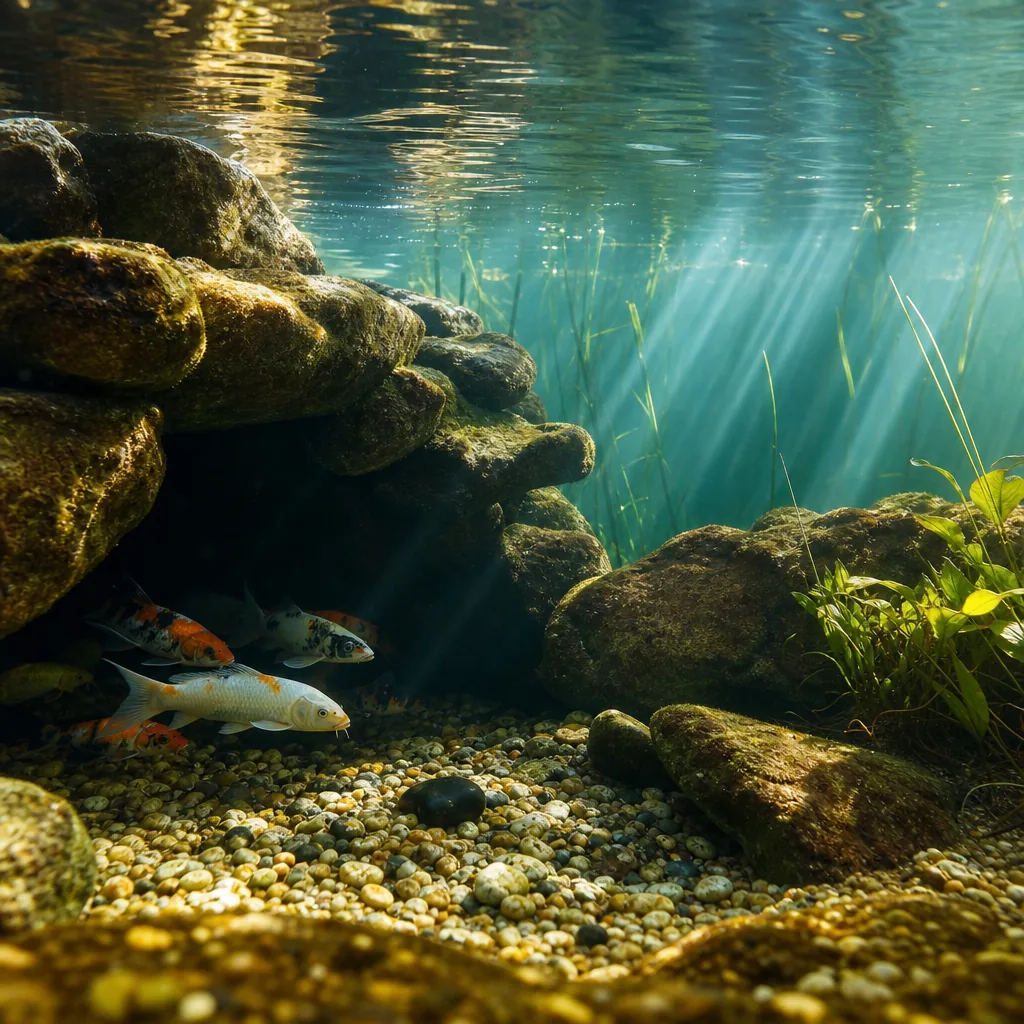
The Single Best Defense: Depth and Refuge
Predators exploit shallow water and open sightlines. The most effective protection is giving fish a place to escape that a heron or raccoon cannot reach.
- Build in depth. A pond with a zone at least a couple of feet deep gives fish somewhere to drop out of reach. Herons cannot wade into deep water, and cats will not follow.
- Add fish caves and tunnels. Submerged pipes, rock overhangs, or purpose-made fish shelters give fish instant cover when a shadow passes over.
- Steepen the edges. Herons prefer to wade in gradually. Steep or vertical sides on part of the pond deny them a landing zone.
A pond designed with these features loses far fewer fish than a shallow, open one, regardless of what else you add. Our pond design resources cover building in depth and refuge from the start.
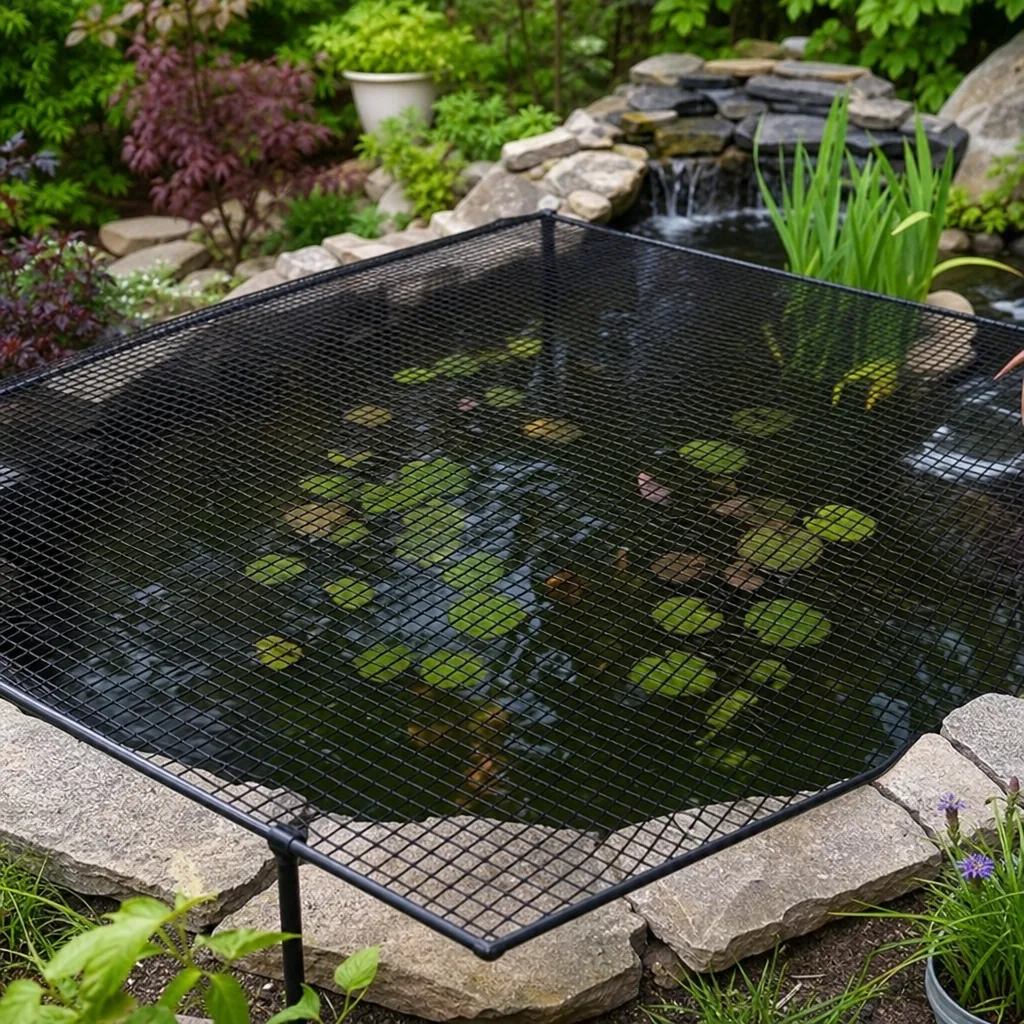
Physical Barriers That Work
When you cannot rely on depth alone, block access directly.
- Pond netting stretched over the surface is the most reliable barrier against herons and cats. It is not the prettiest option, but nothing beats it for effectiveness. Keep it taut and above the water so predators cannot press it down to the fish.
- Cover plants. Lilies and floating plants break up the surface and hide fish from above. They will not stop a determined heron alone, but they reduce sightlines significantly.
- Low perimeter fencing or trip wire a few inches above ground around the edge discourages herons from walking in and slows raccoons.
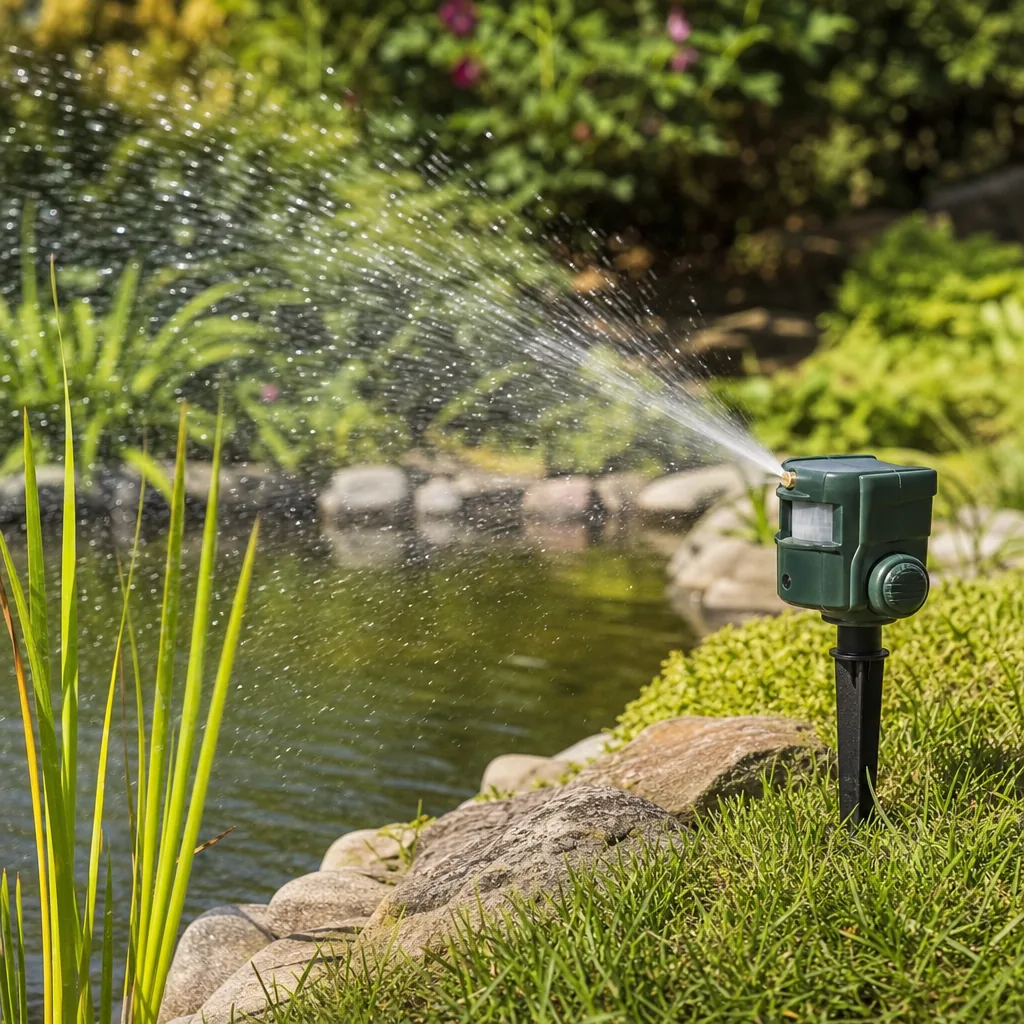
Deterrents and Scare Tactics
These work best as part of a layered system rather than on their own, because clever predators habituate to them.
- Motion-activated sprinklers that fire a burst of water are one of the more effective deterrents, especially against herons and cats. The surprise factor is strong.
- Decoy herons can work early in the season because herons are territorial, but experienced birds often ignore them. Move a decoy around to keep it convincing.
- Reflective and moving objects like spinners help a little, mostly against birds.
The key with any scare tactic is variety. Rotate and reposition them so predators never settle into a routine.
What Not to Rely On
Plenty of folk remedies get passed around that do not hold up. A single decoy heron left in one spot stops working within weeks. Floating balls and surface toys do little against a wading heron. And harming or trapping wildlife is illegal for many protected species, herons included, so keep your approach to exclusion and deterrence.
Layer It Together
No single measure is foolproof, so combine several. A strong setup usually looks like this: a deep refuge zone plus fish caves, netting or dense plant cover over vulnerable areas, and a motion sprinkler for good measure. That combination handles herons, cats, and raccoons together.
Stock sensibly too. If you keep smaller or slower fish, they are more vulnerable, so lean harder on cover. For a rundown of hardy, harder-to-catch species, see our pond fish guide. And when you are ready to add netting, shelters, or a deterrent, our gear picks can point you toward options that fit your pond.
Frequently Asked Questions
What keeps herons away from a pond?
A combination works best: pond netting or dense surface plants to block access, a deep refuge zone so fish can escape, steep edges that stop wading, and a motion-activated sprinkler. Herons habituate to single deterrents, so layer several.
Do decoy herons actually work?
Sometimes, and only temporarily. Herons are territorial and may avoid a rival at first, but experienced birds learn to ignore a stationary decoy within weeks. Move it regularly and pair it with other measures for it to help.
How deep should a pond be to protect fish?
A zone at least a couple of feet deep gives fish somewhere to drop out of reach of wading herons and cats. Deeper is better where climate allows, and adding fish caves or submerged tunnels improves protection further.
Will pond netting harm my fish?
No, if it is installed correctly. Keep the net taut and raised above the water surface so predators cannot press it down onto the fish, and check that no fish or wildlife can become tangled at the edges.
How do I stop raccoons from eating pond fish?
Raccoons reach in from shallow banks at night, so eliminate shallow access with steep edges, add deep refuge zones and fish caves, and use a motion-activated sprinkler. Low perimeter fencing around the pond edge also helps.