
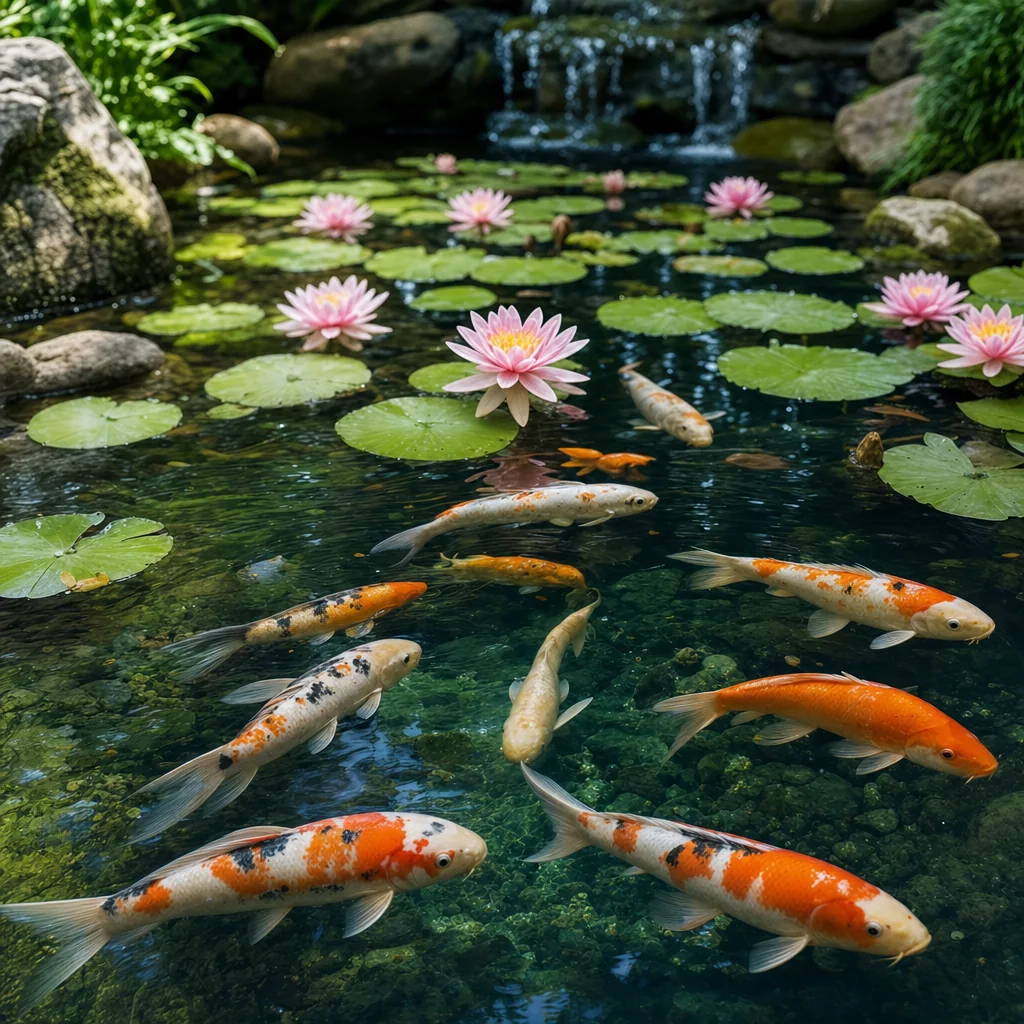
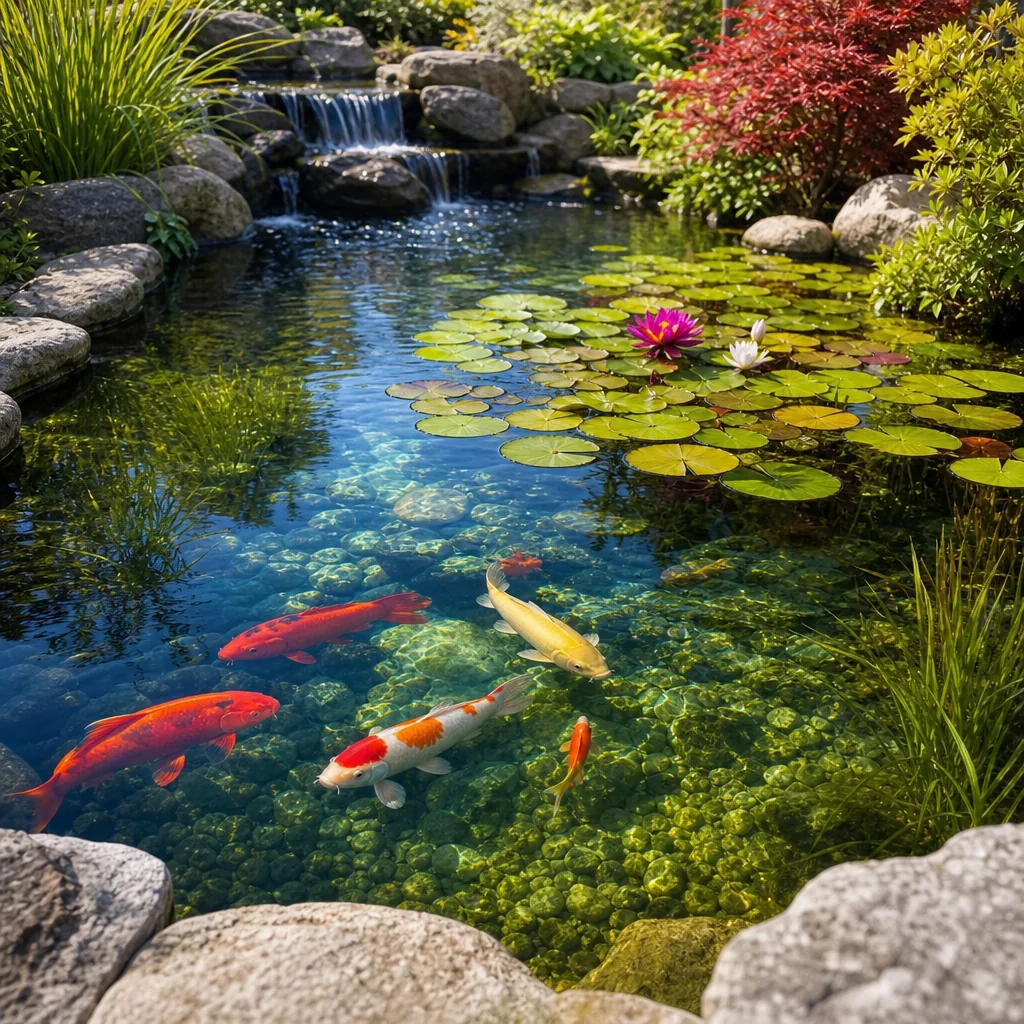
Clear pond water isn’t luck, and it isn’t one magic product. It’s the natural result of a pond that’s in balance, where filtration, plants, fish load, and nutrients are all pulling in the same direction. When water goes green, murky, or brown, the pond is telling you one of those is out of whack. The good news is that once you understand what’s actually causing cloudy water, fixing it is methodical rather than mysterious.
Let’s walk through the common types of cloudy water, what each one means, and the proven habits that keep a pond clear long-term.
First, Identify What Kind of Cloudy You Have
Not all murky water is the same problem, and the color is your biggest clue.
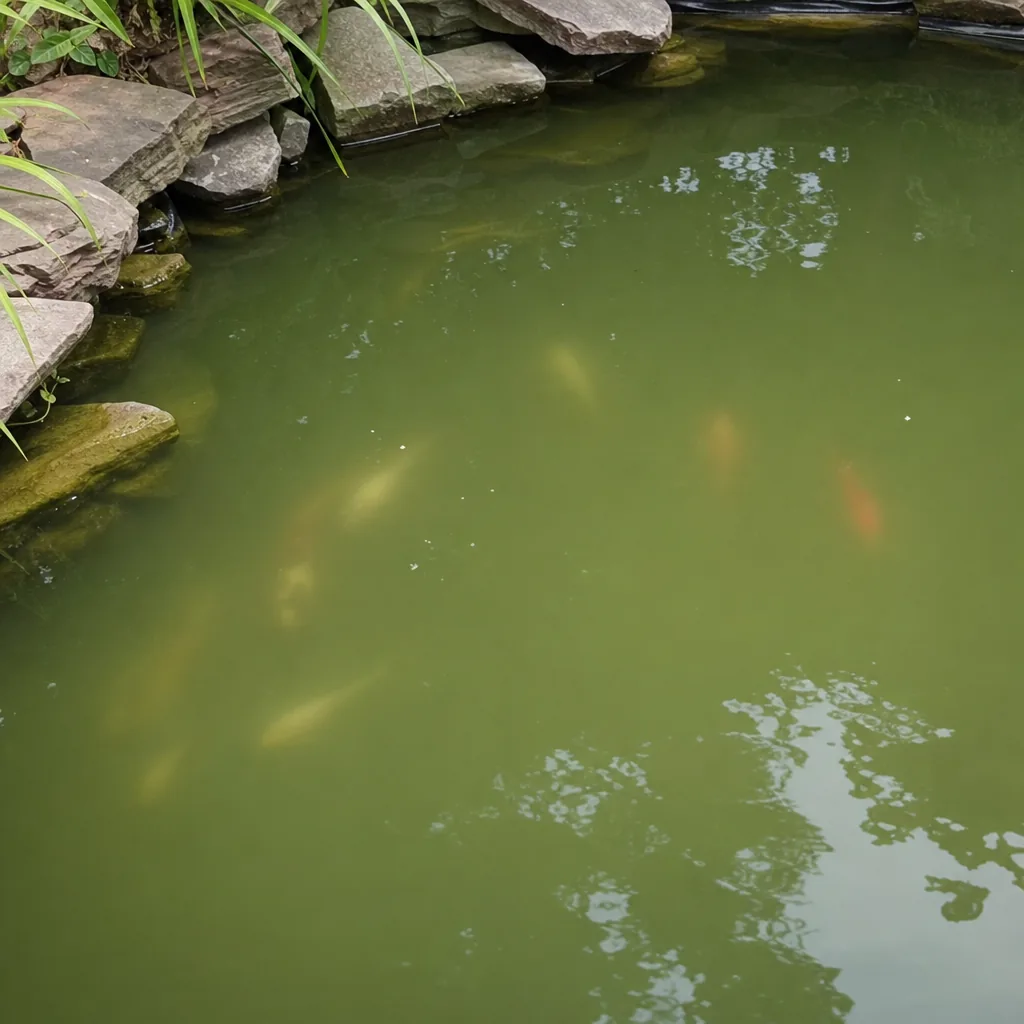
- Green water is a bloom of free-floating algae. It’s the most common complaint and almost always a nutrient-and-light problem.
- Gray or white cloudiness is often a bacterial bloom, common in new ponds, or suspended fine debris stirred up in the water.
- Brown or tea-colored water usually comes from stirred-up sediment, runoff, or tannins leaching from leaves and debris.
Match your symptom to the right fix below instead of throwing every product at the wall.
The Real Causes of Cloudy Pond Water
Nearly every clarity problem traces back to one or more of these:
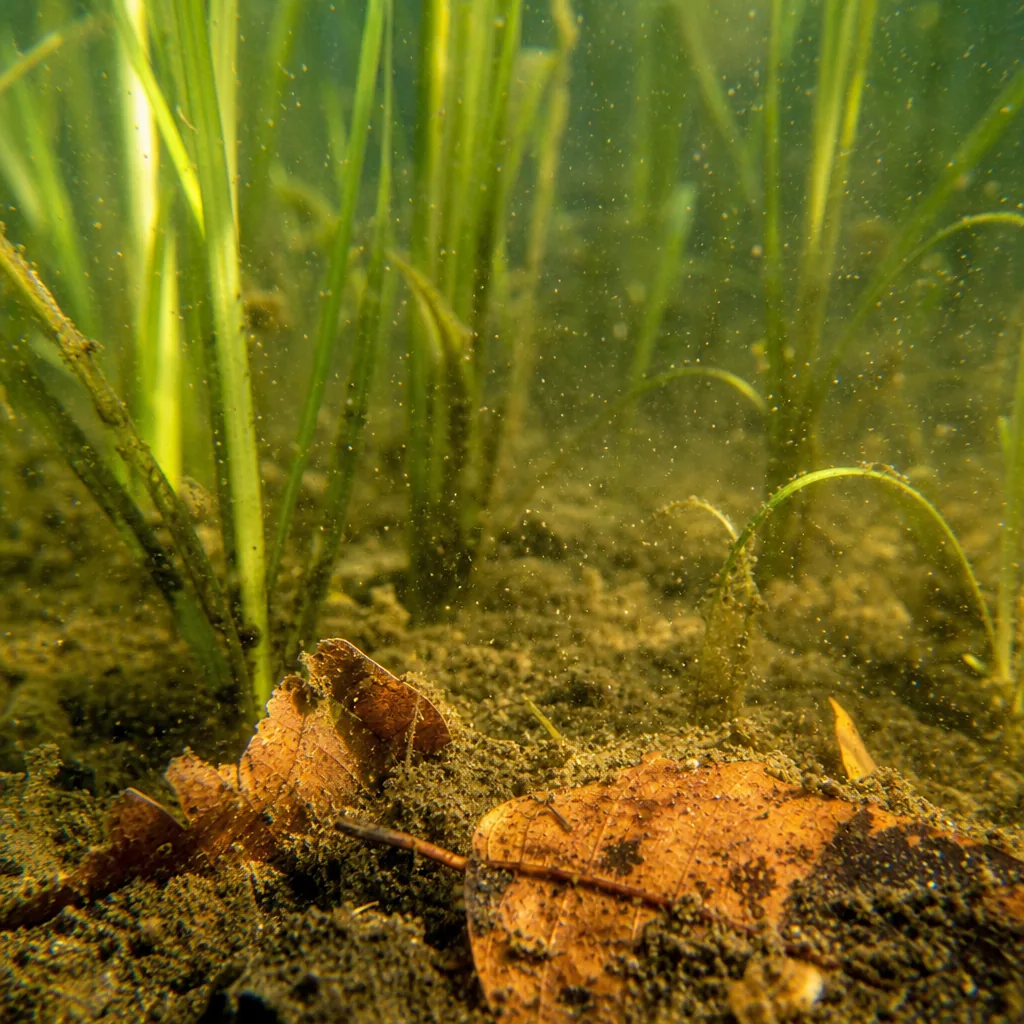
- Excess nutrients. Overfeeding fish, too many fish, and decaying organic matter dump nutrients into the water that algae feast on.
- Insufficient filtration. A filter undersized for your fish load can’t keep up with the waste.
- Too much sunlight. Direct all-day sun supercharges algae growth.
- Not enough plants. Plants compete with algae for nutrients; a sparse pond hands algae an open buffet.
- An immature pond. New ponds haven’t built up the beneficial bacteria that keep things balanced.
The Clear-Water Toolkit
1. Right-size your filtration
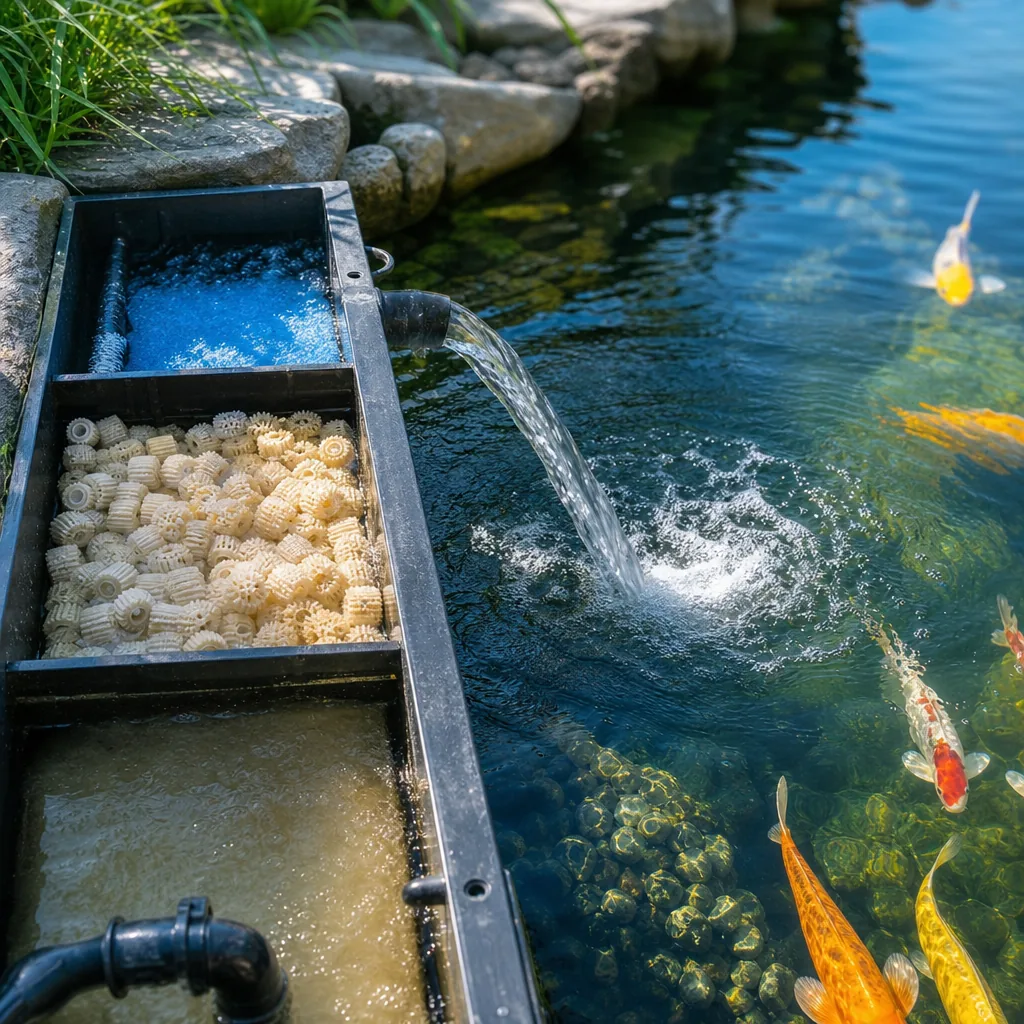
Your filter has to match your fish load, not your pond’s gallons alone. Heavily stocked ponds need stronger mechanical and biological filtration. Make sure water turns over often enough, ideally circulating the full pond volume at least once an hour, so waste actually reaches the filter instead of settling and rotting.
2. Add a UV clarifier for green water
For free-floating green algae specifically, a UV clarifier is the single most effective tool. As water passes the UV bulb, the algae cells clump together and get trapped by your mechanical filter. It targets the suspended algae causing green water without harming plants or fish. You can find pond UV clarifiers and filter kits in our pond gear picks.
3. Plant generously
Plants are free, living filtration. Submerged oxygenators, floating plants that shade the surface, and marginal plants on the shelf all consume the nutrients algae would otherwise use. A well-planted pond is far easier to keep clear than a bare one. Our pond plants guide covers the best choices.
4. Stop overfeeding
This is the most overlooked fix. Feed only what your fish finish in a few minutes, and remove uneaten food. Excess food rots, spikes nutrients, and feeds algae directly. Many cloudy ponds clear up dramatically just from cutting back feeding.
5. Keep beneficial bacteria thriving
The bacteria in your filter and pond are what break down waste. Don’t over-clean your biological media or rinse it in chlorinated tap water, which kills the colony. Let the system mature and the bacteria do their job.
Quick Wins vs. Long-Term Balance
It helps to separate fast fixes from the habits that keep water clear for good.
- Quick wins: add a UV clarifier, cut feeding, do a partial water change, remove visible debris and decaying leaves.
- Long-term balance: right-size filtration, plant heavily, stock fish conservatively, and let the pond’s bacteria mature.
Reach for the quick wins to break a current bloom, but lean on the long-term habits so it doesn’t come back.
A Word on Water Changes and Patience
Partial water changes dilute nutrients and help, but resist the urge to drain and scrub the whole pond. A complete teardown wipes out your beneficial bacteria and often triggers a worse bloom afterward as the pond struggles to rebalance. Modest, regular maintenance beats dramatic resets every time. And remember: a new pond going green is normal and usually self-corrects as it matures.
The Bottom Line
Clear water comes from balance, not chemicals. Right-size your filter, add a UV clarifier for green water, plant generously, feed less, and protect your beneficial bacteria. Stack those habits and your pond stays clear with surprisingly little fuss. For ongoing care, see our guides on controlling pond algae and winterizing your pond.
Frequently Asked Questions
Why is my pond water green?
Green water is a bloom of free-floating algae, fueled by excess nutrients and sunlight. It’s the most common pond clarity issue, especially in new or heavily stocked ponds. A UV clarifier combined with more plants and less feeding is the proven fix.
Will a UV clarifier hurt my fish or plants?
No. A UV clarifier only treats water as it passes the bulb inside the unit, targeting suspended algae cells. It doesn’t affect fish, rooted plants, or beneficial bacteria living in the filter media and pond surfaces. It’s one of the safest, most effective tools for green water.
How long does it take for cloudy pond water to clear?
It varies. A bacterial bloom in a new pond often clears on its own within a couple of weeks as the pond matures. Green water treated with a UV clarifier and better balance can clear in days to a week or two. Patience and consistent maintenance matter more than dramatic intervention.
Should I drain my pond to fix murky water?
Usually not. A full drain-and-scrub destroys the beneficial bacteria that keep the pond balanced, often causing a worse bloom afterward. Stick to partial water changes, debris removal, and improved filtration and planting instead of a complete teardown.
Can too many fish cause cloudy water?
Yes. Overstocking produces more waste than your filter and plants can process, raising nutrients that fuel algae and cloudiness. Stock conservatively, feed modestly, and make sure your filtration matches the fish load to keep water clear.