
 Hover to zoom


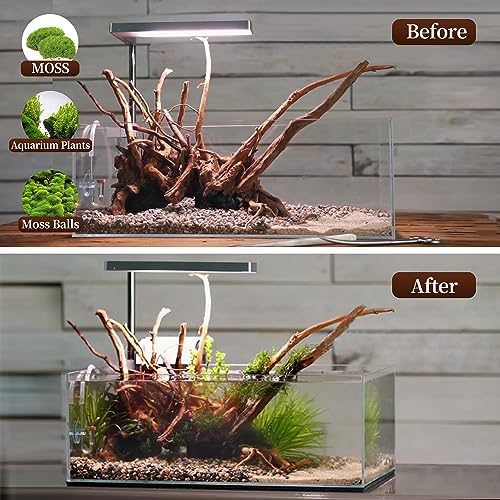

Spider Wood Natural Aquarium Driftwood
Twisted branchy wood for a striking aquascape centerpiece
- Gnarled, multi-armed branches create dramatic movement and a natural focal point
- Fine root-like tips are ideal anchor points for moss, Bucephalandra, and ferns
- Light tan color brightens layouts and contrasts well against green plants
- Lightweight form makes it easy to position and rescape as your tank evolves
- A go-to wood for jungle, blackwater, and biotope-inspired aquascapes
Check the latest price and availability on Amazon.
View on Amazon →As an Amazon Associate, AquaticRig earns from qualifying purchases.
Pros
- Intricate branching gives instant visual drama
- Plenty of surface area for attaching epiphytes
- Pale tone helps a scape feel open and airy
- Easy to arrange thanks to its low weight
- Suits shrimp and small fish that love grazing surfaces
Cons
- Floats stubbornly until thoroughly waterlogged
- Releases noticeable tannins that brown the water early on
- Often grows a film of harmless white biofilm at first
- Slim branches can be fragile and snap if forced
At a glance
Twisted branchy wood for a striking aquascape centerpiece
Spider wood's wild, root-like branching makes it one of the easiest ways to give a tank instant character.
- Gnarled, multi-armed branches create dramatic movement and a natural focal point
- Fine root-like tips are ideal anchor points for moss, Bucephalandra, and ferns
- Light tan color brightens layouts and contrasts well against green plants
- Lightweight form makes it easy to position and rescape as your tank evolves
- A go-to wood for jungle, blackwater, and biotope-inspired aquascapes
Product Specifications
- Wood type
- Spider wood (Azalea root)
- Use
- Aquascape centerpiece
- Color
- Light tan
- Prep
- Soak or boil to sink
- Tannins
- Moderate, fades with soaking
- pH effect
- Slightly acidic
Why we recommend the Spider Wood Natural Aquarium Driftwood
Few hardscape materials deliver drama as quickly as spider wood. Its tangle of thin, splaying branches mimics exposed roots and reaching limbs, so a single well-placed piece can carry an entire layout. Aquascapers favor it because those fine tips are perfect for tying on moss, Bucephalandra, or small ferns, and within a few months the wood disappears beneath a soft green canopy that looks like it grew there naturally.
The pale tan color is part of the appeal too. Against dark substrate and lush plants it keeps a scape feeling bright and open rather than heavy, which is why it shows up so often in jungle and biotope tanks alike. Like most untreated driftwood, it will float at first and needs soaking or boiling before it stays put, and it will leach tannins that tint the water for a while. A patch of fuzzy white biofilm is also common early on, but it is harmless and shrimp tend to clean it up quickly.
Who it’s for
This wood is a strong pick for aquascapers who want a bold, branchy focal point and enjoy planting epiphytes onto hardscape. It is especially rewarding in shrimp tanks and soft-water community setups, where the grazing surfaces and gentle tannin release are welcome. If you need wood that sinks instantly or you dislike any water tint, be prepared to soak it well first or choose a denser alternative.
The Bottom Line
Spider wood's wild, root-like branching makes it one of the easiest ways to give a tank instant character. Expect some early floating and tannins, but the payoff is a centerpiece that plants love to colonize.
View on Amazon →As an Amazon Associate, AquaticRig earns from qualifying purchases.
Frequently Asked Questions
How do I get it to sink?
Soak it for one to two weeks, weigh it down, or boil smaller pieces to speed up waterlogging.
Why is my water turning brown?
Spider wood releases tannins. They are harmless and fade with soaking, water changes, or a little activated carbon.
What is the white fuzz on the wood?
That is a natural biofilm that often appears on fresh driftwood. It clears on its own and shrimp will graze it.
Can I attach plants to it?
Yes, the fine branches are ideal for moss, Anubias, Bucephalandra, and ferns tied or glued in place.
Does each piece look the same?
No. Every piece of spider wood is unique, so shapes and branching differ from any photo you see.