
 Hover to zoom


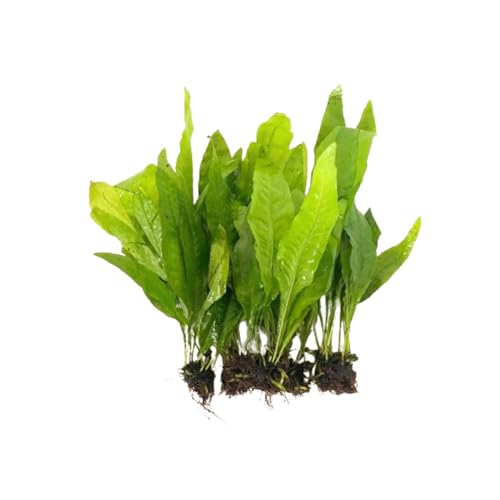
Java Fern Microsorum Pteropus (Live Aquarium Plant)
Hardy low-light fern that thrives almost anywhere
- Classic beginner plant tolerant of low light
- Grows without added CO2 or special substrate
- Attaches to driftwood and rock instead of being buried
- Propagates easily from rhizome division and plantlets
- Provides natural cover and grazing surface for fish and shrimp
Check the latest price and availability on Amazon.
View on Amazon →As an Amazon Associate, AquaticRig earns from qualifying purchases.
Pros
- Extremely forgiving for new aquatic gardeners
- Thrives in low to moderate light with no CO2
- Attaches to hardscape for flexible aquascaping
- Spreads on its own through plantlets over time
- Generally ignored by plant-nibbling fish
Cons
- Slow growing, so it takes patience to fill in
- Rhizome must stay above the substrate or it rots
- Can show brown spots while adjusting to a new tank
- Older leaves may need trimming as plantlets form
At a glance
Hardy low-light fern that thrives almost anywhere
Java fern is the plant most aquarists cut their teeth on, and for good reason: it asks for almost nothing and rewards you with lush green growth.
- Classic beginner plant tolerant of low light
- Grows without added CO2 or special substrate
- Attaches to driftwood and rock instead of being buried
- Propagates easily from rhizome division and plantlets
- Provides natural cover and grazing surface for fish and shrimp
Product Specifications
- Light level
- Low to moderate
- CO2
- Not required
- Placement
- Midground to background, on hardscape
- Growth rate
- Slow
- Difficulty
- Beginner
- Propagation
- Rhizome division and plantlets
Why we recommend the Java Fern Microsorum Pteropus (Live Aquarium Plant)
If there is one plant that converts beginners into planted-tank enthusiasts, it is java fern. It tolerates low light, needs no injected CO2, and does not require a special planted substrate, which removes most of the hurdles that frustrate first-time aquatic gardeners. Instead of being buried, it attaches to driftwood or rock, making it forgiving and flexible in any aquascape from a nano to a large display.
The one rule that matters is the rhizome. That thick horizontal stem must stay exposed above the substrate, because burying it causes rot. Tie or glue the rhizome to hardscape, let the roots grip on their own, and the plant takes care of the rest. Over time it spreads by producing tiny plantlets on its leaves, which you can detach and attach elsewhere, gradually filling the tank for free.
Who it’s for
Java fern is ideal for beginners, low-tech setups, and anyone keeping fish that tend to uproot or nibble more delicate plants, since this fern is tough and generally left alone. It also pairs beautifully with shrimp and small community fish that appreciate the cover and grazing surface its leaves provide. Be patient with its slow growth and a little browning during acclimation, and it will become a permanent fixture in your tank.
The Bottom Line
Java fern is the plant most aquarists cut their teeth on, and for good reason: it asks for almost nothing and rewards you with lush green growth. Tie it to driftwood, keep the rhizome exposed, and it will thrive.
View on Amazon →As an Amazon Associate, AquaticRig earns from qualifying purchases.
Frequently Asked Questions
Can I plant java fern in the substrate?
No. Bury the roots if you must, but keep the rhizome exposed. A buried rhizome will rot. Attaching it to hardscape is best.
Does it need CO2 or special light?
Neither. It thrives in low to moderate light with no CO2, which is why it is such a popular beginner plant.
Why are there black spots on the leaves?
Small brown or black spots are often plantlets forming or normal acclimation. Healthy new growth usually follows.
How do I propagate it?
Divide the rhizome or detach the baby plantlets that grow on mature leaves, then attach them wherever you like.
Will my fish eat it?
Most fish leave java fern alone thanks to its tough leaves, making it a good choice for tanks with plant-nibblers.